
Rolling hills, stone villages and quiet country lanes are a big part of Britain's charm, but getting around isn't always easy or cheap. The nearest station might be miles from the village, the bus may run twice a day, and a taxi across the county can cost more than the day out itself.
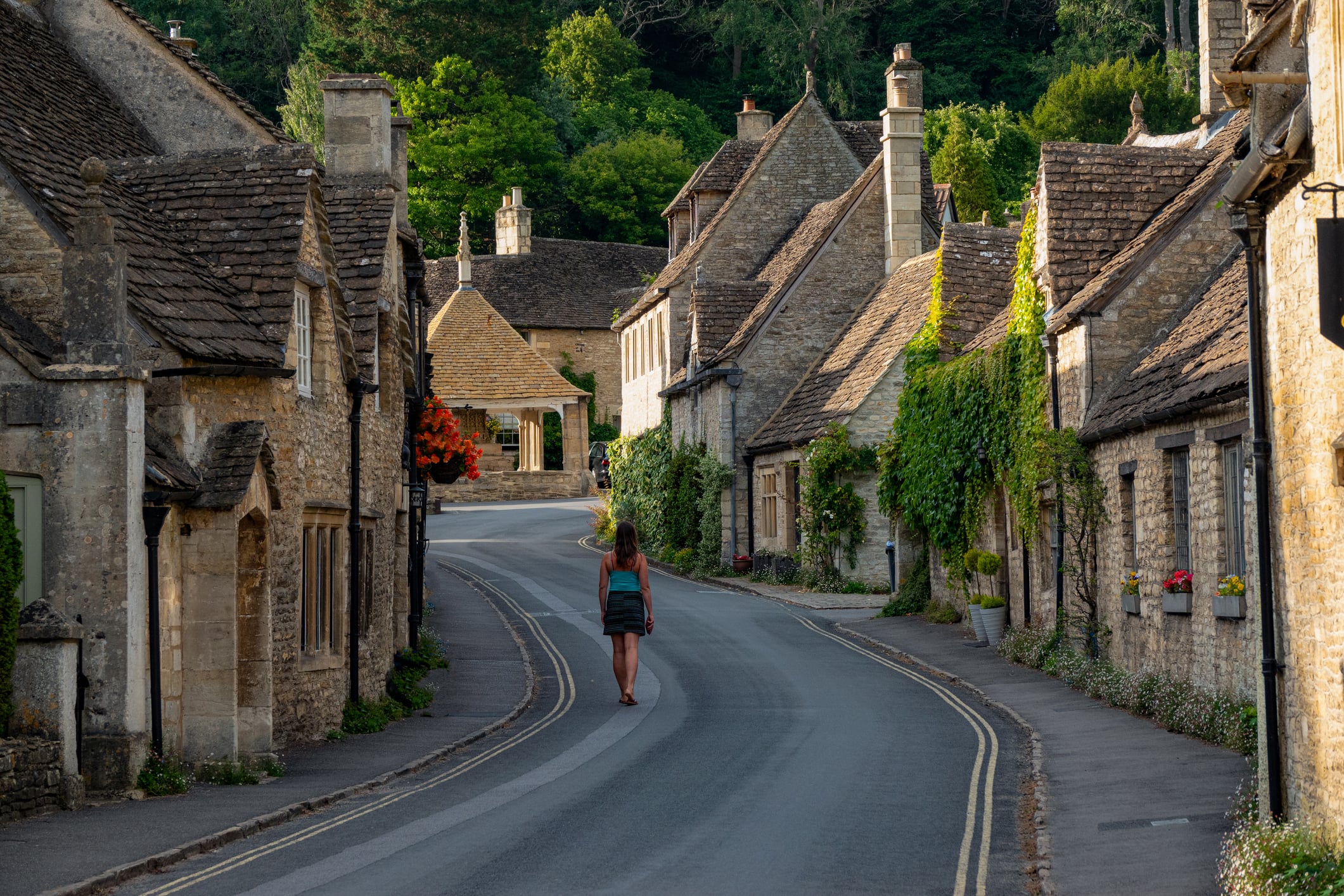
Whether you're exploring the Cotswolds, visiting family in rural Wales, or commuting from a village to the nearest market town, how you choose to travel can make a surprising difference to what you spend.
The good news is that there are plenty of affordable options, and the cheapest approach usually combines several of them. Here's how to work out what suits you and make each option go further.
How to Travel in the UK Countryside
Work Out What You Really Need
Before comparing fares, think about how you travel. How often do you need to go somewhere? How far? Will you share some journeys with others? In the countryside, it's easy to assume a car is the only answer, but if you only need transport occasionally, owning one may cost far more than alternatives.
If you rely on a car most days, it pays to look beyond the sticker price. Fuel, insurance, servicing, and repairs all add up, so comparing these costs alongside affordable used car leasing options can help you see what you'd really pay each month. Once you know your true transport needs, it becomes easier to choose the cheapest way to meet them.
Plan Ahead
In rural areas, a little planning saves money. Some bus routes run only a few times a day, and many don't run on Sundays or bank holidays.
Check timetables before you set off using journey-planning apps or your council's website, which often lists community buses and on-demand services.
If you're combining walking, cycling, buses and trains, mapping your route in advance is the best way to avoid an expensive last-minute taxi.
Make the Most of Rural Buses
Buses are often the cheapest way to get between villages and towns. Fare caps in many parts of England have made short and medium journeys especially good value, and Scotland, Wales and Northern Ireland all have concessionary schemes.
Depending on your age or circumstances, you may even qualify for free or discounted travel, with schemes for young people, students and older passengers.
The catch is frequency. Because rural services can be limited, treat the timetable as the starting point of your plan, not an afterthought.
If you're flexible, buses work well for shopping trips, medical appointments, days out and getting to the nearest railway station. If you're making several journeys in one area, a return or day ticket can reduce the cost further.
Use Trains for the Long Stretches
For longer journeys, trains can be excellent value if you book wisely. Advance tickets and off-peak fares can cut the price significantly, and a railcard usually pays for itself after just a few trips a year.
You can compare the options for young people, families, couples, older people and disabled passengers on the official Railcard website.
The challenge is that many countryside destinations don't have a station. The smart approach is to use the train for the long, expensive part of the journey, then switch to a bus, bike or lift for the last few miles.
Taking a train to a nearby town and finishing by local bus is often much cheaper than a taxi all the way from your door.
Cycle Where You Can
Once you've covered the cost of a bike, helmet, lights and a basic repair kit, cycling costs little to run. Britain is crisscrossed with quiet lanes, bridleways and signed cycle routes, making it ideal for short trips to the shop, station, school or work.
In hilly areas or for longer commutes, an electric bike can make cycling more realistic. E-bikes cost more upfront but are usually cheaper than running a car.
If you're not sure whether one is right for you, look for hire schemes, local trials or a second-hand bike from a reputable seller. Whatever you ride, think about road safety, visibility and a secure place to store it.
Walk More Short Journeys
Walking is free, good for you and often quicker than you think. In villages and small towns, many trips under a mile take less time on foot than arranging a lift or waiting for a bus. Sturdy shoes, a waterproof jacket and a torch for darker evenings make walking practical year-round.
Walking pairs well with public transport for days out. Take a bus or train to one village, walk to the next, then catch a ride home. You'll avoid parking charges and see more of the countryside along the way, from Cornish coastal paths to the fells of the Lake District, two of the best places to explore on foot in the UK.
When a car trip is unavoidable, sharing it is one of the simplest ways to save. If neighbors, colleagues or friends head the same way, splitting fuel and parking costs benefits everyone. It works well for commuting, school runs, weekly shopping trips and events.
As well as informal arrangements between neighbors, there are lift-sharing platforms, workplace schemes and community groups that help people coordinate journeys.
Whichever you use, agree on costs and timings upfront to avoid misunderstandings. Sharing one or two trips a week can be enough for some households to manage without a second car.
Look Into Community Transport
For people who find ordinary buses hard to use, community transport can be a lifeline. Many rural areas offer dial-a-ride minibusses, volunteer driver schemes, and community car services, which are usually much cheaper than taxis and especially valuable for older residents, disabled passengers, and anyone without a car.
Eligibility varies. Some services are open to anyone living where public transport is limited, while others focus on medical appointments or essential shopping. Check with your local council, parish council or community transport provider, and expect to book in advance.
Choose the Right Mix
The cheapest way to get around the UK countryside is rarely just one option. For most people, it's a mix: buses for trips into town, a bike for local errands, the train for longer journeys, walking wherever it's practical, and a shared lift when it's needed. With a bit of planning and the right combination, countryside travel can be far more affordable than it first appears.
This story was published in partnership with Hippo Leasing.