
Go Backpacking

  • About
  • Travel Tips
    • Accommodations
    • Budgeting & Money
    • Adventure Travel
    • Food & Drink
    • Gear & Gadgets
    • Packing Tips
    • Travel Blogging
    • Travel Insurance
    • Trip Planning
    • UNESCO Sites
  • Destinations
    • Africa
      • Botswana
      • Egypt
      • Ethiopia
      • Morocco
      • Rwanda
      • South Africa
      • Tanzania
    • Asia
      • Cambodia
      • China
      • Hong Kong
      • India
      • Indonesia
      • Japan
      • Laos
      • Malaysia
      • Nepal
      • Philippines
      • Thailand
      • United Arab Emirates
      • Vietnam
    • Europe
      • England
      • France
      • Germany
      • Greece
      • Iceland
      • Ireland
      • Italy
      • Portugal
      • Spain
      • Switzerland
      • Turkey
    • North America
      • Canada
      • Costa Rica
      • Cuba
      • Guatemala
      • Mexico
      • Nicaragua
      • Panama
      • United States
    • Oceania
      • Australia
      • French Polynesia
      • New Zealand
    • South America
      • Argentina
      • Bolivia
      • Brazil
      • Chile
      • Colombia
      • Ecuador
      • Peru
  • Advertise
menu icon
go to homepage
  • About
  • Travel Tips
    • Accommodations
    • Budgeting & Money
    • Adventure Travel
    • Food & Drink
    • Gear & Gadgets
    • Packing Tips
    • Travel Blogging
    • Travel Insurance
    • Trip Planning
    • UNESCO Sites
  • Destinations
    • Africa
      • Botswana
      • Egypt
      • Ethiopia
      • Morocco
      • Rwanda
      • South Africa
      • Tanzania
    • Asia
      • Cambodia
      • China
      • Hong Kong
      • India
      • Indonesia
      • Japan
      • Laos
      • Malaysia
      • Nepal
      • Philippines
      • Thailand
      • United Arab Emirates
      • Vietnam
    • Europe
      • England
      • France
      • Germany
      • Greece
      • Iceland
      • Ireland
      • Italy
      • Portugal
      • Spain
      • Switzerland
      • Turkey
    • North America
      • Canada
      • Costa Rica
      • Cuba
      • Guatemala
      • Mexico
      • Nicaragua
      • Panama
      • United States
    • Oceania
      • Australia
      • French Polynesia
      • New Zealand
    • South America
      • Argentina
      • Bolivia
      • Brazil
      • Chile
      • Colombia
      • Ecuador
      • Peru
  • Advertise
search icon
Homepage link
  • About
  • Travel Tips
    • Accommodations
    • Budgeting & Money
    • Adventure Travel
    • Food & Drink
    • Gear & Gadgets
    • Packing Tips
    • Travel Blogging
    • Travel Insurance
    • Trip Planning
    • UNESCO Sites
  • Destinations
    • Africa
      • Botswana
      • Egypt
      • Ethiopia
      • Morocco
      • Rwanda
      • South Africa
      • Tanzania
    • Asia
      • Cambodia
      • China
      • Hong Kong
      • India
      • Indonesia
      • Japan
      • Laos
      • Malaysia
      • Nepal
      • Philippines
      • Thailand
      • United Arab Emirates
      • Vietnam
    • Europe
      • England
      • France
      • Germany
      • Greece
      • Iceland
      • Ireland
      • Italy
      • Portugal
      • Spain
      • Switzerland
      • Turkey
    • North America
      • Canada
      • Costa Rica
      • Cuba
      • Guatemala
      • Mexico
      • Nicaragua
      • Panama
      • United States
    • Oceania
      • Australia
      • French Polynesia
      • New Zealand
    • South America
      • Argentina
      • Bolivia
      • Brazil
      • Chile
      • Colombia
      • Ecuador
      • Peru
  • Advertise
×
Home » Food

How to Reduce Waste When Eating Out

Modified: Sep 25, 2021 · Published: Dec 21, 2015 by LC Hunter |

Australian Beach
Australia deserves to be kept beautiful

I've been exploring ways to produce less waste while traveling. Why, you might ask?

Well - have you ever wandered down the street of a foreign city (or your own) and felt disgusted by the amount of trash left lying on the sidewalk?

Have you strolled down a beautiful beach, only to pick your way around various plastic bottles and candy wrappers that have washed up upon the shores?

I have, and I wouldn't say I like it.

One of the easiest ways to produce less waste is to swap single-use, disposable items for products that you can easily take with you when out and about or on the road to use again and again.

With that in mind, let's look at one particular area that produces a ton of trash and waste - food.

Table of Contents

  • 1. Bring Eating Utensils
  • 2. Carry a Napkin or Handkerchief
  • 3. Use Your Own Containers and Bags
  • 4. Provide Your Own Cup
  • 5. Be Imaginative with Your Leftovers

1. Bring Eating Utensils

Plastic utensils are, in my opinion, one of the most unnecessary items on the planet. You use them once, and then it's in the bin and off to landfill they go, to rot for all eternity.

It's not hard nor inconvenient to carry around your own set of utensils, which you can use again and again.

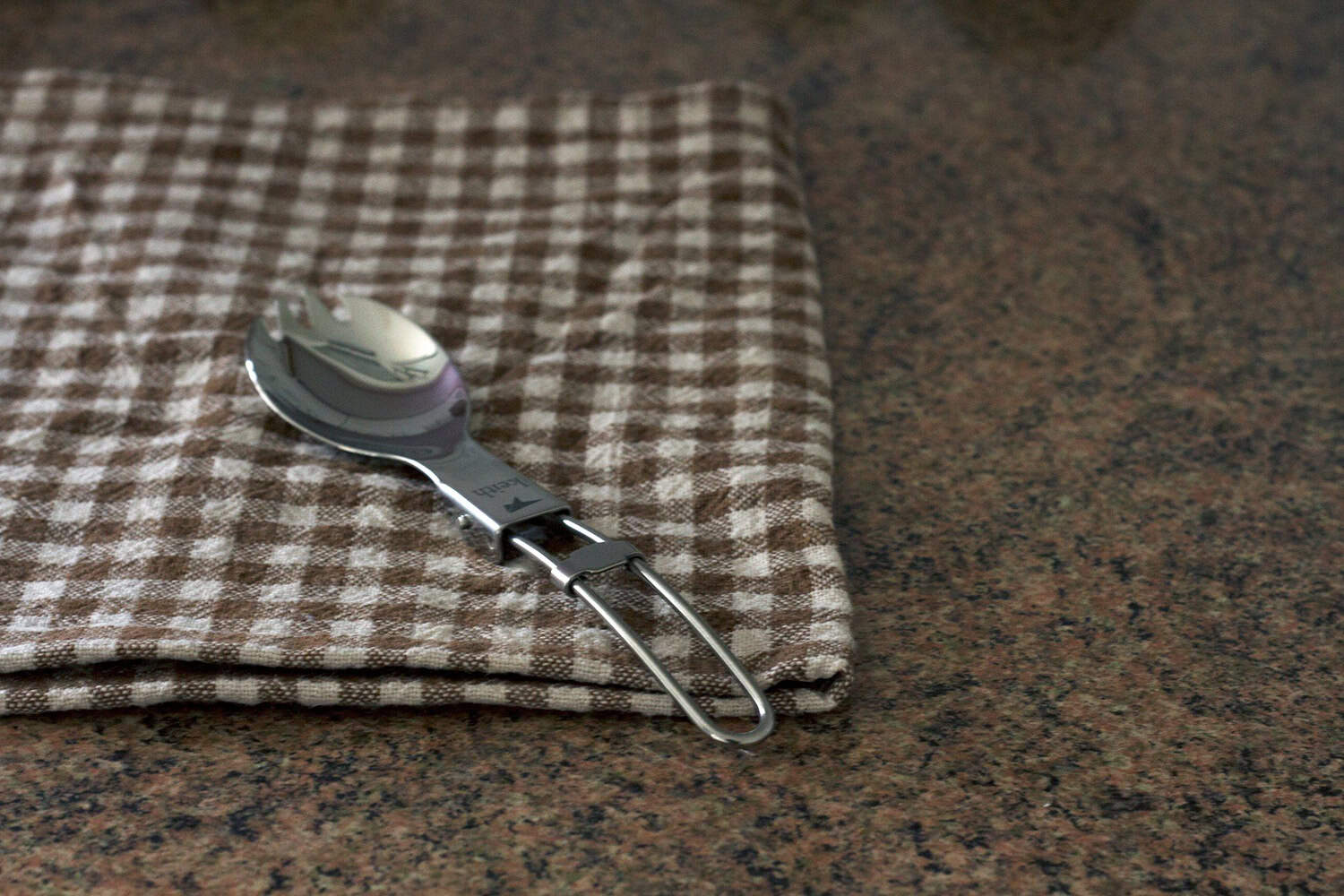
I've found a spork to be a valuable item to take when traveling, particularly if I bring a carry-on bag through airport security.

(I have been questioned once, but they sent me on my way with a smile when they realized it was harmless!)

Also, when flying long haul, they will make an excellent addition to your zero waste travel kit.

If you eat massive amounts of Japanese takeaway like myself, it might be worth investing in a set of chopsticks as well.
produce less waste
Reusable napkin and an indispensable spork

2. Carry a Napkin or Handkerchief

Refuse the paper napkins you're offered when eating out and use your own to wipe food away instead.

Napkins can also be used instead of plastic and paper to wrap around food items such as sandwiches, subs, and hot dogs.

An alternative and far more handy resource is a hankie (or handkerchief), which had many uses back in the day, before the advent of disposable tissues.

Dapper gentlemen often used to carry them around to not only attend to nose issues but also wipe their hands clean from food (and offer them to any damsel in distress they may encounter throughout their day's activities).

I'm pretty mad about TSHU's handkerchiefs, which are pretty and practical. They even have one that's made out of organic cotton.

3. Use Your Own Containers and Bags

When you're ordering out, your food will often be presented to you in single-use containers that you'll discard shortly after eating.

If you know you're going to be eating on the go, you can pre-empt this by bringing along a reusable container or a sandwich bag.

When ordering, hand your container to the staff and ask them if they can put your food in it, rather than their own packaging. In most cases, I found people to be more than happy and willing to oblige.

4. Provide Your Own Cup

Big coffee drinker? I don't drink the stuff myself, but I've seen friends go through up to four cups of day, using a disposable cup each time they make an order.

If you're a big coffee (or tea!) drinker, consider bringing your own cup along with you the next time you get a beverage on the go.

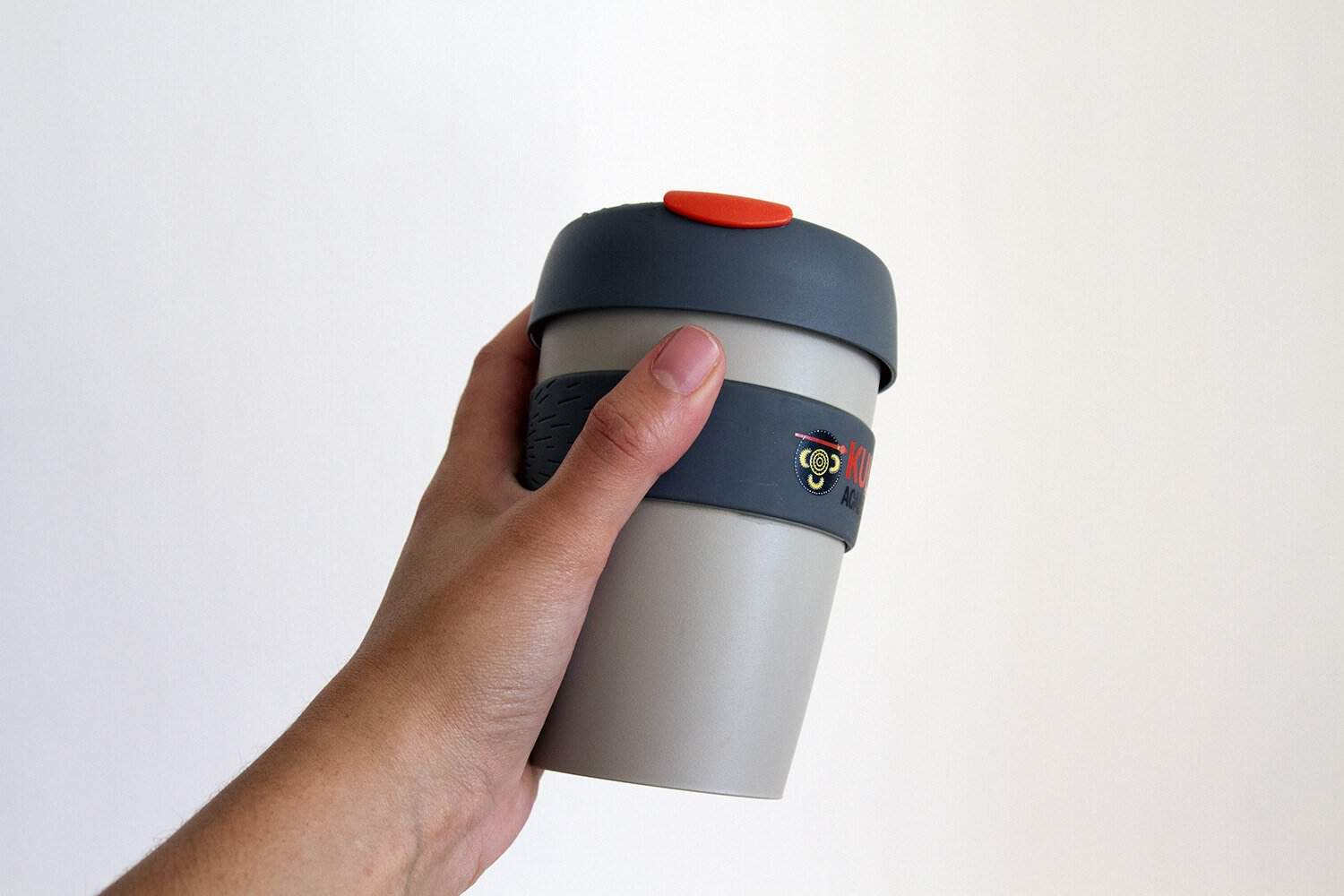
Find a secondhand mason jar that you can adapt with a few tweaks, or invest in a reusable coffee cup of your own.

I use KeepCup, an Australian brand, and I think it's good to support local companies.

However, there are plenty of other options out there, which can probably be found in your local coffee or tea shop.

Along with hot beverages, use your cup for juices, smoothies, or even instead of plastic cups on public transport.
Keepcup
My beloved KeepCup.

5. Be Imaginative with Your Leftovers

If you're out eating and find yourself in the position where you're rapidly filling up, don't just abandon the food left on your plate.

Consumers across industrialized countries waste 220 million tons of food a year.

One way to combat this is to order smaller portions - a cup instead of a bowl of soup or a main without a starter.

If you find you can't finish all that is set down in front of you, ask for a doggy bag, and don't be afraid to bring your own container to ask restaurant staff to fill for you.

An equally effective way of getting rid of food waste is to compost it.

If you're lucky enough to have a backyard, consider investing in an outdoor compost bin - you'll be astounded by the list of items you can put in it.

Live in an apartment? No worries. Worm farms are pretty easy to put together, shouldn't release any offending odors, and can be kept on a shelf or under the kitchen sink.

If you're traveling or not keen on the idea of having a compost bin in your abode, never fear. Lots of cities have their own composting programs.

Community gardens are also a good option for depositing food waste, as many boast worm farms or compost bins.

These are just a few of the methods you can undertake to begin to produce less waste when traveling.

All it takes is some forward-thinking, preparation, and a little research to start doing your bit to help out the environment.


Related Stories

  • The Faraglioni rocks in Capri, Italy (photo by Sofia).
    Savoring Capri's Culinary Crown: A Journey Through Le Monzù's Michelin-Starred Delights
  • Steak frites (photo by Tim Toomey, Unsplash).
    Oui Chef! Sydney's French Dining Hotspots
  • Bouillabaisse (photo: Henry Perks).
    A Foodie’s Guide To Marseille, France
  • Kate's Real Food
    Kate's Real Food Recipes: Delicious, Whole-Food Energy Bars
41 shares
  • Share
  • Email

About LC Hunter

LC is an ex-expat who is currently re-exploring her home country of Australia. Follow her adventures at home and abroad via her blog Birdgehls, where she writes about travel, expat life, gushes on about various animals and bemoans her often futile attempts to go completely green. Or, you can look her up on Facebook.

Dave at Ahu Ko Te Riku on Rapa Nui (Easter Island), Chile.

Hi, I'm Dave

Editor in Chief

I've been writing about adventure travel on Go Backpacking since 2007. I've visited 68 countries.

Read more about Dave.

Footer

back to top

About

  • About
  • Archive
  • Privacy Policy
  • Cookie Policy

Follow Us

Contact

  • Contact
  • Work With Us
  • Submissions

Copyright © 2025 Go Backpacking

41 shares
  • 41