
Walking into the kitchen of Gudeg Yu Djum, a famous restaurant in Yogyakarta, was a walk back in time. The heat from the flames was almost unbearable, the lack of air circulation stifling.
A surprisingly tall, young, shirtless man in flip-flops entered the room. Male or female, it was hard not to notice his abs, covered in sweat and seemingly carved from stone.
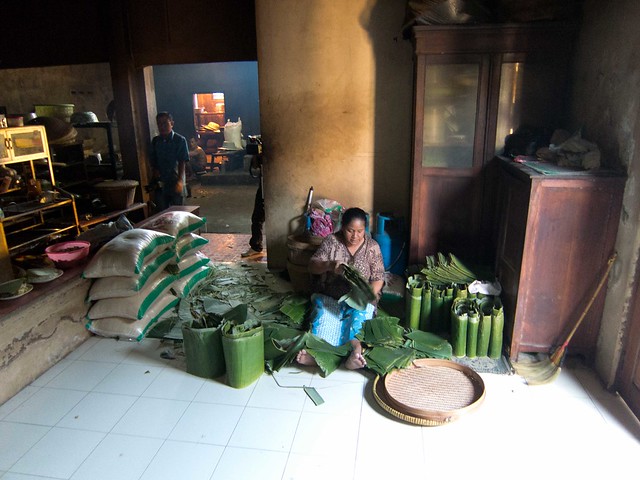
He deposited a shovel full of red-hot coals underneath one of the many large cooking pots without a word and left the room again.
Known for producing gudeg, a local delicacy of young jack fruit mixed with coconut milk, palm sugar, and spices, Gudeg Yu Djum had established itself as one of the top restaurants in Yogyakarta for the dish.
Gudeg, produced 24 hours a day, seven days a week in the location we were visiting, is then shipped to additional restaurants throughout Yogyakarta.
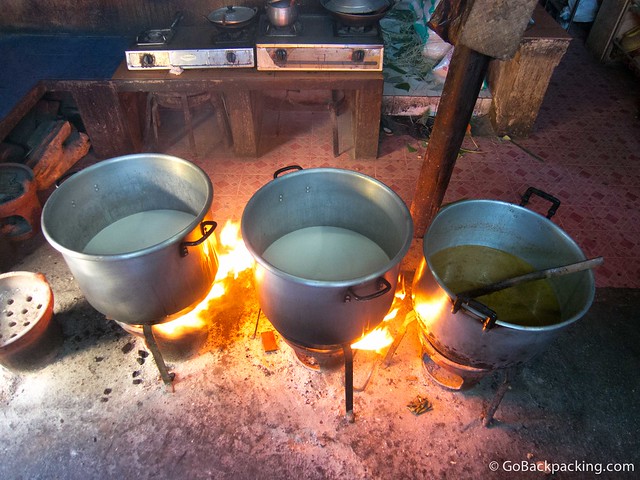
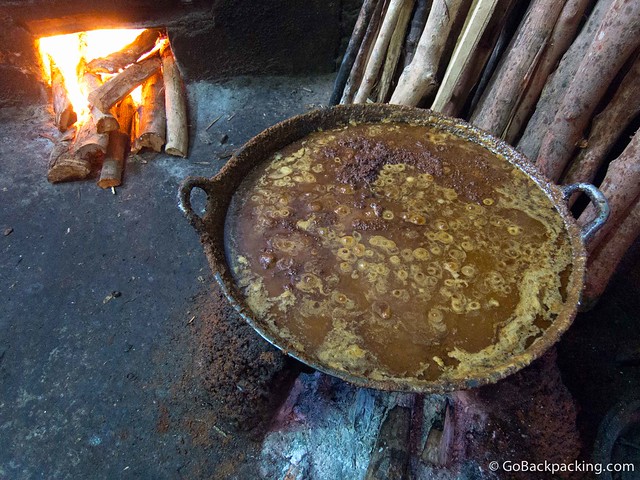
When I signed up for a food tour, I expected we'd visit a local market, photograph some vegetables, and maybe stop by a few shops.
Standing amid a working Indonesian kitchen, wearing flip-flops myself, as hot coals were being shoveled and large cuts of wood were used to keep the fires going, wasn't even within my realm of previous experience.
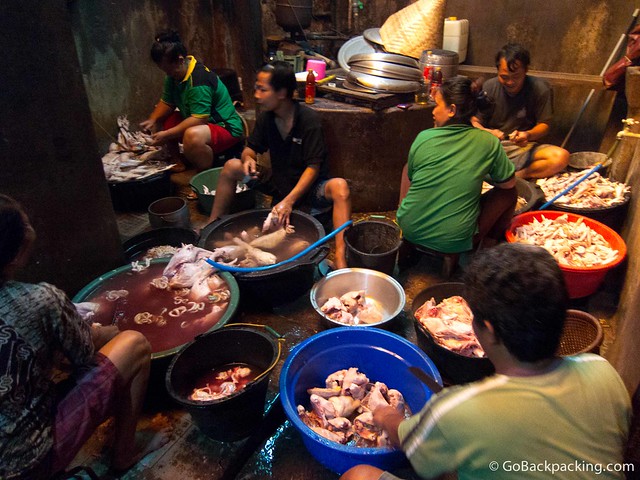
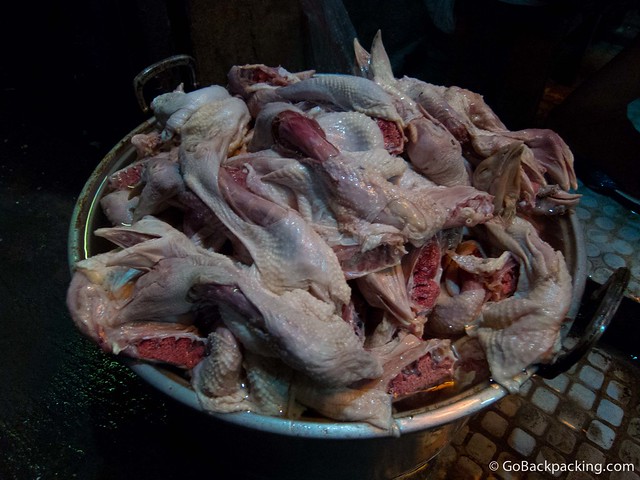
The whole scene, unfolding before me, was raw and fascinating. In the largest room, various pots and cauldrons were used to boil and prepare the coconut milk and spices.
Meanwhile, in a smaller side room, no less than six people sat in front of plastic buckets, dismembering chickens with casual efficiency.
The air was thick and heavy, and there was little spare room to stand and observe.
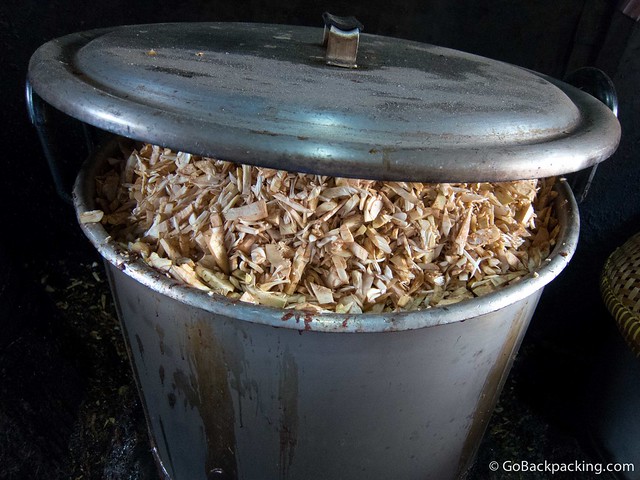
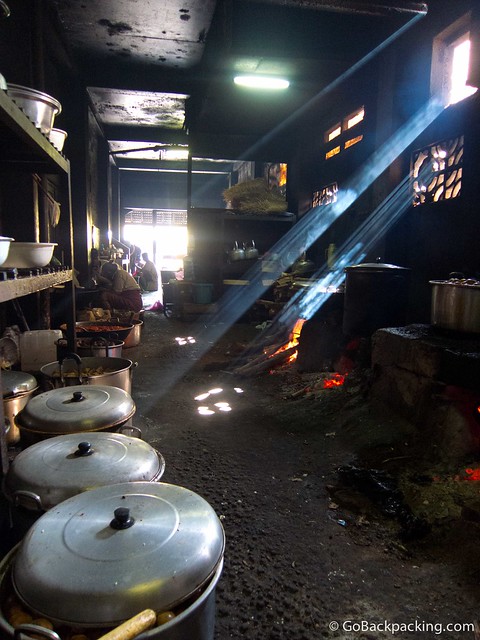
On the other side of the chicken room was a rectangular room with beams of sunlight streaming through. This room captivated me even more so than the others.
As I repositioned myself to take photos, I could feel the heat from the open flames against my back.
I tried to picture myself in the position of those working in the kitchen daily, producing the best gudeg in Yogyakarta, if not all of Indonesia.
Surely, they felt a sense of pride working there, but you wouldn't know it just from watching.
The rectangular room was incredibly smokey and seemed to be the central kitchen, where most of the cooking was done.
When I noticed the others in my group were no longer around me and I was the only one still taking photos, I retreated to the front dining room.
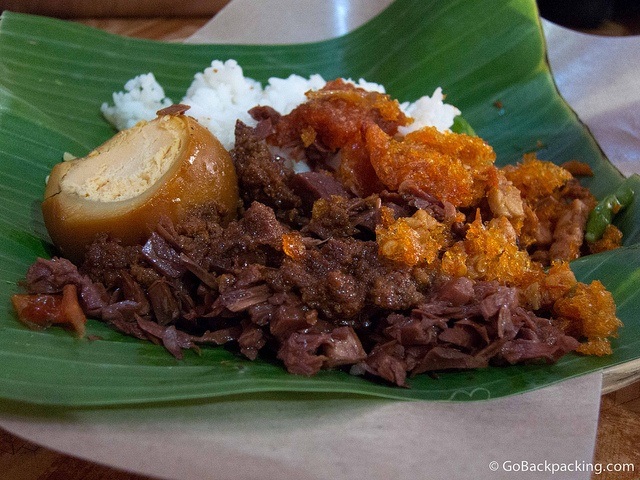
On the table, there was a green banana leaf with a fresh serving of gudeg, along with the regular accompaniments of white rice (nasi) and a hard-boiled egg (telur). Also, there were golden bits of beef skin (krecek).
After watching the hard work that goes into the production of this local favorite, I was anxious to try it for myself. It was sweeter than I expected, with lots of flavor. Instantly, I understood its popularity.
What You Need to Know
- How Much: 8,000 Rupiah ($0.83) buys you a serving of Nasi Gudeg Telur
- Address: Jl. Wijilan 31 | Kraton and Jalan Kaliurang km 4.5, Karangasem CT III/22, Yogyakarta, Indonesia
- Hours: 6 AM to 10 PM daily
_____
Note: My visit to Indonesia was in conjunction with a blog trip hosted by the Ministry of Tourism and Creative Economy.

Dave is the Founder and Editor in Chief of Go Backpacking and Feastio. He's been to 66 countries and lived in Colombia and Peru. Read the full story of how he became a travel blogger.
Planning a trip? Go Backpacking recommends:
- G Adventures for small group tours.
- Hostelworld for booking hostels.

Tutut
Tuesday 20th of October 2015
Nasi gudeg telur and krecek is my favorite food. Yummy...
Fajar
Monday 19th of November 2012
It's always good to see foreigner enjoying my hometown. Just info for you guys, actually there are two mainstreams of Gudeg: the Jogja type which is sweet and the Solo (sold in Solo city, an hour drive from Jogja) which is salty. And also in Bantul, a regency in Yogyakarta Province, there is a delicacy called Gudeg Manggar, which is a type of gudeg made from Manggar (the flower of coconut tree, which also worth a try.
Noah
Friday 16th of November 2012
Great before and after shots. Though the latter is much more appetizing.
Philip
Thursday 15th of November 2012
How fun Dave! I loved the food in Yogya too. My last night there my driver and his wife took me out to their favorite local restaurant for awesome Crispy Duck. Also discovered Rabbit Sate that is a street food specialty. Yum yuym yum!!!
Dave
Friday 16th of November 2012
I missed the rabbit sate, but after the gudeg, we went to a place known for its lamb satay, which was pretty good. Chicken is still my favorite though, and we got plenty of it throughout the trip.
Mark Wiens
Wednesday 14th of November 2012
Awesome food story Dave, I can just about smell those humid and flavorful aromas revolving around that sauna of a kitchen. The finished product looks delicious!
Dave
Wednesday 14th of November 2012
Thanks Mark. I know you visited Yogya too. Do you remember trying gudeg?