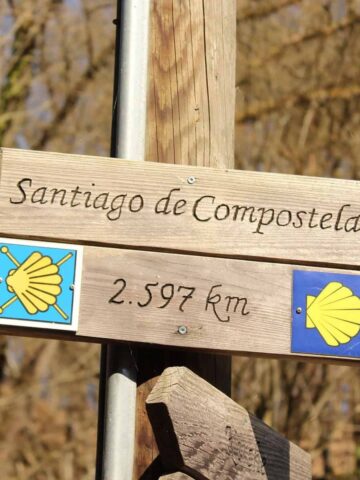
The Camino Inglés, or the English Way, may be one of the lesser-travelled paths to Santiago de Compostela, but it's also one that provides an especially intimate view of Galicia's living traditions.
Historically used by pilgrims arriving by sea from Britain and Scandinavia, the route starts in either Ferrol or A Coruña and winds through coastal towns, rural villages, medieval markets, and other sacred sites.
A Route Shaped by Local Culture
The English Way is known as a Camino cultural journey for a reason - this trail passes through places where the past remains very much a part of the present.
In Ferrol, once a major port, the shipyards and historic quarters reflect centuries of Atlantic trade. Further inland, towns such as Pontedeume and Betanzos reveal a more rural side of Galicia, with medieval stone houses and arcaded squares still standing proud today.
It's not just the buildings that survived the test of time, though. The traditional customs are living and breathing in everyday Galician life, from local artisans preserving authentic crafts passed down across generations to neighbours still greeting passing walkers with a neighborly nod.
One of the best ways to experience the traditions, however, is to visit during local festivities, such as the Festival Folclórico Internacional in Pontedeume or the Festas de María Pita in A Coruña.
Sacred Sites and the Pilgrimage Legacy
Rich heritage lies at the heart of the Camino Inglés. Small Romanesque churches, roadside chapels, medieval bridges, and ancient forests will greet you all along the way.
But, you'll also visit a few standout sacred sites, such as the San Felipe Castle in Ferrol, the Tower of Hercules and the Church of San Paio de Buscás in A Coruña, the Andrade Tower and Fragas do Eume in Pontedeume, the Historic-Artistic Complex of Betanzos and more.
The finishing point, Santiago de Compostela, is where the pilgrimage legacy comes together as you reach the iconic shrine of Saint James.
As part of the wider Camino de Santiago network, recognised as a UNESCO World Heritage Site, the English Way has shared cultural importance since the Middle Ages.
The Flavors of the Camino Inglés
If local cuisine is one of the ways you like to experience the destination, Camino Inglés will certainly not disappoint.
Galicia's cooking is simple yet rooted in high-quality produce, with foods that are both photogenic and deeply comforting. Seafood, in particular, is a common find here, with much of the route situated near the coast.
A few must-try dishes for seafood lovers include pulpo á feira (octopus served with olive oil and paprika), mejillones en escabeche (classic steamed mussels in a vinegar sauce), zamburiñas (scallops with garlic and ham), and mariscada (a large seafood platter to share).
Other popular local dishes are lacón con grelos, a cured pork shoulder; caldo gallego, a green soup with beans and potatoes; pimientos de padrón, small green peppers; and cocido gallego, a hearty stew with meats and chickpeas.
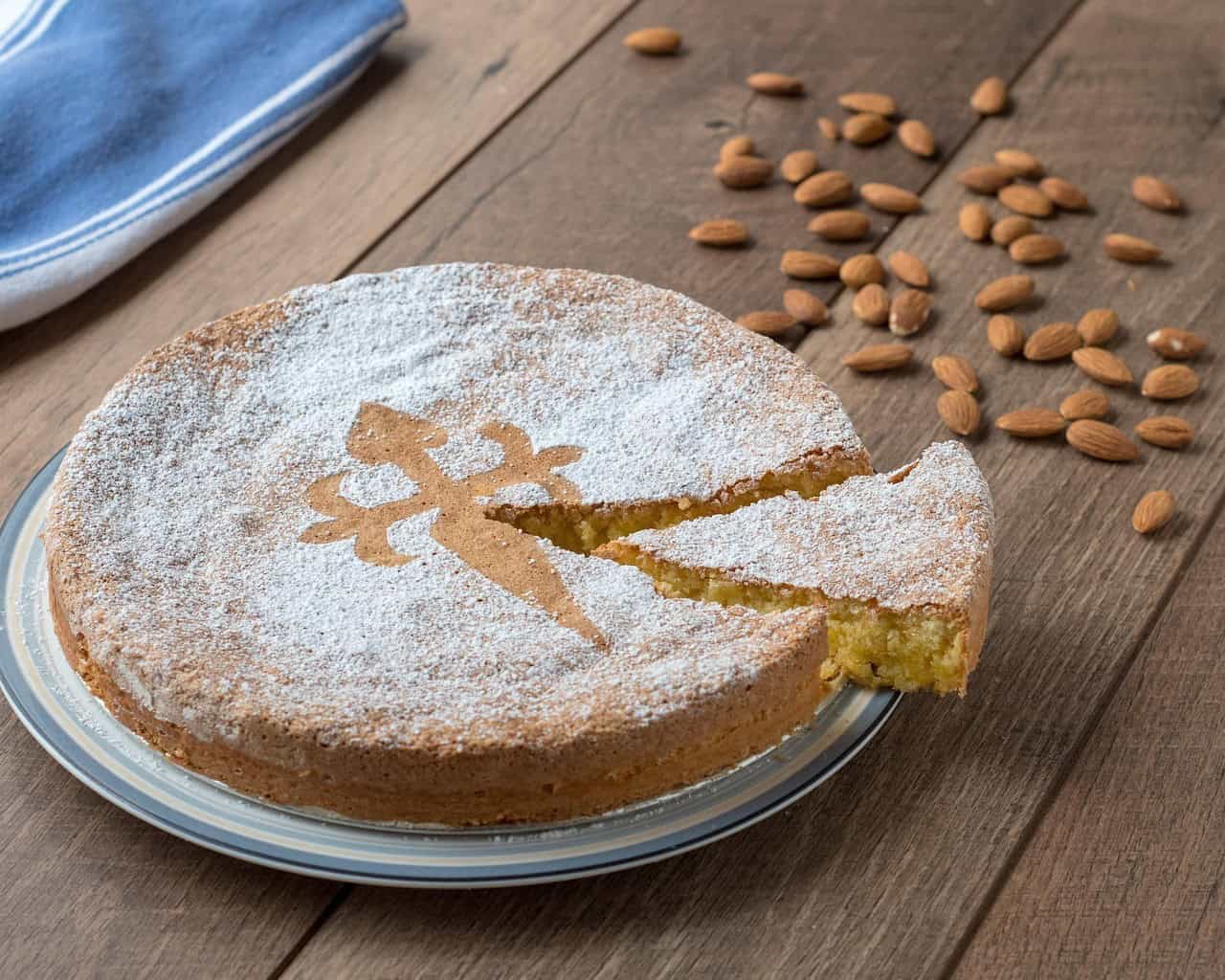
Those with a sweet tooth should not skip a sample of filloas, thin pancakes usually served with honey and cream, melindres, small doughnuts dusted in powdered sugar, larpeira, a sweet bread filled with pastry cream, and, of course, tarta de Santiago, the infamous almond cake marked with the cross of Saint James.
A Meaningful Journey
The Camino Inglés is one of Europe's most meaningful cultural journeys. From its traditions and cuisine to its sacred sites, the trail presents a full immersion in the authentic Galician experience.
_____
This story is published in partnership with Viajes Camino de Santiago.