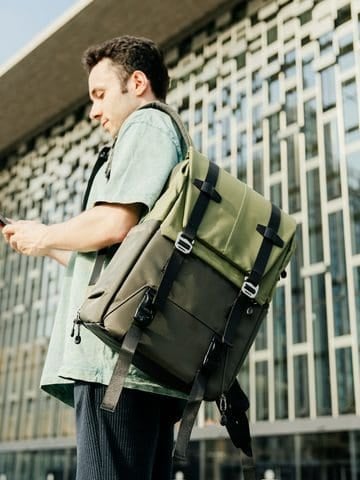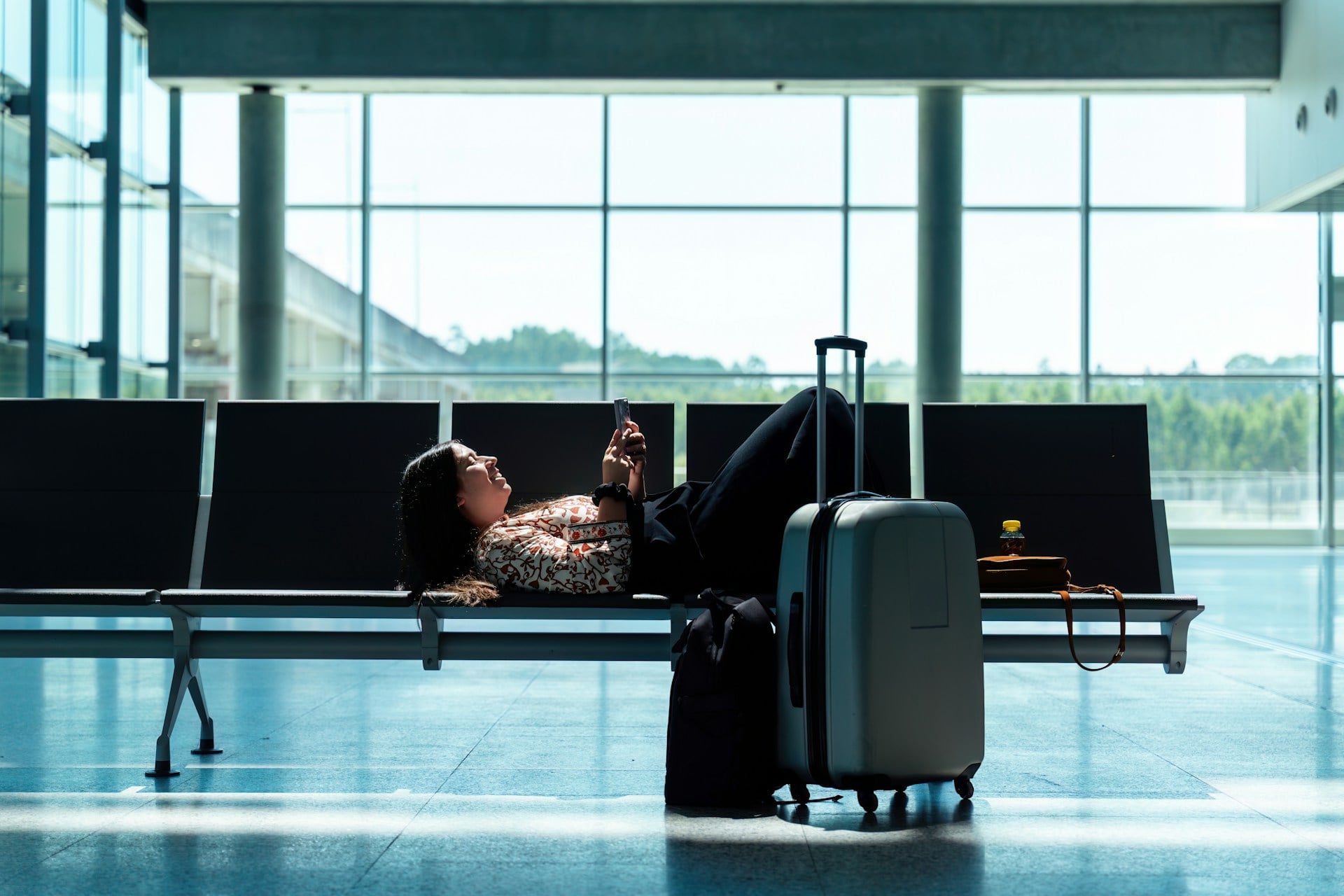
After months or years of carrying your life in a backpack, coming home after long-term travel can feel strange. You recognize the streets. Your favorite snacks are back on the supermarket shelves. Yet the life you left behind may no longer feel like the life you want to return to.

Sometimes the answer isn't to force yourself back into the old routine. It is to take what travel taught you and build something new around it. That might mean a different neighborhood. It might mean another state. Or it might mean making a complete fresh start in a new city.
The bigger question is how to make that transition without turning your homecoming into a source of stress. Coming home doesn't have to mean going back to exactly where you started.
Give Yourself Time to Feel Back Home
The strange thing about returning home after traveling abroad is that everything can look familiar while feeling slightly different.
You have changed. Your routines changed. Maybe you've become comfortable living with fewer things, walking everywhere, meeting new people regularly, or not knowing where you'll be next month.
Then suddenly you're surrounded by familiar expectations again. That disconnect is described as reverse culture shock. You may miss the constant novelty of travel, feel restless staying in one place, or find that conversations don't hold your attention in quite the same way.
Some travelers describe a low period after a major trip as post-travel depression. Whatever label fits your experience, avoid making major decisions during your first week back, when you're still exhausted.
Give yourself room to land. Sleep well. See people you missed. Unpack. Take walks. Revisit places you enjoyed. Then ask whether your old city still fits the person who came home.
Don't Automatically Return to Your Old Life
There is a difference between going home and going backward. Long-term travel gives you an unusual chance to notice what actually matters to you in a place.
Maybe you discovered you prefer walking to driving. Perhaps living near mountains matters more now than having a large apartment. Before moving to a new city, think about the everyday life you want there, not just whether the city looks exciting on Instagram.
A simple comparison can help:
| Ask Yourself | What To Look At |
| Can I afford normal life here? | Rent, groceries, utilities, taxes, and transportation |
| Can I live without driving everywhere? | Walkability, cycling, and public transit |
| Will I still be able to travel easily? | Airport access, train connections, and flight options |
| Can I build a social life? | Clubs, coworking spaces, sports, classes and community events |
| Does the city fit my lifestyle? | Weather, outdoor activities, nightlife and pace of life |
| Can I work there comfortably? | Local jobs, remote-work setup and internet access |
Don't choose only from a "best cities" list. A place that works beautifully for someone else may make no sense for you.
Test the City Before You Commit
Travelers already know how different a place can feel after a few days on the ground. Use that skill.
If possible, spend one or two weeks in the city before signing a long lease. Stay in a residential neighborhood, not the tourist center. Buy groceries. Use public transportation during rush hour. Work a normal day if you're remote.
Try to experience Tuesday morning, not just Saturday night. If you're moving to a new city alone, this trial period matters more. Ask whether you can imagine building routines and relationships once the excitement wears off.
You can also visit several neighborhoods. The right part of town can completely change how you experience a city.
Decide What From Your Old Life Is Worth Bringing
One of the stranger parts of adjusting after long-term travel is meeting your possessions again.
After living out of one suitcase or backpack, opening a storage unit full of furniture, kitchen gadgets, old clothes, and boxes can be a shock. Don't assume everything must follow you.
Sort belongings into four groups:
- Things you genuinely use or value
- Sentimental items worth keeping
- Items that are cheaper to replace than transport
- Things you can sell, donate, recycle, or give away
For example, moving an old desk hundreds of miles may cost more than buying another after you arrive. Your photographs, artwork, favorite books, or hard-to-replace equipment are different.
Build a Realistic Fresh-Start Budget
A new beginning costs more than the first month's rent. You may have a security deposit, utility setup, transportation, temporary accommodation, moving expenses, furniture, groceries, and other household items you didn't need while traveling.
Those costs deserve attention because housing and transportation consume a large share of household budgets. According to the U.S. Bureau of Labor Statistics, American households spent an average of $26,266 on housing and $13,318 on transportation in 2024. Together, these categories accounted for just over half of average household spending.
Before committing to the move, build a budget around three buckets:
- Arrival costs: deposit, first month's rent, travel to the destination, and utility setup.
- Moving costs: transportation for your belongings, packing, storage, and any additional services.
- First-month costs: groceries, local transportation, household basics, and a financial buffer for surprises.
If you're trying to understand the cost of moving to another state, a moving cost calculator can give you an early estimate. Treat that number as a starting point, not a final quote.
Plan the Long-Distance Move Before Booking Anything
Once you've chosen your city, the practical questions arrive quickly.
Are your belongings still at your parents' house? In storage? Spread across several places? Do you need everything immediately, or can some items stay stored for another month?
Start by making an inventory. The less you move, the easier it becomes to compare realistic quotes.
Then research companies that could handle the trip. The best long distance moving companies can help narrow the field, but don't stop at rankings or reviews. Verify the company yourself.
The Federal Motor Carrier Safety Administration says interstate household-goods movers must have a U.S. DOT number and be registered with FMCSA.
Resources such as My Good Movers can help organize your initial research, while FMCSA's database lets you verify the carrier's federal registration directly. Pay attention to more than the lowest number.
Ask about:
- Estimated pickup and delivery windows;
- Storage options if your apartment is not ready;
- What is included in the written estimate;
- Charges for stairs, long carries, packing, or difficult access;
- Liability coverage for damaged or missing belongings.
Arrive With Less Pressure on Day One
You've probably landed in unfamiliar countries without knowing where the nearest supermarket was. Use that flexibility now. You don't need to create a perfect home during your first weekend. Pack one bag or box as if you're taking another short trip.
Keep essentials with you rather than putting them on the moving truck:
- Several days of clothes
- Medication
- Toiletries
- Chargers and work equipment
- Important documents
- Basic bedding
- A few kitchen essentials
If your shipment arrives late, you can still function. It also gives you time to learn your new space before buying things just because the rooms look empty.
Explore Your New Home Like a Traveler
Once the boxes are inside, resist the urge to stop exploring. One of the best ways to settle into a new city is to approach it the way you would approach somewhere abroad.
Walk without a destination sometimes. Try the neighborhood café instead of ordering everything to your apartment. Visit a local market. Take a bus to an area you've never seen. Join a running club, language exchange, hiking group, cooking class, or anything else that gets you around people regularly.
Set yourself small "travel days" too. Pick a neighborhood each weekend and explore it properly.
The city will start to feel like home through repetition: the barista who recognizes you, the park route you no longer need a map for, the grocery store aisle you can find without thinking.
Keep Part of Your Traveling Life
Settling somewhere does not erase the person you became on the road. Keep cooking dishes you discovered abroad. Continue practicing languages. Stay in touch with people you met. Take weekend trips. Keep a travel fund, even if it grows slowly.
Most importantly, don't treat choosing a home base as the end of adventure. After months of movement, having your own kitchen, your own keys, and the same bed for more than three nights can feel surprisingly good. And if you eventually get restless again? You already know how to pack.
FAQs
Why does coming home after long-term travel feel so strange?
Because you're coming back to a familiar place as a slightly different person. Your routine, priorities, and even the way you see everyday life have changed, which is why home sometimes doesn't feel the same right away.
How long does it take to feel normal after long-term travel?
It depends on the person and how long you were away. Some people settle back in within a few weeks, while others need a few months to rebuild a routine and feel comfortable being in one place again.
Should I move to a new city after coming home from long-term travel?
If your old city no longer fits the lifestyle you want, consider starting somewhere new. Spend some time there first and look at things like rent, jobs, transportation, social life, and whether you actually enjoy everyday life there.
How do I start over in a new city if I don't know anyone?
Start small. Get to know your neighborhood, join local groups, take classes, work from shared spaces, or go to regular community events. Seeing the same people often is usually how real connections start.
What should I do first after returning home from traveling abroad?
Give yourself a few days to settle in before making big decisions. Sort out your money, housing, work, and belongings first, then think about whether you want to return to your old routine or build a new one somewhere else.
This article was published in partnership with My Good Movers.