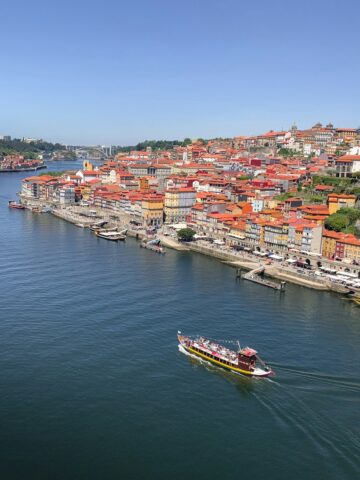
A quick trip to Portugal can deliver postcard views, tiled streets, and remarkable meals. Staying for several weeks offers something different: time to notice the rhythm behind the attractions.
You can spot familiar faces at the market and take a day trip without rushing, and living like a local means traveling more slowly, following local routines, and leaving room for ordinary experiences.

Choose a Base That Fits Your Trip
Lisbon and Porto are convenient starting points, especially for first-time visitors who want strong public transportation and many services. They are not the only choices.
Coimbra offers a compact historic center and a large student population, while Braga combines city life with easy access to northern Portugal.
Travelers looking for nature and outdoor activities without the largest tourist crowds can also consider Portugal's Minho region, including destinations such as Viana do Castelo and Ponte de Lima.
Coastal places such as Cascais and Ericeira suit travelers who want the ocean nearby, although prices and crowds can rise during the summer. Tavira provides a quieter Algarve base with rail connections to other towns along the region's eastern coast.
Before booking, look beyond the nightly rate. Check if the neighborhood has a supermarket, laundry, pharmacy, and reliable transportation within walking distance.
Confirm the kitchen and workspace if you plan to cook or work remotely. A cheaper place on the outskirts can lose appeal if every outing requires a long commute.
Portugal's accommodation landscape keeps developing in cities and regional destinations; the Mercan Group is among the companies involved in hospitality projects in the country.
Use Public Transportation-But Know Its Limits
Portugal is relatively easy to explore without driving, especially along the Lisbon-Coimbra-Porto corridor. Comboios de Portugal, or CP, operates urban, regional, Intercidades, and Alfa Pendular trains.
Long-distance buses fill gaps in the rail network. Lisbon and Porto have their own metro, bus, tram, and suburban rail services.
For a longer stay, compare single fares with local rechargeable cards or monthly passes. The best option depends on the city and zones you cross.
Check current rules rather than relying on advice for another destination. Buy popular intercity journeys in advance when schedules matter, especially around holidays and summer weekends.
A car can be useful for rural villages, hiking trails, beaches, and parts of the interior where service is infrequent. Instead of renting one for the entire stay, consider combining public transportation with a short rental for a specific road trip. This can reduce costs while preserving flexibility.
Build a Budget Around Everyday Life
The habits that make a long stay enjoyable can also make it more affordable. Shop at a neighborhood market or supermarket, cook some meals, and look for a prato do dia-a daily special-at small restaurants.
Standing at the counter for an espresso is often cheaper than sitting in a tourist-facing café in a famous square. The goal is not to avoid every popular place but to balance special experiences with regular days.
Groceries: Choose markets and supermarkets near your accommodation instead of relying on convenience shops near attractions.
Dining: Balance restaurants in major visitor zones with tascas and neighborhood restaurants serving a prato do dia.
Coffee: Try local pastelarias for a bica and something from the pastry case, rather than treating every coffee as a destination experience.
Create a Routine Without Closing Yourself Off
A temporary routine helps a new place feel manageable. Choose a regular grocery store, café, walking route, or weekly market.
Learn a few useful phrases: bom dia (good morning), por favor (please), and obrigado or obrigada (thank you), depending on how the speaker identifies. Even when a conversation goes on in English, beginning politely with Portuguese shows respect.
At the same time, avoid confusing routine with isolation. Attend a neighborhood festival, visit a city market, or join a group connected to a genuine interest.
Be considerate in residential buildings and remember that homes, shops, and public spaces are part of someone else's everyday life-not scenery arranged for visitors.
Leave Space for Unplanned Portugal
Long stays become memorable in the gaps between headline attractions. Read in a public garden, watch the light change from a miradouro, or take a regional train to a town you might otherwise skip. Plan around the weather instead of forcing every excursion onto a fixed calendar.
Northern Portugal is particularly rewarding for spontaneous exploration, with adventure travel in the Minho region ranging from hiking and cycling to surfing and visits to lesser-known towns.
Slow travel also permits you to revisit places. Returning to the same viewpoint or restaurant can reveal more than rushing through another checklist. The strongest memories may come from learning how a neighborhood changes between Monday morning and Saturday evening.
Understand What "Staying Longer" Allows
Do not assume that a rental agreement or remote job automatically gives you permission to remain in Portugal. Entry and stay requirements depend on your nationality, the purpose of the visit, and the total time involved.
Check current information from the appropriate Portuguese authorities before booking a stay that approaches or exceeds your permitted period.
Travel insurance, access to healthcare, tax questions, and remote-work rules also deserve attention when a trip extends past a normal vacation.
Travel Slowly, Decide Carefully
Spending several weeks in Portugal can deepen a trip without requiring permanent plans. Choose a practical base, mix public transportation with occasional car rental, establish a respectful routine, and give yourself time to experience the country beyond its best-known sights.
For some travelers, that experience eventually leads to questions about employment, immigration, investment, or a more permanent move. Information about those longer-term possibilities is available through the Mercan Group of Companies. Whatever direction you take, use an extended stay to learn how daily life actually feels before making a major commitment.
This story was published in partnership with the Mercan Group.