What's the difference between the dive centers in Koh Tao, Thailand? They all seem the same.
With over 80 dive centers on one small island, Koh Tao is one of the most competitive and confusing places in the world to get certified.
In fact, every dive center in Koh Tao offers similar-looking courses, making it hard to tell what actually separates one from another.
A cheaper course might seem like a great deal, but you may end up in a larger group with less personal attention. Two dive centers can offer the same certification, but the quality of instruction, safety standards, and overall experience can differ greatly.
It can be difficult to choose a quality dive center absent prior experience. Here are the eight factors that actually separate one dive center from another.
8 Things to Consider When Choosing a Dive Center in Koh Tao
1. Start With the Course That Fits Your Goals
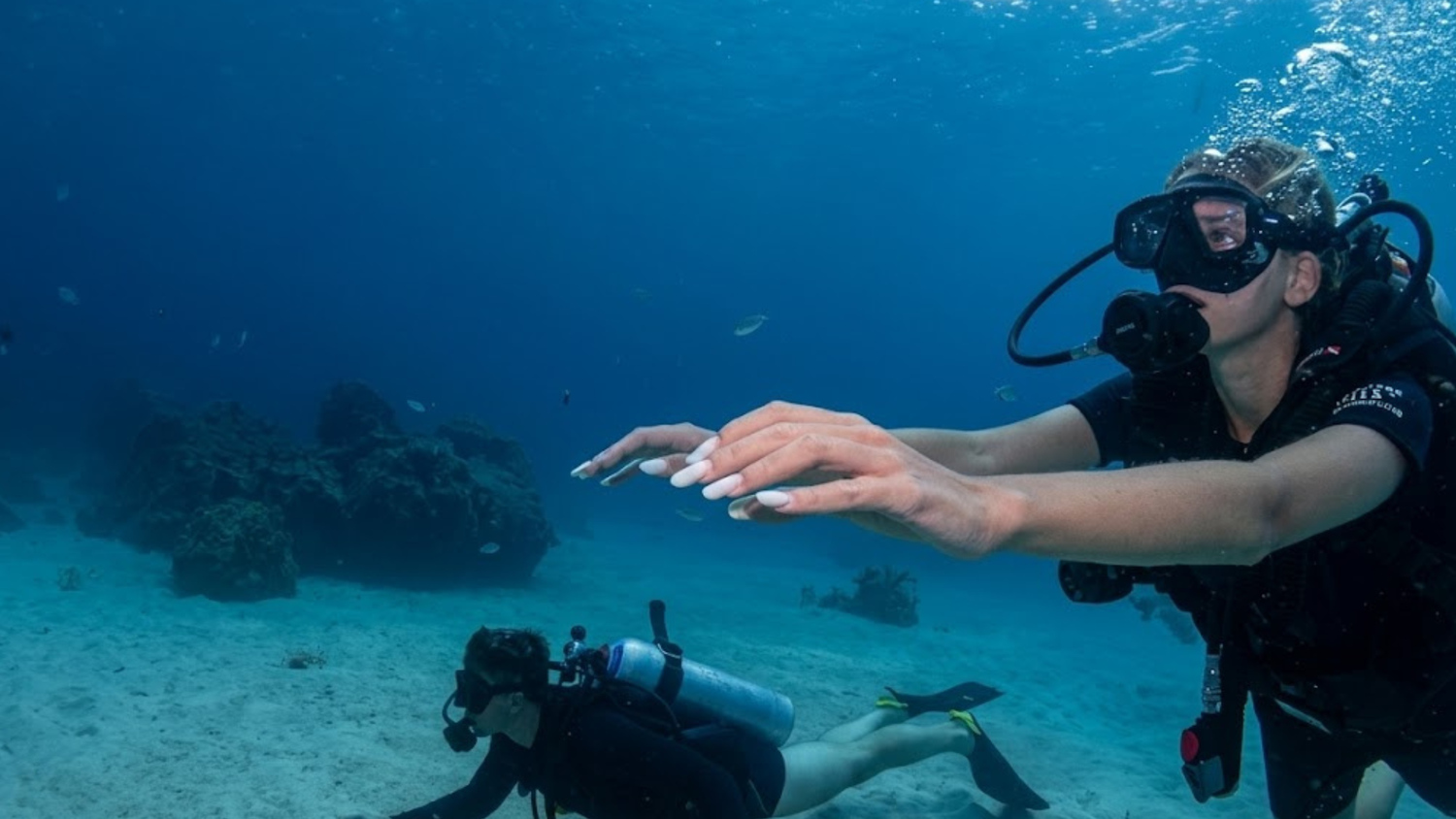
Koh Tao offers diving courses for every type of traveler. Before you choose a dive center, think about what you want to achieve underwater. Here are the types of courses that most dive centers offer.
Try Dive
Try Dive offers a beginner-friendly scuba experience. It does not require certification. This course is ideal if you are curious about scuba diving but aren't ready to commit to a certification course.
Open Water Course (4 days, No Experience Needed)
The RAID Open Water Course is an entry-level scuba certification that qualifies you to descend up to 18 meters. This course includes theory lessons, one pool session, and four ocean dives.
Advanced Explorer 30 Course
This course expands your diving skills and certifies you to 30 meters. It includes four day dives and one night dive with a focus on buoyancy, navigation, and deeper diving techniques.
Master Rescue Course (4 days)
Master Rescue Course requires you to have an Explorer or Advanced certification plus valid First Aid and Oxygen Administration certifications. This course develops rescue techniques, oxygen administration, and diver safety awareness.
Divemaster Course (Approximately 2 Months)
Divemaster course requires you to have First Aid, Oxygen Administration, and Rescue certifications. This course develops leadership skills through theory lessons, pool sessions, unlimited ocean diving, and real-life training assisting instructors.
Deep 40 and Nitrox specialty certifications are also required before completing the course if you do not already have them.
2. Don't Choose Based on Price Alone
A common story in Koh Tao is a diver books the cheapest course and ends up in a group of 8-10 with one instructor. The diver spends more time waiting than learning. By the time they realize the mistake, they have already paid.
Here is why you should not choose a dive center based on price alone:
- Some budget centers reduce the price of the course by taking more students per instructor.
- Scuba diving calls for patience and confidence. The right course includes proper guidance, explanations, and an instructor who supports you.
- Some low-cost options focus on completing the course quickly. A quality dive center makes sure you understand the skills before moving on.
3. Choose a Great Instructor First
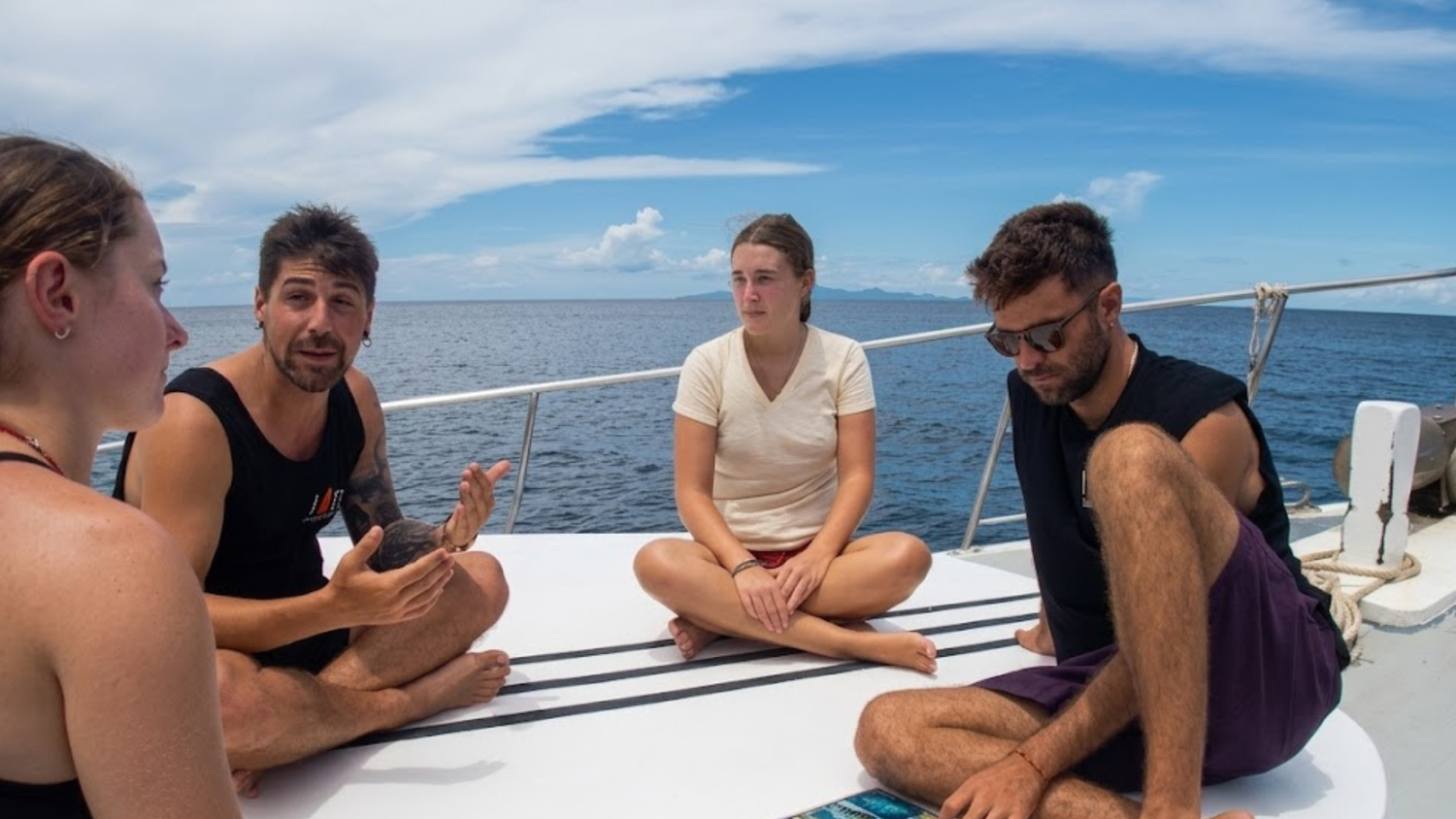
When choosing a quality dive center, consider the instructor's experience. A great instructor can impact your experience more than the certification agency or course price. Here is how to choose a great instructor.
Read Reviews About the Specific Instructors
When checking reviews, look out for:
- Patience and teaching style.
- Clear explanations.
- Making beginners feel comfortable.
- Professionalism and safety awareness.
Look for Experience and Qualifications
Consider:
- How long they have been teaching.
- Their diving experience.
- Their ability to teach beginners.
- Whether they are active and knowledgeable about local dive sites.
Choose Someone Who Makes You Comfortable
Many first-time divers feel nervous before going underwater.
Look for instructors who:
- Listen to your concerns.
- Answer your questions.
- Avoid rushing you.
- Help you build confidence step by step.
Ask Who Will Teach Your Course
Some dive centers advertise qualified instructors but assign you to someone else.
Before booking, ask:
- Who will be my instructor?
- How many students will they teach?
- Can I meet or speak with them before starting?
4. Ask About Student-to-Instructor Ratios
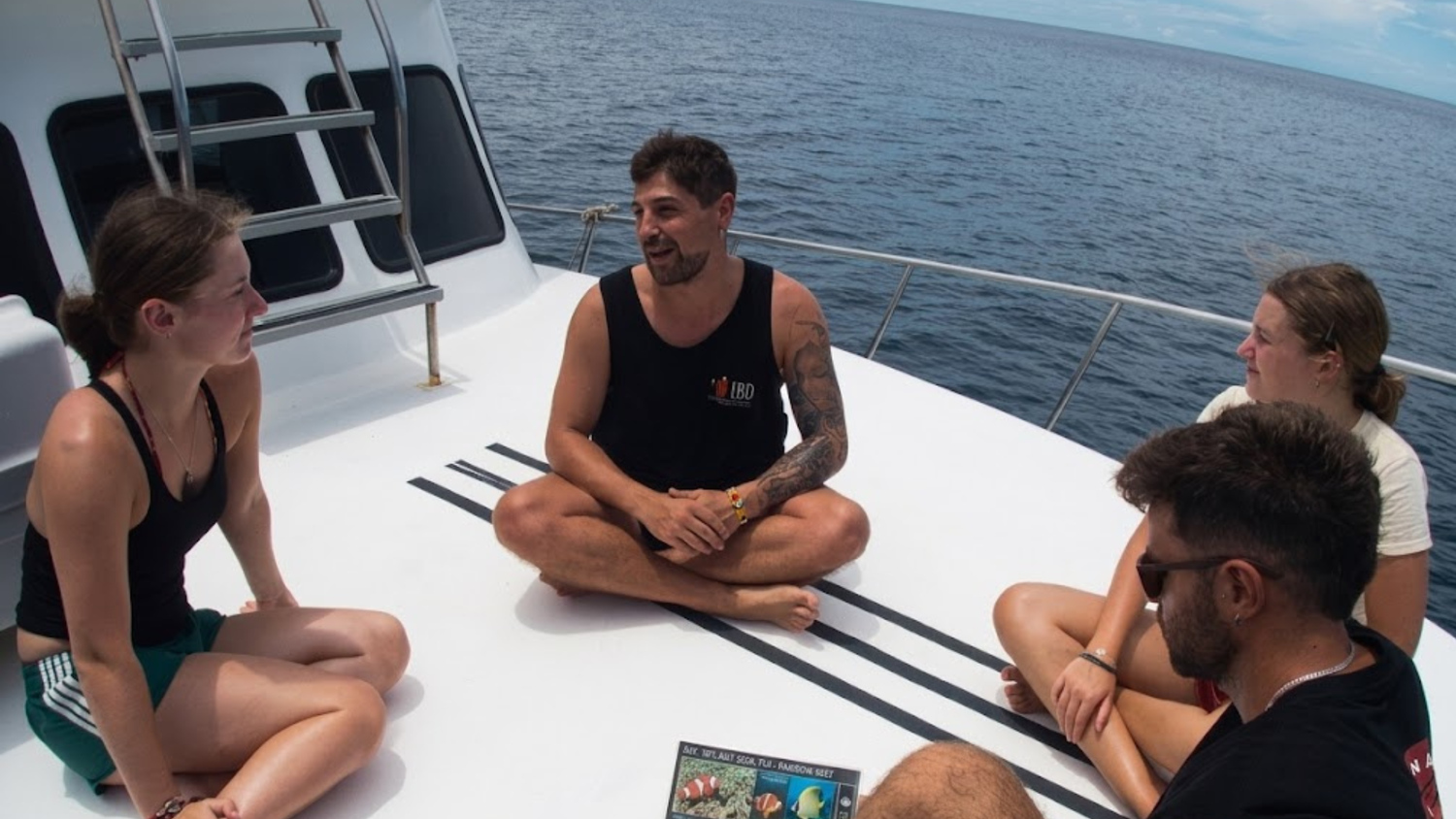
Group size affects your training more than most beginners realize. This is why:
- With fewer students, the instructor has more time to observe your skills, answer questions, and provide individual feedback.
- Smaller groups make it easier for instructors to slow down when needed and correct concerns before they become big problems.
Before booking, consider asking a few questions such as:
- How many students will be in my group?
- How many instructors will be teaching?
- Are groups smaller for beginners?
- Will the same instructor teach me throughout the course?
5. Check the Quality of the Equipment
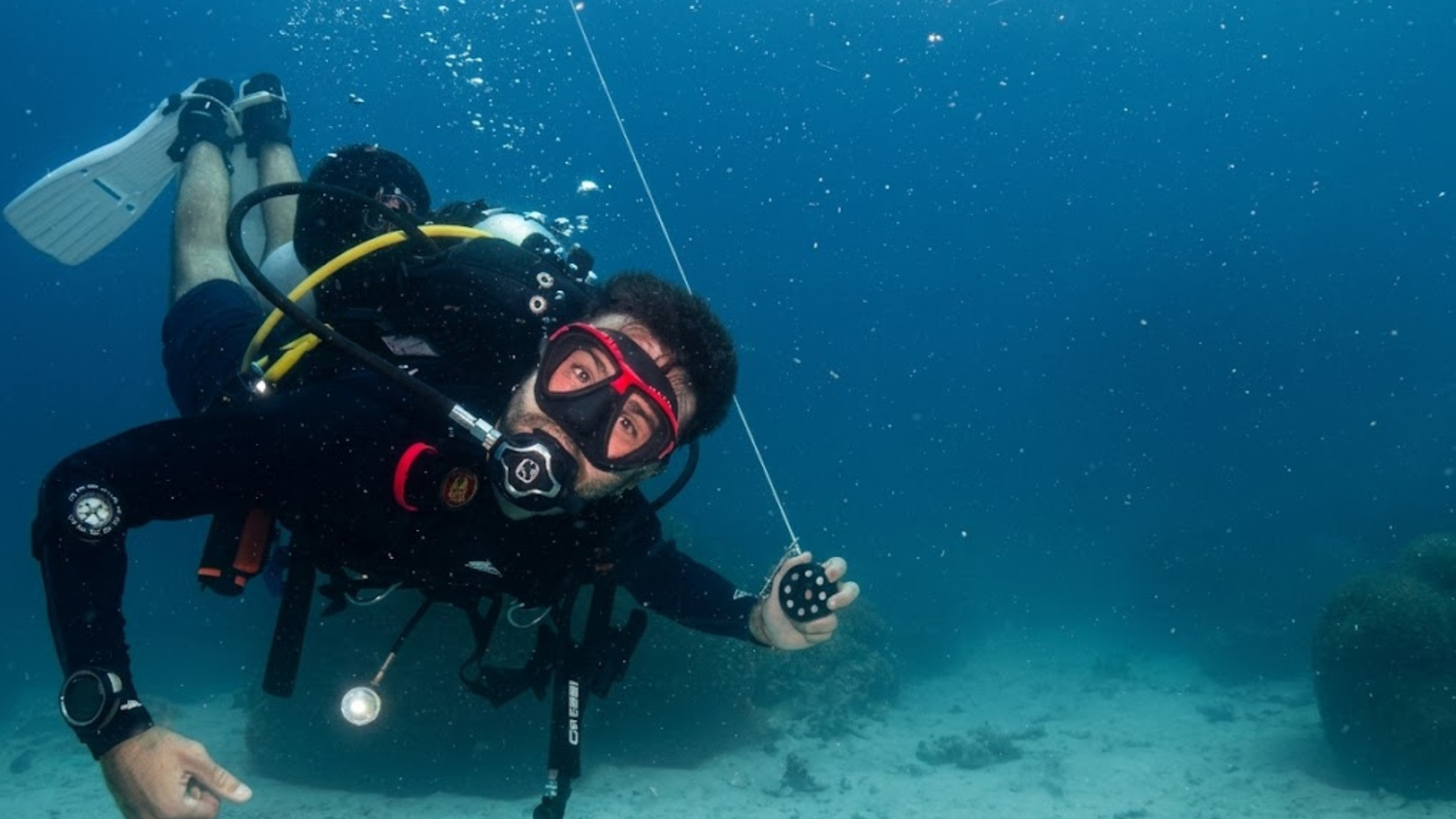
A reputable dive center should routinely inspect, service, and replace equipment. Here are things to consider:
Ask About How Often Equipment Is Serviced
Before booking, ask how frequently they inspect and service important gear like:
- Regulators
- BCDs (Buoyancy Control Devices)
- Dive computers
- Tanks
These pieces of gear reduce most problems underwater.
Check the Condition of Rental Gear
Before starting your course, take a look at:
- Masks that fit properly and do not show cracks.
- Regulators that are clean and well maintained.
- BCDs that inflate and deflate smoothly.
- Wetsuits that are free of excessive damage.
- Fins and straps that are in good condition.
Look for Clean and Organized Equipment Areas
A well-managed dive center keeps its gear storage clean and organized. Proper storage, drying, and maintenance show it takes care of its equipment.
6. Look for Strong Safety Standards
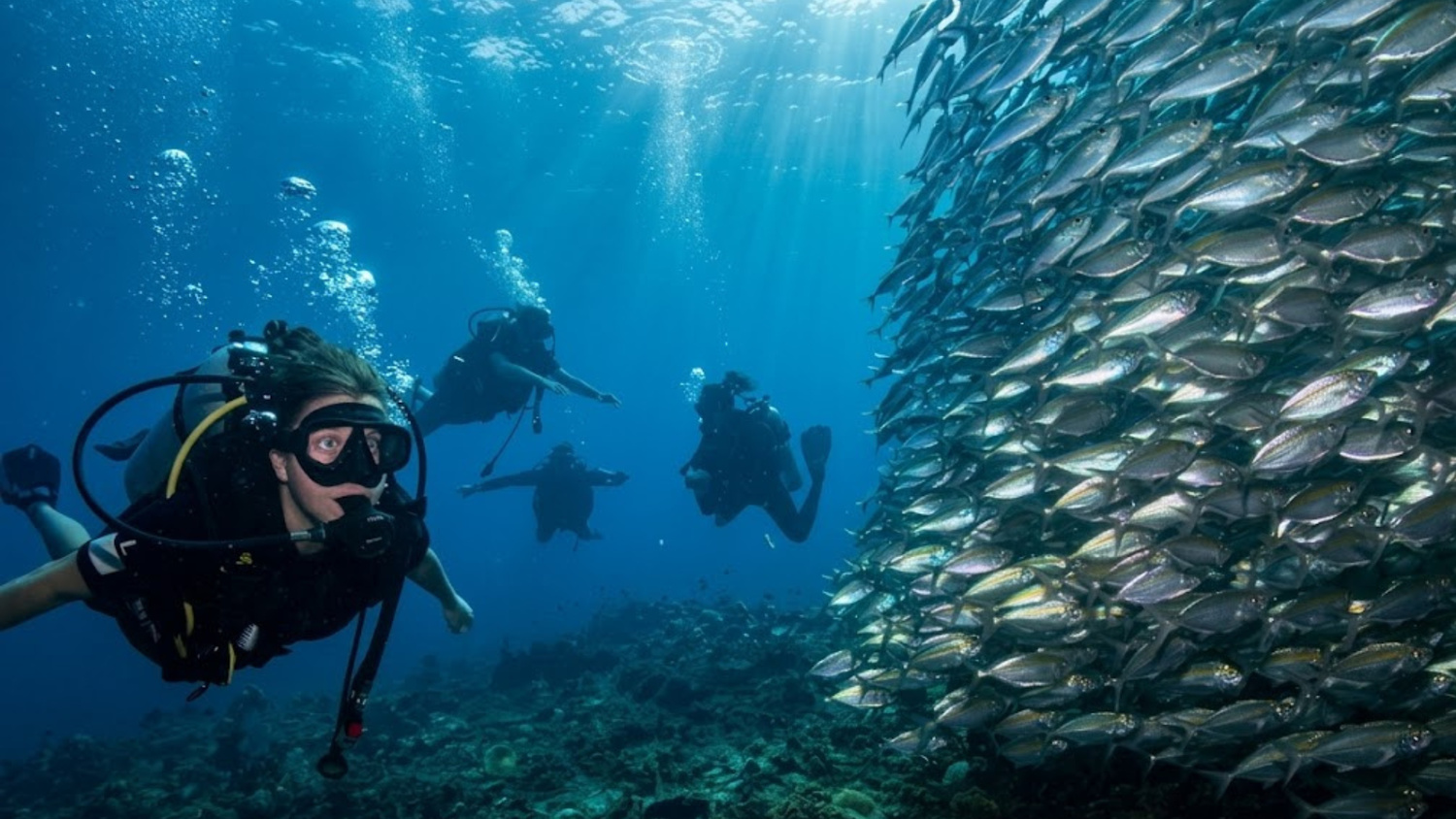
Safety should not be an afterthought. Here is what to look for:
They Explain Safety Procedures Clearly
Check things such as:
- How to use your equipment.
- Underwater communication signals.
- Emergency procedures.
- What to do if you feel uncomfortable during a dive.
Ask About Instructor Supervision
Your instructor should actively monitor students throughout the course and dives.
Look for:
- Instructors who stay close to beginners underwater.
- Clear demonstrations of skills prior to diving.
- Regular checks to confirm everyone feels comfortable.
Check if They Follow Proper Training Procedures
Quality training usually includes:
- Classroom theory
- Confined water practice
- Skill demonstrations
- Open water training dives
- Final skill assessments
7. Choose a Center That Answers Your Questions
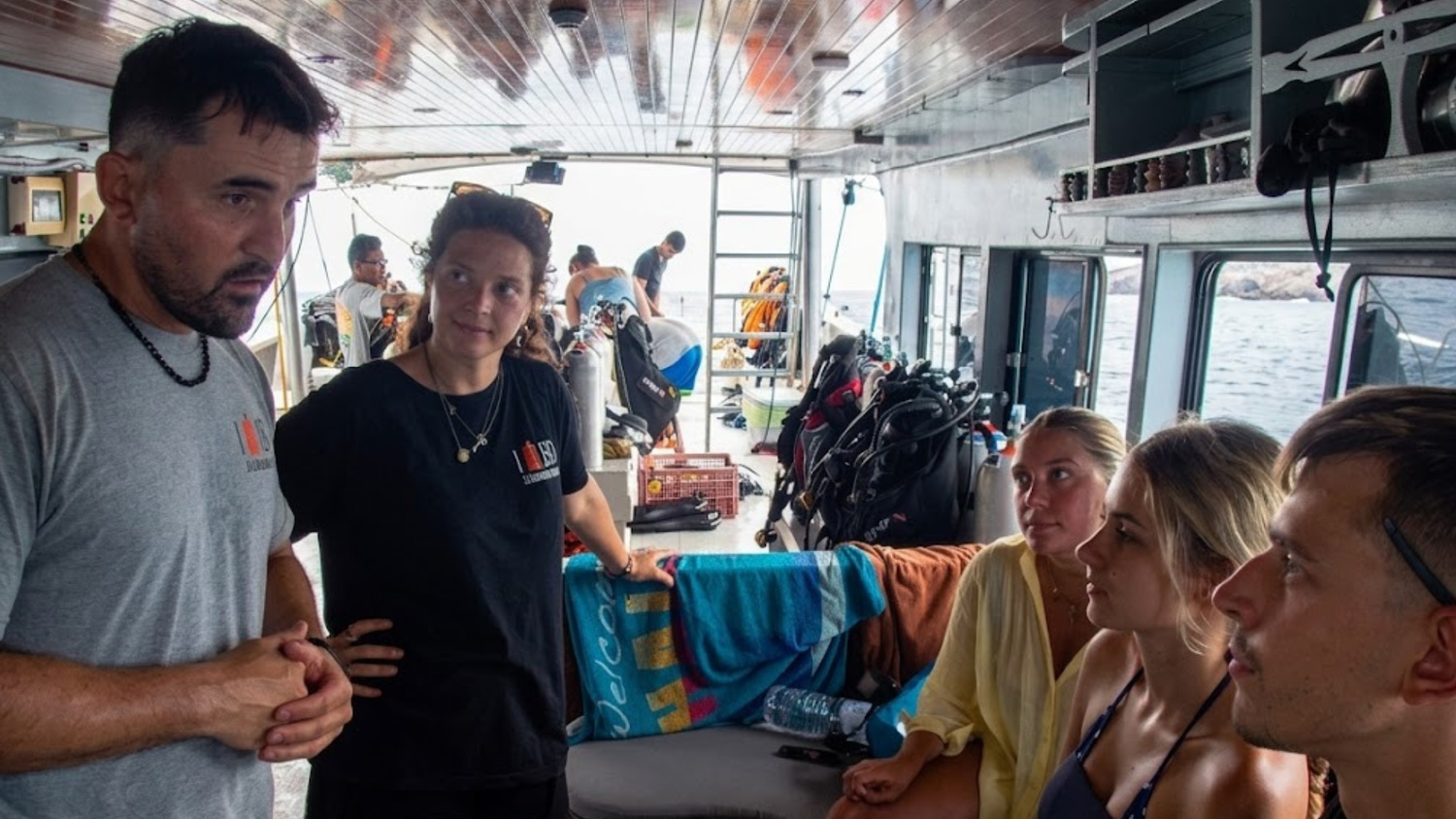
A good dive center should make you feel knowledgeable and comfortable before booking. Here are things to consider.
Pay Attention to How Quickly They Respond
Look for:
- Helpful answers.
- Clear information about the courses and schedules.
- Staff who take time to understand your needs.
Ask About Course Details
For example, you can ask:
- How long does the course take?
- What's included in the price?
- How many dives are included?
- What does the daily schedule look like?
- How does the certification process work?
Visit or Message More Than One Dive Center
Compare a few options before deciding based on these factors:
- Response quality
- Friendliness
- Transparency
- Attention to detail
8. Choose a Center That Teaches in Your Language
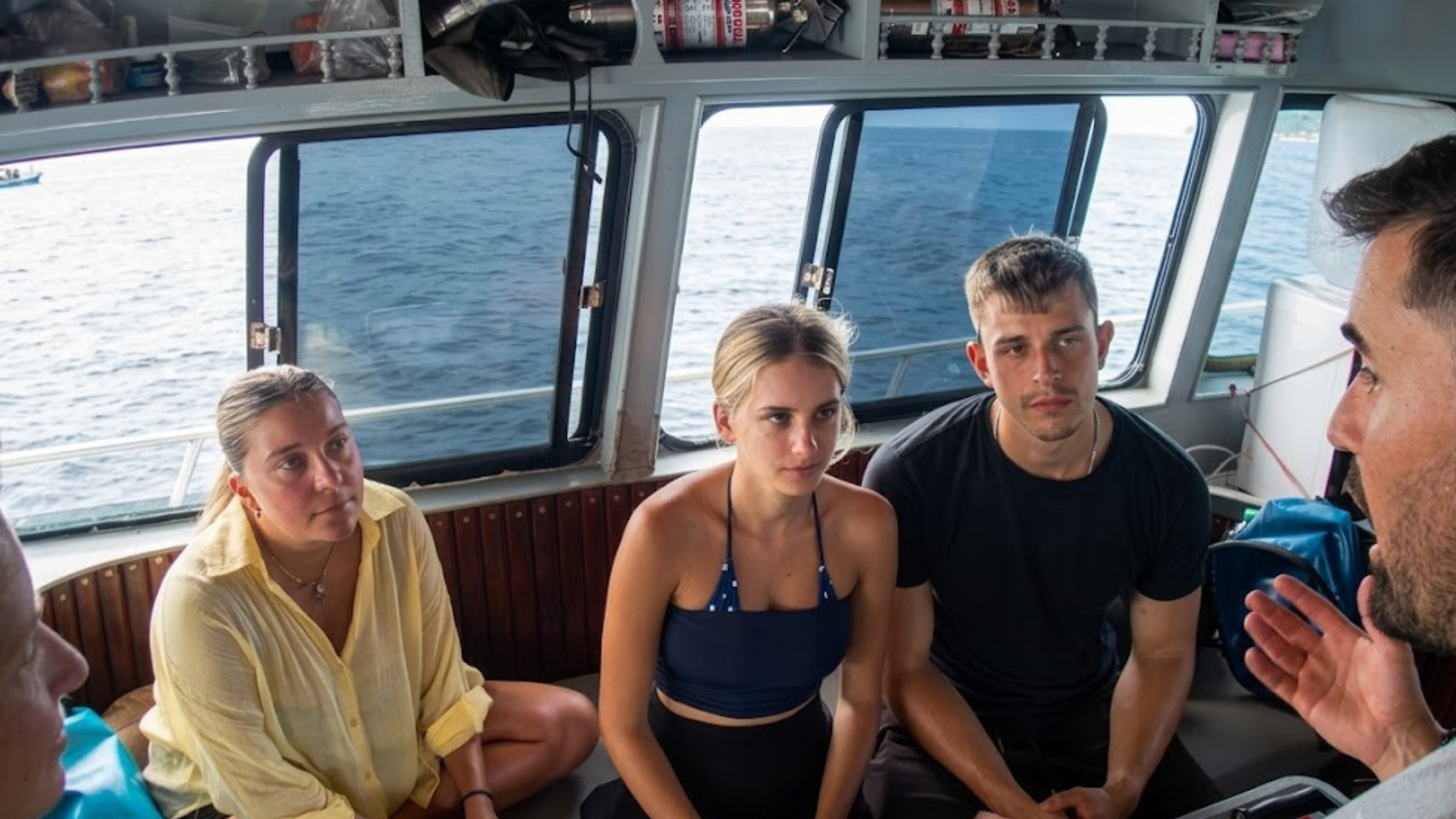
The final tip is to choose a dive center that teaches in a language that you are comfortable with.
Many dive centers in Koh Tao offer instruction in several languages, such as:
- English
- Spanish
- French
- German
Before booking, check if the course is taught in a language you are comfortable with. Also check if the course materials are available in that language.
Frequently Asked Questions (FAQs)
1. Are all dive centers in Koh Tao certified?
Reputable dive centers generally operate through recognized training agencies such as RAID, PADI, or SSI. Before booking, confirm the center's agency affiliation and review its instructor qualifications, safety procedures, equipment standards, and recent customer feedback.
2. What questions should I ask before booking a dive course?
You can ask questions related to certification, costs, schedule, logistics, gear, and health.
3. How do I know if a dive center is safe?
Look for affiliation with a recognized training agency such as RAID, PADI, or SSI. Ask about instructor qualifications, group sizes, emergency procedures, equipment maintenance, and medical screening. They should verify any certification you possess when your selected course or dive requires prior certification.
4. Are online reviews reliable when choosing a dive center?
Yes, reviews can be helpful in choosing a dive center. Here is what you need to focus on:
- Look for recurring safety complaints, broken equipment, or overcrowded groups.
- See how the shop replies to negative feedback to judge their professionalism and accountability.
- Look at candid photos.
5. What is the difference between a dive shop and a dive center?
A dive shop focuses on retail sales and gear servicing, while a dive center provides professional training courses.
If you're planning a longer island stay, explore these other things to do in Koh Tao between your diving sessions.
Conclusion
You can choose a quality dive center in Koh Tao by considering these tips:
- Your goals for the course.
- The instructor's experience and teaching style.
- Student-to-instructor ratio.
- Equipment quality and maintenance.
- Safety standards and training procedures.
- How responsive and transparent the center is.
- Whether they teach in your language.
Take time to message a couple of centers and ask questions directly.
This article was published in partnership with La Bombona Diving.