If you have ever been to Iceland, you already know that it's not like other tourist destinations. Here, you won't find a single "must" place to visit; the whole country is a must-see. And while most people think that Iceland is just the Ring Road, it's not, and northern Iceland is here to prove that. With a vibe that seems more unique, raw, quieter, and wilder, this 7-day North Iceland itinerary may well become your new favorite travel memory.
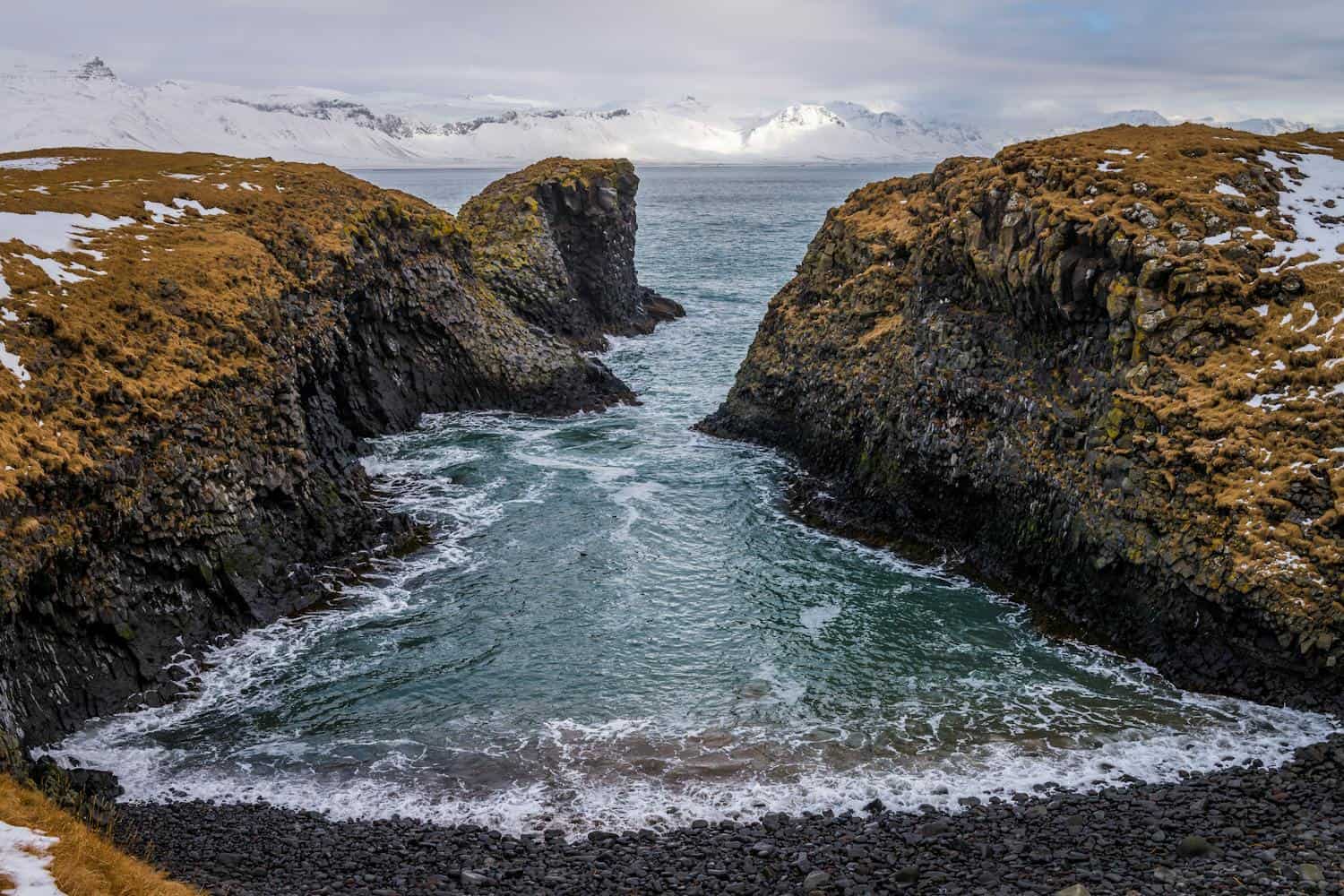
Instead of racing around the whole island, this plan focuses on one region, allowing you to see more up close and really immerse yourself in the landscapes that make this part of the country special. To explore northern Iceland at your own pace, we recommend booking a vehicle through Reykjavík car rental.
When Is the Best Time To Visit North Iceland
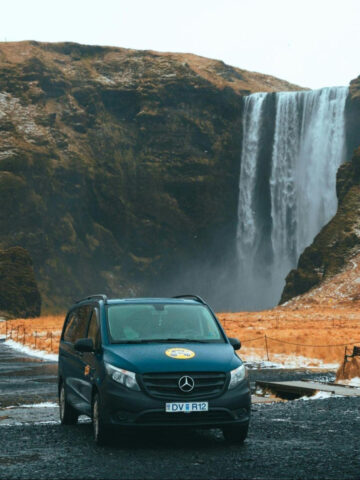
The most important thing when visiting Iceland, north or south, is picking the right time to go. That choice can make or break your trip, and many travelers choose to rent a campervan from Campervan Reykjavik for added flexibility.
But let's make it simple: if you are looking for more daylight hours and greener fields, then a visit during summer, from June through August, is perfect. During this season, the weather is somewhat milder, and driving is a lot easier.
On the other hand, autumn and early spring can be much quieter, with cool air and fewer people around. But you have to watch the weather more closely.
If you want to visit during the winter months to play in the snow and catch the northern lights, keep in mind that some roads may be icy or closed. I wouldn't recommend it if you plan to drive a lot.
7-Day Northern Iceland Itinerary
The main thing you should know is that on a Northern Iceland trip, people usually skip some attractions like the Ring Road. Still, you get to fully immerse yourself in other attractions like the Diamond Circle or the Tröllaskagi Peninsula.
Also, don't forget that between all those stops are actual attractions worth stopping by and checking out. Here's an itinerary for a whole week.
Day 1: Reach Akureyri
There's a high chance you will fly into Keflavík or Reykjavík and then make your way north, either by plane or by car (if by car, I highly recommend checking road conditions in Iceland).
Then, as a base camp or starting point for your trip, it is Akureyri, often called the "Capital of the North." As soon as you arrive, the first thing you need to do is take a walk through town, spot a snug local restaurant, and stretch your legs after travel.
Akureyri has lovely streets, local shops, and a relaxed feel you won't find in busier southern hubs.
Day 2: Explore Goðafoss and Húsavík for Whale Watching
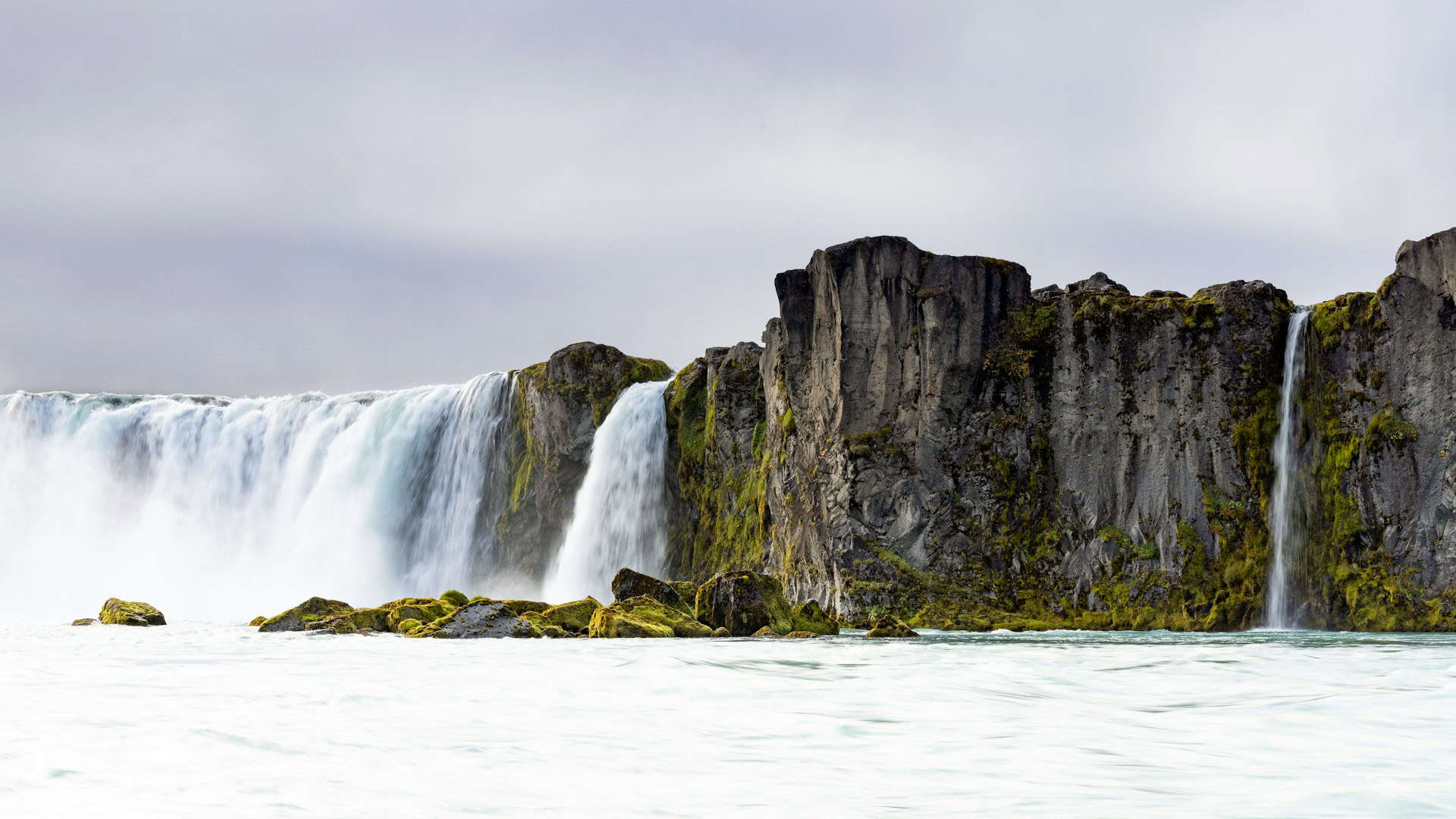
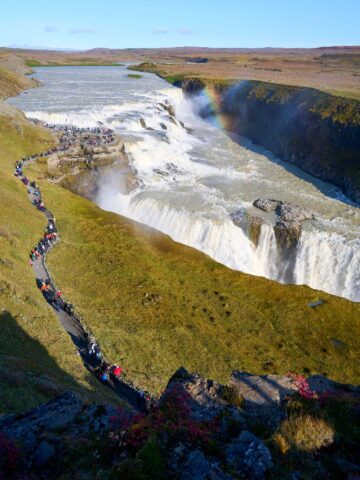
For day two, the best option is to start with Goðafoss, also known as the "Waterfall of the Gods," which is just a short drive from Akureyri. There, you can check the imposing falls, the river, and the spectacular views around the area.
Then, after that, you can push on to Húsavík, which is often considered Iceland's whale-watching capital, due to how "easy" it is to see those mammals. From the small town, you can find a ton of boat tours that offer a chance to check humpbacks, minke whales, and maybe even orcas if you're lucky.
A day like this reminds you why people fall for northern Iceland so hard; it's nature you feel as much as see.
Day 3: Diamond Circle, Dettifoss, and Lake Mývatn
Now, let's head to the Diamond Circle, which is a loop that takes you to some of the most stunning and dramatic landscapes in the country. This is what makes renting a car worthwhile. A good example is Dettifoss, which is Europe's most powerful waterfall.
Then you can head toward Lake Mývatn. This area feels like another world, with volcanic craters, bubbling mud pits, and lava fields scattered across the landscape like old ruins.
Day 4: Mývatn's Geothermal Areas and Quiet Trails
This day should be spent slowing down and exploring the area through food. The Lake Mývatn area has so much to offer that it's worth spending a full day exploring.
You walk around the geothermal areas like Hverir, check out the interesting lava formations, and take a hike up to the Hverfjall crater.
If taking a dip in hot water is your thing, there are local baths that feel private and peaceful, far from the busy pools around Reykjavík.
Day 5: Arctic Coast Way and Fjords
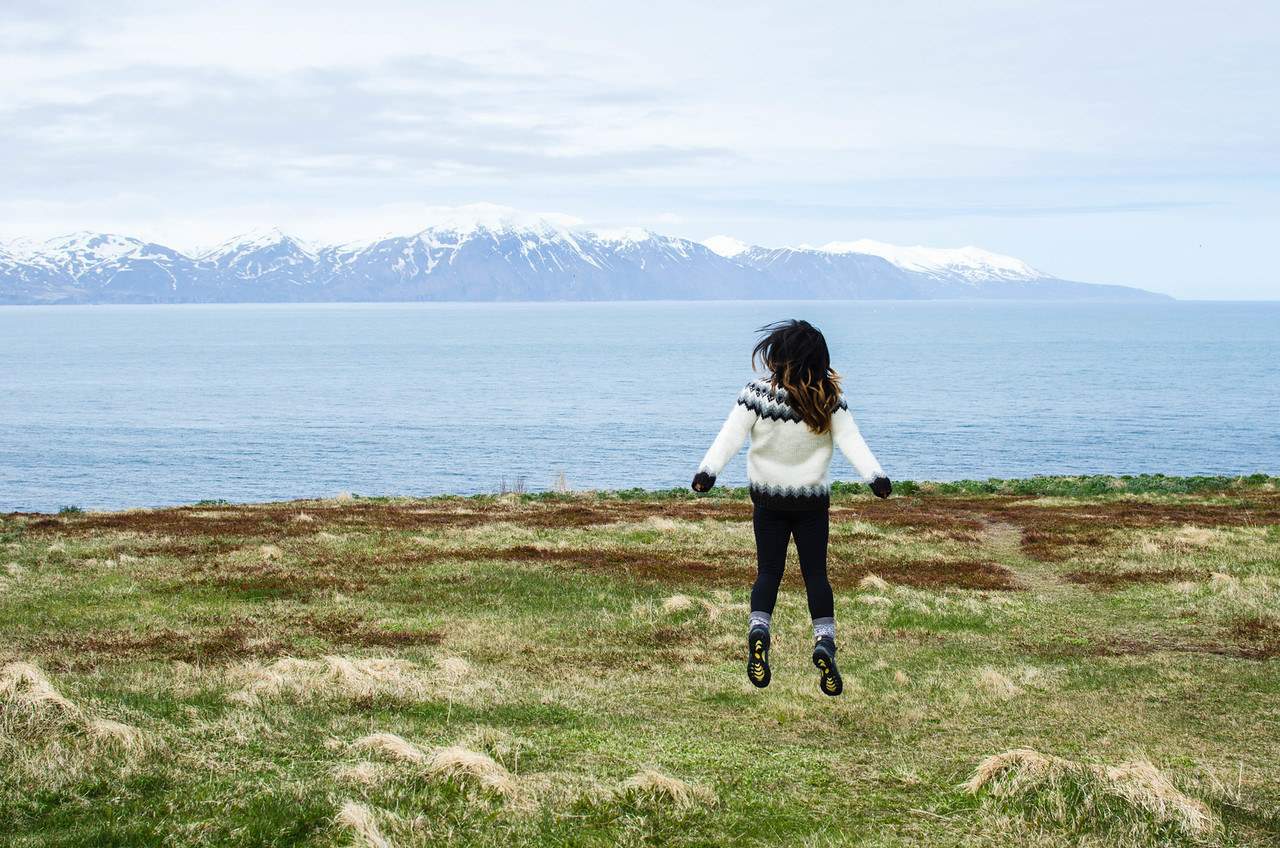
Leave the inland volcanic views and head toward the sea. The Arctic Coast Way is a more peaceful coastal route that follows fjords and small fishing villages.
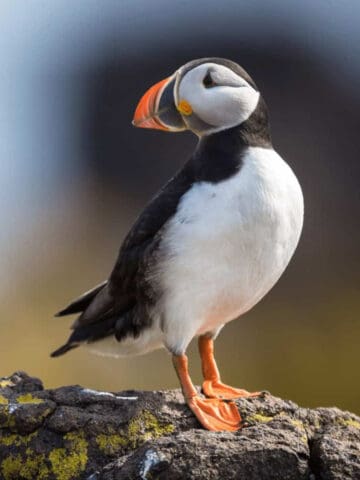
The small towns along this route are great for local meals, easy seaside walks, and seeing birds, seals, or even dolphins from the shore.
Day 6: A Day in Akureyri and Local Culture
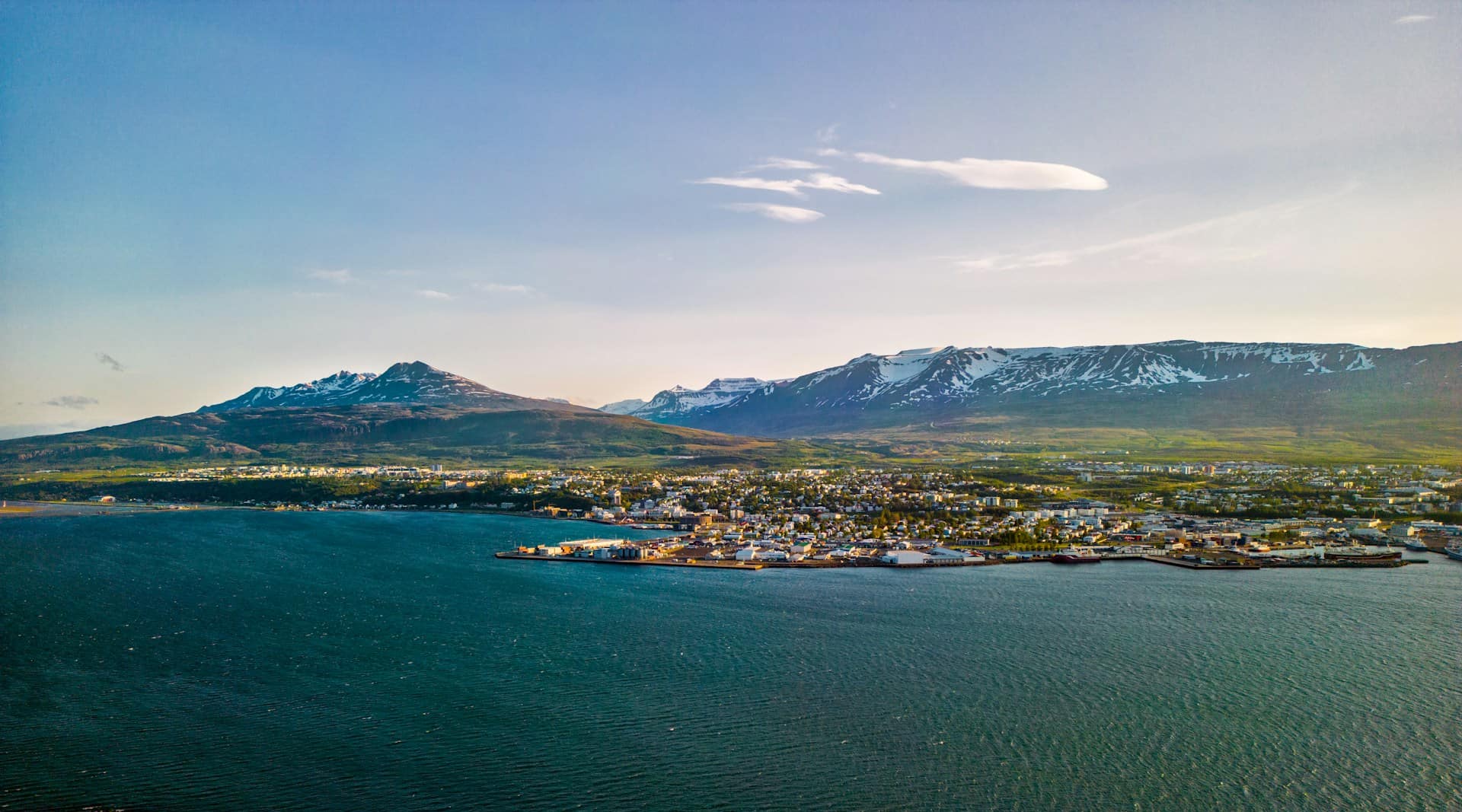
After several days of road and wild views, take a softer day. Return to Akureyri and walk through its museums, shops, and cafés.
This is also a chance to pick up souvenirs, meet locals, and learn more about northern Iceland culture. Maybe park the car for a bit and enjoy the feel of town life.
Day 7: Northern Lights and Final Explorations
If you're visiting between late autumn and early spring, tonight might be your best chance for catching the northern lights. Head to a dark spot outside town, lie back, and watch the sky.
If you're here in the summer, enjoy a final coastal walk or a breakfast with a fjord view before heading home.
Conclusion
Your North Iceland itinerary isn't a race around everything Iceland has to offer. Instead, it's a week filled with powerful waterfalls, whale watching, volcanic terrain, peaceful fjords, and towns that feel like they belong on postcards.
If you want to see a side of Iceland that's less rushed, this northern Iceland itinerary gives you space to enjoy the journey, not merely the destination.
_____
This story is published in collaboration with Reykjavík Cars and Campervan Reykjavik.