Learning a few practical trekking preparation tips before you step onto the trail can make your adventure safer, lighter, and far more enjoyable. Whether you're going for a weekend hike or a multi-day backpacking trip, having the right gear and leaving unnecessary items behind can make the experience more enjoyable.
Good preparation includes more than buying equipment. It's important to consider terrain, weather, trail difficulty, and your physical fitness before setting out.
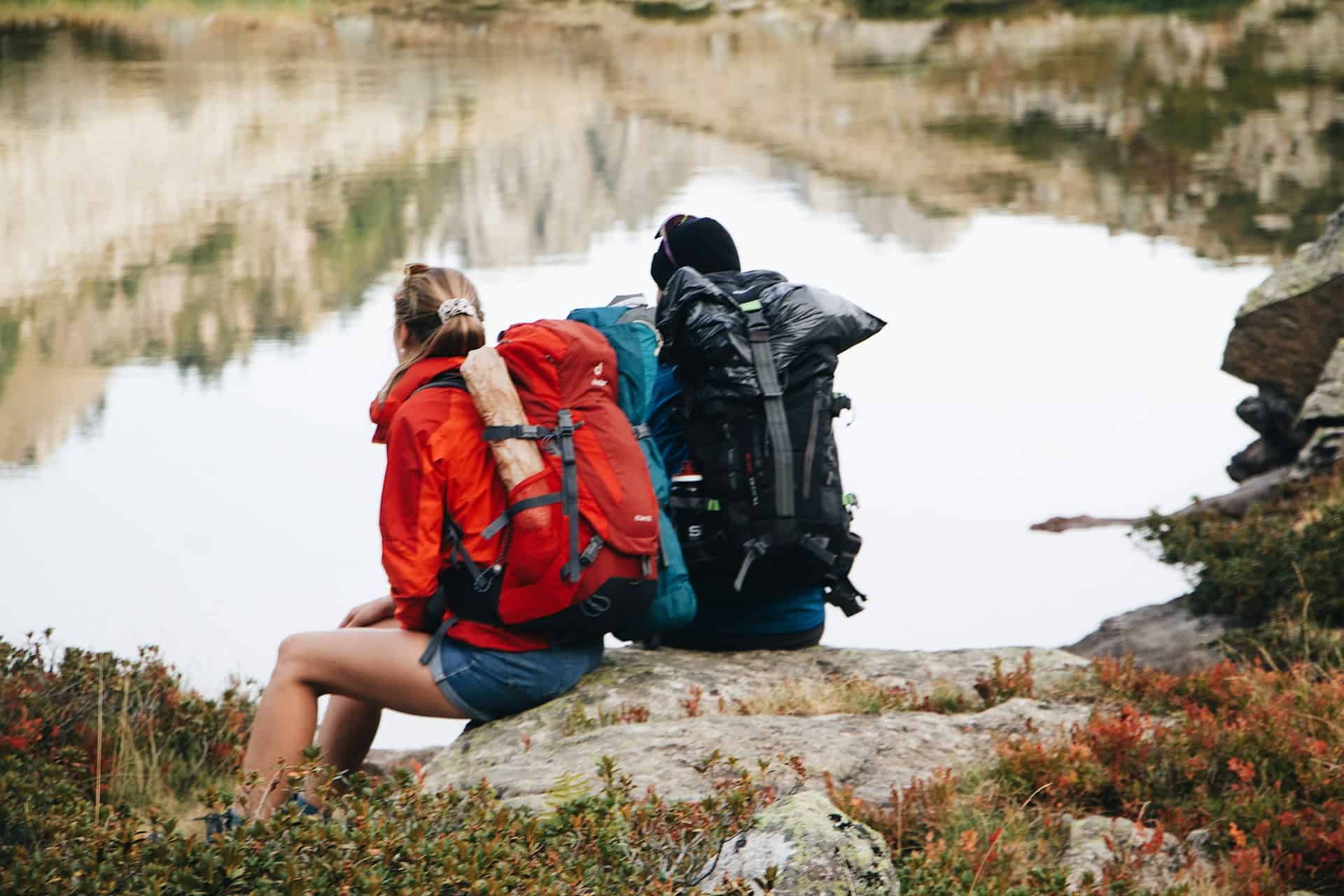
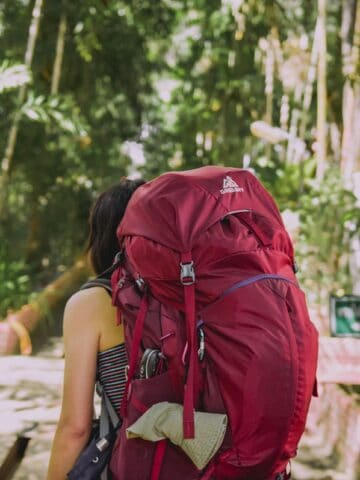
Photo: Mael Balland
For longer or remote trips, many travelers plan ahead for personal health needs and routines. Women tracking fertility or menstrual cycles may find tools like an ovulation tracker helpful when preparing for extended time away from reliable services or pharmacies.
The goal is simple: pack smart, stay comfortable, and avoid carrying unnecessary weight that will slow you down on the trail.
Route Planning and Fitness
Before committing to a trekking route, honestly assess your fitness level and hiking experience. If you're new to long-distance trekking, start with easier routes before attempting steep climbs or multi-day expeditions.
A few weeks before your trip, it helps to:
- Increase your daily physical activity.
- Practice hiking with a loaded backpack.
- Stretch your legs, hips, and back regularly.
- Get used to walking on uneven terrain.
- Break in your trekking shoes before the trip.
Physical preparation can reduce fatigue and help prevent injuries during long hikes. Make sure everyone in your group understands the route difficulty, expected distance, and elevation gain ahead of time.
Essential Gear To Bring
One of the biggest mistakes beginner trekkers make is packing too much. Every extra pound becomes noticeable after hours on the trail, especially during steep climbs or long days of walking.
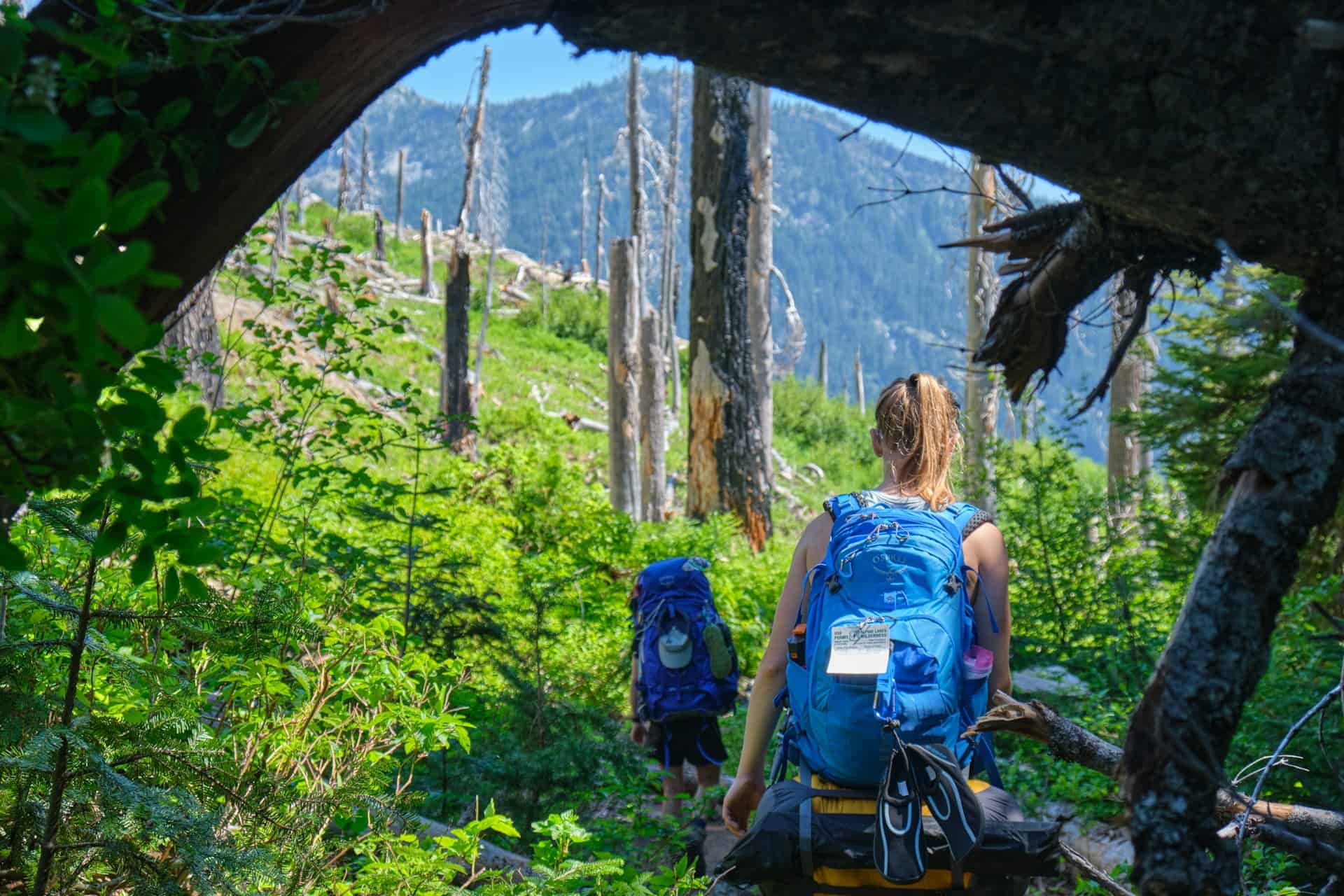
A basic trekking gear list typically includes:
- A comfortable backpack
- Trekking shoes or hiking boots
- A waterproof jacket
- Extra layers of clothing
- Sleeping bag
- Tent or tarp
- First aid kit
- Headlamp or flashlight
- Portable power bank
- Water and food supplies
Footwear deserves special attention. New hiking boots that aren't broken in can quickly cause blisters and discomfort. For longer treks, choose shoes that provide dependable support and stability on uneven ground.
How To Pack Your Backpack Properly
One of the most important trekking preparation tips is learning how to distribute weight properly inside your backpack. Packing your backpack correctly can make a major difference in comfort and balance during a trek.
Heavier items should be packed close to your back and centered to reduce strain on your shoulders and lower back. Frequently used items such as rain gear, snacks, water, navigation tools, and your first aid kit should remain easily accessible.
Before leaving, weigh your backpack to ensure it's manageable. Many hikers aim to keep pack weight around 20% to 25% of their body weight, depending on trip length and terrain.
What You Probably Don't Need
Many first-time trekkers bring more than they use. Overpacking can make hiking more exhausting and less enjoyable.
Items that are often unnecessary include:
- Too many changes of clothes
- Heavy cookware
- Multiple knives or tools
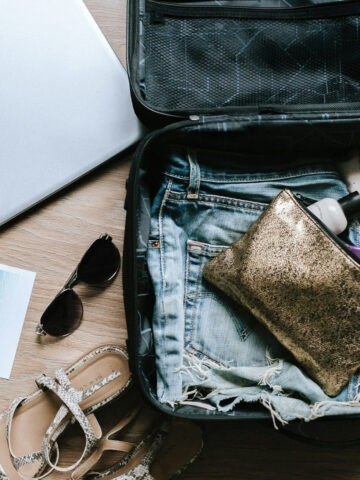
- Large cosmetic bags
- Extra gadgets
- Hardcover books
When trekking, lighter is usually better. Prioritize practical, reliable gear rather than preparing for every unlikely scenario.
If you're hiking with a group, some shared equipment - such as cooking gear, water filters, or tents - can often be distributed among everyone to reduce individual pack weight.
Food and Water Planning
Trekking burns significant energy, so food choices ought to prioritize calories, portability, and shelf stability.
Popular trekking foods include:
- Nuts and trail mix
- Energy bars
- Dried fruit
- Instant oatmeal or quick-cook meals
- Jerky and protein snacks
Avoid foods that increase thirst or dehydration, especially in hot conditions.
Water planning is equally important. Research whether your route has reliable water sources and whether you'll need purification tablets, filters, or extra storage capacity for dry stretches of trail.
Final Thoughts
Preparing for a trekking trip doesn't have to be complicated. Choosing reliable gear, improving your fitness beforehand, and packing thoughtfully can make your experience safer and more enjoyable.
In the end, successful trekking is less about carrying more equipment and more about bringing the right essentials for the adventure ahead.
This story was published in partnership with Mira.