Venice can make budget travelers feel like they're doing something wrong. Follow the signs, and you'll end up where the crowds are thickest and prices highest. A quick visit can make the city feel like a beautiful obstacle course instead of a place worth slowing down for.
The good news is Venice changes when you stop chasing landmarks. Public boats, quieter islands, early strolls, and patience can open a calmer side of the city while helping you spend with more purpose.
Stay Long Enough for Venice To Change Pace
Many travelers meet Venice at its busiest. They arrive by train, follow the flow toward Rialto and San Marco, grab an overpriced lunch near a landmark, and leave wondering why the city felt stressful. That version of Venice exists, but it's also the most crowded and compressed one.
Spend the night, and the mood shifts. Early morning brings empty bridges, delivery boats, quiet canals, and café counters filled with locals. Evening softens the city again after day-trippers leave and the main squares stop feeling like transit hubs.
The same logic behind traveling slowly to reduce transport costs works inside Venice. Fewer rushed moves usually imply fewer wasted fares, better days, and more time for the lagoon side of the city to come into focus.
Staying overnight doesn't mean you need a hotel beside the Grand Canal. Mestre, Marghera, Lido, and less central parts of Venice can keep costs lower while giving you access to the hours when the city feels most rewarding.
For budget travelers, that extra time is often a better investment than another rushed paid attraction.
Staying overnight within the Municipality of Venice may also save money on applicable 2026 dates: registered overnight guests are exempt from the city's €5 advance or €10 late-booking access fee, although they must obtain an exemption QR code.
Use the Vaporetto Like a Budget Sightseeing Tool
The vaporetto is Venice's public water bus, but it can feel like part of the experience rather than simple transport. One ride along the Grand Canal gives you palaces, busy docks, church domes, delivery boats, and water-level views before you decide where a paid experience is actually worth the money.
The key is to plan your rides instead of hopping on and off without purpose. Group longer trips together, consider which routes help you avoid backtracking, and check whether a pass makes sense for the day.
If you're staying outside the historic center or heading to the islands, a pass can quickly become the better deal.
At current prices, a standard vaporetto ticket costs €9.50 (about $11) and is valid for 75 minutes, while a 24-hour pass costs €25 (about $29). That means the day pass starts saving money on your third separate ride. Its validity begins with the first validation, and airport services are not included.
Public boats also help you understand Venice as one connected place rather than a small historic center surrounded by water. UNESCO recognizes Venice and its lagoon as a single World Heritage property.
Some rides are worth taking slowly, especially early in the morning or near sunset, when the light changes on the water and the decks feel less crowded. For the price of public transport, you get one of Venice's best views.
Let the Lagoon Shape Your Route
The easiest mistake in Venice is getting stuck between the train station, Rialto, and San Marco. That route is famous for a reason, but it's also where the city feels most crowded, expensive, and rushed.
Step away, and Venice opens up through smaller canals, working boats, residential corners, and views that move with the tide.
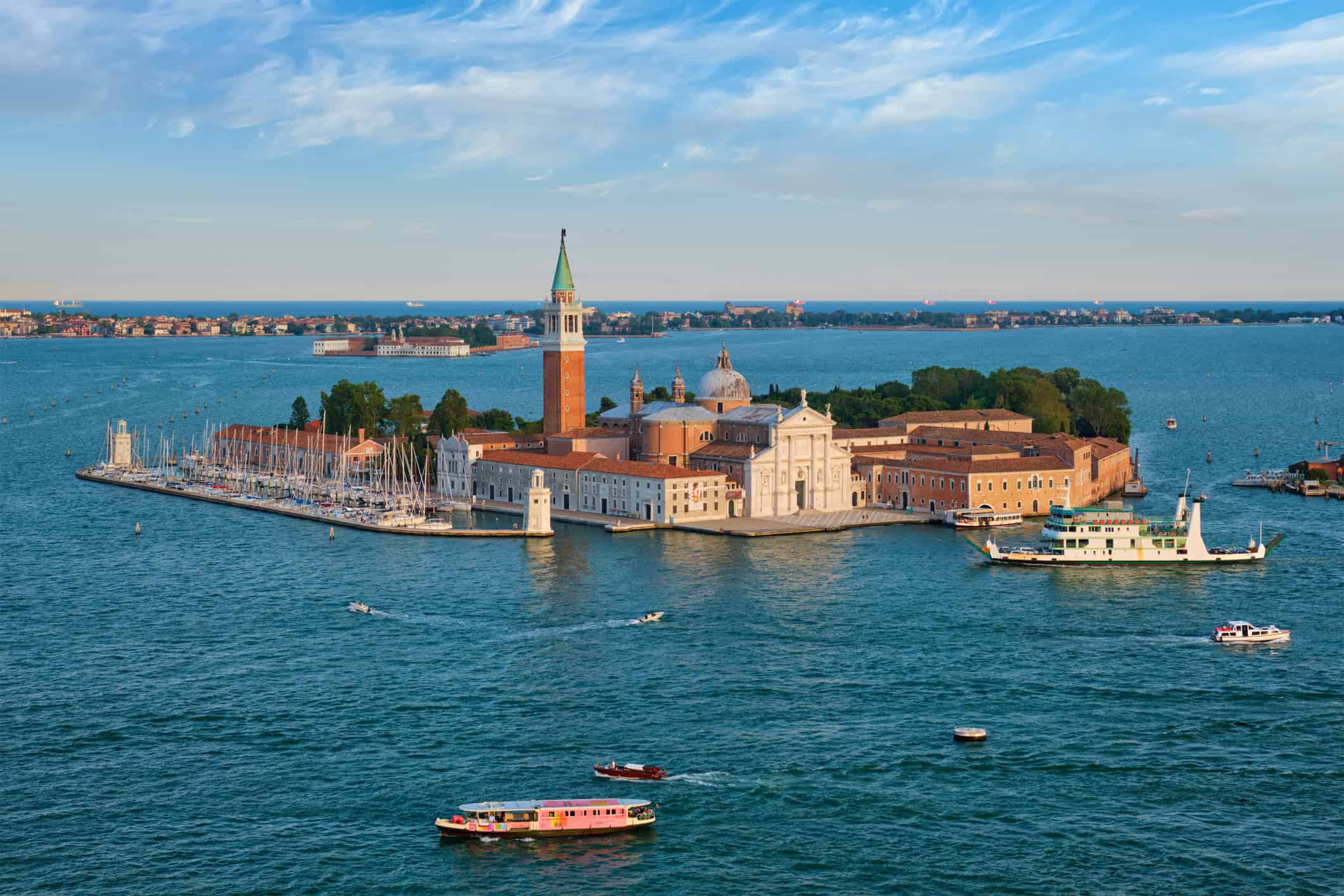
This is where the lagoon side of Venice becomes the real advantage. A quiet ride toward Giudecca, Murano, Burano, Lido, or San Giorgio Maggiore can make the city feel wider and calmer, giving you a clearer sense of where your time and money are worth spending.
For travelers who want greater context than a self-guided vaporetto ride provides, Fernwayer's Lagoon Stories of Venice explores the lagoon with a local guide, connecting islands such as Sant'Erasmo and Lazzaretto Nuovo to the area's fishing, agricultural, and maritime history. Travelers interested in Venetian light and lagoon stories can treat this experience as one planned splurge in an otherwise low-cost itinerary.
Letting the lagoon shape your route also helps you spend more intentionally. Instead of paying for every major attraction, choose one area or island cluster, save your budget for experiences that add real context, and give yourself time to wander.
Venice becomes less about covering ground and more about noticing what changes when crowds thin, water widens, and the city stops asking you to hurry.
Pick Islands That Match Your Travel Style
The lagoon has plenty of easy side trips, but trying to visit every island in one day can turn a good plan into a checklist. Pick the island that fits the kind of day you want, then give it enough time to feel different from the historic center.
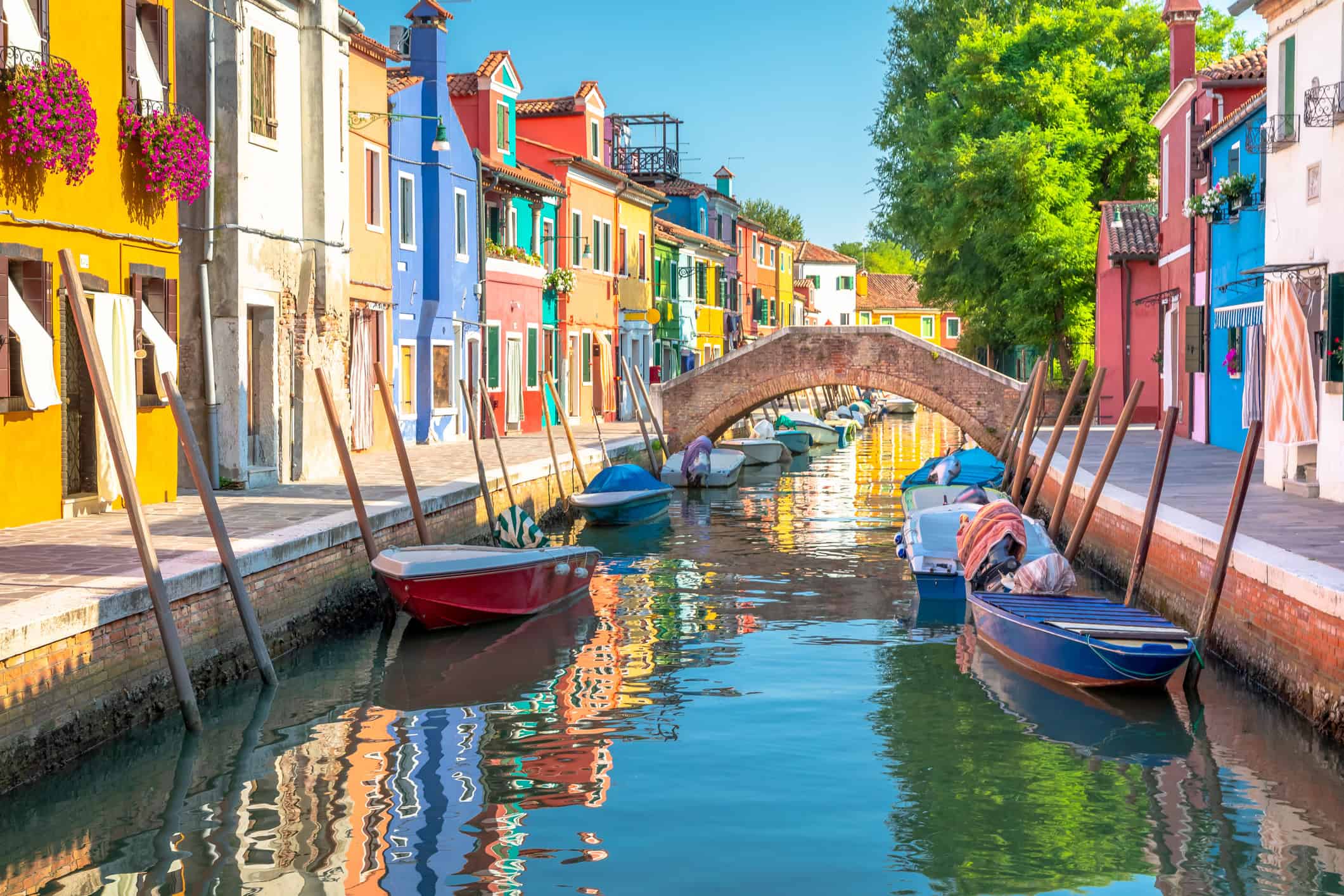
Murano works well if you're curious about glassmaking and want a short ride from Venice. Burano is brighter and farther out, with colorful homes, lace shops, and quieter lanes once you step away from the busiest photo spots.
Lido gives you beaches, bikes, and a break from tight streets. San Giorgio Maggiore is close, simple, and worth considering when you want a wide view back toward the city without committing to a long trip.
The budget move is to group island stops with the same transport pass instead of buying separate rides across multiple days.
Choose one main island, add a nearby stop if timing fits, and leave room for the slow parts: waiting at docks, watching boats come in, and realizing the ride itself is part of why the lagoon matters.
Eat and Wander Away From the Main Tourist Flow
Food gets easier when you stop eating beside landmarks. Around San Marco and the busiest bridges, prices climb quickly, and menus often feel built for people who won't be back tomorrow.
Walk ten or fifteen minutes into Cannaregio, Castello, or quieter parts of Dorsoduro, and the same budget usually stretches further.
Cicchetti bars are a good place to start. Order a few small bites, stand with a drink, and move on when you're ready instead of committing to an entire sit-down meal every time you're hungry.
Bakeries, market stalls, and simple pasta spots can keep the day affordable without changing every meal into a hunt for the cheapest option.
Wandering helps here as much as planning. Some of the best budget choices in Venice appear when you're between stops, away from streets where everyone is holding the same map.
Follow quieter canals, pause where locals are ordering, and let lunch become part of the route rather than a break from it.
Choose One Theme Instead of Chasing Every Landmark
Venice punishes rushed itineraries. The more sights you stack into one day, the more time you lose in crowds, queues, and backtracking. A better plan is to choose one theme for the day and let the city emerge around it.
If you like art, build the day around one museum and a few churches instead of racing between every major collection.
If photography is your focus, start early and follow the light across bridges, canals, and open waterfronts.
Food lovers should leave time for markets, cicchetti, and neighborhood bars instead of booking every hour around attractions.
Fernwayer's Venice experiences focus on craft traditions, island routes, photography walks, and quieter corners, which suits a slower day better than a packed checklist.
A theme keeps your spending under control because it cuts out impulse tickets and unnecessary transport. It also makes Venice feel more personal.
Instead of leaving with the same list as everyone else, you leave with a version of the city that suits the way you actually like to travel.
A Slower Venice Costs Less Than You Think
Venice gets expensive when you force it into a rushed schedule. Quick lunches, repeated boat rides, impulse tickets, and crowded shortcuts add up fast. Slow down, and it becomes easier to tell which costs are worth it.
Give yourself fewer targets. Group your transport. Stay away from the busiest dining streets. Let the lagoon do some of the work. A public boat ride, a quiet island walk, or an early morning canal can stay with you longer than another paid stop squeezed into a full day.
The best budget strategy in Venice is patience. Spend less energy chasing the city, and your money goes further toward the moments which make Venice feel larger, calmer, and more generous than the version most day-trippers see.
This article was published in partnership with Fernwayer LLC.