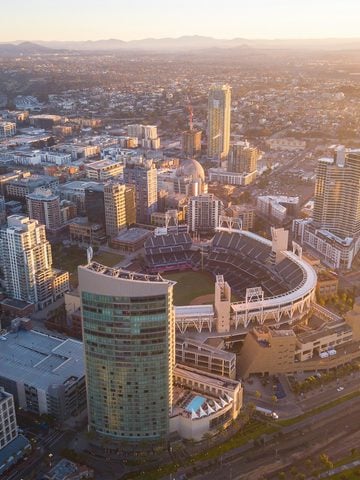
Charleston lingered on my travel wish list for years. The city's historic architecture, tempting restaurants, and that breezy waterfront always called to me. Add in the convenience of a direct flight from Austin, and it seemed like the ideal place for a long weekend.
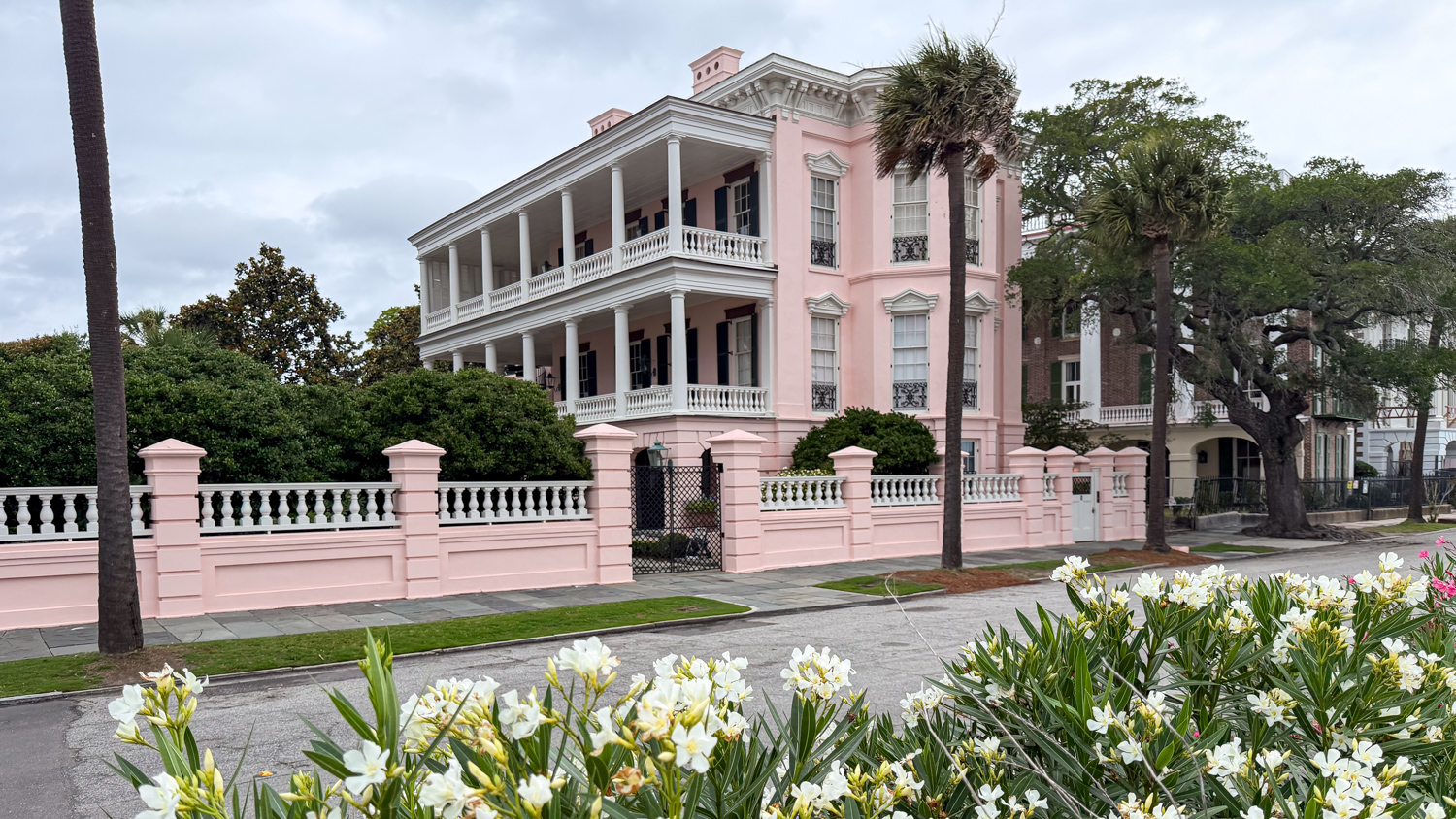
When I finally made it to Charleston, thanks to a collaboration with Explore Charleston and Wentworth Mansion, Kel and I set out to see as much as we could in four days and nights.
Over 4 days in Charleston, we wandered the historic district on foot, visited attractions ranging from Fort Sumter to the South Carolina Aquarium, and ate our fair share of Southern food.
Charleston's main sights are close enough that you can walk between them, but I soon realized the value of retreating to our hotel for an afternoon breather. That pause in the cool, quiet room made the difference between feeling refreshed for dinner and dragging my feet through the evening heat.
What follows is the four-day route Kel and I took, refined with a few adjustments I'd make if planning the trip again. Consider it a firsthand blueprint for your own first visit.
Disclosure: My first trip to Charleston was produced in collaboration with Explore Charleston and Wentworth Mansion. Our first two nights at Wentworth Mansion and admission to select attractions were complimentary. We paid for our two nights at Fulton Lane Inn and the Fort Sumter tour. As always, all opinions are my own.
Four-Day Charleston Itinerary at a Glance
- Day 1: Rainbow Row, the Old Exchange, Waterfront Park, and King Street
- Day 2: King Street bakeries, Marion Square, the Hunley, and the aquarium
- Day 3: The Battery, Charleston City Market, and Fort Sumter
- Day 4: The Old Slave Mart Museum and Gibbes Museum of Art
This itinerary covers four sightseeing days. We arrived from Austin on a direct Southwest flight the previous afternoon, giving us time to check in and settle down before beginning the itinerary the next morning.
Although we departed in the middle of Day 4, we still had time for two museums and one last lunch before heading to the airport.
Charleston's museum and tour hours can be a moving target. Some places close on certain days, and schedules change with the season. Before you finalize anything, check opening times and tour slots-especially for the Hunley.
Day 1: Explore Historic Charleston
Watch Charleston Wake Up
Our first full day began before sunrise at Wentworth Mansion. Guests can climb to the hotel's cupola, which offers a rooftop perspective over Charleston's historic district.
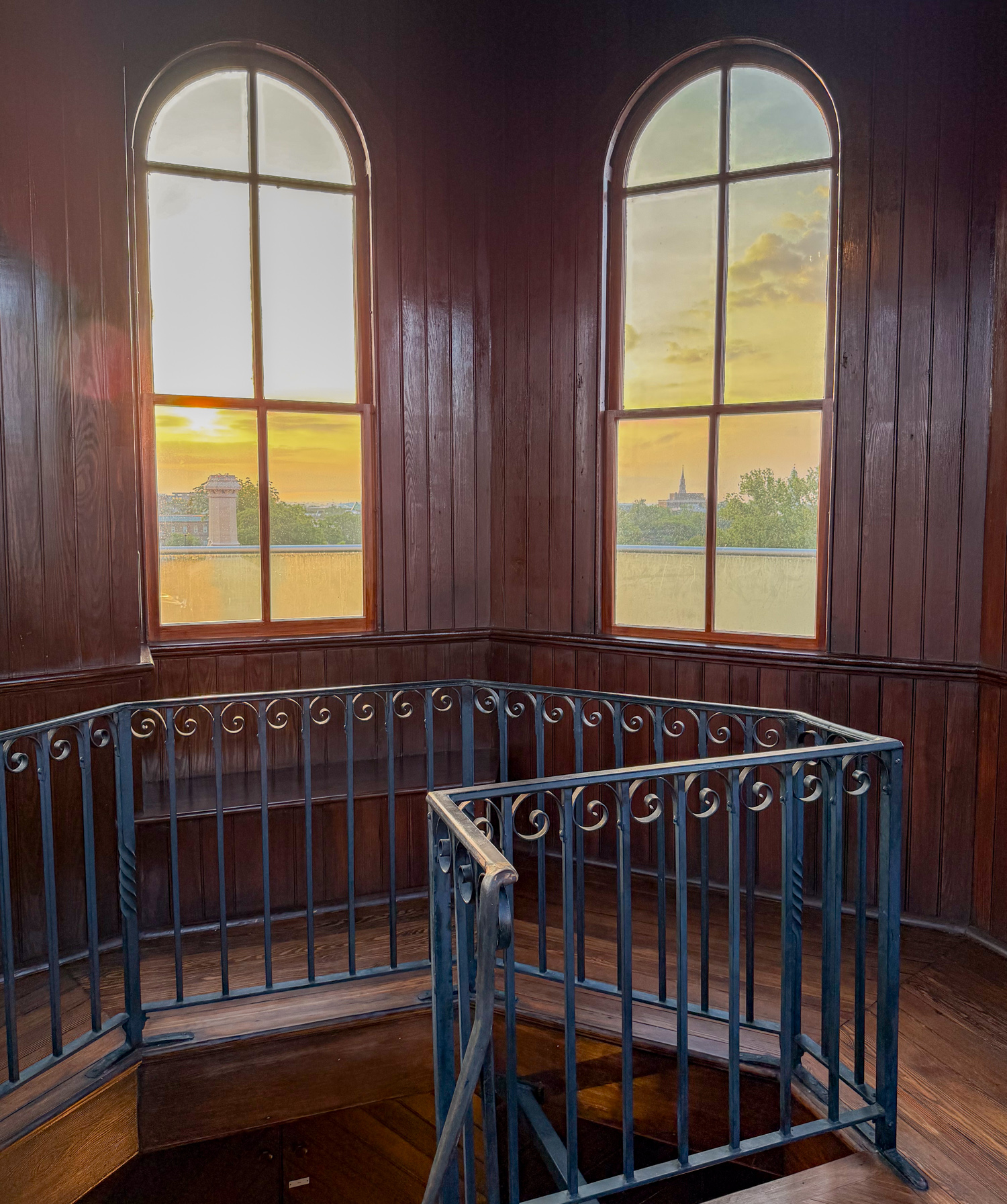
On the fourth floor, a spiral staircase leads to a narrow circular landing inside the cupola. I watched the sun rise through its arched windows, not realizing until later that guests could open the door any time of day and step outside for 360-degree views. I could see numerous church steeples and the Arthur Ravenel Jr. Bridge over the Cooper River.
After sunrise, we stopped in the mansion's parlor for coffee and pastries before having the included breakfast at Circa 1886 Restaurant. It was a relaxed way to begin a day which would otherwise involve plenty of walking.
Even if you're not staying somewhere with a rooftop, I'd urge you to get out early in Charleston. The streets are quieter, and the first sunlight brings out the colors in the old houses in a way that's hard to capture later in the day.
Walk to Rainbow Row
From Wentworth Mansion, we walked through the historic district toward Rainbow Row, a photogenic stretch of pastel-colored Georgian homes on East Bay Street.
Rainbow Row is probably the most photographed stretch in Charleston, and it doesn't take long for the crowds to show up. Arriving early let us linger over the pastel facades, take our time with photos, and appreciate the details.
Those pastel houses are charming, but what surprised me was how many other blocks in the historic district are just as striking. You could spend hours roaming and still stumble on new favorites.
Rainbow Row is a residential street rather than an attraction with an entrance, and visitors should be mindful that people live in these homes. After taking a few photos, continue toward the waterfront or walk north to the Old Exchange.
Tour the Old Exchange and Provost Dungeon
The Old Exchange and Provost Dungeon provides an early introduction to Charleston's long and complicated history.
Completed in 1771, the building has served numerous purposes since the colonial era. Visitors may explore exhibits upstairs where South Carolina ratified the U.S. Constitution and join a guided dungeon tour beneath the building.
We arrived just in time for the 9 a.m. dungeon tour, where we learned how the British imprisoned people there during the American Revolution.
Visiting a historical attraction early in the trip helped give context to places we would encounter later, particularly Fort Sumter and the Old Slave Mart Museum.
Allow roughly one hour for the museum and tour.
Cool Off at Pineapple Fountain
From the Old Exchange, it is an easy walk to Waterfront Park and its centerpiece, Pineapple Fountain.
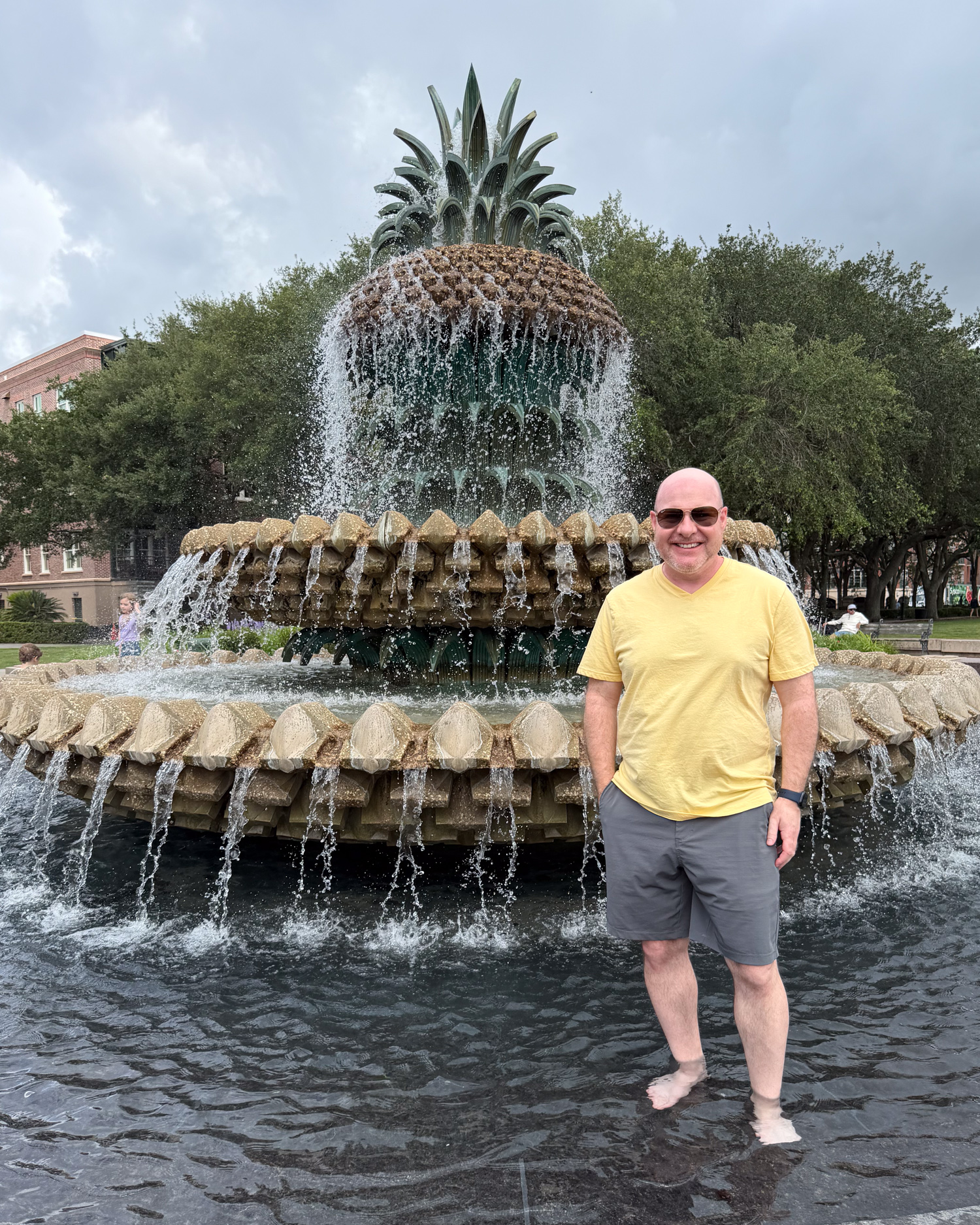
The park offers a wide view across Charleston Harbor and plenty of shady benches. We slipped off our shoes and let our feet cool in the fountain-a small luxury after a humid morning on foot.
Looking out over the water, I spotted the USS Yorktown, a massive WWII aircraft carrier docked at Patriots Point. We didn't make it to the naval museum this time, but it's near the top of my list for our next Charleston visit.
If you still have energy, continue walking along the waterfront.
Stop for Barbecue and Take an Afternoon Break
We had lunch at Palmira Barbecue before returning to Wentworth Mansion for a break.
When choosing where to eat in Charleston, I was inspired to try some local barbecue, and Palmira is one of the most talked about today. Unfortunately, Rodney Scott's BBQ had closed permanently before our trip.
That afternoon break grew into a ritual for us. It kept the trip from feeling like a race and gave us a chance to dodge the stickiest heat of the day.
Charleston looks manageable on a map, but the heat, humidity, uneven sidewalks, and long museum visits can sneak up on you. Unless you're visiting in the cooler months, I'd leave some breathing room in your schedule.
Have Dinner and Walk King Street
That evening, we had a casual dinner at Poogan's Porch, a longstanding Southern restaurant housed in a Victorian home. We feasted on fried green tomatoes, fried chicken with collard greens, and peach cobbler.
After dinner, we walked along King Street. The city's main shopping corridor feels different after many of its stores close, when the emphasis shifts toward restaurants, bars, and people enjoying the evening.
Day 2: King Street, the Hunley, and the Aquarium
Try to schedule this day for a Saturday. The Charleston Farmers Market is seasonal, and standard public tours of the Hunley are presently offered on weekends. Verify both schedules when planning your trip.
Begin With a King Street Bakery Crawl
Kel and I started the morning with a small bakery crawl along King Street. Our first stop was Callie's Hot Little Biscuit, known for its Southern biscuits. They were a little too dense for our liking, but I enjoyed trying a trio.
From there, we continued to La Pâtisserie at Hotel Bennett, a luxury hotel overlooking Marion Square. The French bakery was popping on a Saturday morning. Even with just two bakery stops, the morning felt like its own mini adventure.
King Street is a different world before the crowds arrive-quiet, easygoing, and perfect for wandering.
Browse the Charleston Farmers Market
From La Pâtisserie, we walked to Marion Square for the Charleston Farmers Market. Vendors sell prepared food, local products, art, and crafts in one of downtown Charleston's central green spaces.
We didn't have a kitchen, so I passed on the produce, but I couldn't help buying a jar of sea salt from a local woman who'd taught herself how to harvest it. It's the kind of souvenir that brings a bit of the trip home.
The market does not operate every day or throughout the entire year, so confirm its calendar before your visit. If it is not running, use the extra time to explore King Street, visit another museum, or take a longer walk through the surrounding neighborhood.
See the Hunley
The H. L. Hunley was a Confederate submarine that became the first combat submarine to sink an enemy warship. Today, the recovered vessel is undergoing conservation at the Warren Lasch Conservation Center in North Charleston.

The Hunley is one of the area's most unusual attractions. Visitors can see the actual submarine in its conservation tank, examine recovered artifacts, and learn about the vessel's crew, disappearance, discovery, and continuing preservation.
Kel deserves the credit for highlighting the Hunley. If not for her, I probably would have missed this odd and fascinating piece of Civil War history.
Most visitors will need to drive or take a rideshare from Charleston's historic district. According to the Hunley, standard public visits are offered on weekends, while conservation work continues during the week.
Confirm the current tour schedule on the Hunley's official website and reserve enough time for transportation.
Visit the South Carolina Aquarium
After the Hunley, we visited the South Carolina Aquarium on the downtown waterfront. Its exhibits follow South Carolina's habitats from the mountains to the coast, introducing visitors to native plants and animals along the way.

The aquarium's location also makes it convenient to combine with other attractions near Liberty Square (Fort Sumter tours, International African American Museum).
Highlights for me included an up-close look at a beautiful bald eagle named Liberty, who was rescued and given a home at the aquarium; North American river otters swimming around their enclosure; and the 385,000-gallon Great Ocean Tank, which reaches 42 feet deep and is billed as the deepest aquarium tank in North America.
Visitors can check current hours and timed-entry information on the South Carolina Aquarium website.
Finish With Dinner at Circa 1886
That evening, we returned to Circa 1886 Restaurant for dinner. The restaurant occupies the former carriage house behind Wentworth Mansion and was our special-occasion meal of the trip.
By then, we'd switched from Wentworth Mansion to its sister property, Fulton Lane Inn. It was fun to compare the two, but honestly, you don't need to change hotels unless you're curious.
Day 3: The Battery, City Market, and Fort Sumter
Fort Sumter tours leave at scheduled times, so begin by choosing a ferry departure. Build the rest of the day around that reservation.
Take an Early Photo Walk to the Battery
I began Sunday at 8 a.m. alone with my iPhone, walking down King Street toward White Point Garden and the Battery.
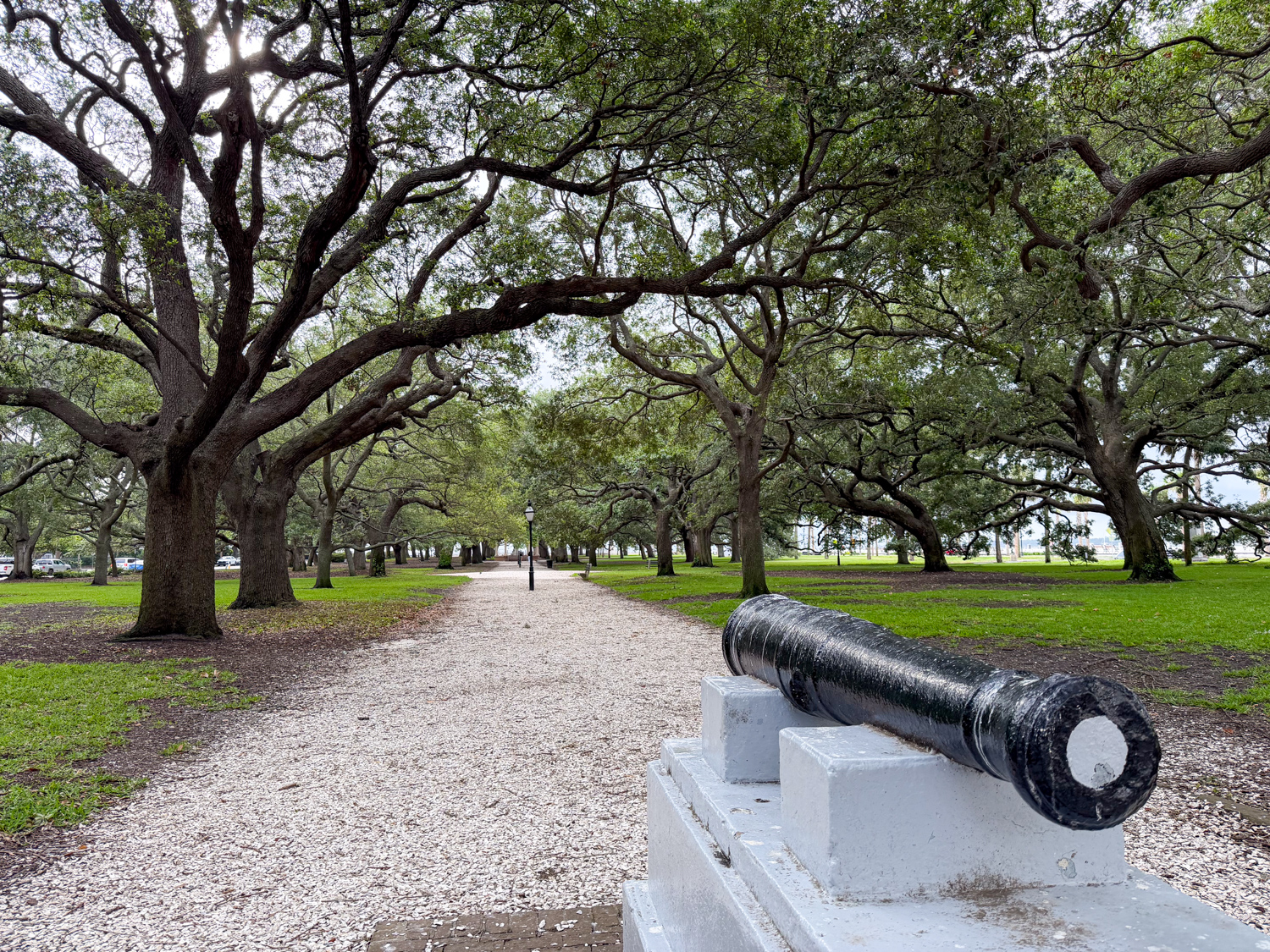
There was something special about Charleston early that Sunday. The streets were nearly silent, the sky thick with clouds, and the cooler air allowed me to take my time with photos of the old houses, no need to rush or dodge crowds.
Walking south on King Street, I turned right on Broad Street to reach my first point of interest, the John Rutledge House Inn, a mansion that dates back to 1763.
After a quick photo, I returned to King Street and continued south for a half-mile to reach the water. Along the way, I passed dozens more historic homes, many of which were designated historic landmarks.
White Point Garden occupies the southern end of the Charleston peninsula, where the Ashley and Cooper Rivers meet. Its live oaks, monuments, and views of the harbor make it a natural turnaround point for a morning walk.
The Battery promenade offers views across the water and passes some of Charleston's grandest homes. Once I reached the promenade, I could feel the 16 mph winds, with gusts up to 25 mph.
I made it up the waterfront to the Public Pier just as the drizzle started, then called a rideshare back to Fulton Lane Inn. That shortcut saved my legs another mile and about twenty minutes. In the end, I spent just over an hour walking, and wouldn't trade a minute of it.
Browse Charleston City Market
Later that morning, Kel and I visited Charleston City Market.
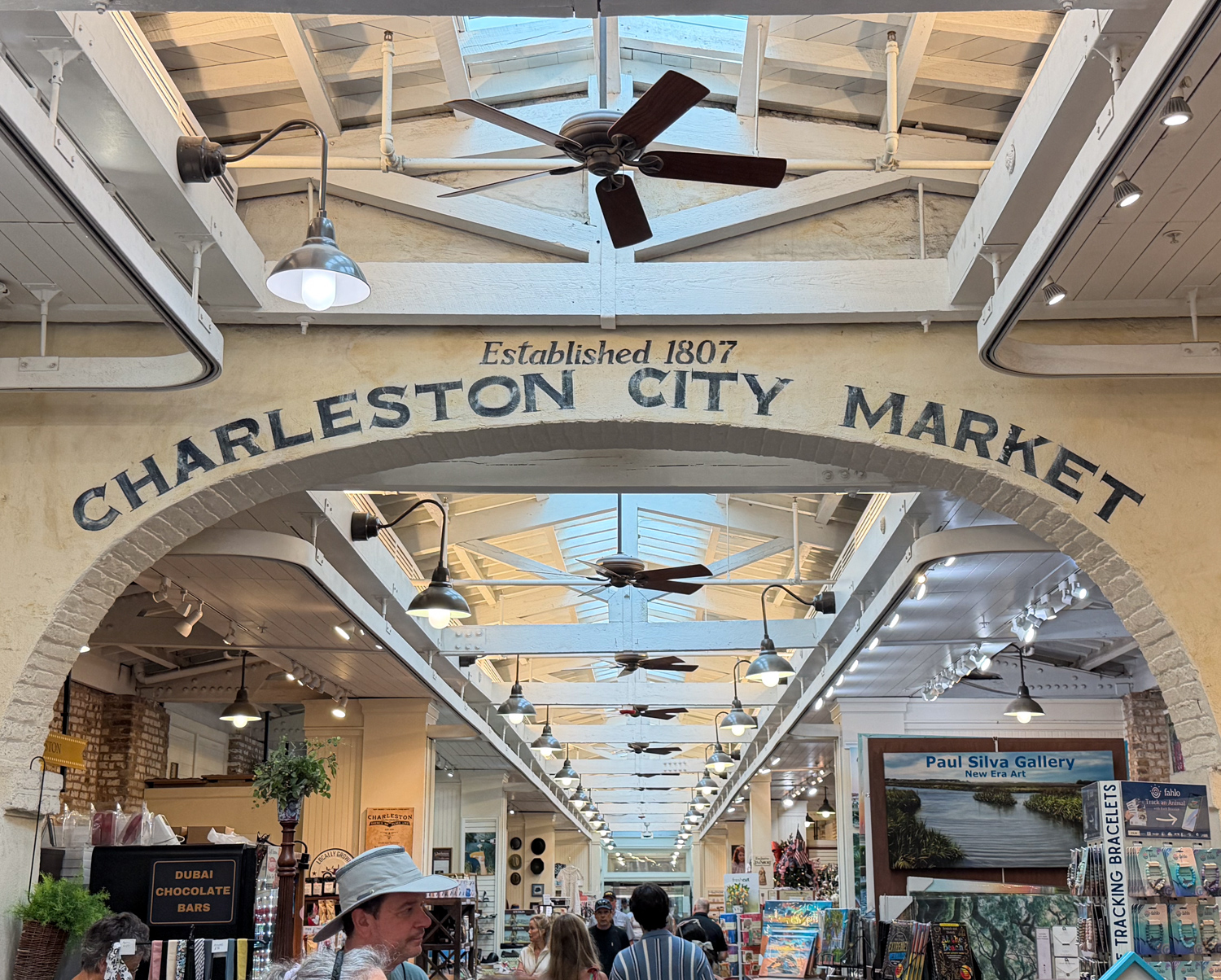
The historic market stretches through several buildings in the center of downtown. Its vendors sell souvenirs, art, crafts, and locally made products. It is also one place where visitors can see sweetgrass baskets, a Lowcountry tradition with deep roots in West African culture.
The City Market is different from the seasonal farmers market in Marion Square. If your schedule is limited, choose based on your interests: Marion Square for a community market atmosphere and City Market for a central Charleston landmark and souvenir shopping.
From the market, we walked past St. Philip's Church, whose steeple is one of the historic district's defining landmarks.
Have Brunch at Husk
We stopped for brunch at Husk before returning to the hotel for a short rest. Husk occupies a beautifully restored Victorian-era home, but brunch felt relaxed rather than formal.
We shared strawberry doughnuts, smoked tilefish dip, buttermilk biscuits, and peppered bacon, but the best part for me was the pastrami brisket dirty rice topped with a fried egg and chili crisp. It was hands-down one of the best bites I had in Charleston.
The break gave us enough time to recover before the afternoon's fixed reservation: a 2:45 p.m. ferry to Fort Sumter.
Take the Ferry to Fort Sumter
Fort Sumter National Monument sits on an artificial island at the entrance to Charleston Harbor. It is best known as the site where Confederate forces fired on the federal garrison in April 1861, beginning the American Civil War.
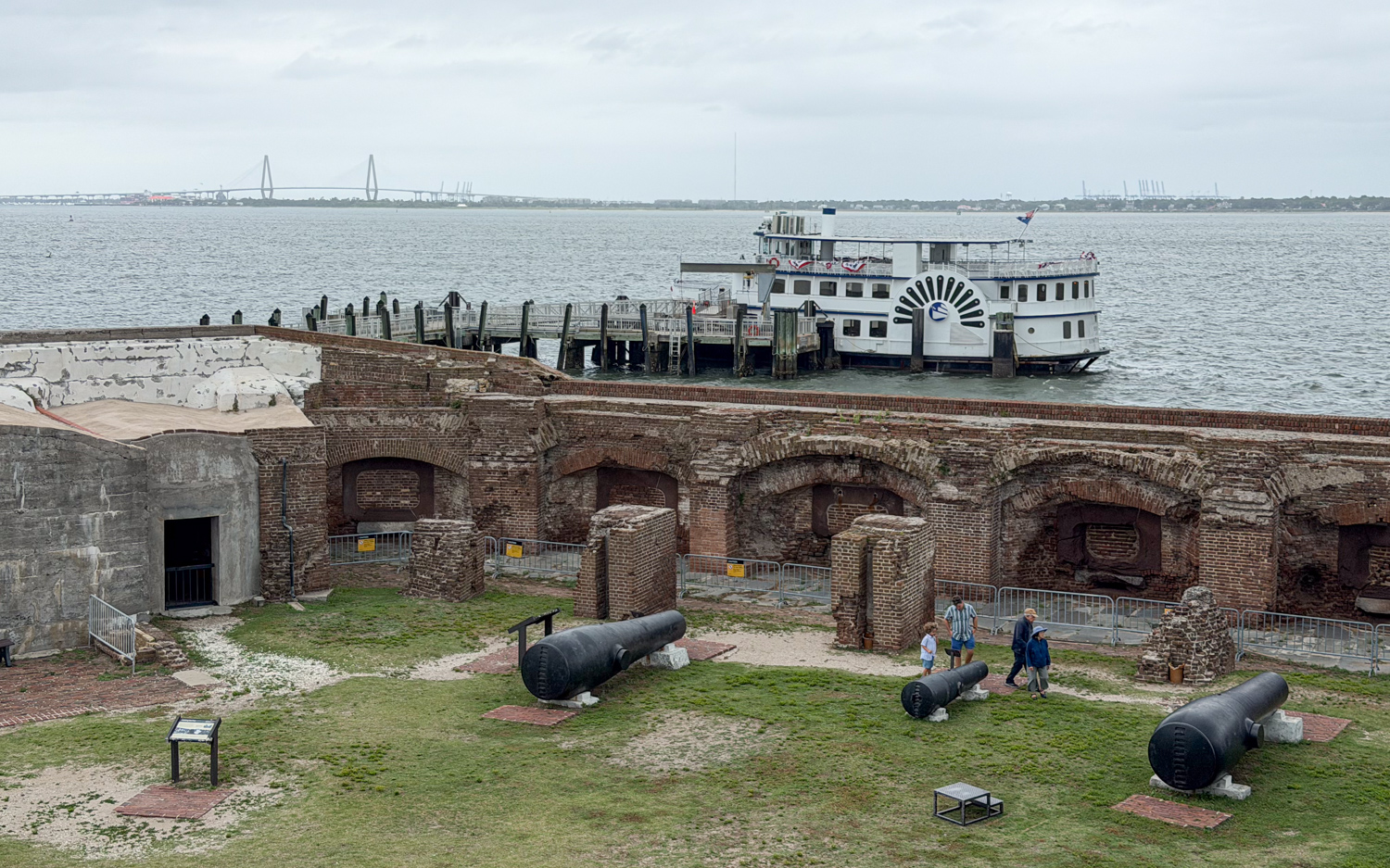
Our tour departed from the Fort Sumter Visitor Education Center at Liberty Square. The 35-minute ferry ride provided another perspective on Charleston's waterfront before we arrived at the fort.
Once ashore, we had 60 minutes to explore exhibits, walk through the remains of the fort, and look back toward Charleston. It began raining before our full time on the island was up, so we hustled back to the ferry with 15 minutes to spare.
We booked and paid for the Fort Sumter tour independently. Reserve your preferred departure in advance, arrive 30 minutes early to check in, and bring sun protection and water during warm weather. Ferry schedules and departure locations can change, so verify the details directly before visiting.
Finish With Seafood and Dessert
After returning from Fort Sumter, we had dinner at The Ordinary, a seafood restaurant inside a former bank on King Street. We followed it with dessert at Carmella's Cafe and Dessert Bar.
Day 4: Charleston's History and Art
Our final day focused on two downtown museums before lunch and our flight home.
Visit the Old Slave Mart Museum
The Old Slave Mart Museum occupies a building once used as part of an antebellum slave-trading complex.
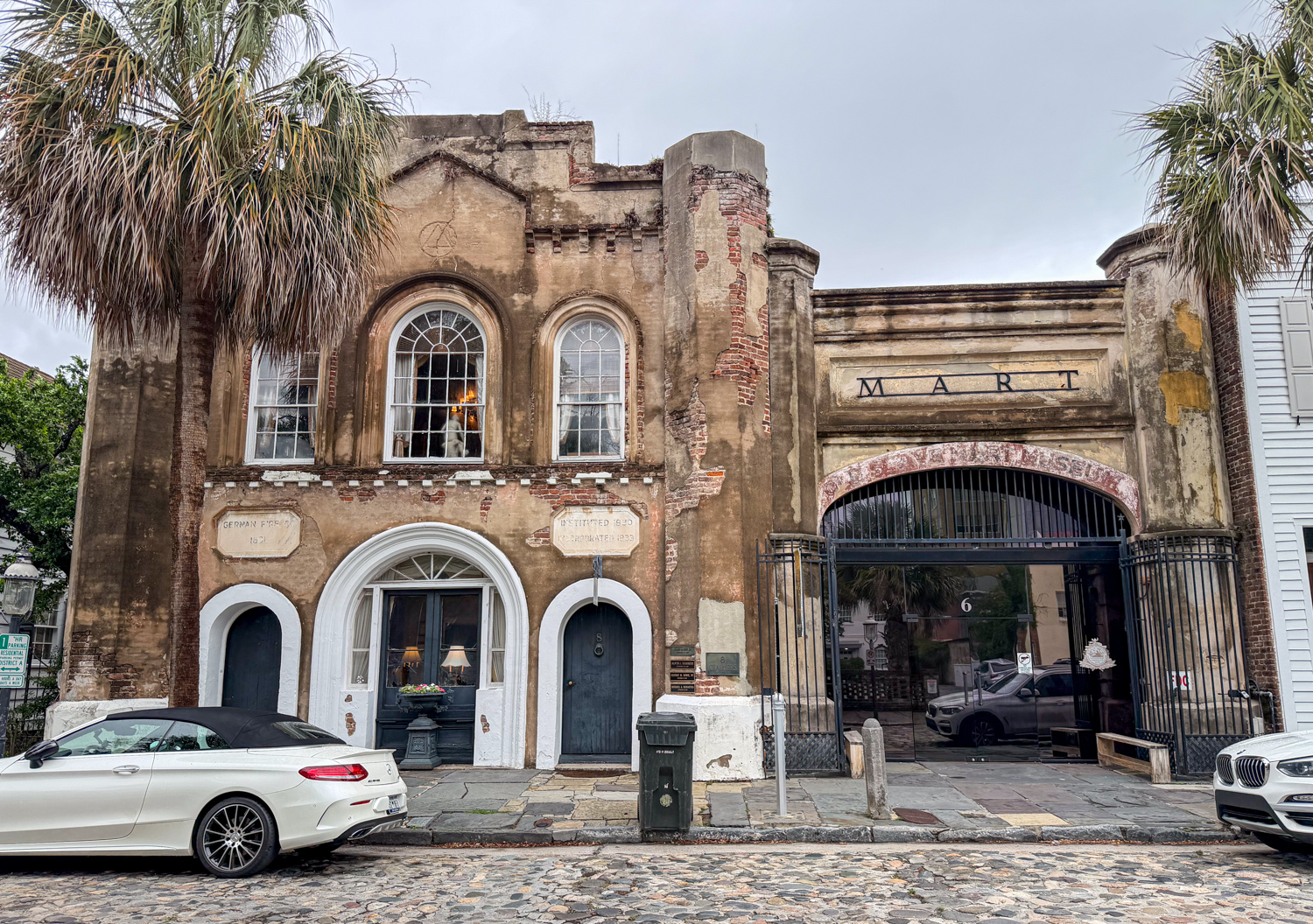
It's easy to get swept up in Charleston's beauty and hospitality, but visiting the Old Slave Mart Museum offered a necessary counterpoint. Its exhibits confront the system of slavery that shaped the city and helped generate much of its wealth.
The museum is small, but the story it tells deserves your full attention. I'd go when you have enough time to absorb it without feeling pressed to move on.
We spent about 30 minutes there. A sign near the entrance asks that you refrain from taking photographs of the exhibits.
Explore the Gibbes Museum of Art
From there, we continued to the Gibbes Museum of Art on Meeting Street.
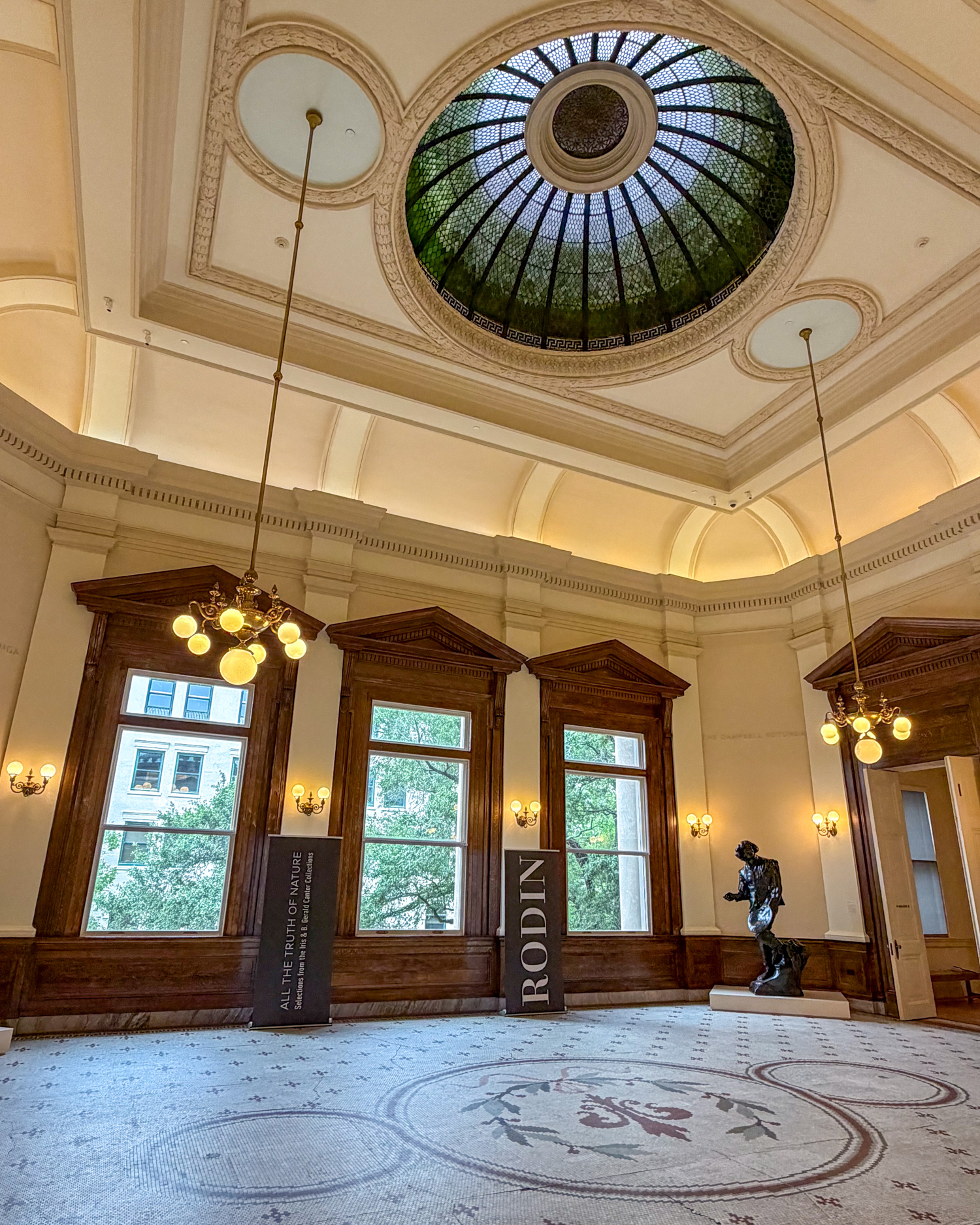
The Gibbes connects Charleston's history with its artistic identity through historical, modern, and contemporary works. Its galleries include paintings, sculpture, decorative art, works on paper, and miniature portraits, with both permanent and rotating exhibitions.
We happened to visit during Rodin: All the Truth of Nature, a long-term exhibit of fourteen bronze statues scheduled to run through January 17, 2027.
The museum is compact enough to fit into a departure day, though if you love art, you could easily linger.
The Gibbes is currently closed on Tuesdays, and it recommends advance admission for weekends. Confirm current details on the Gibbes Museum visitor page before finalizing your itinerary.
Have One Last Charleston Lunch
We finished our sightseeing with lunch at Hyman's Seafood. In this local institution, tables are tagged with the names of the many celebrities, politicians, and athletes who've eaten there over the years.
Depending on your flight time, you could also use the final few hours to return to Waterfront Park, shop along King Street, or pick up souvenirs at City Market.
We returned to Fulton Lane Inn, collected our bags, and took a rideshare to the airport for our direct Southwest flight home to Austin.
Where to Stay in Charleston
Wentworth Mansion
We spent our first two nights at Wentworth Mansion. Originally built as a private home in the 19th century, the mansion now welcomes guests as a luxury hotel packed with period details.
The cupola, afternoon treats, cozy parlor, and breakfast at Circa 1886 made it feel like an experience in itself, not only a place to crash at night.
Wentworth Mansion is a natural choice for a romantic trip, celebration, or traveler who values historic accommodations. To learn more about our experience, read about my stay at the Wentworth Mansion on Feastio.
We covered our last two nights at Fulton Lane Inn, the sister property to Wentworth Mansion. Staying just off King Street put us within easy reach of shops, restaurants, and most of the historic district's highlights.
Unless you're curious about trying two different hotels, there's really no need to switch places halfway through a four-night stay.
The Best Area for a First Visit
If your budget allows, I'd stay right in the historic district for your first trip. Being central means you can walk almost everywhere and skip the headache of renting a car.
You might find cheaper hotels farther out, but weigh those savings against the time and money you'll spend on parking or rideshares.
Getting Around Charleston
We never needed a rental car in Charleston. Walking took us nearly everywhere, and we leaned on rideshares for the airport, the Hunley, hotel changes, or when the weather or distance made walking less appealing.
You'll get to Fort Sumter by tour boat, not by car. Charleston's old streets are full of character but can be tough on your feet-bring comfortable shoes, watch for uneven bricks, and brace yourself for heat and humidity if you're there in the warmer months.
Tips for Planning Four Days in Charleston
- Reserve Fort Sumter and the Hunley before your trip.
- Check the Charleston Farmers Market calendar.
- Verify museum closing days and seasonal hours, and make reservations for in-demand restaurants.
- Schedule outdoor walks early in the morning during warm weather.
- Leave room for an afternoon break.
- Bring comfortable walking shoes, water, and sun protection.
- Don't limit yourself to restaurants and colorful facades. The museums and historic sites are where Charleston's real story comes through.
- Give yourself space to wander side streets, linger by the water, and discover things you won't find in any travel guide.
Is Four Days in Charleston Enough?
Four days was enough to see a lot of Charleston's highlights without feeling like we were racing from one place to the next.
We fit in a lot, but this wasn't a checklist trip. We skipped the beaches and didn't make it to any of the historic plantations-both good reasons to come back another time.
Attractions I'd like to see on my next visit include:
- Patriots Point Naval & Maritime Museum
- International African American Museum
- Charles Towne Landing Visitor Center and Museum
- Magnolia Plantation and Gardens
If you're sticking to the historic district, you could see the main sights in two or three days. That fourth day gives you room for museums, slower meals, and hotel breaks-all things that made our trip feel less rushed.
Charleston also fits naturally into a longer East Coast road trip, particularly when paired with Savannah.
Final Thoughts
Charleston delivered everything I'd hoped for: colorful old houses, historic streets, memorable meals. But what stuck with me most was how much deeper the city's appeal ran beyond those postcard scenes.
In four days, we saw Charleston from the cupola of a 19th-century mansion, along the waterfront, from the deck of a ferry, inside the remains of a Civil War fort, and through museums that revealed so many sides of the city's past and present.
The sunrise from the cupola at Wentworth Mansion lives on in my memory. Watching the first light spill over Charleston before the city stirred was the perfect welcome, and a reminder that the best moments often came when we slowed our pace.
Disclosure: This article was produced in collaboration with Explore Charleston and Wentworth Mansion. The collaboration included two complimentary nights at Wentworth Mansion, dinner at Circa 1886 Restaurant, and media-pass admission for a guest and me to select attractions, including the Hunley, South Carolina Aquarium, and Gibbes Museum of Art. We paid for our two nights at Fulton Lane Inn and purchased the Fort Sumter tour independently.