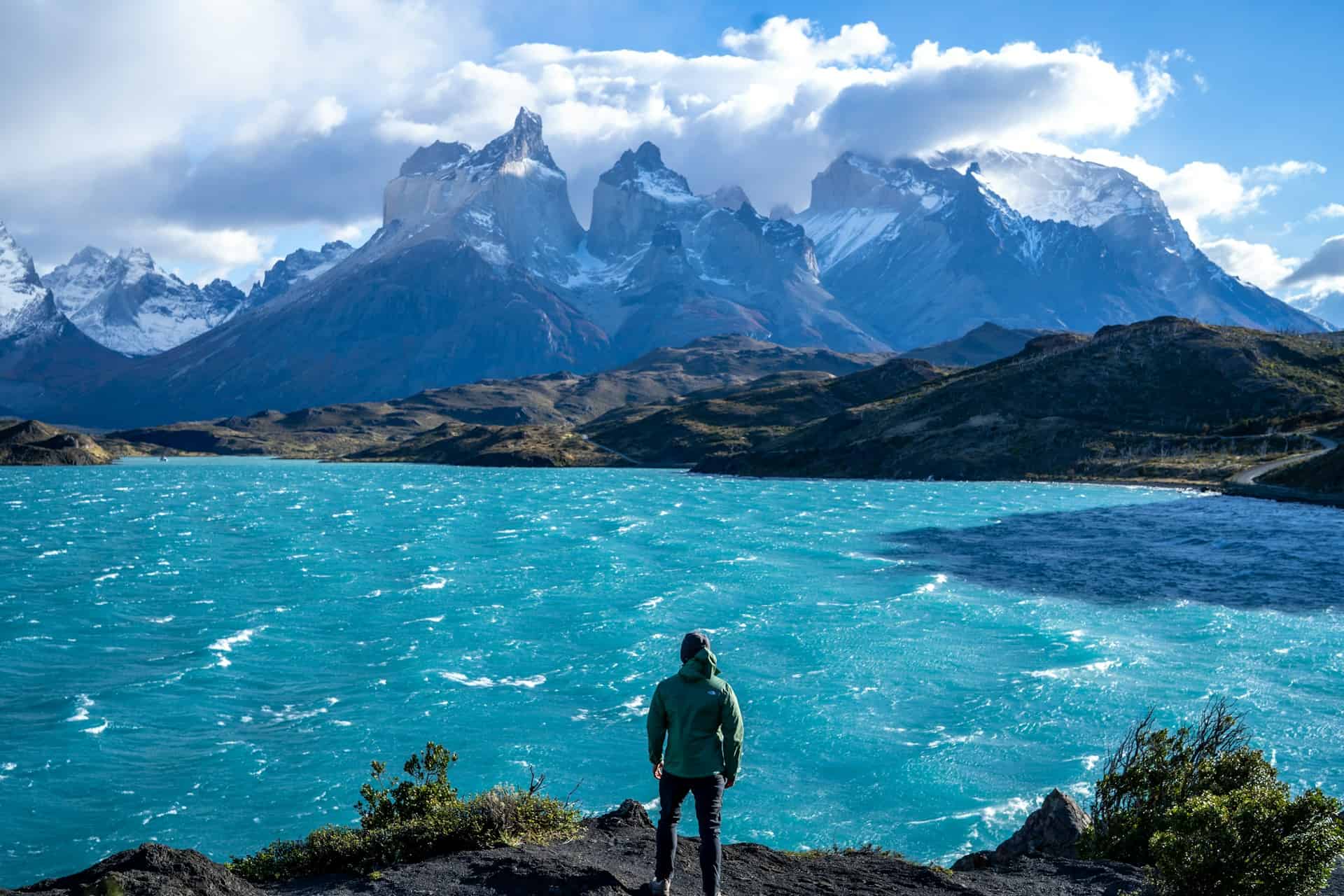
Adventure cats are no longer just a niche internet curiosity. Over the past decade, they've evolved into a recognizable subculture within the solo travel and outdoor communities, complete with specialized gear, training methods, and millions of social media followers.
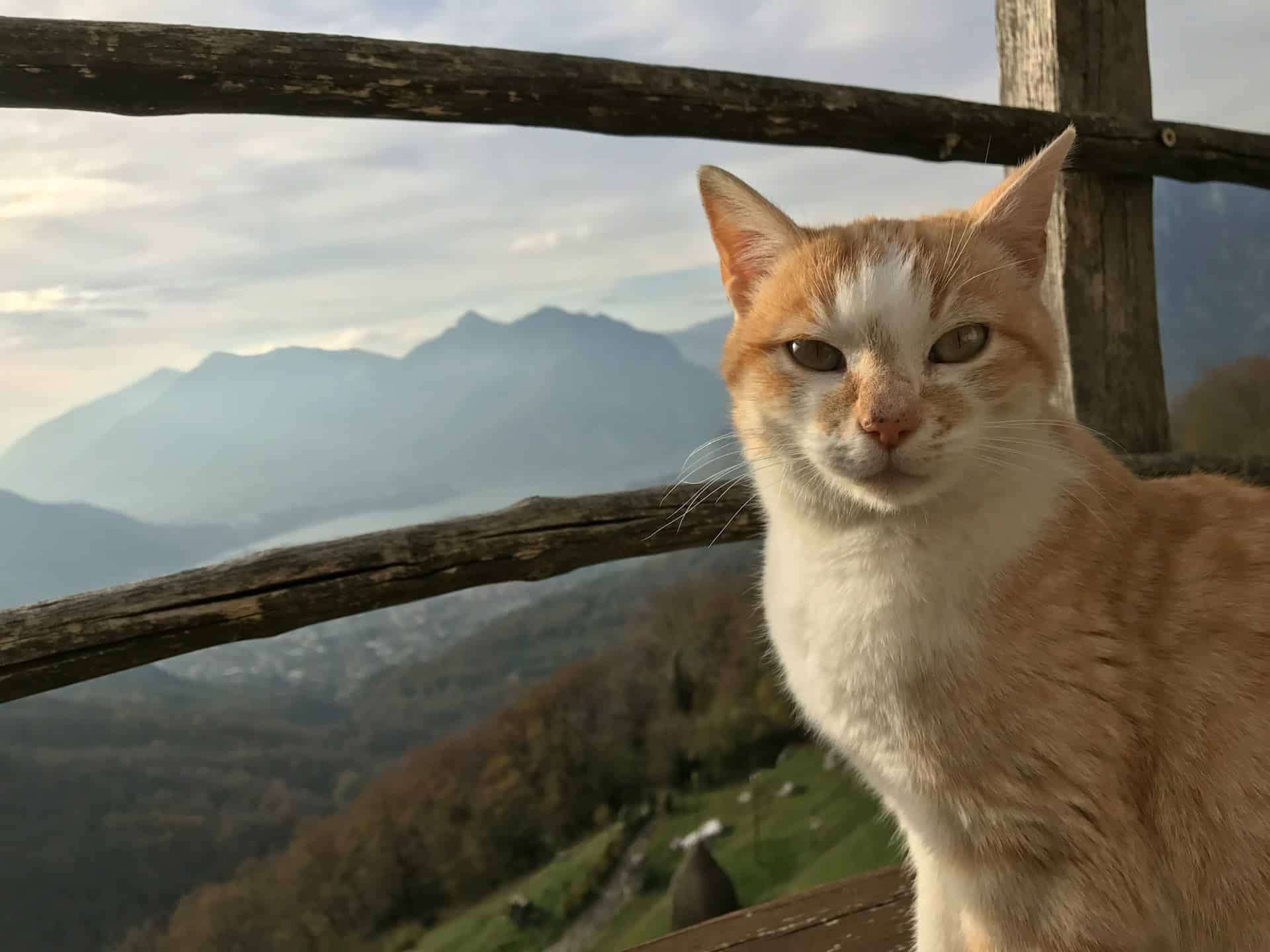
Part of the appeal is that some cats genuinely seem better suited to exploration than others. Research into feline behavior has found measurable differences in temperament between breeds, including activity levels, curiosity, and sociability. Bengals and Abyssinians, for example, are often described as more energetic and exploratory than calmer breeds like the Ragdoll.
For some travelers, a cat breed DNA test has become one way to better understand those tendencies before investing in harness training or outdoor travel.
What Solo Travelers Are Actually Saying
Talk to people in the adventure cat community, and a few themes consistently come up. The first is safety - specifically, its perception.
Solo female travelers, in particular, may find that traveling with a cat acts as a social buffer and conversation opener, changing how they're approached in hostels, on trails, and on trains. A woman alone reads one way to strangers; a woman with a cat in a backpack reads entirely differently and more warmly.
Solo travel often becomes less about checking destinations off a list and more about settling into unfamiliar routines - something many backpackers also experience while traveling slowly, whether that means riding trains across Europe or renting a motorbike in Thailand.
The second theme is the routine. Backpacking can be destabilizing in ways that accumulate over weeks: unfamiliar beds, irregular food, and no fixed social structure. A cat imposes a calm rhythm: feeding times, morning check-ins, and the body weight of an animal that needs you.
Long-term travelers may experience this as a form of grounding they did not anticipate.
Not Every Cat Is Built for This
Cats that genuinely do well on the trail have a specific temperament - high curiosity. Low startle response, meaning they don't spiral into panic at every snapped twig or distant dog bark, and crucially, an attachment to their person rather than to a particular place.
That last one matters more than most people expect. A cat whose entire sense of home is tied to one specific couch in one specific room is going to be stressed anywhere that isn't that couch. A cat whose home is essentially the human they're bonded to - that cat travels with you.
But temperament is just part of the story. The other part is early socialization, which is significant. Cats exposed to varied environments early in life often adapt more easily to travel and unfamiliar settings.
A cat raised in a quiet apartment can learn to appreciate travel, but it takes time and patience, and it doesn't always succeed.
Briefly About the Gear
The learning curve here isn't steep, but it's real and worth recognizing.
Anyone who has been traveling with cats for years tends to agree on a few non-negotiables:
- An H-harness over a vest offers lower escape risk, better weight distribution, and, most importantly, lets the cat communicate discomfort through body language without the harness muffling the signal. A vest can mask many stress signals you want to catch early.
- A carrier backpack with mesh panels and a rigid base is essential. Cats need sightlines and a sense of stability underfoot. A soft, swaying bag with no structure leads to a miserable animal and a hike you'd rather forget.
Anything else (collapsible bowls, cooling mats, GPS trackers) is proportional to the journey's ambition.
Final Say
What's worth considering here isn't the cats, but what the whole thing says about why people travel solo.
The bucket list, golden hour version of backpacking has been losing ground for a while, slowly replaced by something more subdued and more honest-an experience less about collecting locations and more about being in one.
A cat on a trail isn't thinking about the shot. It's reading the smell of the pine needles, deciding whether the ground feels safe, tracking something rustling thirty feet away. Traveling at that pace encourages a slower, more attentive way of experiencing a place.
A lot of solo travelers describe it as the closest they've gotten to being genuinely present somewhere, which is, when you think about it, the thing most of them were looking for all along.
This story was published in collaboration with Basepaws Inc.