Some weekend trips look almost too easy on the map. A few hours in the car, one good hike, maybe a scenic pullout or a small-town dinner on the way back. By Sunday night, you're home with dusty shoes and enough energy left to unpack.
That's the idea, anyway.
The trouble usually starts when the weekend is treated like a miniature expedition. Too many trails, stops, and miles between everything. A road-to-trail trip works best with some breathing room built in from the start.
Let the Drive Have a Vote
On Friday night, the drive often becomes the trip before the trail gets a chance. The same four hours that looked harmless at lunchtime can feel much longer after work, with headlights ahead, groceries in the back seat, and everyone pretending they are not hungry. One slow rental-car line can make the easy evening vanish.
On paper, the drive is just a blue line. In the car, it is gas stops, detours, and the moment someone realizes the last affordable pump was 40 miles back. That is where Omni Calculator's fuel cost calculator earns its keep: not as a big planning ritual but as a quick way to see what the drive will likely cost before the weekend starts spending money on its own.
Remote trailheads make those guesses louder. So do scenic roads that trade fast miles for prettier ones.
It is also worth looking at where the last reliable services are. In some places, the final town before the trailhead has everything: gas, coffee, sandwiches, and a grocery store. In others, it has one pump, limited hours, and a restroom key attached to a wooden paddle.
That last stop has a way of deciding the mood of the first morning.
Give the Main Hike Some Room
Saturday needs one anchor: the trail you would still be glad you chose if the rest of the weekend stayed quiet.
Two trails with the same mileage rarely feel like twins. Sand steals a little from every step. In thin mountain air, a snack break feels planned instead of lazy. Add switchbacks, heat, and a group that stops for every good view, and the easy half-day you pictured can grow teeth.
That is where Omni's hiking time calculator fits without making the trip feel overplanned. It puts distance and elevation in the same room for a minute, which is often enough to show whether the hike belongs in the center of the day or needs a smaller slot.
A rough estimate that crowds sunset, dinner, or the drive home is not a failure. It is a useful warning while the weekend is still a plan.
Weekends often get better once they shrink a little. The trail that brought you there should not compete with a crowded afternoon checklist. A waterfall, overlook, brewery, beach walk, or roadside diner feels better when it isn't wedged between two hikes and a long drive back.
Shape the Weekend Before It Shapes You
A road-to-trail weekend needs some edges. Not a rigid schedule, just enough shape to keep the trip from spilling over into exhaustion.
The Friday Approach
Friday works best as the approach. The point is not to squeeze in a bonus adventure but to wake up close enough that Saturday morning does not start with a long, grumpy drive.
A campground, motel, cabin, or small town near the trailhead may not be the most exciting part of the trip, but it buys time. It also gives the boring little tasks somewhere to happen: checking the forecast, filling bottles, charging the phone, and moving snacks from the grocery bag into the daypack.
None of that sounds exciting until 6:30 a.m. when the car is already packed.
Saturday, Before the Crowds
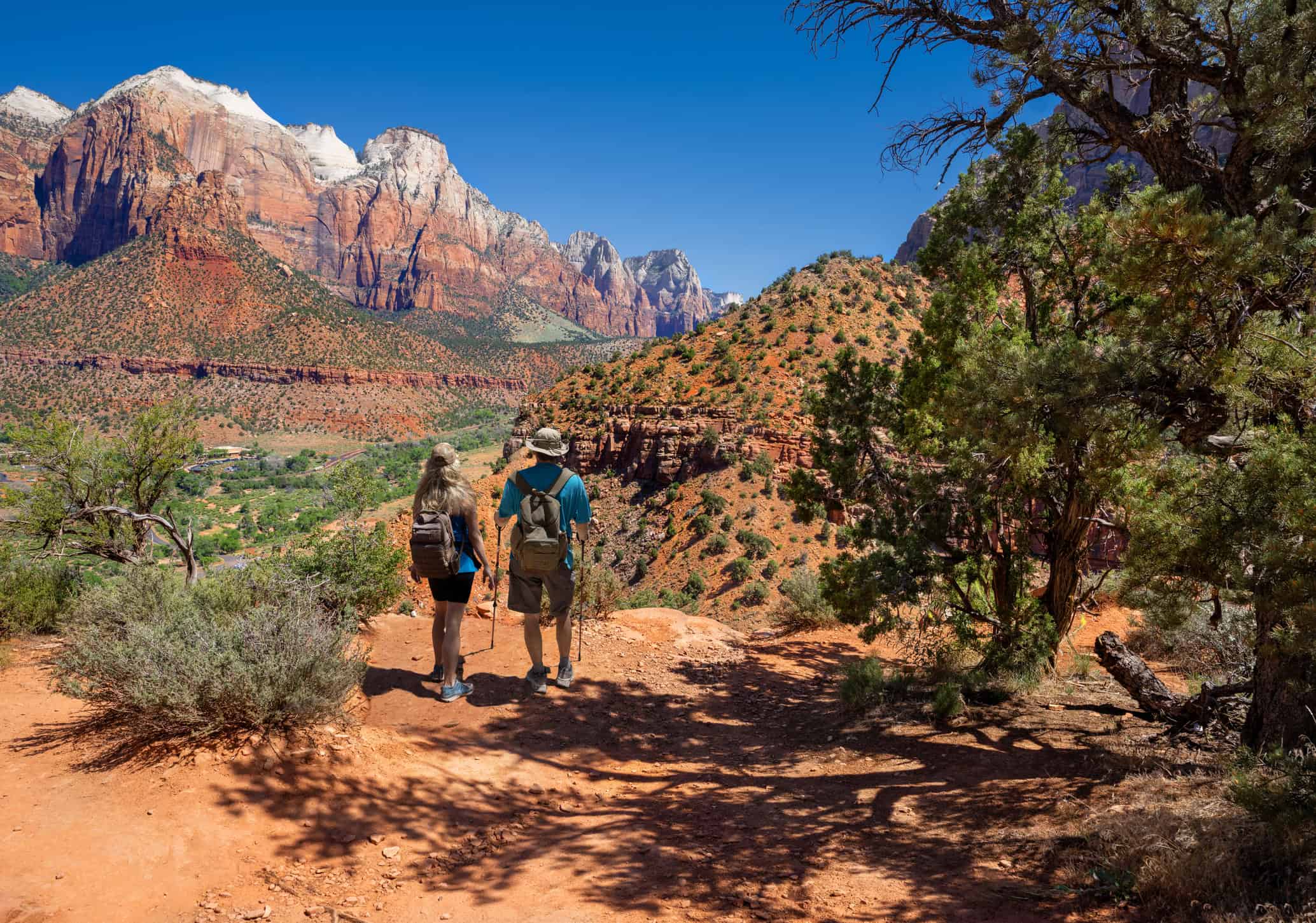
Saturday morning is a part of the weekend worth protecting. Before the parking lot fills and the sun hardens the trail, everything tends to move with less friction: boots go on, bottles get passed around, and the first mile starts before the day has a chance to argue.
Crowds change the rhythm. So does heat. By late morning, the same path may have people paused in the middle, sorting sunscreen, snacks, and group photos while everyone behind pretends not to mind.
By the time the boots come off, the day has usually changed its mind. The overlook that sounded essential over breakfast may not beat a cold drink, a clean shirt, and half an hour with nowhere to be. One gentle stop on the way back can be enough, especially when the main trail has already done its job.
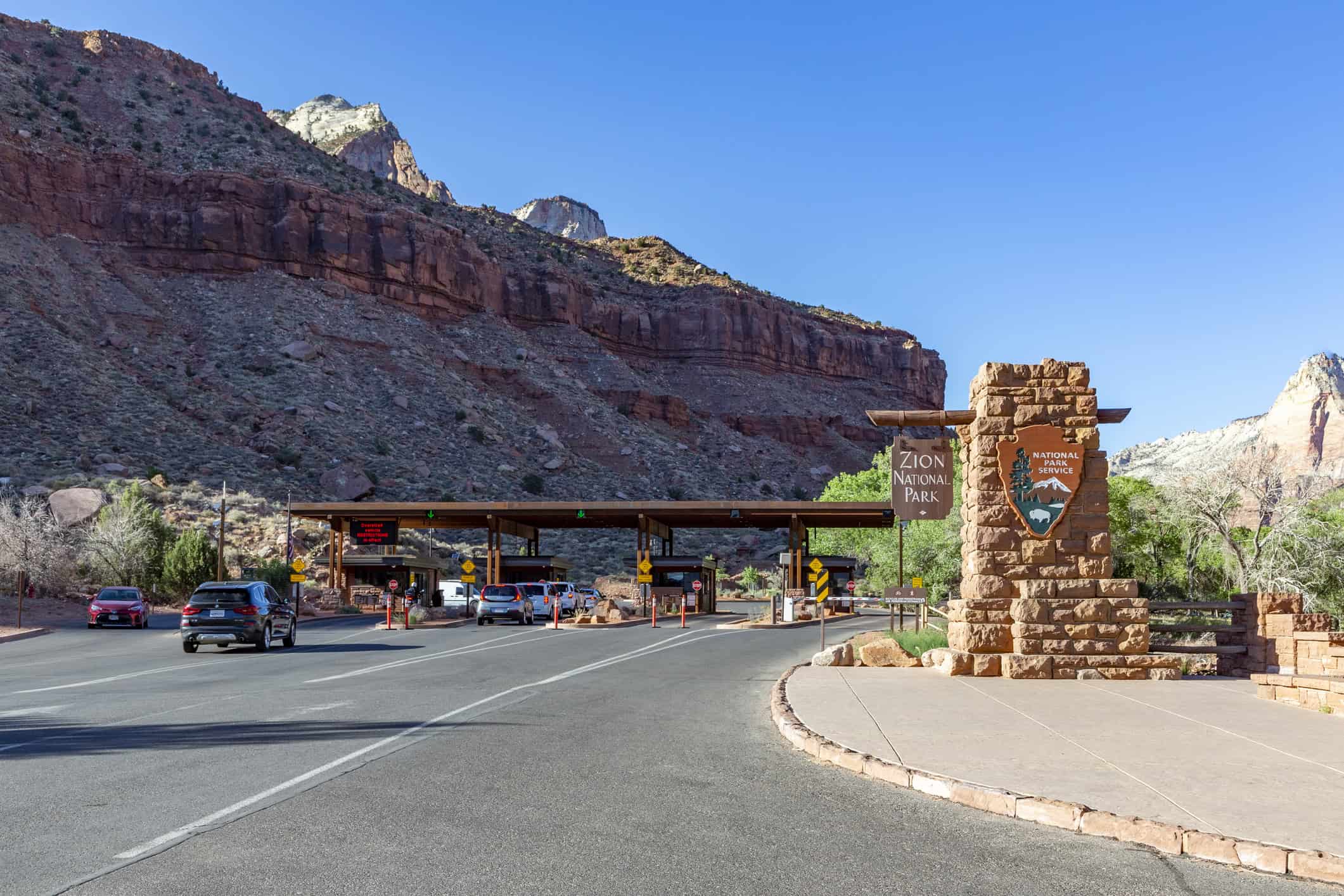
On Go Backpacking's road trip to Zion National Park, the strongest days come from matching the drive with the trail instead of trying to collect every famous stop before dinner. That same logic works for smaller weekend trips, too.
The Sunday Exit
Sunday is where ambitious weekends usually go wrong. A sunrise stroll, short nature trail, local breakfast, or scenic pullout leaves a better taste than one more hard hike followed by a tense drive home.
Traffic, wet gear, slow checkout, and tired legs all belong to the final day, whether they were invited or not. A lighter Sunday gives them somewhere to go.
The final morning should feel like a soft landing, not a second summit attempt.
Pack for the Hour You Didn't Expect
Weather gets most of the attention, but the awkward hour usually catches people out: the late start, the wrong turn, the lunch break that runs long, the last mile that feels longer than the first five.
At noon, the extra bits in the pack can feel ridiculous. A headlamp in bright sun. A layer no one wants to carry. The map was downloaded twice because someone got nervous at breakfast.
Then the shade drops into the trees, the parking lot stubbornly stays out of sight, and the small "just in case" items stop looking silly.
The National Park Service says it plainly in its Leave No Trace guidance: plan ahead and prepare. On a weekend hike, that does not need to feel like a lecture. Know the route well enough to stay on it, bring what the day may ask for, and leave no orange peels, wrappers, or boot prints where they do not belong.
That last part gets easier when the day still has some slack. A rushed hiker is more likely to cut a corner, step off the trail, or leave the orange peel in a pocket for later and forget about it. A calmer day gives better habits room to survive.
Keep the Budget Honest
The phrase cheap weekend getaway always sounds lighter than the receipt pile feels on Sunday night. Fuel hides in plain sight. So do parking envelopes, park passes, ice, firewood, breakfast burritos, campsite fees, and the sandwich bought at 3 p.m. when the camp stove suddenly felt like too much effort.
No one wants a hiking weekend to feel like bookkeeping. Still, a few numbers on Thursday can make Saturday go more smoothly. When the basics are accounted for, there is less second-guessing over coffee, trail snacks, or that one good meal after the hike.
A tighter budget changes the shape of the weekend, but it does not have to drain the fun. Maybe the paid cave tour waits for another trip, and Sunday becomes a slow walk through town before the drive home. Maybe the overlook a mile past the visitor center gives you the best photo of the whole weekend. The cheaper trip is sometimes the one with more room to notice where you are.
Go Backpacking's guide to free and cheap things to do in Seattle works from that same travel instinct: leave enough money for the parts that matter, and do not assume every good stop has a ticket window.
Final Thoughts
A good road-to-trail weekend should still feel like a weekend when you get home.
The proof is usually untidy. Grit falls out of the shoe tread near the door. A half-full water bottle rolls around in the back seat. One photo - crooked horizon, bright sky, someone's sleeve in the corner - stays open longer than the emails behind it.
That is enough. Not every stop made the cut. The one left behind is just a reason to point the car that way again.
This story is published in collaboration with Omni Calculator.