
Airline ticket prices often appear to be random to travelers, but more than sheer random volatility is at play, influenced by international economic developments. From inflation and fuel prices to passenger demands and exchange rates, there are several variables capable of substantially altering airplane travel costs. Understanding these can help travelers better comprehend developments, plan more effectively, and avoid unnecessary expenses.
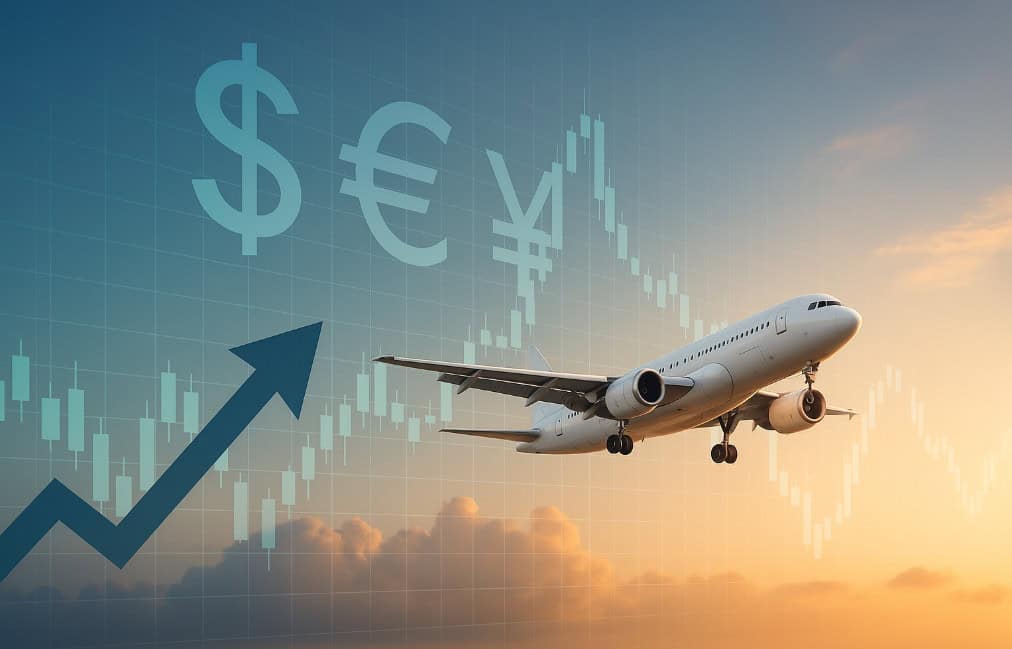
One such trend in overseas travel is fluctuations in transatlantic ticket rates. As a case in point, during periods of favorable U.S. dollar strength relative to the euro, European flights become relatively inexpensive for American travelers. Travelers seeking to take advantage of these opportunities often search for cheap flight deals to Europe, which can make cross-continental journeys more accessible without compromising quality.
Travel behavior is also impacted by economic cycles. When it comes to global expansion, disposable incomes rise, and travelers go out more frequently.
During an economic slowdown or decline, airlines often reduce prices to increase demand. Alternatively, they may raise prices if operating costs rise at a faster rate than recoveries in demand. Travelers can more strategically choose to book flights and at what time if they can see these dynamics.
Key Economic Factors That Affect Airline Prices
1. Oil Prices
Jet fuel is one of an air carrier's most significant operating expenses, accounting for approximately 25-30% of total costs. When oil prices spike suddenly, ticket prices also go up. When fuel prices decrease, carriers can lower their prices or add new routes.
2. Inflation
Overall inflation impacts everything from labor wages and airport fees to catering and maintenance of an aircraft. Smaller inflationary increments can trickle down to ticket prices, as airlines operate on thin profit margins.
3. Currency Exchange Rates
International air tickets are sold in multiple currencies. When one of the local currencies falls in value against the U.S. dollar (the industry norm for airlines' business), ticket prices appear to travelers in this market to be out of proportion.
4. Supply and Demand
Holidays, events, or unexpected increases in tourism can lead to price increases. Slow-demand days can prompt carriers to offer specials or discounted seats in an effort to fill their planes.
5. Government Policies and Taxes
Airfield charges, carbon taxes, or tax requirements on sustainable aviation fuels can raise ticket prices. The passengers see these adjustments being made directly to the end ticket prices, sometimes without even knowing their origin.
Economic Trends and Their Direct Impact on Airline Ticket Prices
Air ticket prices do not happen in isolation and have strong connections to broader economic pressures. Every variable, from fuel costs to government taxation, leaves a discernible impact on consumers' payments in the long run.
The table below highlights the key economic drivers and their short- and long-run effects on ticket prices.
| Economic Factor | Typical Effect on Ticket Prices | Short-Term Impact | Directly raise the final ticket price |
| Fuel Prices | Higher fuel costs mean higher fares. | Immediate | Volatile, tied to global oil markets. |
| Inflation | Gradual ticket price increases. | Steady | Persistent if inflation remains high. |
| Currency Exchange Rates | Weak local currency equals more expensive tickets. | Variable | Dependent on global monetary policies. |
| Consumer Demand | Increased demand equals higher fares during peak times. | Rapid | Seasonal cycles repeat annually. |
| Government Taxes/Fees | Directly raise the final ticket price. | Immediate | Likely to rise with climate initiatives. |
Seasonal and Cyclical Influences
Flight costs aren't only influenced by large-scale economic trends, but also by seasonally regular cycles. Peak periods tend to occur during the summer and holidays, and prices tend to increase during these times as well. During the offseason, airlines tend to offer discounted tickets to boost travel.
Knowing these cycles allows travelers to avoid incurring excessive costs by planning vacations during shoulder seasons, which typically have lower rates and fewer tourists at popular sites.
Additionally, exogenous outside events, such as pandemics or financial crises, can presumably reprice overnight. For instance, during uncertain times, airlines can drastically reduce prices to incentivize hesitant travelers to fly.
Understanding the interrelationship between macroeconomic shocks and air travel prices can offer travelers a valuable edge in their travel decisions.
The Role of Technology and Competition
Economic situations also play a critical role in determining competition and technological investment in the airline industry.
When airlines profit during periods of financial stability and prosperity, they can afford to invest in newer, more fuel-efficient aircraft and state-of-the-art digital infrastructure, which can reduce long-term expenditures and, in turn, maintain stable ticket prices.
Competition between low-cost and full-service airlines also helps maintain lower prices, as both operators strive to win more business by offering superior prices or additional services.
On the other hand, in economic downturns, heightened costs, or demands to meet regulations, carriers can consolidate through mergers or with strategic alliances. This form of consolidation often decreases the force of competition and lowers prices by narrowing the number of competitors on specific routes.
At those times, travelers will pay more in fares and have fewer options, illustrating how shifts in the economy as a whole have direct impacts on both the structure of competition and the affordability of flights.
How Travelers Can Use Economic Trends to Their Advantage
- Monitor Fuel Price Trends. Keep an eye on oil prices; rising oil prices usually indicate rising air ticket prices.
- Monitor Currency Fluctuations. Should your currency gain strength over the destination's, tickets could become less expensive.
- Book Early While in Growth Cycles. When economies experience expansion, demand increases rapidly; advance ticket purchase can help you avoid abrupt price increases.
- Aim at Off-Peak Seasons. Off-peak travel can save you hundreds of dollars.
- Stay Up to Date on Policies. New aviation taxes or regulations on green fuels can lead to unexpected expenses; being aware of them beforehand helps you budget realistically.
Airline ticket pricing is a direct reflection of broader economic realities. By paying attention to fuel markets, inflation, currency values, and demand cycles, savvy travelers can position themselves to secure more affordable fares and find cheap flight deals to Europe at cheapfirstclass.com.
Rather than seeing airfare shifts as arbitrary, understanding the underlying economic trends transforms unpredictability into opportunity.
Travelers who understand how broader economic trends influence airfare can better anticipate when prices are likely to rise or fall. With thoughtful planning and awareness of factors like fuel costs, inflation, and demand cycles, it becomes possible to make journeys not only more affordable but also more strategically timed.
_____
This story is brought to you in collaboration with CheapFirstClass.