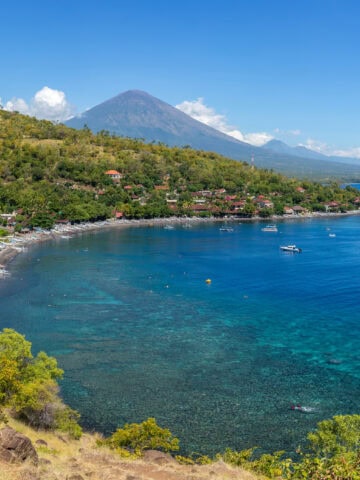
I arrived in Bali at 1:40 a.m., sweaty, sleep-deprived, and absolutely convinced I'd made a mistake.
The airport Wi-Fi barely worked, my backpack had a faint mildew smell from a ferry ride in Lombok, and every second person in arrivals seemed to be filming TikToks about "living intentionally" while dragging a Rimowa suitcase through customs.
Bali in 2026 is weird.
Not bad weird. Just… layered. The island that backpackers once talked about in hostel bars has become a strange hybrid of surf culture, startup retreats, spiritual tourism, barefoot luxury resorts, and travelers trying to "find authenticity" while ordering oat milk matcha for $9 in Canggu.
And yet, somehow, I still love it.
Because underneath the influencer circus and endless coworking spaces, Bali still rewards travelers who are curious, flexible, and willing to leave the obvious places behind.
Before getting too deep into route planning, scooter rentals, and cheap nasi campur spots, I'd strongly recommend sorting out the practical side first, especially entry fees and arrival requirements. A lot of travelers are still confused about how to pay the Bali tourist tax, even though the process itself is fairly simple once you know what to expect.
That small preparation matters more than people think. Nothing kills the post-flight backpacker vibe faster than standing in an airport queue watching exhausted travelers panic-scroll through screenshots. At the same time, immigration officers repeat the same instructions for the hundredth time.
Bali's Backpacker Scene Has Changed, But Not in the Way People Think
The internet loves dramatic takes on Bali now.
"It's over-touristed."
"It's become too expensive."
"It's fake."
"It's all influencers."
Honestly? Parts of that are true. But people said the same thing about Bali ten years ago, too.
What's changed most isn't the island itself. It's the speed-of-travel culture. Everyone arrives with expectations affected by social media.
Travelers want hidden waterfalls that already have queues. They want untouched beaches with drone-friendly lighting. They want spontaneous experiences planned perfectly in advance.
The funny thing is, Bali still feels magical the moment your plans fall a little short.
For me, that happened after I missed a shuttle near Ubud and ended up riding in the back of a produce truck with two local women carrying baskets of flowers to a temple ceremony.
Nobody spoke much English, and I spoke terrible Indonesian. But somewhere between traffic jams and laughing at my oversized backpack, the island suddenly seemed human again.
That's the Bali I still come back for.
Why Backpackers Are Leaving Canggu Faster in 2026
Canggu still has incredible cafés, good surf, nightlife, and some of the best hostel social scenes in Southeast Asia. If you're traveling solo, you'll meet people ridiculously fast there.
But backpackers in 2026 are also quickly burning out on it.
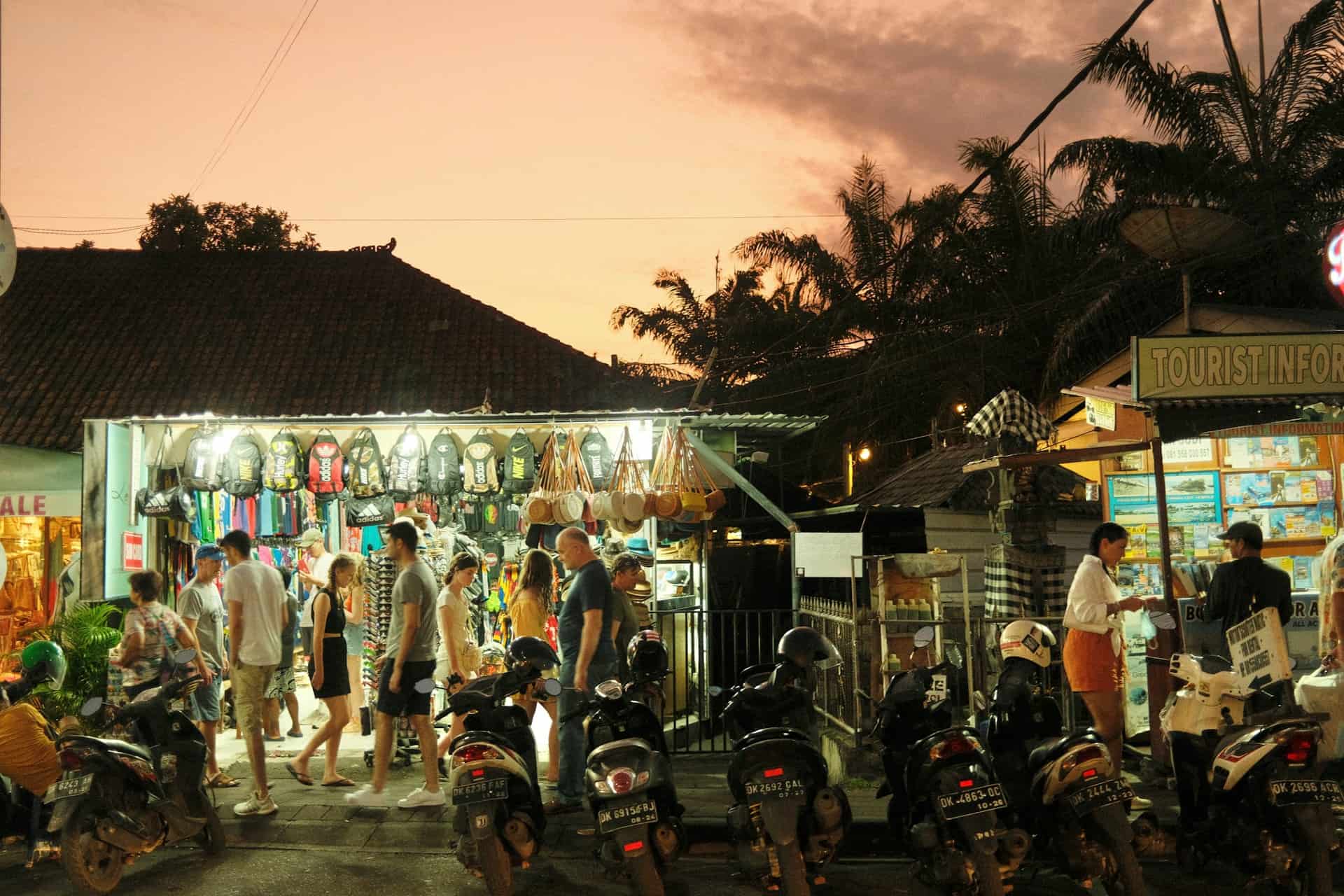
The traffic has become legendary. A one-mile scooter ride can feel existential. Prices have climbed. More travelers realize they didn't fly across the world to sit beside laptops all day listening to productivity podcasts.
So people are moving again.
East Bali Is Having a Moment
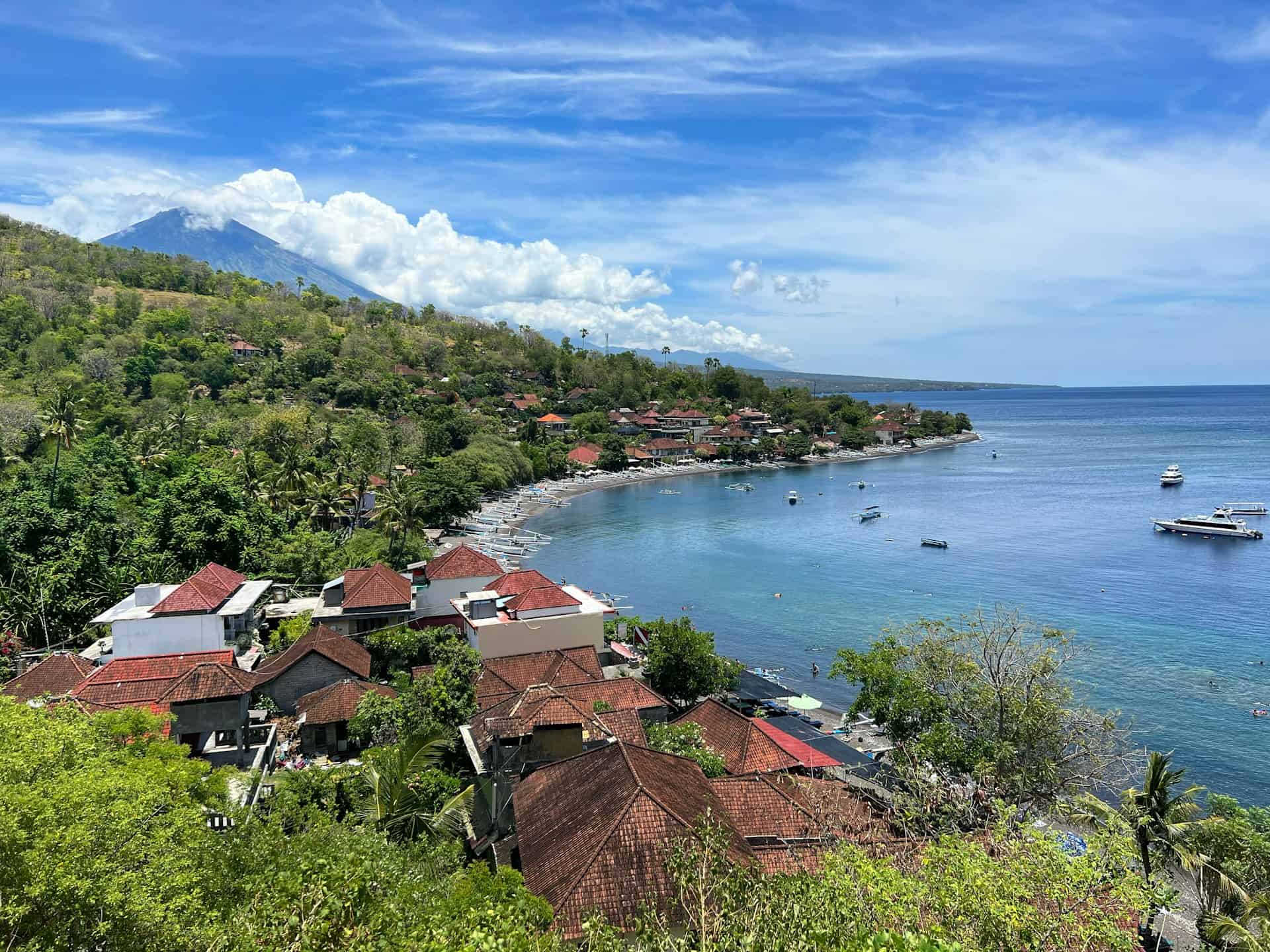
Amed especially feels like the place backpackers whisper about after they've had enough of western Bali. It's slower, cheaper, and still deeply connected to fishing culture. You wake up early because the village does. Boats head out at sunrise. The mountains loom behind black volcanic beaches.
The snorkeling is unreal, and unlike parts of southern Bali, conversations there still feel more about travel than personal branding.
North Bali Still Feels Wild
Lovina and the northern coast are pulling in travelers who want waterfalls, jungle roads, and fewer smoothie bowls. Accommodation is cheaper, and scooter rides are scenic again rather than stressful.
You trade beach clubs for still evenings and thunderstorms rolling over the hills.
Worth it.
The Nusa Islands Are Backpacker Currency Again
Nusa Penida and Nusa Lembongan are still busy, but they've become almost mandatory stops for backpackers doing longer Indonesia routes. The cliffs, diving, and rougher island energy stand in stark contrast to Bali's increasingly polished image.
The trick is staying longer than two nights. Most people rush through. The best moments happen after the day-trippers leave.
Budget Travel in Bali Is No Longer "Cheap," But It's Still Possible
This surprises first-time travelers the most.
Bali can drain your budget if you travel the way Instagram suggests. Daily brunches, coworking memberships, imported food, beach clubs, and private villas add up fast.
But backpacker Bali still exists.
I spent less money in Bali after I stopped trying to optimize everything.
Warungs serving local food are still affordable. Guesthouses run by local families are often quieter and more interesting than trendy hostels. Overnight ferries remain chaotic but budget-friendly. Renting a scooter outside tourist hotspots still costs far less than people expect.
The biggest budget mistake travelers make now is trying to cheaply recreate a luxury lifestyle instead of properly embracing backpacking.
The Overnight Ferry That Nearly Broke Me
My favorite travel memory from this latest trip to Indonesia wasn't even in Bali.
It was the overnight ferry from Lombok.
Nobody slept. A guy played soft techno music from his phone until 3 a.m. Chickens appeared at some point; I still don't know how. The floor was sticky, the air-conditioning barely worked, and I spent six hours doubting every life decision that had brought me there.
And somehow it was perfect.
Today's travel can become too curated. Too optimized. Backpacking still matters because it interrupts comfort. It forces interaction. It creates stories you never could have planned.
That's something Bali still does brilliantly if you let it.
Before You Go: What Backpackers Should Know for Bali in 2026
Sort Arrival Requirements Early
Indonesia's entry systems evolve regularly, and Bali's tourist levy catches some travelers off guard. Handle the admin side before flying so your arrival is smooth, not stressful.
Don't Overplan Your Route
The best Bali trips usually shift halfway through. You'll hear about places from other travelers. Someone will recommend an island you hadn't considered. Stay flexible.
Travel Slower
A week in Bali disappears instantly. Two or three weeks let the island unfold differently. You stop rushing between "must-see" spots and actually notice things.
Learn a Little Indonesian
Even basic phrases change interactions completely. Simple greetings and thank-yous go a long way outside tourist-heavy areas.
Leave the Content Race Behind
Every sunset doesn't need documenting. Some of my best moments in Bali happened when my phone battery was dead.
The Version of Bali Worth Finding
Bali isn't ruined.
It's just louder now.
But underneath the noise, the island still rewards backpackers willing to drift a little farther, stay a little longer, and let go of the fantasy version they arrived expecting.
You'll still find quiet roads lined with rice fields. Tiny warungs with incredible food. Random conversations that become friendships. Ferry rides that feel mildly unsafe but unforgettable. Beaches where nobody cares about algorithms.
The best parts of Bali were never the polished parts anyway.
They were always the moments you couldn't plan.
This story was published in collaboration with IndonesiaVisaOnline.com.