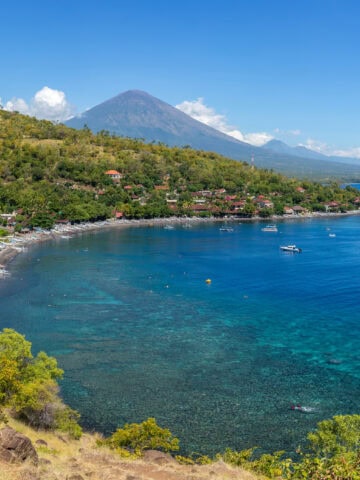
Bali has long been a popular destination for travelers seeking culture, nature, and affordability. In recent years, the island's tourism landscape has changed.
What was once known mainly for budget guesthouses, surf camps, and spiritual retreats is now also defined by a growing wave of high-end, sustainability-focused hospitality.
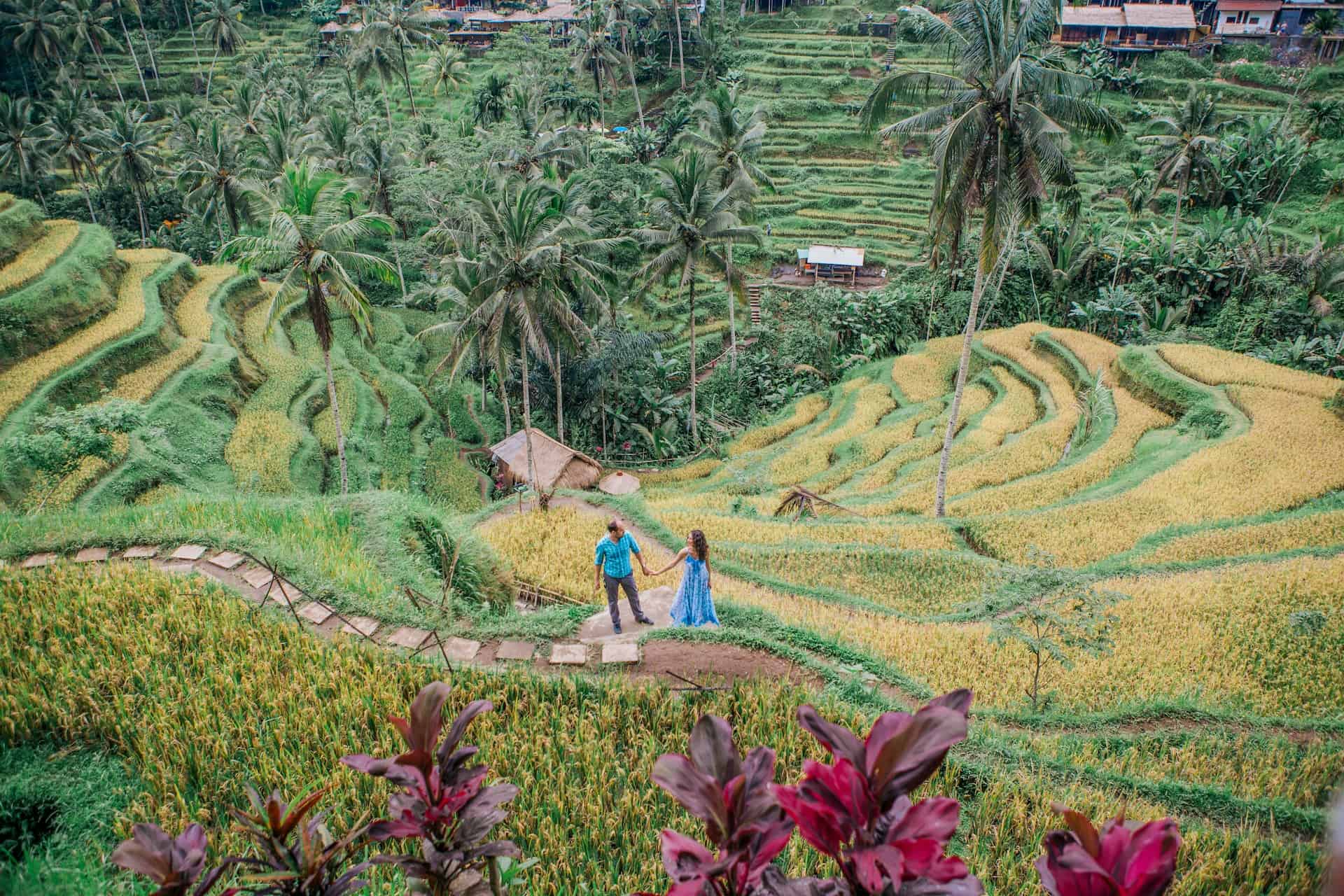
For backpackers and independent travelers, this shift raises an important question: how does the rise of "conscious luxury" in Bali affect the travel experience?
The answer is slightly more subtle than it might seem.
A Shift Toward "Conscious Luxury"
Modern hospitality in Bali is no longer just infinity pools and private villas. Many new developments are built around the concept of "conscious luxury," in which environmental accountability and cultural conservation are integral to the experience.
This approach is typically rooted in the Balinese philosophy of Tri Hita Karana, which emphasizes harmony between people, nature, and the spiritual world. While this concept has always existed locally, it's now being actively integrated into how resorts operate, from energy use to guest experiences.
For travelers not staying in luxury properties, this shift is becoming more visible. Restaurants, cafés, and accommodations across price ranges are adopting eco-friendly practices, from minimizing plastic waste to sourcing local ingredients.
What the Bali Tourist Levy Means for Travelers
One of the most noticeable changes is the introduction of the Bali Tourist Levy for international travelers. This required fee is designed to support environmental protection efforts, including coral reef restoration, waste management, and cultural conservation.
While it is a small additional cost, it reflects a more general trend: Bali is balancing tourism growth with long-term sustainability.
For backpackers, it is a reminder that even budget travel contributes to the island's ecosystem, and that mindful decisions, such as supporting local businesses or reducing waste, matter.
Growth at the Top, Impact Across the Island
Data from the Indonesia Ministry of Tourism and Creative Economy shows a rise in international arrivals, particularly among higher-spending travelers.
This has led to an increase in luxury developments, from boutique eco-resorts in North Bali to large wellness-focused properties in Ubud.
At first glance, this might seem disconnected from the typical Go Backpacking reader. The reality is these changes expand outward.
- Infrastructure improvements benefit all travelers, not just those staying at high-end resorts.
- Increased demand for sustainability raises expectations across the entire hospitality industry.
- Local economies see greater investment, particularly in rural areas.
In short, even if you're staying in a $20 guesthouse, you're still experiencing the effects of these larger shifts.
A Changing Food Scene
Bali's culinary landscape has progressed. While local warungs and street food remain core to the experience, the island has become a hub for plant-based dining and farm-to-table restaurants.
Some of this growth is driven by high-end tourism, but it has also created more variety across all price points. Travelers can move between traditional Balinese dishes and modern interpretations emphasizing locally sourced ingredients.
Many chefs and restaurants are working directly with local farmers, helping preserve traditional agricultural practices while also creating new economic opportunities.
For visitors, this means better access to fresh, regional food-whether dining at a high-end restaurant or a laid-back café.
Cultural Access: What's Real and What's Curated
One of the more interesting developments in Bali's evolving hospitality scene is the way cultural experiences are being packaged.
High-end properties now offer curated access to temple ceremonies, artisan workshops, and village life, often in partnership with local communities. These experiences can be meaningful, but they are also structured and designed for visitors.
Independent travelers can often find similar experiences organically, simply by spending time in local communities, attending public ceremonies, or connecting with guides and residents. The difference is less about access and more about how the experience is framed.
For backpackers, the takeaway is simple: meaningful cultural experiences in Bali don't require a luxury price tag-but awareness and respect are essential.
Infrastructure, Digital Nomads, and Longer Stays
Bali has also become a hub for remote workers and digital nomads. Improvements in internet connectivity, transportation, and co-working spaces have made it easier to stay longer and work while traveling.
This shift overlaps with the luxury travel boom and also supports a wider range of travelers. Areas like Canggu and Ubud now provide for backpackers, freelancers, and long-term visitors.
As Indonesia continues developing other destinations through its "10 New Balis" initiative, Bali remains the focal point-but with a more diverse traveler base than ever before.
What This Means for Independent Travelers
The evolution of modern Balinese hospitality isn't just about luxury resorts-it's about how the entire travel ecosystem is changing.
For independent travelers, a few key takeaways stand out:
- Bali is becoming more sustainability-focused, and travelers are expected to be part of that shift.
- Prices may rise in certain areas, but budget options still exist with a bit of research.
- Cultural experiences are still accessible without booking curated packages.
- Infrastructure improvements make travel easier, especially for longer stays.
Ultimately, Bali is adapting to meet global travel trends while protecting what makes it unique.
A Destination in Transition
Bali's ability to manage growth while preserving its cultural identity will shape its future as a destination. The combination of sustainability, local partnerships, and evolving traveler expectations reflects a broader shift across global tourism.
For travelers, the opportunity is to engage with Bali in ways that go beyond surface-level experiences-whether that means choosing locally owned accommodations, paying attention to environmental impact, or simply slowing down and immersing themselves in the surrounding culture.
The island is changing, but the core appeal remains: a place where natural beauty, tradition, and travel intersect in a way that still feels accessible to those ready to explore it thoughtfully.
This story was published in collaboration with Bali Tourist Tax Go and edited by the Go Backpacking editorial team for clarity as well as fit.