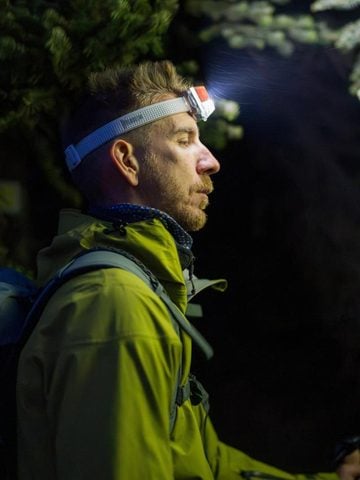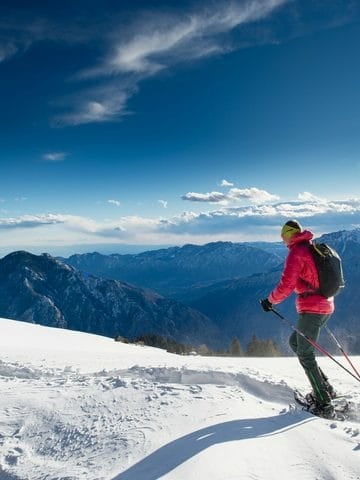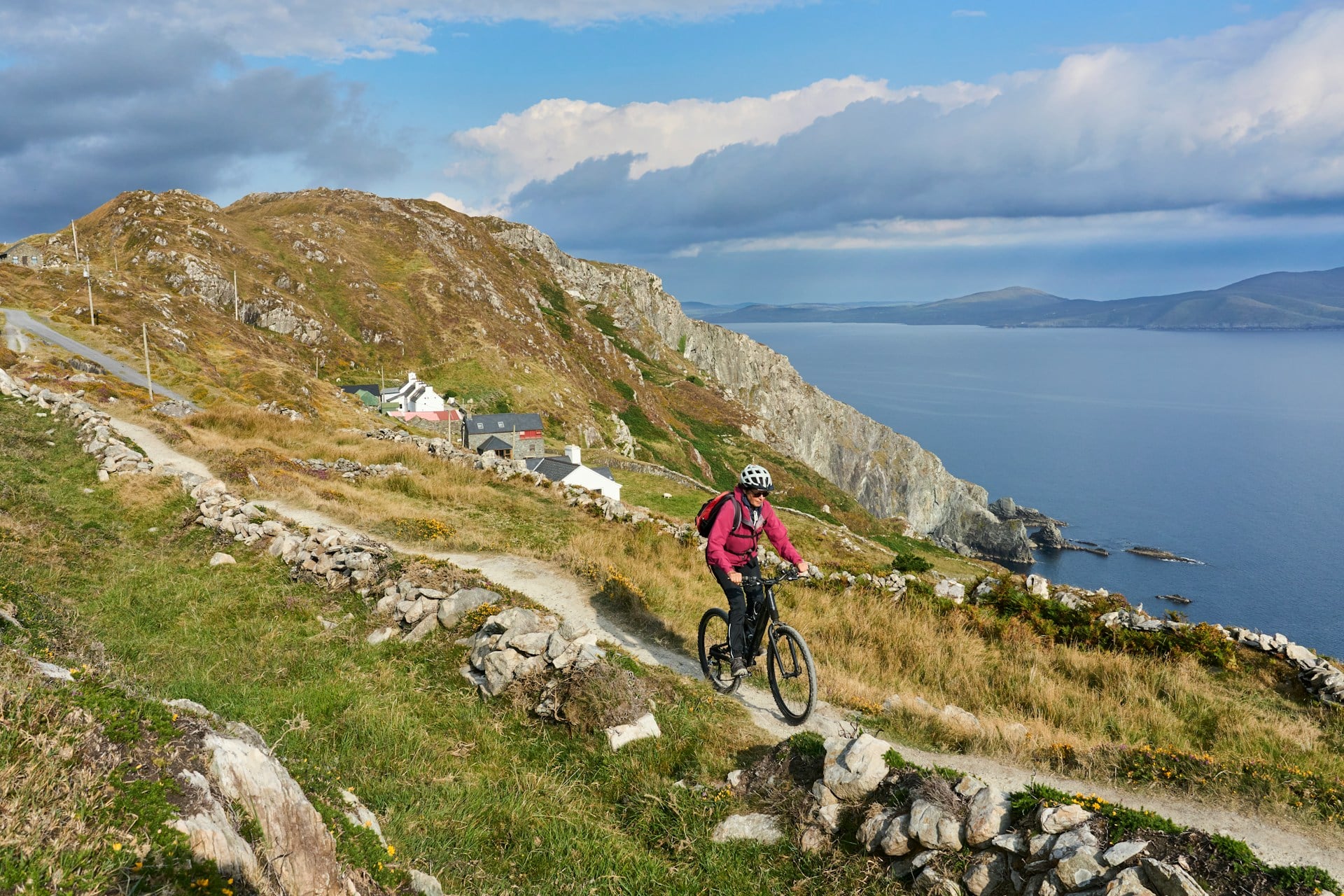
Independent adventure travel gifts you a special kind of freedom: you choose the route, pace, and priorities, then own the decisions that follow. A peaceful trail or remote campsite can feel gloriously open-ended, where the more flexible your plans, the more your preparation pays off.
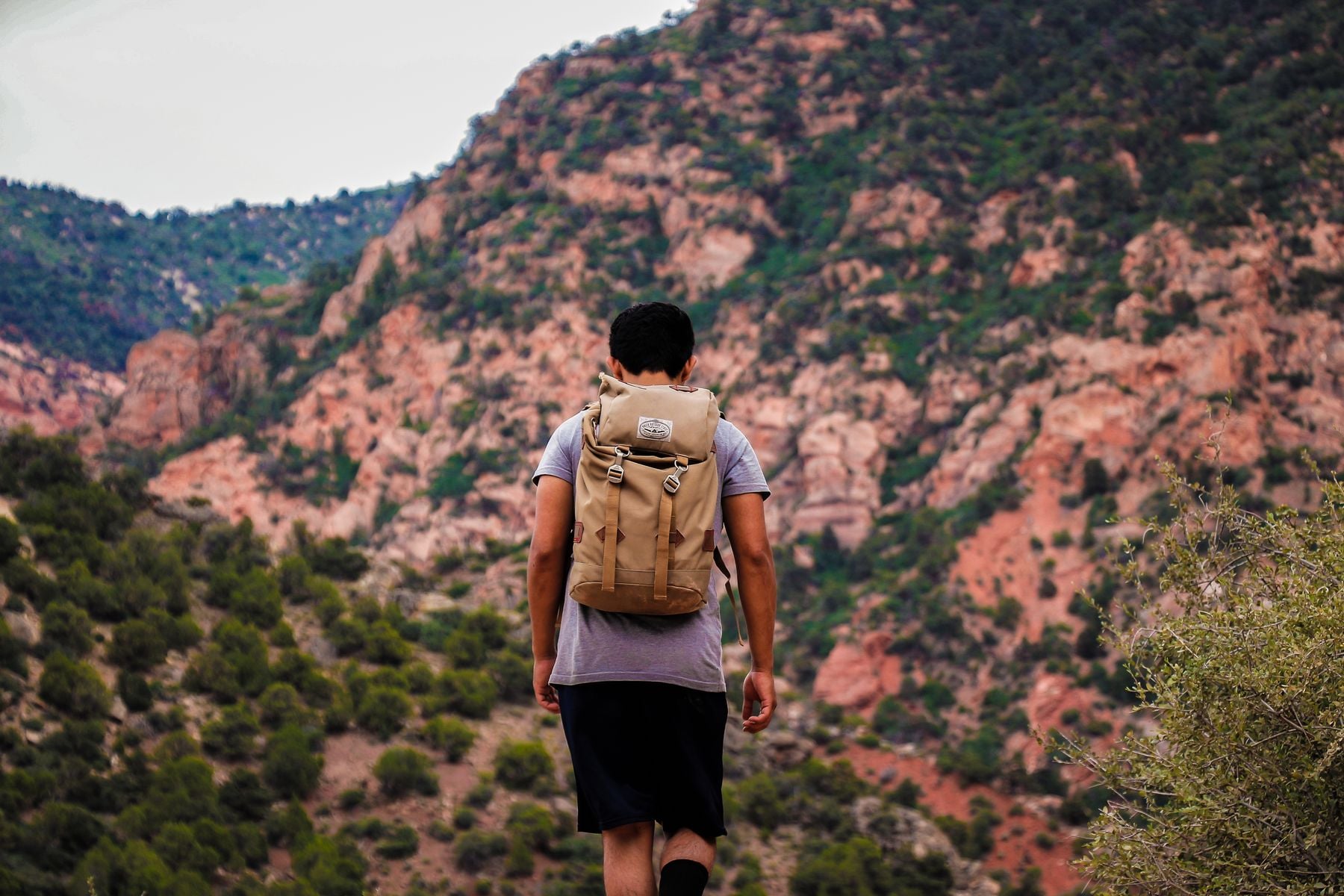
Confidence outdoors comes from understanding what you're doing, carrying kit you've thought through, and adapting when plans shift; that way, freedom depends on sound decision-making.
Begin planning long before you depart by studying current topographic maps, land-access rules, seasonal closures, and recent trail reports. Evaluate elevation gain, terrain, daylight, and distance, then let someone reliable know where you're heading and when you expect to be back.
Plan for delays and foul weather, then decide in advance what conditions would make turning back the sensible choice. Lastly, check official park updates once more, briefly, before you set off.
Everyday Equipment and Practical Utility
A compact trail repair kit can save your trip from small equipment problems, so pack repair tape, spare cord, a needle and thread, a few zip ties, spare buckles, and patches for sleeping pads or tents. Add a small pair of scissors or a multitool, along with outdoor knives for simple cutting tasks, and keep everything together in a waterproof pouch where you can reach it quickly.
These supplies help you deal with loose backpack straps, torn fabric, damaged tent guylines, punctured sleeping mats, and broken gear attachments without replacing equipment on the spot.
Test your repair materials at home first, as knowing how to use a patch, secure a strap, or tie a reliable knot makes a difference when you're tired, cold, or in poor weather.
Navigation is a practical skill; a phone app only gets you so far, so download offline maps before you leave reliable coverage.
In remote areas, carry a paper topographic map and compass, then learn to read contour lines, estimate distances, and recognize ridges, valleys, and streams. GPS is a huge aid until the battery fails or reception drops, so practice with every tool before you go.
Reading the ground also bolsters your decisions, as weather, visibility, and terrain can change how straightforward a route feels. Learn to spot alternative lines and recognize hazards, and check whether your progress matches your planned schedule.
If conditions change or fatigue clouds your judgment, reassess the route before a small problem becomes serious. Remember, turning back is a legitimate outdoor skill, so establish limits for daylight and energy.
Equipment, Clothing and Emergency Preparation
The National Park Service's Ten Essentials framework is a pertinent starting point, as it groups preparedness into ten systems: navigation, lighting, sun protection, first aid, tools, fire, emergency shelter, extra food, water and clothing.
Adapt the list to whatever you're doing, as a short walk near town and a remote overnight expedition demand different levels of preparation. Moreover, local guidance varies with season and activity.
Water deserves particular thought, as your needs change with distance, temperature, and exertion. Work out what you'll need, identify reliable refill points, and carry a suitable treatment method such as a filter or purification tablets.
Clothing requires a system: a moisture-managing base layer, insulation, and a protective outer shell, along with spare socks and weather-appropriate accessories. Follow water treatment instructions carefully here.
Practical Skills and Responsible Exploration
First-aid knowledge and basic repair skills make a compact kit much more practical, so learn to manage blisters, clean minor wounds, and recognize when professional assistance is required.
Practice repairing a punctured sleeping pad or damaged backpack strap before you leave, then carry a small pouch with repair tape, cord, needle, and spare buckles. Familiarity matters when conditions turn stressful and essential items are within easy reach in your pack.
Responsible exploration also means respecting the places and communities you visit, so learn local access rules before you head out. The "Leave No Trace" principles encourage preparation, durable travel surfaces, appropriate waste disposal, respect for wildlife, and regard for other visitors.
In practice, use established campsites where appropriate, secure your food, and carry out your rubbish. Small decisions add up across busy trails and fragile areas, so avoid feeding or approaching wild animals.
Building Confidence Beyond Familiar Routes
Self-reliance develops through experience rather than a single gear purchase, so practice navigation on familiar trails before attempting longer routes.
A wilderness first-aid course is time well spent, with shorter outings the place to test your kit. Record what you actually used, inspect everything for wear when you return, and revise your packing list with lessons from every trip.
Good kit earns its value when it tackles a real problem without adding weight or fuss, so question each purchase before it goes in the pack. Independent adventure gets more rewarding as your competence builds, because you gain flexibility when plans change and a clearer sense of your own limits.
Ultimately, preparation and judgment give you the confidence to explore beyond familiar routes, where unfamiliar places start to feel like somewhere you belong.
This story was published in partnership with Olive Knives.