Go Backpacking

  • About
  • Travel Tips
    • Accommodations
    • Budgeting & Money
    • Adventure Travel
    • Food & Drink
    • Gear & Gadgets
    • Packing Tips
    • Travel Blogging
    • Travel Insurance
    • Trip Planning
    • UNESCO Sites
  • Destinations
    • Africa
      • Botswana
      • Egypt
      • Ethiopia
      • Morocco
      • Rwanda
      • South Africa
      • Tanzania
    • Asia
      • Cambodia
      • China
      • Hong Kong
      • India
      • Indonesia
      • Japan
      • Laos
      • Malaysia
      • Nepal
      • Philippines
      • Thailand
      • United Arab Emirates
      • Vietnam
    • Central America
    • Europe
      • England
      • France
      • Germany
      • Greece
      • Iceland
      • Ireland
      • Italy
      • Portugal
      • Spain
      • Switzerland
      • Turkey
    • North America
      • Canada
      • Costa Rica
      • Cuba
      • Guatemala
      • Mexico
      • Nicaragua
      • Panama
      • United States
    • Oceania
      • Australia
      • French Polynesia
      • New Zealand
    • South America
      • Argentina
      • Bolivia
      • Brazil
      • Chile
      • Colombia
      • Ecuador
      • Peru
  • Advertise
menu icon
go to homepage
  • About
  • Travel Tips
    • Accommodations
    • Budgeting & Money
    • Adventure Travel
    • Food & Drink
    • Gear & Gadgets
    • Packing Tips
    • Travel Blogging
    • Travel Insurance
    • Trip Planning
    • UNESCO Sites
  • Destinations
    • Africa
      • Botswana
      • Egypt
      • Ethiopia
      • Morocco
      • Rwanda
      • South Africa
      • Tanzania
    • Asia
      • Cambodia
      • China
      • Hong Kong
      • India
      • Indonesia
      • Japan
      • Laos
      • Malaysia
      • Nepal
      • Philippines
      • Thailand
      • United Arab Emirates
      • Vietnam
    • Central America
    • Europe
      • England
      • France
      • Germany
      • Greece
      • Iceland
      • Ireland
      • Italy
      • Portugal
      • Spain
      • Switzerland
      • Turkey
    • North America
      • Canada
      • Costa Rica
      • Cuba
      • Guatemala
      • Mexico
      • Nicaragua
      • Panama
      • United States
    • Oceania
      • Australia
      • French Polynesia
      • New Zealand
    • South America
      • Argentina
      • Bolivia
      • Brazil
      • Chile
      • Colombia
      • Ecuador
      • Peru
  • Advertise
search icon
Homepage link
  • About
  • Travel Tips
    • Accommodations
    • Budgeting & Money
    • Adventure Travel
    • Food & Drink
    • Gear & Gadgets
    • Packing Tips
    • Travel Blogging
    • Travel Insurance
    • Trip Planning
    • UNESCO Sites
  • Destinations
    • Africa
      • Botswana
      • Egypt
      • Ethiopia
      • Morocco
      • Rwanda
      • South Africa
      • Tanzania
    • Asia
      • Cambodia
      • China
      • Hong Kong
      • India
      • Indonesia
      • Japan
      • Laos
      • Malaysia
      • Nepal
      • Philippines
      • Thailand
      • United Arab Emirates
      • Vietnam
    • Central America
    • Europe
      • England
      • France
      • Germany
      • Greece
      • Iceland
      • Ireland
      • Italy
      • Portugal
      • Spain
      • Switzerland
      • Turkey
    • North America
      • Canada
      • Costa Rica
      • Cuba
      • Guatemala
      • Mexico
      • Nicaragua
      • Panama
      • United States
    • Oceania
      • Australia
      • French Polynesia
      • New Zealand
    • South America
      • Argentina
      • Bolivia
      • Brazil
      • Chile
      • Colombia
      • Ecuador
      • Peru
  • Advertise
×
Home » Gear

Why Quality Winter Outerwear Matters for Staying Warm Outside

Published: Nov 20, 2026 by Guest Contributor |

Cold weather tests every layer you wear. Wind accelerates heat loss. Moisture can make skin feel colder, and damp fabric loses much of its insulating effectiveness.

Quality winter outerwear handles these conditions with appropriate insulation, weather-resistant shells, and practical construction. The right jacket supports movement during commuting, hiking, or outdoor work. Dressing based on exposure, activity, and local weather helps people stay comfortable outside longer.
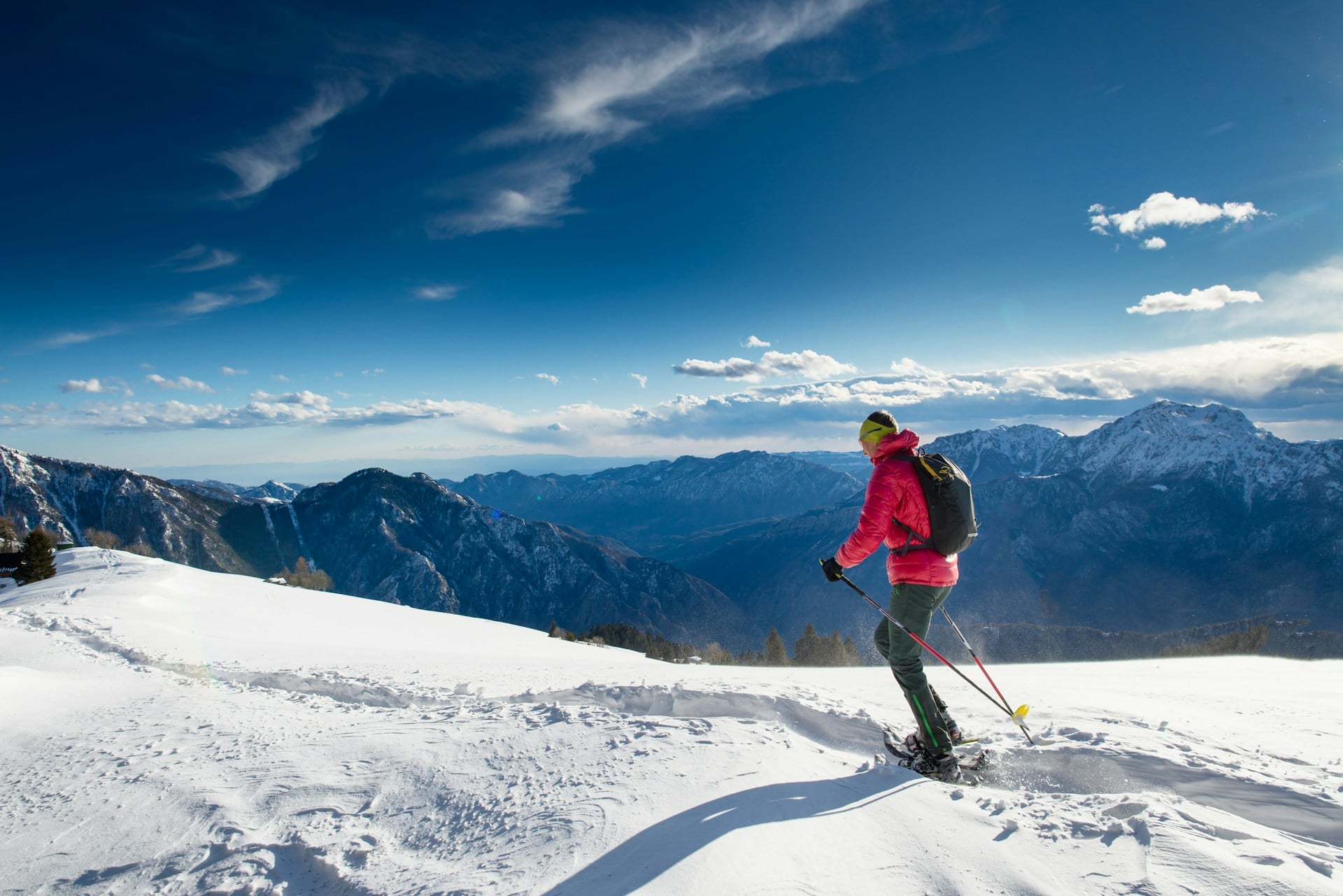
Snowshoer in a red jacket using trekking poles on a snowy mountainside.
A snowshoer in a red winter jacket treks through the mountains. (Photo: Getty Images/Unsplash+)

A winter jacket for a brisk hike has a different job than one you'll wear standing on a windy train platform. Start with how much you'll be moving, what weather you expect, and which layers you'll wear underneath.

Branded winter garments like Columbia outerwear are built for insulation, weather protection, and outdoor use. Before buying, focus on fabric performance, fit, layering space, pocket placement, and care instructions rather than appearance alone.

Table of Contents

  • Insulation Holds Body Heat
  • Weather Protection Prevents Heat Loss
  • Construction Determines Daily Performance
  • Layering Improves Temperature Control
  • Care Protects Warmth and Function
  • Conclusion

Insulation Holds Body Heat

Insulation slows heat escaping from the body. Down traps warm air efficiently, while synthetic insulation stays warm when moisture enters the garment. Each option has practical uses, so the choice should be based on expected conditions and activity levels.

A jacket that feels warm while standing still can become uncomfortable during physical activity. Excess heat and sweat build up inside, leaving clothing damp against the skin. Ventilation features, breathable panels, or a removable midlayer help regulate temperature during movement.

Fit also affects insulation. A tight jacket compresses insulating material and leaves little room for warm air. An excessively loose jacket lets cold air in at the collar, cuffs, and hem. The best fit leaves enough room for a base layer without creating large gaps.

Weather Protection Prevents Heat Loss

Wind strips warmth from exposed surfaces and pushes cold air through a garment's weak points. A tightly woven shell reduces airflow, and adjustable cuffs, a raised collar, and a secure hem limit openings. These details matter during walking, waiting for transportation, or working outside.

Water resistance helps shed light rain and melting snow. Waterproof construction provides more protection during sustained precipitation, especially when seams and zippers prevent water from entering. A wet outer layer can transfer cold toward inner clothing, so shell performance matters as much as insulation.

Hoods are also important. A well-fitted hood should move with the head without blocking vision. Adjustable controls help secure it during gusts, while a brim directs moisture away from the face. A hood that slips or collapses can leave the neck and head exposed.

Construction Determines Daily Performance

A fall/winter wardrobe is incomplete without jackets and cardigans. A quality winter jacket must withstand repeated movement and regular use. Reinforced areas around pockets, cuffs, and closures reduce wear where hands and equipment create friction. Smooth zippers matter because frozen fingers make small hardware difficult to operate.

Pocket placement affects comfort and access. Hand pockets should remain usable while carrying a bag or wearing gloves. Interior pockets protect items from snow and keep batteries, phones, and other temperature-sensitive belongings safe.

Weight matters during long outdoor periods. Heavy materials can restrict movement and increase fatigue, while light garments may not provide enough protection for severe conditions. The best choice balances warmth, mobility, storage, and expected exposure.

Layering Improves Temperature Control

Outerwear works as part of a clothing system. A moisture-managing base layer moves perspiration away from the skin. A midlayer adds insulation without requiring a bulky outer jacket. The shell then blocks wind and precipitation.

Layering also improves flexibility. A person can remove a midlayer during activity and add it again during rest. This reduces overheating, which often causes damp clothing and later discomfort.

The outer jacket should allow natural arm movement over all planned layers. Test the fit with a sweater or fleece before buying. The hem should cover the lower back, and the sleeves should reach the wrists when the arms are stretched forward.

Care Protects Warmth and Function

Proper care preserves insulation and weather protection. Care labels provide washing methods, drying requirements, and temperature limits for each garment. Harsh heat can damage coatings, adhesives, elastic components, or synthetic fibers.

A jacket should dry completely before storage. Damp storage encourages odors and can affect insulation. All pockets should be emptied, zippers closed, and surface dirt removed before washing.

Periodic inspections catch small problems early. A damaged zipper, a loose seam, or a worn cuff can expose the wearer to wind and moisture. Immediate repairs preserve the garment's usefulness and lessen the need for early replacement.

Conclusion

Quality winter outerwear keeps warmth inside while blocking wind, rain, and snow outside. Insulation, shell protection, fit, ventilation, and construction each affect comfort during real activities.

Buyers should first identify their typical conditions, then try the jacket over planned layers and inspect its closures, hood, cuffs, and storage. Care after each season also protects performance. Lastly, compare two suitable jackets using the same conditions and fit checklist before buying.


This story was published in partnership with Columbia.

Add as preferred source on Google

Related Stories

  • Woman riding a mountain bike along a rocky coastal trail overlooking the Atlantic Ocean in Ireland.
    Beyond the Tourist Trail: Why Exploring New Destinations by Bike Is the Ultimate Travel Adventure
  • Woman wearing a black Sarisun travel pillow with neck support and an attached sleep mask.
    The Smarter Way Frequent Flyers Choose Travel Pillows
  • Hiker recording a travel vlog from a rocky overlook.
    Why Travel Vlogging Is Popular With Backpackers
  • White ORICO AP3 power strip plugged into a wall outlet and charging a phone on a hotel nightstand.
    How to Keep Devices Charged While Traveling
  • Share
  • Email

About Guest Contributor

This article was contributed by a guest writer and reviewed by the Go Backpacking editorial team. If you would like to guest post on Go Backpacking, please read our submission guidelines. For information on advertising opportunities, go here.

Dave at Ahu Ko Te Riku on Rapa Nui (Easter Island), Chile.

Hi, I'm Dave

Editor in Chief

I've been writing about adventure travel on Go Backpacking since 2007. I've visited 68 countries.

Read more about Dave.

Footer

back to top

About

  • About
  • Archive
  • Privacy Policy
  • Cookie Policy

Follow Us

Contact

  • Contact
  • Work With Us
  • Submissions

Copyright © 2026 Go Backpacking