
The price tag for a recreational vehicle (RV) is now 40% higher than it was the previous year, due to parts shortages, as outlined in a recent industry overview. If you're in the market for one, you might be paying over $12,000 more for a fifth-wheel trailer or $50,000 or more for a Class A motorhome than last year. (1)
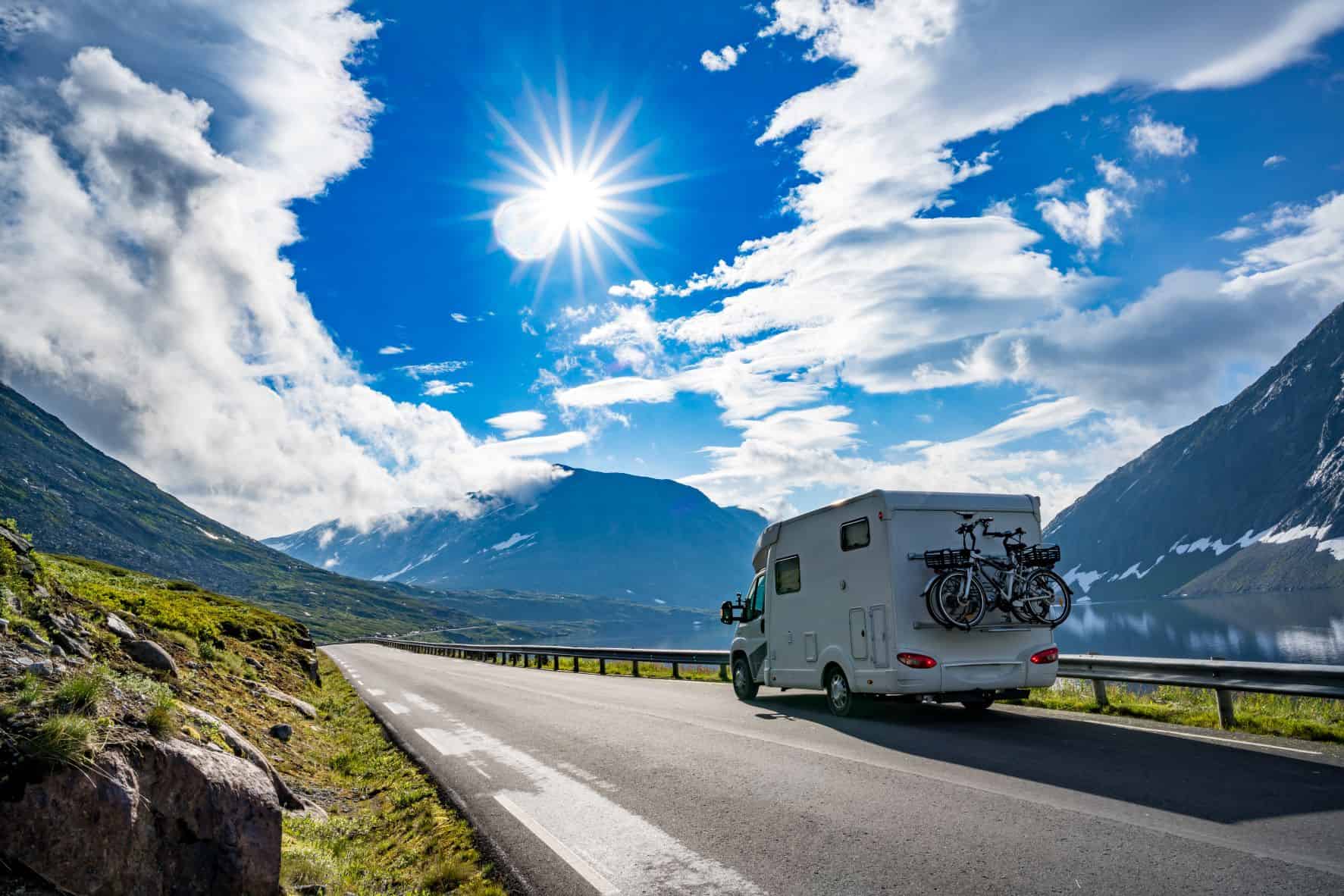
There's no need to go in-depth to know how much money those increases are. With such amounts, you can purchase better camping equipment and additional supplies to enhance your overall outdoor experience.
Fortunately, people on a shoestring budget don't have to miss out on the benefits of traveling in an RV. Here are a few ways to save on buying one.
Consider Used RVs
Used vehicles are all about offering a working unit at a fraction of the cost of a brand-new one, and RVs are no exception. At a minimum, you can buy a used motorhome or standard trailer for a tenth of the price of a new one. However, the price depends on several factors, perhaps the most influential being the type of RV.
- Motorhomes - These RVs are houses on wheels, offering the comforts of a furnished home while on the move. Their size is a dead giveaway of their price range, ranging from $80,000 to $220,000 for new, depending on the class (Class A, B, or C).
- Travel Trailers - These RVs require another vehicle to tow them, preferably one that can produce enough torque, such as a pickup truck. The price range for a new one lies in the middle ground, between $20,000 and $53,000.
- Campers - These RVs can either appear as equipment carriers or house small living quarters. They're the most affordable among the RV types, with a new one priced between $10,000 and $25,000. (1)
While you want used RVs priced low, you also want them to be worth every penny. A buyer's lack of scrutiny of a used RV listing can cost more than buying a new one.
Even with social distancing still in effect, it's a good idea to inspect the RV before closing the deal. If buying online, use a free website tracker tool to verify the site's authenticity. (2)
Focus on Necessary Features
While RVs come with many features, not all will be worth the investment. Unless you plan to live the rest of your life on the move, buy an RV with just enough features for outdoor travel.
Consider the following essential amenities:
- Comfortable beds
- Water tanks
- Portable generator
- Water heating system
- Ample storage space
- Bathroom features
- Heating and air conditioning
- Kitchen sink and fridge
- Comprehensive RV insurance (3)
Storage space is essential in this case. If there's enough room for utensils and other gear, even small RVs can have the amenities of a full-sized motorhome.
Electronics can be left in an RV if they have handheld counterparts (e.g., power banks, Wi-Fi boosters). A portable solar power generator is a more cost-effective option if you want to use solar power for an RV.
Take Advantage of Off-Seasons
Aside from a parts drought, industry analysts point to the pandemic-fueled demand for RVs as another reason for the price hike. At the height of the pandemic in the U.S., so-called "COVID campers" spent more than $100,000 in RVs to be mobile while practicing social distancing. With the situation essentially winding down, experts anticipate a return to normalcy in the RV market.
Whether for camping or mobile living, you can save on buying an RV in the off-season, particularly in the run-up to or during winter. RV dealerships will likely strive to clear their lots before the snow starts falling (though this may only be the case in areas with snow). Imagine how much dealers have to spend winterizing their inventory if they can't clear them out on time. (4)
Buying an RV this late in the year also benefits from another effect: the release of brand-new RV models. While some models emerge as early as spring, most typically enter the market in the last two months of the year. With dealers rushing to restock their lots with fresh RVs, they'll try to sell their existing stock at substantial discounts. (4)(5)
When in the market for a new RV, experts advise waiting for at least six months, as their prices generally start to fall. Regardless, the previous-year models will be similar to the new ones, so they're worth considering.
Go With the Travel Trailer
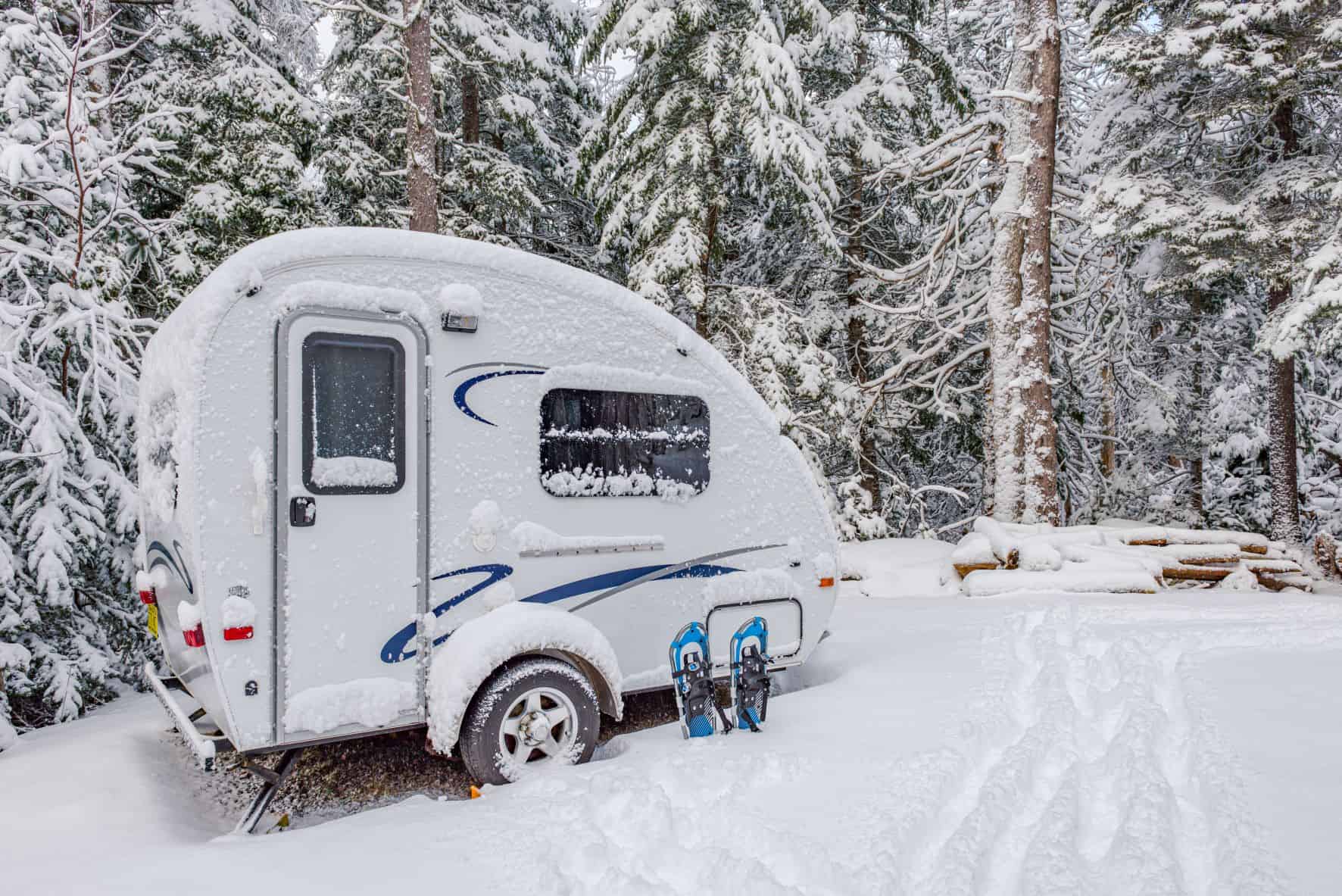
The price increases in the industry overview mentioned earlier also show a significant shift in RV type preference. This year, the standard travel trailer is the most searched and viewed RV type, accounting for 45 percent of all views. (1)
Travel trailers are the ideal RVs for beginners and those on a tight budget. They come in a broad range of sizes, typically between 12 and 35 feet, allowing people to afford one suitable for their needs. Also, being lighter than most RVs, travel trailers are towable with SUVs or mid-sized pickups. If the trailer's small enough, a regular car can tow it.
However, these RVs come with some downsides. For instance, they're typically attached below the hitch point, so they won't be able to turn as easily as fifth-wheel trailers. Driving with one in tow can prove challenging, so training beforehand is necessary.
You can consider more affordable options, such as camping trailers and truck campers, but travel trailers offer the ideal balance of size, capacity, and price. Additionally, most RV buyers consider the needs of friends and relatives, which a travel trailer can accommodate at a low cost.
Conclusion
Just because RVs have become more expensive than ever doesn't mean they're out of reach of people with tight budgets. Learning to look beyond the myriad of amenities and prioritizing the necessary ones is a step toward affording a suitable RV on a budget. Of course, don't let settling for a budget RV stop you from looking forward to investing in a bigger one.
Resources
- Recreational Vehicle Q3 2021
- BBB warns of potential RV scams during pandemic
- The 10 Most Important RV Features We Can't Live Without
- 5 Absolutely Best Times to Buy an RV
- When Do New RV Models Come Out