
Travel has become increasingly cashless. From tapping a credit card on a subway gate to paying for a coffee with a phone, many travelers now move through an entire trip without ever touching paper currency.
While this shift makes travel more convenient, it has an unintended side effect in the hospitality industry. Many workers who relied on cash tips, such as hotel housekeepers, bellhops, drivers, and tour guides, often miss out on gratuities because travelers no longer carry cash.

For travelers who want to show appreciation for great service, the new payment landscape is quietly changing how tipping works.
Why Cash Tipping Is Disappearing in Travel
Cash use had already been declining for years, but the trend accelerated during the COVID-19 pandemic. Hygiene concerns prompted businesses and customers to adopt contactless payments, mobile wallets, and card-only transactions.
Many travelers who stopped carrying cash during that period never returned to the habit. Today, it's common for people to rely on digital payments when moving through airports, hotels, restaurants, and tours.
Payment habits also vary widely between countries, and travelers often encounter different tipping expectations abroad. People discover this when relocating or spending extended time overseas, such as when adjusting to life in the UK.
For hospitality workers, tipping opportunities were historically built around cash. When travelers stopped carrying cash, many spontaneous tipping moments disappeared.
Hospitality Workers Most Affected by Cashless Travel
Not all hospitality roles are impacted equally by the decline of cash. Restaurant servers still interact with guests through point-of-sale systems - the payment terminals where diners leave a tip before completing a card transaction.
But many workers travelers encounter during a trip provide service outside of a traditional checkout moment. These include:
- Hotel housekeepers, who clean rooms while guests are out exploring.
- Bellhops and luggage handlers assist with bags before check-in or after checkout.
- Valet attendants, who return cars long after the initial parking payment.
- Hotel shuttle drivers who transport guests to airports or attractions.
- Tour guides and activity operators, especially on prepaid tours.
In these situations, there is often no payment terminal nearby. Historically, travelers handed over a few bills as a token of appreciation. Without cash, that exchange often does not happen.
When Travelers Want to Tip but Don't Have Cash
Many travelers have experienced this moment: a helpful driver loads luggage into a van, or a hotel housekeeper leaves a room spotless, and you want to leave a tip but realize you don't have any cash.
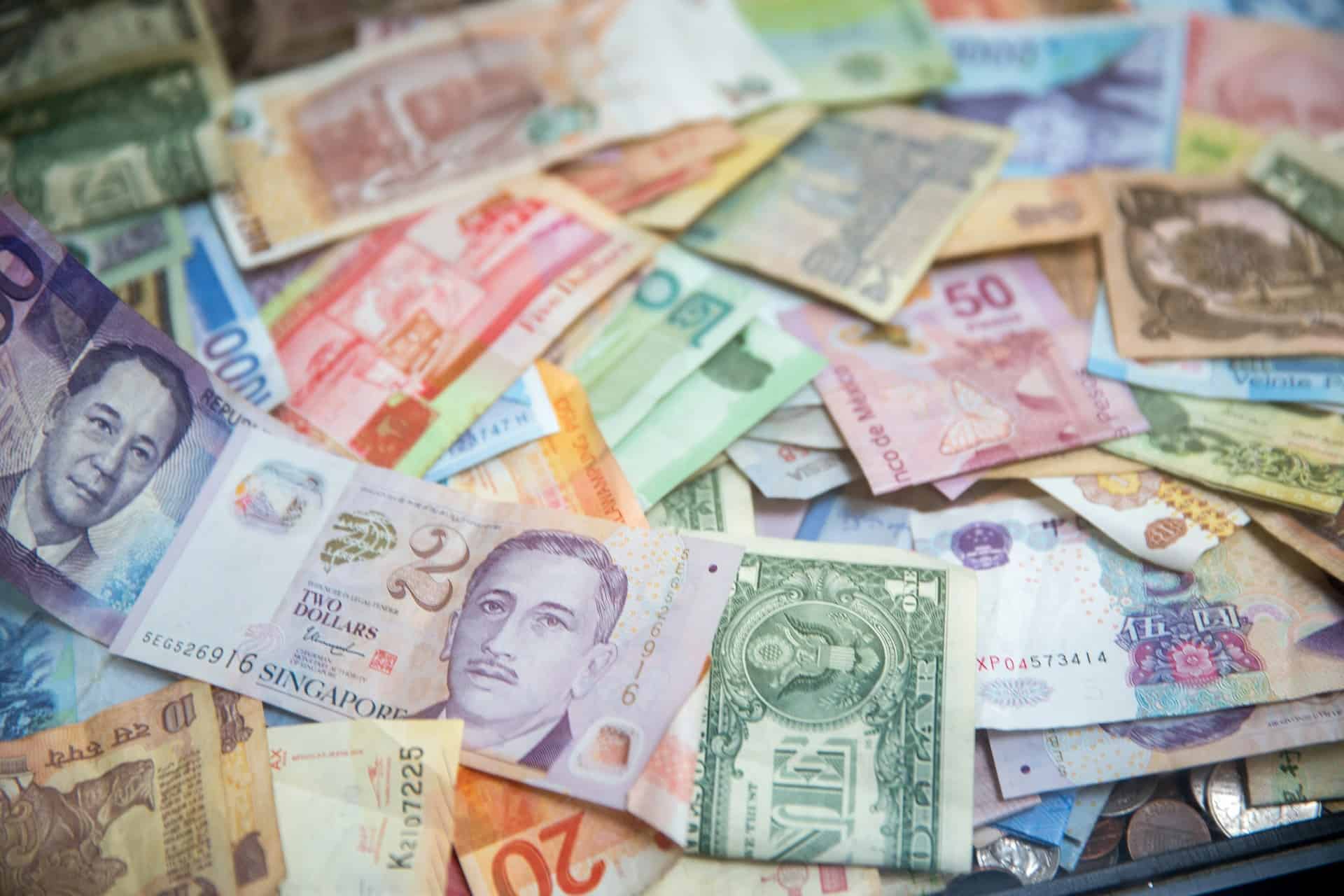
This situation is especially common when traveling internationally. Visitors may not have local currency, or they may rely on credit cards and mobile payments while abroad.
The result isn't a lack of generosity. Often it's a logistical problem: the intention to tip exists, but the ability to do so easily has disappeared.
How Digital Tipping Is Changing Hospitality
To adapt to the cashless travel environment, many hotels and tour operators are experimenting with new ways to make tipping easier without requiring physical cash.
One growing approach is digital tipping. In these systems, hospitality workers are assigned QR codes or NFC-enabled identifiers that guests can scan with their phones. The guest can then leave a tip using a mobile wallet or a credit card via a simple web page, usually without needing to download an app.
The adoption of digital tipping platforms like eTip across hotels, valet services, and hospitality businesses has helped restore tipping opportunities in situations where cash used to be the only option.
As more destinations adopt these tools, travelers may start seeing digital tipping options during everyday travel experiences, whether checking into a hotel, taking a guided tour, or exploring major cities like Los Angeles.
For travelers, the experience is simple: scan a code, select an amount, and complete the tip in seconds.
What Travelers Should Know About Digital Tipping
If you travel frequently, you may start noticing digital tipping options in more places. Hotels, transportation services, and tour operators are increasingly experimenting with these tools.
A few things travelers should know:
- Most systems work through QR codes, often displayed in hotel rooms or on name badges.
- No app is typically required - the tip can be completed through a web browser.
- Mobile wallets and credit cards are usually accepted.
- Some systems allow travelers to tip specific workers, such as a housekeeper or bellhop.
In many cases, these systems recreate the traditional tipping moment in a format that works for modern payment habits.
Why It Matters
Hospitality workers have long depended on gratuities as a meaningful part of their income. When tipping opportunities disappear because travelers no longer carry cash, the impact is significant.
Digital tipping doesn't replace the wider discussion of wages in the hospitality industry, but it does address a practical problem created by the shift to cashless payments.
For travelers who value good service, these tools give a simple way to continue offering thanks, even when the only thing in your pocket is a smartphone.
The Future of Tipping in a Cashless World
Cashless travel is likely here to stay. As mobile payments become more common around the world, the hospitality industry will continue to adapt to ensure tipping remains possible.
That means travelers may increasingly encounter QR codes, mobile tipping pages, and other digital tools designed to make it easier to reward great service.
For the people behind the scenes who help make trips smoother, the drivers, guides, and hotel staff that travelers rely on every day, that small moment of appreciation can still create a meaningful difference.
_____
This story was published in collaboration with eTip.