Travel vlogging has evolved from a niche hobby into a mainstream way for backpackers to document and share their journeys. What began as a few adventurers uploading shaky smartphone footage to YouTube has become a sophisticated form of travel storytelling, with editing techniques, narrative arcs, and millions of engaged viewers.
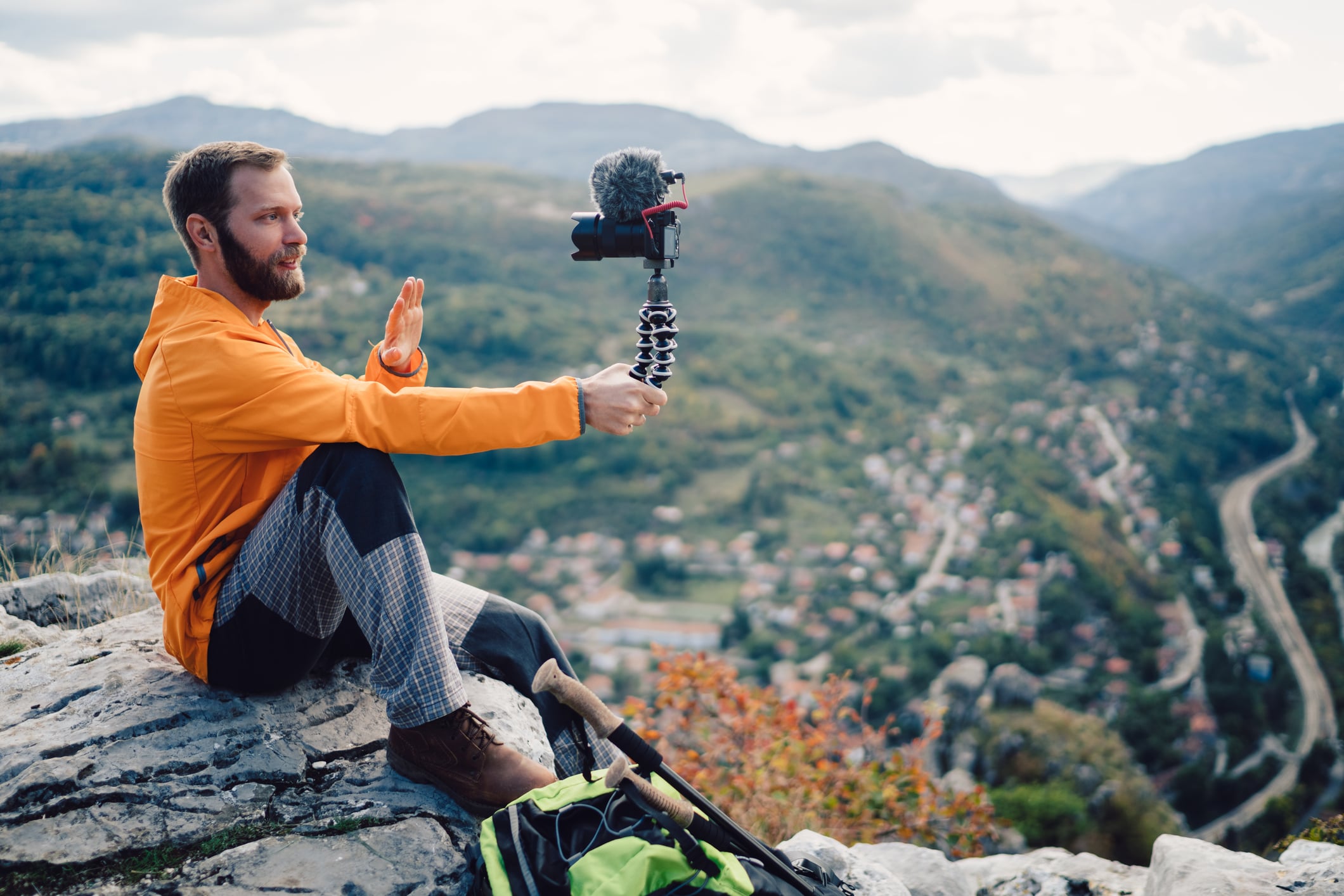
For independent travelers, the ability to capture and share experiences in real time has fundamentally changed how people plan trips, discover destinations, and connect with other adventurers around the world.
The democratization of content creation tools means anyone with a smartphone and basic equipment can produce travel videos rivaling professional productions from a few years ago. Whether hiking through Southeast Asia, island hopping in the Caribbean, or exploring remote mountain villages, documenting your journey has never been easier.
Understanding the landscape of travel vlogging, from equipment choices to storytelling approaches, can help you decide if this form of documentation fits your travel style. Gear options range from simple smartphone setups to dedicated vlogging cameras designed for mobile creators and adventurers.
The Rise Of Travel Content Creation
Travel vlogging emerged as YouTube matured and mobile technology improved. Early vloggers faced technical limitations: heavy cameras, poor stabilization, limited battery life, and complicated editing workflows.
Today's landscape is different. Smartphones have become powerful filming devices, and specialized equipment is lighter, more affordable, and easier to use than before.
The appeal of travel vlogging goes beyond vanity or social media metrics. Many backpackers use vlogging as a way to process their experiences, create a visual diary, and maintain connections with friends and family back home.
Filming forces you to observe your surroundings more carefully, notice details you might miss, and think about how to communicate a place's essence to others. This reflective aspect of content creation can deepen your travel experience rather than detract from it.
The audience for travel content has also expanded dramatically. People planning trips are increasingly turning to travel vlogs for authentic, on-the-ground perspectives that traditional tourism websites don't provide.
A well-produced vlog showing the reality of a budget hostel, local market, or hiking trail offers genuine value to future travelers. This creates a positive feedback loop where creators feel motivated to produce higher-quality content, attracting larger audiences and more aspiring vloggers.
Balancing Documentation With Presence
One legitimate concern about travel vlogging is experiencing destinations through a camera lens rather than living in the moment. The pressure to capture every single sunset, meal, and scenic viewpoint can turn travel from an absorbing experience into a series of photo opportunities. Finding balance calls for deliberate choices about when to film and when to be present.
Experienced travel vloggers develop personal guidelines about filming versus exploration time. Some set aside certain hours for content creation and leave the rest of the day camera-free. Others film only certain activities or locations, letting spontaneous experiences remain undocumented.
The key is recognizing that not every moment needs to be captured. Some of your most meaningful travel experiences may never appear in a video, and that's perfectly acceptable.
Ask permission before filming people, respect regional customs and photography restrictions, and avoid sharing your accommodation or live location publicly.
The physical and mental energy required for consistent vlogging should be considered. Filming, transferring footage, editing, and uploading require time and concentration. On a long backpacking trip, this workload can become exhausting, especially when traveling through areas with unreliable internet.
Many successful travel creators build in rest days specifically for content production, treating it as separate from travel rather than something that happens simultaneously.
Equipment Considerations For Budget Travelers
The equipment question often stops potential travel vloggers before they begin. The good news is you don't need expensive gear to produce watchable travel content.
A modern smartphone is enough to start. Most current phones shoot in 4K, offer reasonable stabilization, and have intuitive camera apps. The learning curve is minimal, and the barrier to entry is essentially zero if you already own a phone.
As your skills develop and your audience grows, you might consider supplementary equipment. Smartphone gimbals provide smoother footage and more professional-looking pans and tracking shots.
Portable tripods enable hands-free filming and creative angles. External microphones improve audio quality, often more important to viewers than video quality. Portable lighting kits help in poorly lit environments.
Costs vary; these items don't have to be expensive, and each serves a specific purpose without being essential for beginners. Add accessories only when they solve a specific filming problem.
Storage and backup systems deserve attention. Traveling with large amounts of video footage requires reliable external storage and ideally a backup system. Losing weeks of footage to a corrupted memory card or stolen hard drive is a genuine risk for travel creators.
Cloud backup services require internet access but provide an additional layer of security. Planning your storage strategy before you leave home prevents frustration and potential loss of irreplaceable content.
Storytelling Over Production Quality
The most successful travel vlogs prioritize storytelling over production quality. Viewers connect with authentic narratives, genuine reactions, and honest reflections far more than they do with polished cinematography or expensive equipment.
Some of the most popular travel channels feature relatively simple production values but compelling stories about overcoming difficulties, discovering unexpected places, or connecting with local communities.
Effective travel vlogging requires identifying the narrative thread of your journey. What story are you trying to tell? Is it about budget travel, adventure and challenge, cultural discovery, or personal transformation?
Your narrative focus shapes which moments you capture, how you edit them, and what message emerges. A clear narrative makes your vlogs more interesting and gives viewers a reason to follow your channel beyond watching pretty scenery.
Authenticity resonates with travel audiences. Viewers appreciate creators who show difficult moments, failed plans, uncomfortable situations, and genuine struggles of travel, not just the highlight reel.
Showing yourself getting lost, dealing with food poisoning, or facing frustrating interactions with local bureaucracy makes your content relatable and honest. These moments often generate more engagement and loyalty than perfect travel sequences.
Travel vlogging creates opportunities to connect with other travelers, before and after your trip. Viewers often become inspired to visit the same destinations, and many travel vloggers report meeting audience members in person during their travels. These connections transform vlogging from a one-way broadcast into a genuine community experience.
Interacting with your audience through comments, messages, and social media builds loyalty and provides valuable feedback on what content resonates.
Many travel creators use their platforms to crowdsource recommendations, ask for advice about upcoming destinations, and share viewer stories. This united approach makes the audience feel invested in the creator's journey rather than passive consumers.
The travel vlogging community is remarkably supportive. Experienced creators share advice with newcomers, partner on projects, and celebrate each other's successes. This team-oriented spirit embodies the broader backpacking culture, where travelers help each other meet challenges and share hard-won knowledge about destinations and routes.
Conclusion
Travel vlogging is a meaningful way for backpackers to document journeys, connect with communities, and contribute to collective knowledge of independent travel. Whether as a casual hobby or serious creative pursuit, the fundamentals remain the same: capture real moments, tell compelling stories, and balance documentation with presence.
Today's tools and apps make it easier than ever to share your adventures, and audiences for travel content continue to grow. If you're considering adding vlogging to your travel experience, start simple, focus on storytelling, and allow your passion for exploration to shine through.
This story was published in partnership with Insta360.