
Backpacking through new countries turns your daily routine upside down. Overnight buses, unfamiliar street food, shifting time zones, shared hostel bathrooms, and long days on your feet all take a toll on your gut.
A few days of bloating or a sudden dash to find a toilet in a busy market can take the shine off even the best itinerary. The good news is that a bit of planning goes a long way, whether you pack familiar snacks, plan for safe drinking water, or bring fibre gummies to supplement your intake.
Simple Habits for Better Digestion While Traveling
Prepare Before You Fly
Think about what keeps you regular at home and how much you can bring. A small bag of oats, chia seeds, or dried fruit weighs almost nothing in a backpack and can bridge the gap until you find familiar foods on the road.
Test anything new before you leave: a supplement that works in your kitchen can behave differently when combined with heat, jet lag, irregular meals, and a new diet. It's also worth reading up on what daily life, food, and transport are really like in the places you're heading so fewer things catch your stomach off guard.
Be Smart About Water
Water keeps food moving through your system, yet it's easy to underdrink when dashing between sights or sitting on a long bus ride.
Start each day with a full bottle, and take sips rather than gulping everything at once in the evening. In hot climates, add electrolytes so your body holds fluid and replaces the salt you lose in sweat.
Just as important is knowing what's safe to drink. Tap water, ice, and fruit washed in local water can carry disease-causing germs, so check the CDC's food and water safety advice for travelers before you go.
Carry purification tablets or an appropriate water-treatment system and follow its instructions; some filters require additional disinfection.
Eat Adventurously, but Gradually
Trying local dishes is one of the best parts of backpacking, but sudden changes in what and how much you eat can leave you feeling uncomfortable. Ease in during the first few days. Mix rich, spicy, or fried meals with simpler options like rice, bread, soups, peelable fruit, and cooked vegetables.
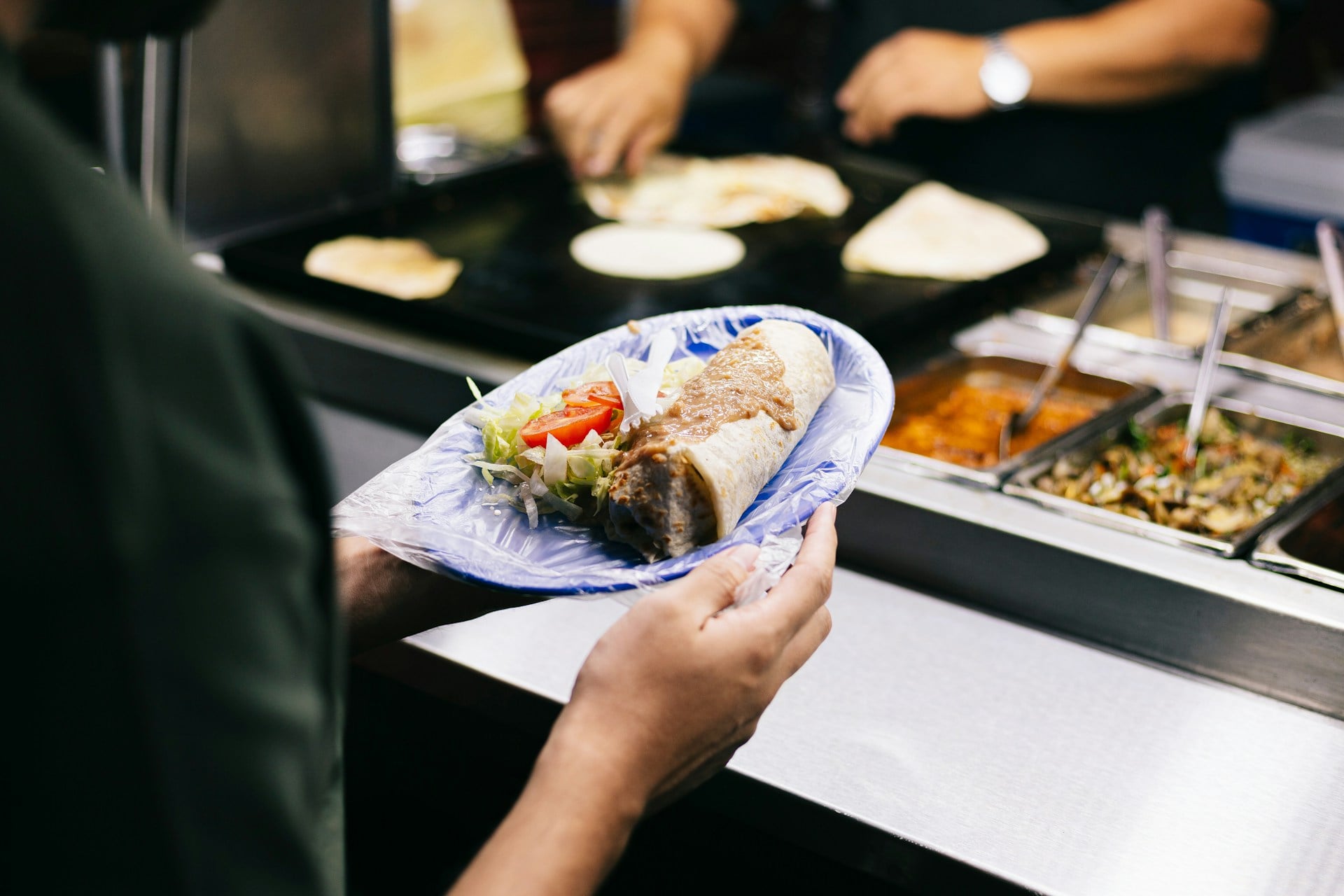
When choosing street food, look for busy stalls with high turnover where food is cooked fresh in front of you. Favor food cooked to order and served steaming hot, and avoid raw garnishes washed in questionable water.
Hostel kitchens are also handy: cooking a simple meal every few days gives your gut a break and saves money.
Keep a Meal Rhythm on the Move
Your gut likes predictability, even when your schedule doesn't. Red-eye flights, early tours, and late nights out make it easy to skip breakfast, graze all day, or eat one huge dinner. Aim for a familiar morning meal, small snacks every few hours, and a dinner you don't eat right before you crash into a bunk.
Keep a few reliable snacks in your daypack for travel days when the only options may be gas station fare or nothing at all. If coffee is part of your routine at home, keep it but resist the temptation to double up just because the café culture is great.
Plan Around Bathroom Access
Ignoring the urge to go because the bus is about to leave or the bathroom looks grim can quickly lead to constipation. Build time into your mornings so you aren't rushing out of the hostel. Before long journeys, find out whether there's a toilet on board or how often the bus stops.
Carry a small kit with tissues or a travel roll of toilet paper, hand sanitizer, and a few coins, since many public toilets charge a small fee. It also helps to learn the local word for "toilet" and to know whether toilet paper goes in the bin or the bowl where you are.
Move, Rest and Manage Travel Stress
Walking around new cities is great for digestion, but backpacking also brings stress: missed connections, crowded dorms, poor sleep, and pressure to see everything. That stress can slow your gut down or speed it up.
Stretch after long bus or train rides, take a walk when you arrive somewhere new, and build occasional slow days into your itinerary. Earplugs and an eye mask can make dorm nights more restful, and a calmer body usually means a calmer stomach.
Handle Problems Early
Pack a small digestive kit with medications you know are safe for you, such as an anti-diarrheal, an antacid, oral rehydration salts, or a mild laxative, and bring your own from home if you're unsure what's available locally.
Follow the labels, consider any medical conditions, and don't use medication to push through serious symptoms to catch the next bus. Persistent diarrhea, blood in your stool, fever, repeated vomiting, or intense abdominal pain are reasons to stop, rest, rehydrate, and seek medical care promptly.
It pays to sort out health and safety basics before you travel, from vaccinations to insurance that covers medical care abroad and the local emergency numbers. If you're traveling with others, let someone know you're unwell - dehydration can become serious quickly, especially in the heat.
Build a Routine You Can Take Anywhere
The best digestive strategy is one you can keep up on the road. During your first week, pay attention to what leaves you energized and what causes trouble, and adjust as you go.
Backpacking will always involve some surprises, but a few steady habits give your stomach fewer of them. When your digestion is on track, you can focus on the views, the food, the people you meet, and the freedom of the journey instead of where to find the nearest bathroom.
This story was published in partnership with AG1. The information provided is for general educational purposes and does not constitute medical advice. Consult a qualified health care professional for advice about symptoms, medications, or supplements.