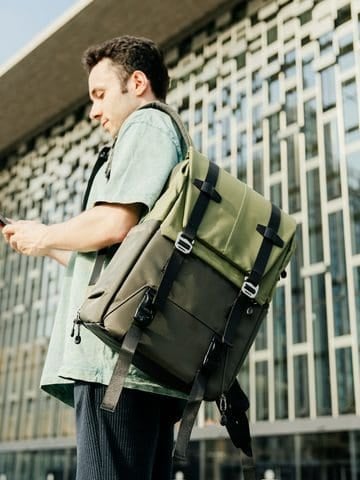
When you plan an adventure trip, most of the checklist covers where you're going and what you'll do. The gear that makes the trip possible gets less attention. That's a problem if you're flying with a bike, surfboard, or ski bag.
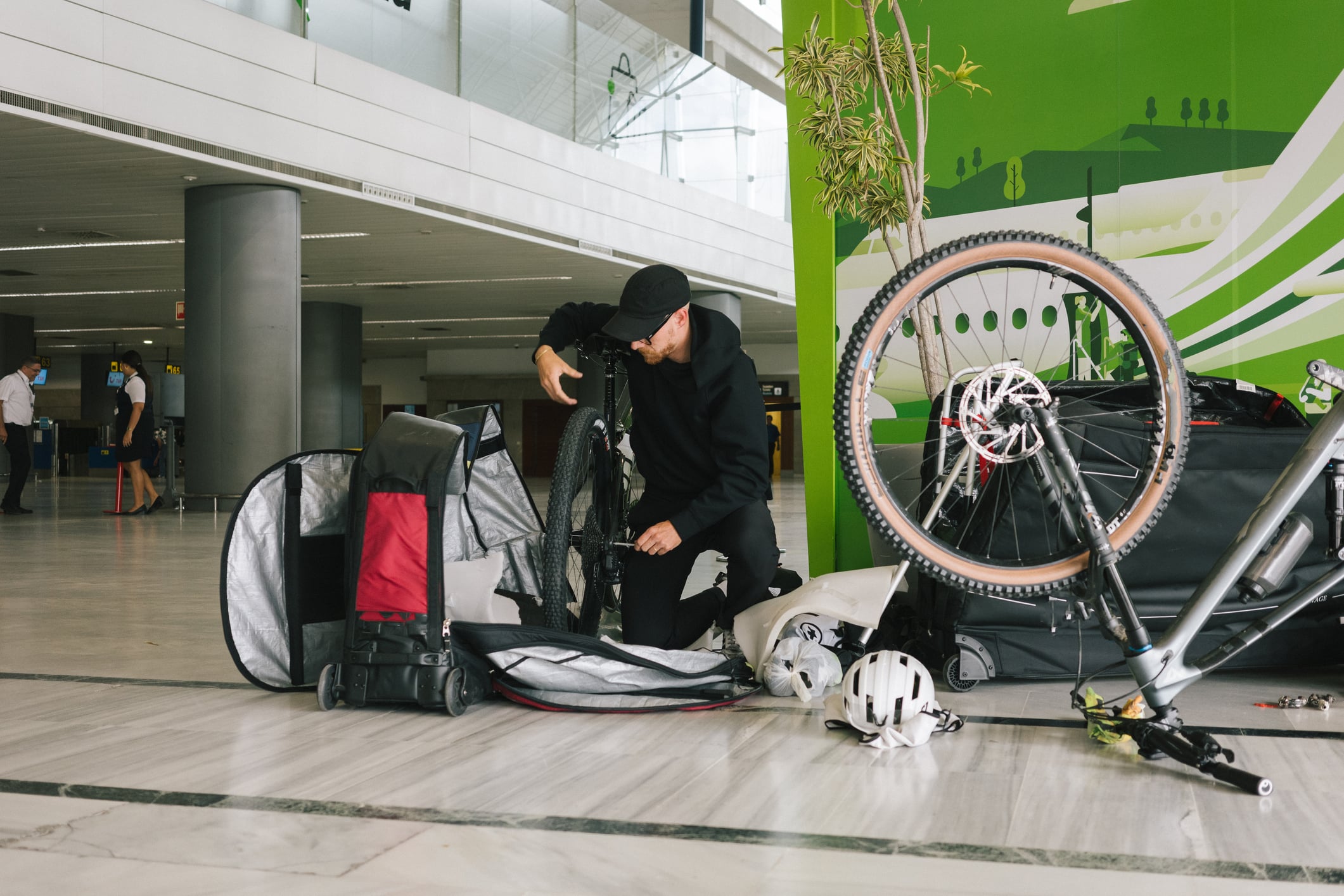
Oversize baggage follows different rules than the pack you check at the counter. Airlines limit what they'll pay for it. Travel insurance often excludes it. Coverage depends not on your gear's cost but on how it was packed, where you flew, and what you did in the first hour after landing.
Here's what's actually covered, and what you can do before you fly.
How much will an airline pay for damaged gear?
There's a legal maximum on what an airline owes you for mishandled baggage. It's lower than most travelers expect.
On US domestic flights, the limit is $4,700 per passenger. The Department of Transportation raised it from $3,800 in January 2025. On international flights covered by the Montreal Convention, the limit is 1,519 Special Drawing Rights, or roughly $2,175 per passenger.
Note: These are per passenger, not per item. The figure covers everything you checked. It is a maximum, not a guaranteed payout. Airlines settle at depreciated value based on what you can document.
Why is international coverage better than domestic?
This part runs opposite to what most people assume.
On domestic flights, airlines can list sporting equipment and fragile items as exclusions in their contract of carriage, and many do. If your gear falls under an exclusion, the airline owes you nothing, regardless of the $4,700 limit.
On international flights, they don't have that option. The DOT states it plainly: if an airline accepted your gear for transport, it's responsible for it. That applies whether or not you declared what was inside.
So your bike has stronger protection on a flight to Lima than on a flight to Denver.
Does your packaging affect the claim?
Yes, more than anything else within your control. And the rule is broader than most travelers realize.
American Airlines applies one standard to all sports equipment, not just bikes. It is liable for damage only if the gear was in a hard-sided case and the outside of that case is visibly damaged.
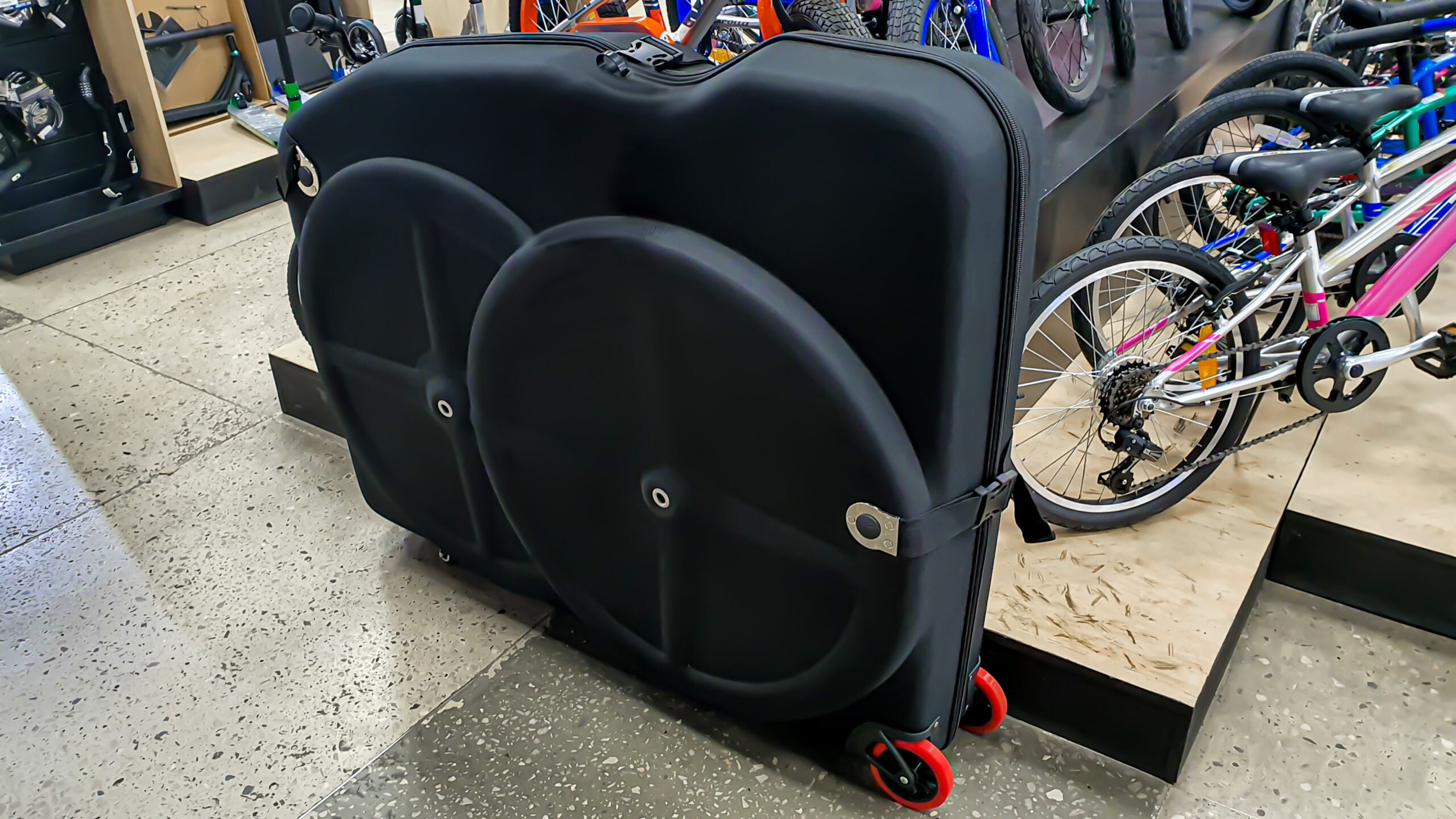
Anything not properly packed in a hard-sided case is treated as a fragile item and is subject to reduced liability. That covers surfboards, skis, snowboards, golf clubs, scuba gear, and bicycles.
How much that hurts depends on what you're carrying, because packing norms differ by sport.
- Bikes usually travel in cardboard boxes or padded soft bags. A frame can arrive with a cracked seat tube even if the box looks fine outside. In that case, a domestic damage claim may be difficult to pursue, especially if the airline blames inadequate packaging. International itineraries may afford broader protection under the Montreal Convention, though improper packing can still affect the claim.
- Surfboards almost always travel in padded soft bags, which rarely meet a hard-case standard. Some airlines go further: Southwest carries surfboards under a limited release of liability, and Etihad states it doesn't assume responsibility for surfboard damage.
- Skis and snowboards have a genuine hard-case option, and this rule is a good reason to use it rather than a padded sleeve.
- Scuba gear concentrates its value in regulators and dive computers. Those belong in a hard case, or in your carry-on.
Bikes are also the hardest to assess after a flight. A board shows its damage. A bike frame is built from tubes as thin as engineering allows, and a crack may not surface until you're well into a ride.
Flying with a bike has never been cheaper. Delta accepts a bike case up to 115 linear inches and 50 pounds for the standard $35 domestic bag fee with no oversize surcharge. Cheap to check is not the same as covered.
What if your gear doesn't arrive at all?
Damage is one problem. A tight layover is another. Oversize items are loaded last, handled separately, and often miss connections first.
A Bluetooth tracker inside the case solves most of that. AirTags and similar trackers are permitted in checked baggage by the TSA and FAA, and their coin-cell batteries fall far below the lithium limits that restrict other electronics.
Recently, airlines have started acting on tracking data. Apple's Share Item Location feature lets you send a temporary tracking link directly to an airline's baggage team. Dozens of carriers accept it, including American, Delta, United, British Airways, Lufthansa, and Qantas. The link expires after seven days and can be revoked at any time.
In practice, this changes an unhelpful conversation into a specific one. Instead of asking where your bike is, you can tell the baggage desk it is still in Amsterdam and ask which flight it is booked on.
What does travel insurance actually cover?
This assumption is worth correcting because it costs travelers the most.
The baggage benefit in a standard travel policy covers clothes, a phone, and a laptop. Limits typically run $500 to $3,000 total, with per-item caps of $50 to $500. Sports equipment usually is not included by default. It is an optional add-on or a separate benefit you must look for by name.
Run those numbers against almost any bike worth flying with. A policy paying $1,500 total with a $500 per-item cap does not replace a mid-range touring bike, let alone anything higher-end. The policy is not faulty. It was designed for different contents.
What travel protection does your credit card include?
More than most travelers use, though rarely the part covering your gear. Nearly all of what follows applies to annual-fee travel cards. If you do not carry one, it is still worth knowing which gaps you have.
Baggage coverage on a premium travel card typically caps around $3,000 per person, with lower sublimits for high-value items. Amex Platinum pays up to $2,000 for checked bags and $3,000 for checked bags plus carry-ons but does not cover delayed baggage. As with travel insurance, that math does not work for a bike.
The disruption benefits are where these cards actually earn their fee:
- Trip delay. The Chase Sapphire Reserve and Amex Platinum both reimburse up to $500 per person for meals and lodging after a six-hour delay. The Sapphire Preferred pays the same amount, but only after twelve hours.
- Baggage delay. Both Sapphire cards pay $100 per day for up to 5 days if a bag is more than 6 hours late. If your bike case misses a connection, that includes the essentials while you wait for it.
- Trip cancellation and interruption. Up to $10,000 per traveler and $20,000 per trip on the Sapphire cards, when illness, injury, severe weather, or another named event ends the trip early.
- Emergency evacuation. Up to $100,000 on both Sapphire cards when you're more than 100 miles from home. The Reserve adds $2,500 of emergency medical and dental coverage with a $50 deductible. If you ride or trek somewhere remote, this is the most valuable benefit on the list.
- Rental car damage. The Reserve provides primary coverage up to $75,000. Note that it covers the car itself, not the bike on the roof rack or the gear in the back.
Two conditions apply to nearly all of it. You generally must pay for the trip with that card, often in full. Benefits differ sharply between tiers of the same family, so the Preferred and the Reserve are not interchangeable.
The honest summary is that a good travel card handles trip disruption well but expensive gear poorly. Before relying on one, open the benefits guide and search for "sporting equipment."
What if the bike is the trip?
A growing number of travelers are not bringing a bike along. They are traveling by bike-a month through Colombia, the Carretera Austral, or two weeks of trains and back roads in Japan.
In that case, the bike is your most valuable possession, your transportation, and the one thing that can end the trip. It is exposed throughout the entire journey, not just during the hours it spends in a cargo hold.
The practical answer is to insure the bike as a bike rather than hope a travel policy covers it. A standalone bicycle insurance policy covers the bike, not the trip, and can be extended to cover it in any country.
This means the expensive item you hand over at check-in has coverage corresponding to its value.
What does a bicycle policy actually cover?
This is where policies diverge, and the difference is worth understanding before you buy one.
The core of a standalone bicycle policy is damage to the bike. Crash, collision, fire, theft, attempted theft, and vandalism, with a deductible you choose when you buy. Components and accessories attached to the bike, such as pannier bags and power meters, are included.
Two things travelers tend to assume come with that, and generally don't:
- Worldwide bicycle coverage. Protection for the bike outside the country is normally an option you elect, not something the base policy includes. Once elected, it applies while you're riding, transporting, or shipping the bike abroad, which is the part that matters at the oversize baggage claim, because it doesn't depend on the airline accepting fault.
- Racing and organized events. Competitive use is commonly excluded unless you add it. Home and contents policies may exclude racing or competitive use. If your trip is built around a gran fondo or a stage race, this is the box that decides whether the bike is covered on the day.
Both must be in place before you travel. Neither can be added once the bike is damaged, and a policy bought for commuting at home may say nothing useful about a ride in Peru. Check what you actually elected rather than what you remember choosing.
Then there is everything that covers you, not the bike. Liability for injury or damage you cause someone else, medical payments to cover deductibles your health plan won't, and uninsured motorist protection for collisions with uninsured drivers. Several well-known bicycle insurers do not offer these. Velosurance does.
Be clear about where they apply. Those rider coverages are domestic. No bicycle policy extends liability, medical payments, or uninsured motorist protection overseas, so a trip abroad leaves that coverage to a travel policy. Personal liability is not a standard travel insurance benefit. Some comprehensive plans include it; others exclude or cap it, so read the wording carefully.
A no-bicycle policy covers the cost of the trip. There is no cancellation benefit, delay reimbursement, or medical evacuation for you. A bicycle policy is the mirror image of a travel card: thorough on the machine, silent on the journey. That is why serious bike travelers carry both.
How To Protect Yourself Before You Fly
Whatever gear you check, these steps take about 10 minutes and make it easier to win claims.
- Check your coverage while booking. Options like worldwide protection must be selected in advance and cannot be added after something goes wrong.
- Photograph everything. Shoot the gear assembled, the packed case, the closed case at the counter, and your check-in receipt.
- Put a tracker in the case, and set up location sharing on your phone before you leave for the airport.
- Record serial numbers. Keep them and your purchase receipts somewhere other than inside the checked bag.
- Use a hard case if you can. Borrow or rent one. It improves both your odds of arriving undamaged and your odds of being paid.
- Weigh the case at home. Delta charges $100 for cases weighing 51 to 70 pounds, and more for heavier cases.
- Inspect at the airport. If there's any external damage, open the case at the claim desk and file a report before you leave the terminal.
- Watch the deadlines. Under the Montreal Convention, you have 7 days from receipt to report damage, and 21 days to report delay. After that, most claims are closed.
None of this is a reason to leave your gear at home. As these bicycle touring lessons from 20,000 miles on the road demonstrate, the rewards are worth the logistical challenges.
Riding your own bike through Colombia beats renting one, and most of what protects you costs nothing - photographs, a serial number written down somewhere sensible, and knowing to open the case before you leave the terminal.
Ten minutes and one phone call is the difference between a bad arrival that stays an inconvenience and one that becomes a real loss.
Figures are current as of August 2026. Airline policies and insurance terms vary. Check your own contract of carriage and policy documents.
This article was published in partnership with Velosurance.