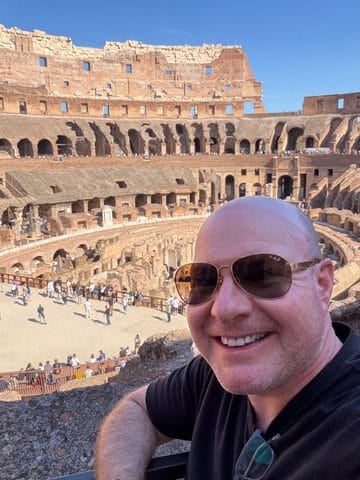
Picture the end of a long work week. You are tired, your inbox is full, and your mind is still buzzing. Then you step off a train in a new city. The air smells different, the streets are unfamiliar, and for the first time in days, your shoulders drop.
Even a short trip can reset the mind. New sights, sounds, and a different daily rhythm give your brain a break from routine. If you want to build calm, mindful habits for every trip, Overwell offers simple tools to help you slow down and notice what matters. The key idea is this: a weekend away works best when planned with care but lived with curiosity and calm.
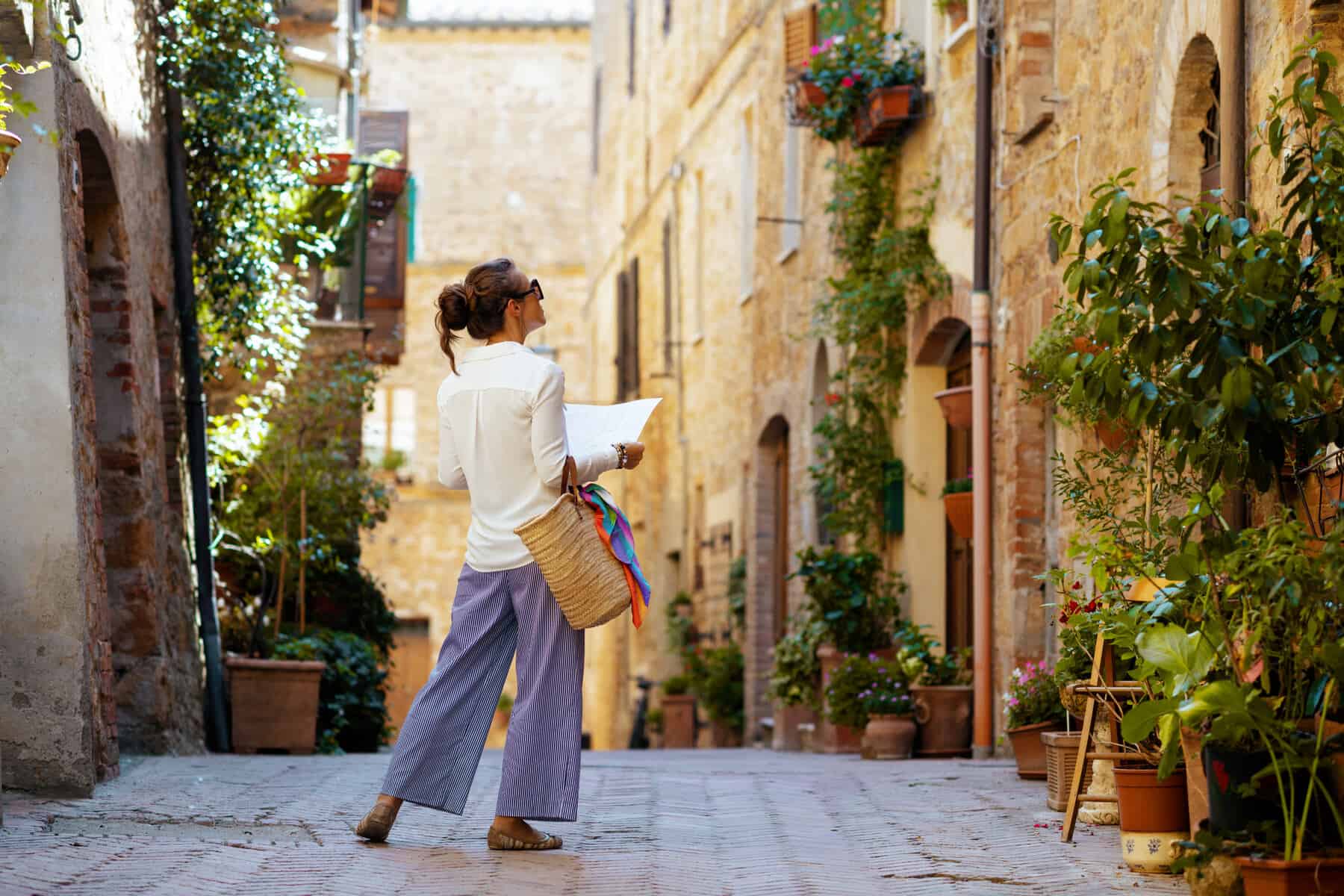
Setting Your Intention Before You Go
Before you book anything, ask yourself one simple question: "What do I want to feel this weekend?" The answer shapes everything that follows. Some people want deep rest after a hard season. Others want adventure, art, good food, or quiet time with someone they love.
Knowing your purpose helps you choose the right city, pace, and activities. If you want rest, a small walkable town with cozy cafés may suit you better than a large capital with long lines.
This step also protects you from a common trap: trying to do everything. When we do not know what we want, we try to see every sight and end the trip more tired than when we began. A clear intention is like a compass. It keeps you from drifting into stress.
A Light Plan With Space for the Unexpected
Good planning does not mean filling every hour. It means making a few smart choices so the rest of the trip can flow. Start with where you stay. A place in a walkable area saves time and energy because you can step outside and explore without long rides.
Next, pick a few places you truly want to see. Two or three is often enough for a short stay. If a spot is popular, like a famous museum or well-known restaurant, book ahead so you do not waste time waiting in line. Then leave open time in your days, hours with no plan at all.
This balance matters. Too many plans create stress and make the trip feel like a task list. Too few can lead to wasted hours and the feeling that you missed out.
A gentle middle path gives you structure free of pressure. You know where you are going but still have space for surprises, like a street musician, a secret garden, or a friendly local who points you toward a favorite bakery.
Exploring Like a Local, Not a Tourist
Famous landmarks are worth a visit, but a city's soul often hides in ordinary places. To really feel a place, experience its everyday life.
Walk through a residential neighborhood where people are following their daily routines. Visit a local market and see what people buy. Sit in a small café and taste what locals eat for breakfast.
These acts help you feel the city's real rhythm. You begin to notice how people greet each other, how fast they walk, and what they enjoy during a quiet afternoon.
Imagine spending a slow morning on a bench near a small square. You sip a warm drink and watch the world pass by. Children run after pigeons, an older man reads his newspaper, and a couple laughs over a shared pastry.
Nothing special happens, yet this moment may stay in your memory longer than any famous monument. Small moments often become the best memories.
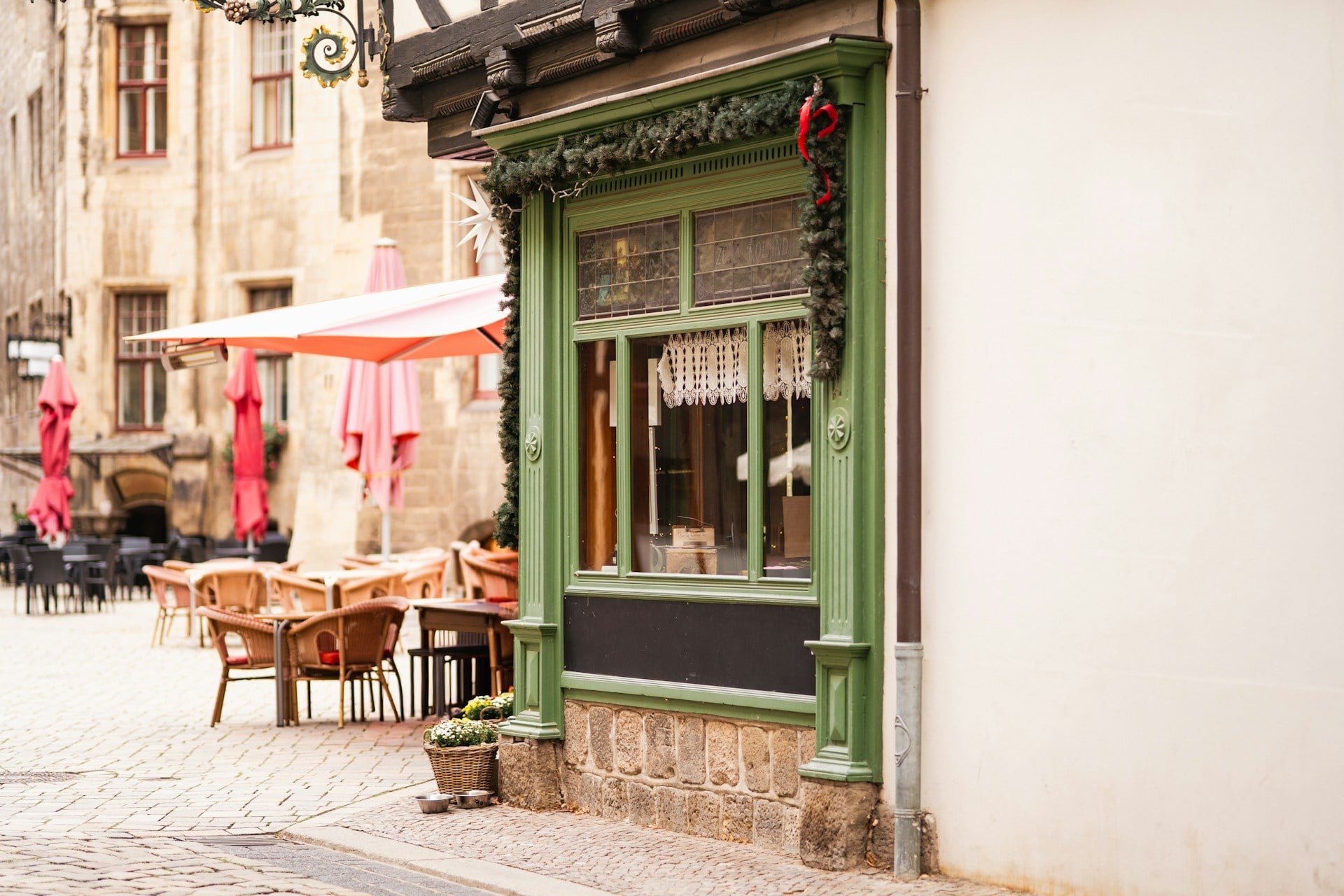
Staying Present and Protecting Your Energy
Travel can pull us out of the moment in surprising ways. We take endless photos, check our phones, and feel pressure to see everything. Soon we are looking at the city through a screen instead of with our own eyes.
Try putting your phone away for a few hours. Notice the sounds of the street, the smell of hot bread, the shade of old buildings in late light. When you pay attention this way, even a simple walk feels rich. Your mind settles, and the memory sticks more deeply.
It is just as vital to listen to your own energy. Cities can be loud and busy, and walking all day is tiring. Make time for good meals, regular breaks, and enough sleep. A slower pace is not a waste. It lets you enjoy what you do see.
Remember that skipping an attraction to rest is not failure. It is a wise choice. You came to refresh yourself, not to win a prize for seeing the most sights. If your body asks for a quiet hour in a park, give it that gift.
Carry the Good Feeling Home
When the weekend ends, you do not have to leave the good feeling behind. A few small steps can help you carry it home. On the way back, take quiet minutes to reflect. Ask yourself, "What moments made me smile? What did I learn about what I need?"
You might write down your favorite recollections in a notebook or a note on your phone. You can also choose one small habit from the journey to keep. Maybe it is an evening walk, a slow morning coffee, or a new way of exploring your own neighborhood.
In the end, a weekend city break is not about how much you see. It is about how deeply you feel. A few mindful days away can refresh your mind, soften your stress, and leave you feeling lighter long after you return.
This story was published in partnership with Overwell.