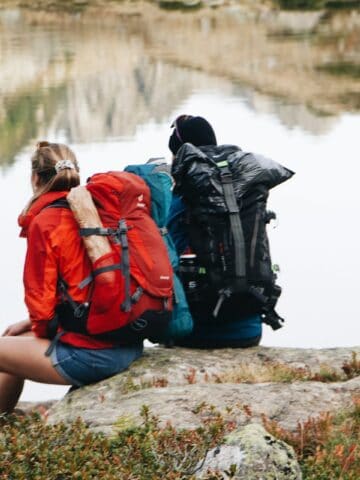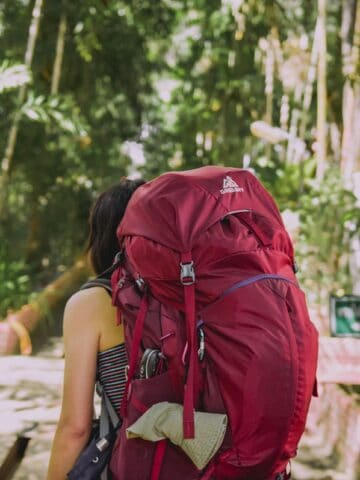
Backpacking forces you to think carefully. Every ounce matters. The wrong gear slows you down, wears you out, and kills your trip.
So what gear is actually worth packing? What helps on the trail, and what just looks cool online? This guide breaks it down. No fluff. Just real tools that do their job and earn their place in your pack.
Why Choosing the Right Gear Matters
Weight Adds Up Fast
An ultralight setup typically weighs around 10 to 12 pounds, excluding food and water. Most beginners carry 25 to 35 pounds. Every extra item makes hiking harder.
According to REI, every 1% reduction in pack weight leads to better endurance and fewer injuries. Small cuts add up to a big difference.
The Wrong Gear Can Fail When You Need It Most
A leaky tent in the rain or a sleeping bag that doesn't stay warm can ruin your night. Some gear doesn't perform as advertised. That's why testing, reviews, and wise choices matter.
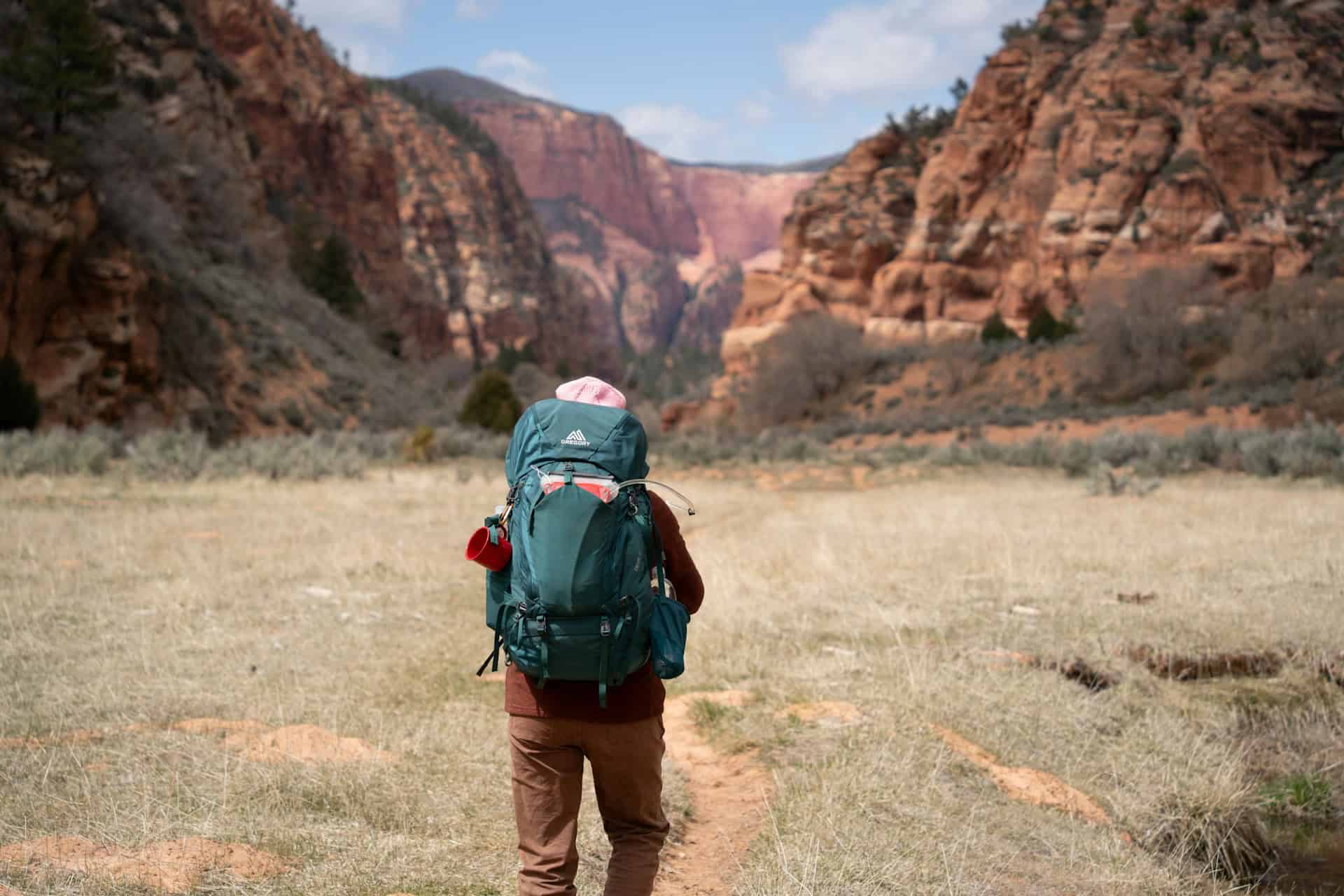
Step 1: Choose the Right Backpack
Capacity Depends on Trip Length
- Weekend (1-3 nights): 40-50 liters
- Multiday (3-5 nights): 50-70 liters
- Extended (5+ nights): 70+ liters
For most people, 55-65 liters is the sweet spot.
Features To Look For
- Padded hip belt
- Adjustable torso
- External pockets
- Water bottle holders
- Load lifters
A hiker in Oregon shared: "I swapped to a ULA Circuit after struggling with shoulder pain. Game changer. The hip belt took the load off, and I finally enjoyed the hike." Don't cheap out here. A good pack lasts years and makes every mile better.
Step 2: Shelter That Holds Up
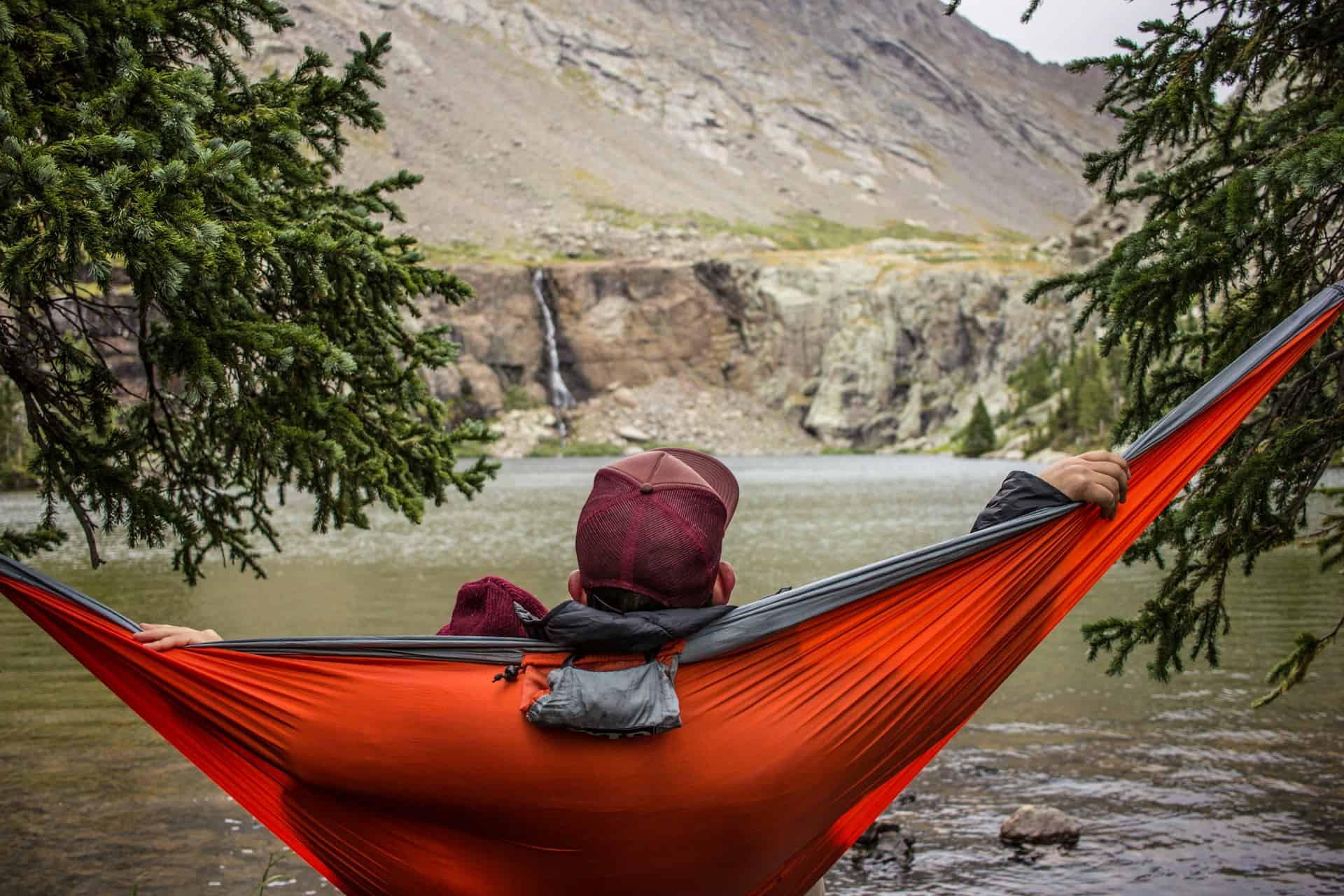
Tent vs. Hammock vs. Bivy
Tent: Most common. Best for general use. Look for double-wall tents under 4 pounds. Easy setup and weather protection are key.
Hammock: Great for forested areas. Needs tree straps and a rainfly. Not ideal in open terrain.
Bivy: Minimalist and light. Just a sleeping bag cover with a small hood. Suitable for fastpacking or solo trips.
Best Features
- Freestanding poles
- Rainfly with full coverage
- Vestibules for gear storage
- Strong zippers and seams
Top choices include the Big Agnes Copper Spur, NEMO Hornet, and REI Quarter Dome. A camper from Montana said, "My Big Agnes held up through hail and wind. Others had puddles. I was dry and warm." That's what matters.
Step 3: Sleep System That Works
Sleeping Bag or Quilt?
Bags are warmer. Quilts are lighter. Choose based on your trip and your personal preference for sleeping in cold conditions. A 20 F bag covers most 3-season use. For colder trips, look for 10 F or lower. Down packs are smaller but cost more.
Sleeping Pads
Look for an R-value of 3+ for spring and fall. For winter, go 5+. Foam pads are light but not as comfy. Inflatable pads pack smaller and sleep better. Don't skip the pad. It adds warmth and comfort even on soft ground.
Step 4: Cooking Gear That Doesn't Waste Space
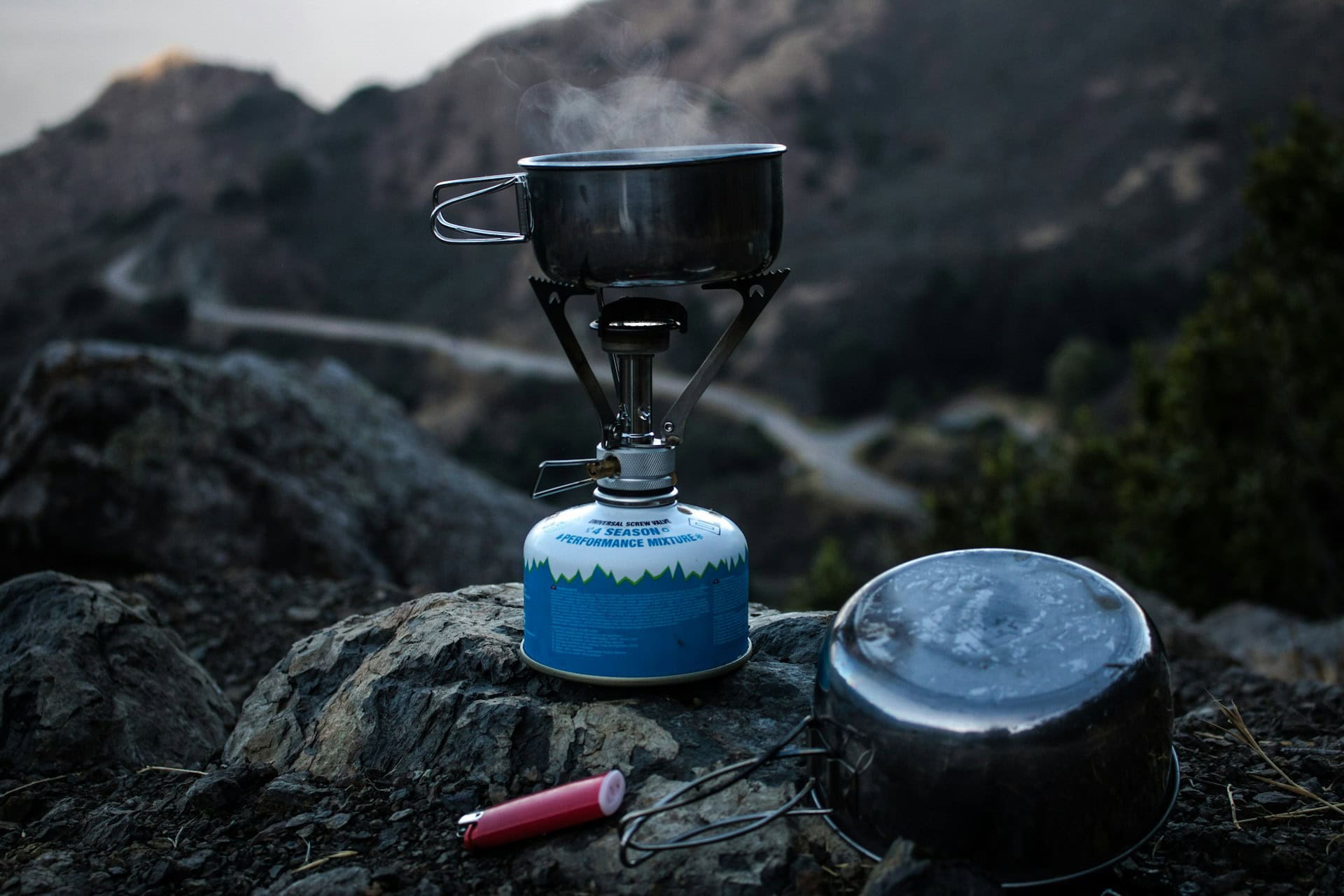
Stove Options
- Canister stoves like the MSR PocketRocket are easy and fast.
- Alcohol stoves are lighter but slower.
- Wood stoves save fuel weight but require dry twigs.
Most backpackers use canister stoves for ease and speed.
Pot Size
A range of 600-900 mL is ideal for solo hikers. You don't need a full kitchen. One pot, one spork, one lighter.
Also pack:
- Windshield
- Small fuel can
- Cleaning cloth
Leave the extras at home.
Step 5: Water Filtration That's Fast and Reliable
Filters vs. Purifiers
- Filters remove bacteria and protozoa.
- Purifiers also kill viruses.
For most U.S. trips, filters are fine.
Top Picks:
- Sawyer Squeeze
- Katadyn BeFree
- Platypus GravityWorks (for groups)
Chemical tabs, like Aquamira, are lightweight backups. Always bring a backup in case your filter breaks.
Step 6: Clothes That Layer and Dry Fast
The Layering System
- Base layer: Wicks sweat (merino or synthetic)
- Insulation: Keeps you warm (down or fleece)
- Shell: Blocks wind and rain (waterproof jacket)
No cotton. Ever. It holds moisture and stays cold.
How Much Clothing?
- 2 pairs of socks
- 2 underwear
- 1 pants + shorts
- 1 T-shirt
- 1 long sleeve
- Insulation layer
- Rain jacket
Pack for function, not fashion. Your trail selfies will still look great.
Step 7: Must-Have Extras
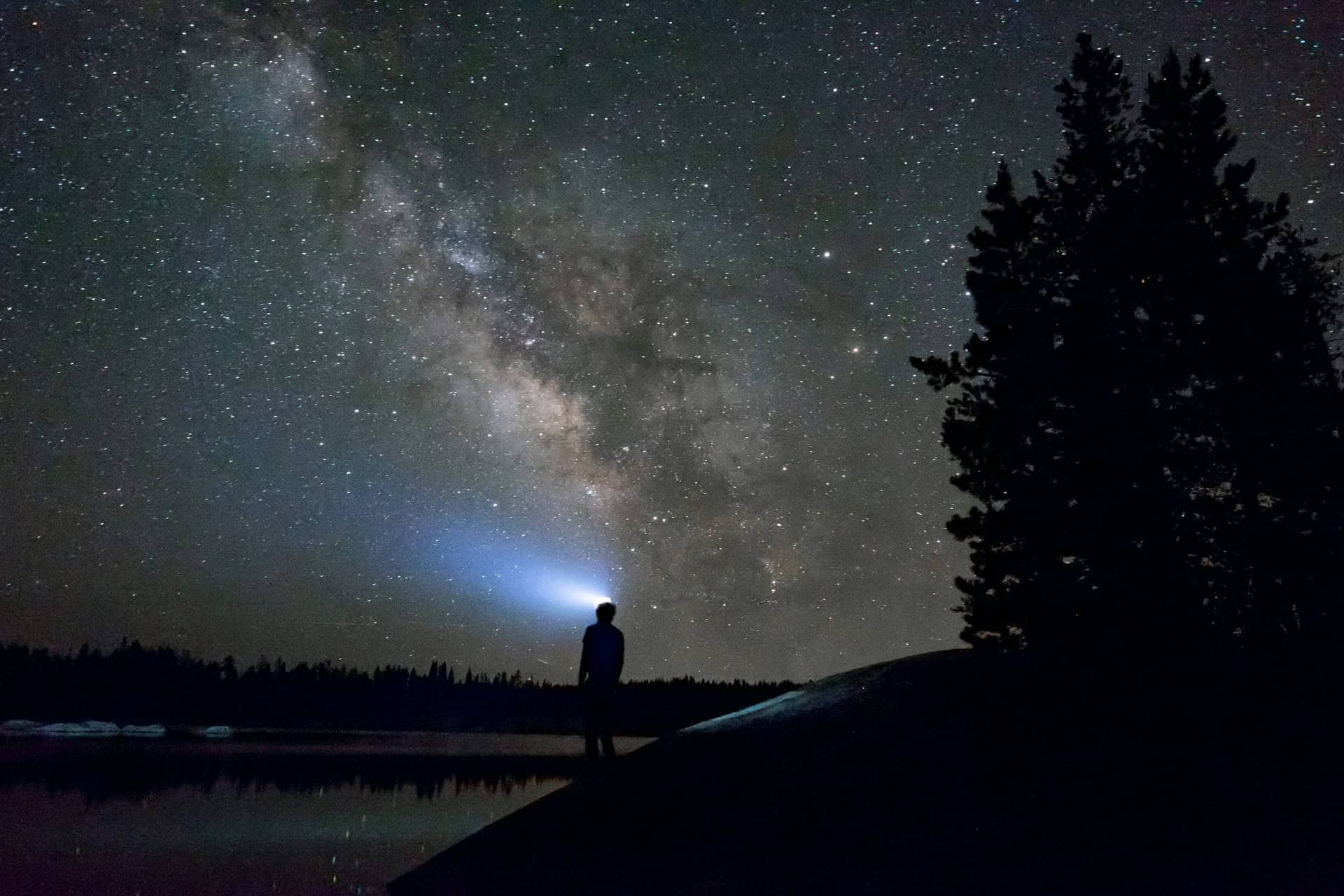
Headlamp
Always bring one. Black Diamond Spot and Petzl Actik are solid picks. Pack extra batteries.
First Aid
Basic supplies only. Bandages, moleskin, ibuprofen, tweezers. A cut kit. Keep it light but useful.
Phone + offline GPS app like Gaia or AllTrails. Bring a paper map and compass as backup.
Toiletries
Toothbrush, paste, soap flakes, trowel, toilet paper, or wipes. Pack out everything.
Knife
A small folding knife or multitool. Enough to cut cord or prep food. Leave the 6-inch survival blade at home.
Step 8: What To Skip
- Camp pillows (use your clothes bag)
- Giant multitools
- Full-size towels
- Heavy power banks (use airplane mode instead)
- Too many spare clothes
Every item should earn its place. If you're not using it daily, it (probably) doesn't belong.
Gear Reviews Aren't All Equal
Not all gear reviews are helpful. Some are sponsored. Some are fake. Always look for first-hand trial use, not unboxing opinions. Also, check for updates. Models change yearly. A review from 2019 might not reflect current quality.
If a review site appears suspicious or a product seems too good to be true, research the source. There's no clear guide on how to clean up misinformation, but sites like Erase help people handle unfair or outdated content online.
Final Gear List (3-Day Trip)
Essentials:
- Backpack (55L)
- Tent + stakes
- Sleeping bag (20 F)
- Sleeping pad
- Stove + fuel + pot
- Filter or purifier
- Headlamp
- Map/compass
- Rain jacket
- Base, insulation, and shell layers
- Socks x2, underwear x2
- First aid
- Knife
- Toothbrush/wipes
Add food, water, and possibly one luxury item (such as a journal or a coffee setup). That's it.
Final Thoughts
Backpacking isn't about packing everything. It's about packing right. The best gear keeps you safe, comfortable, and on the move.
Choose lightweight, tested items. Skip the gimmicks. Spend where it counts-on your feet, your sleep, and your pack.
Every hike teaches you something new. Start small, build your kit, and upgrade it over time. Less gear, more trail. That's how you do it right.
_____
This story is published in collaboration with Erase.