Road trips often involve overnight hotel stays, campground parking, roadside stops, and busy tourist areas. During these breaks, vehicles are usually left unattended for long periods. Travelers sometimes return to find scratches, bumper marks, broken mirrors, or signs of attempted theft around their vehicle.
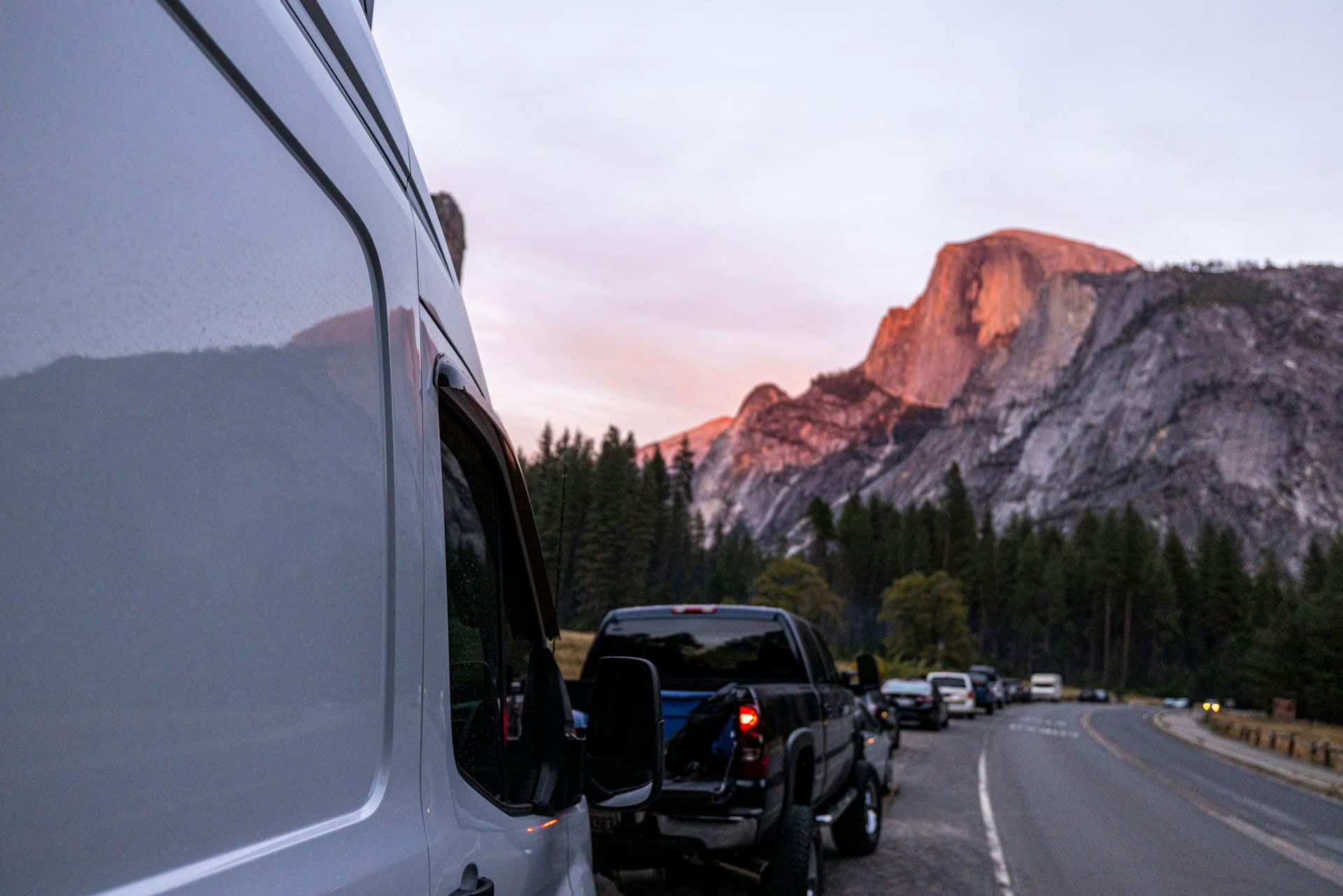
Parking problems become more stressful when drivers are far from home and unfamiliar with the area. Poor lighting, crowded parking spaces, and limited security increase the chances of vehicle damage. Sometimes drivers may not know when the damage happened.
Because of this, travelers often prepare their vehicles before long-distance trips to avoid parking disputes later. A 4 channel dash cam records activity around the vehicle from multiple angles during both driving and parking.
This wider camera coverage helps drivers monitor blind spots, document incidents, and reduce uncertainty during hotel and campground stops.
Why Travel Parking Areas Often Create Problems
Travel parking conditions differ significantly from normal daily parking. Hotels, beaches, campgrounds, hiking areas, and roadside attractions usually have constant vehicle movement in limited spaces.
Drivers often deal with tight parking spots, careless reversing, poor nighttime visibility, and crowded loading areas. Some hotel parking lots stay active throughout the night as guests arrive late or leave early in the morning.
Campgrounds create extra challenges because vehicles are parked near trailers, bicycles, grills, coolers, pets, and outdoor equipment.
Drivers entering narrow spaces may accidentally hit nearby vehicles without realizing it immediately. In busy travel locations, even small mistakes can leave scratches or dents on parked vehicles.
Common Damage Travelers Often Find After Parking
Parking damage can occur during travel in several ways, depending on the location and surrounding traffic.
- Door Dings and Scratches: Crowded parking spaces leave little room between vehicles. Careless door opening can damage mirrors or side panels.
- Rear Bumper Damage: Drivers reversing in tight spaces sometimes lightly bump parked vehicles before leaving the scene.
- Damage From Equipment or Carts: Loose carts, bicycles, luggage, or camping equipment may accidentally hit parked vehicles.
- Theft Attempts: Vehicles carrying travel bags, electronics, or outdoor gear sometimes attract theft attempts during overnight stops.
- Hit-and-Run Incidents: Some drivers leave the scene after causing minor damage because the vehicle owner is not nearby.
Without video footage, it can be difficult to explain what happened later.
How a 4 Channel Dash Cam Helps During Travel
A 4 channel dash cam records video from multiple angles around the vehicle. Most systems include front-, rear-, and interior-camera coverage, as well as additional side or exterior camera coverage.
For example, the Redtiger VisionPano 40 dash cam captures front road view, rear traffic, interior cabin activity, and side coverage to provide a full 360-degree perspective around the vehicle.
This setup helps travelers monitor more than the road ahead. During parking, the system may continue to record movement or impacts around the vehicle, depending on the parking mode settings.
Travelers often choose this type of recording system because it helps with:
- Recording parking incidents
- Monitoring blind spots
- Capturing rear activity near cargo areas
- Watching side movement in crowded parking lots
- Monitoring the vehicle interior during overnight stops
- Recording activity near campers or trailers
Families on road trips, campers, rideshare drivers, and long-distance travelers prefer wider camera coverage because travel conditions change frequently. A 4 channel dash cam can also help drivers review footage after parking damage or suspicious activity near the vehicle.
Why Larger Vehicles Face More Parking Problems
Travelers using SUVs, pickup trucks, camper vans, or RVs often experience additional parking challenges during road trips.
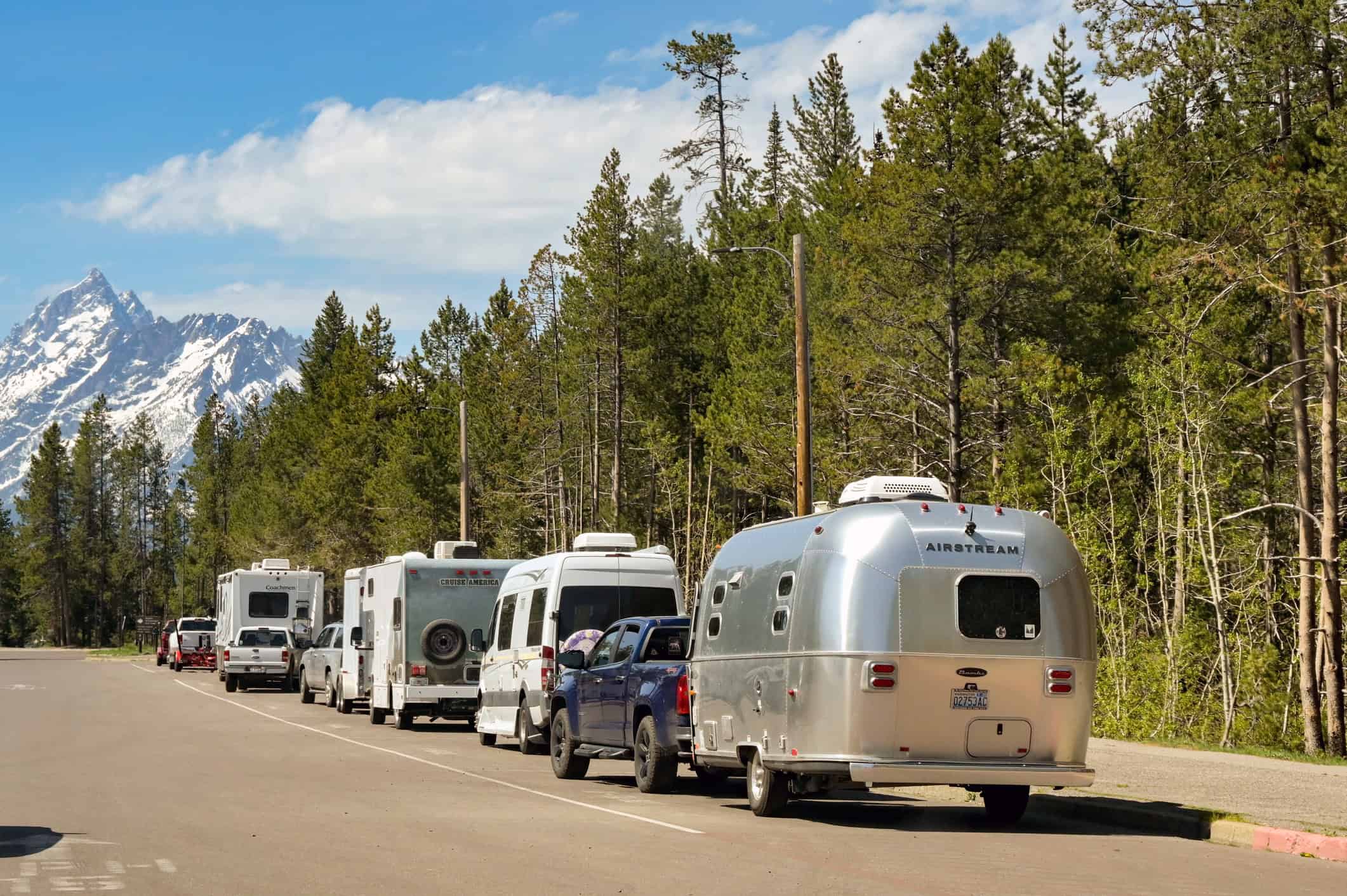
Larger vehicles create bigger blind spots and need more space when reversing or maneuvering. Campgrounds and hotel parking lots may not always offer enough space, especially during busy vacation seasons.
Drivers towing trailers or carrying roof cargo may also have reduced rear visibility when parking. In crowded travel locations, pedestrians, bicycles, and parked vehicles may become harder to monitor.
This is one reason travelers using larger vehicles often prefer recording systems with multiple camera angles during long-distance trips.
Features Travelers Often Prefer for Hotel and Campground Parking
Long-distance travel creates different recording needs than short daily driving. Travelers often spend long hours on highways, park in unfamiliar places, and encounter changing weather conditions along the way.
Drivers searching for the best dash cam for road trips focus on features that help during both driving and overnight parking. Wide camera coverage, parking-mode recording, nighttime visibility, and larger storage capacity are commonly preferred for extended travel.
Travelers driving larger SUVs, pickup trucks, camper vans, or towing trailers look for systems that record more than the front view. Drivers who spend long hours on highways or in overnight parking prefer wider coverage for reversing, blind-spot monitoring, and campground parking.
Parking mode recording is also useful during hotel stays because it can capture movement or impacts around the vehicle while it is parked overnight.
Why Nighttime Parking Creates Extra Risk
Most parking problems during travel happen after dark. Poor lighting makes it difficult for drivers to see curbs, poles, parked vehicles, or pedestrians while entering or leaving parking spaces.
Hotel parking lots may have uneven surfaces, hidden obstacles, or limited visibility near corners and exits. Campgrounds become darker at night because the lighting is weaker than in city parking areas.
Night driving before reaching the destination increases driver fatigue. Tired drivers may park carelessly or misjudge distances in congested areas.
For travelers arriving late at hotels or campgrounds, wider camera coverage becomes more useful during parking and overnight vehicle monitoring.
Parking Habits That Help Reduce Travel Risks
Recording systems help document incidents, but safer parking habits reduce problems during travel.
- Park in Well-Lit Areas: Better lighting improves visibility around the vehicle at night.
- Avoid Isolated Parking Sections: Parking near active areas may reduce the chances of theft or unnoticed damage.
- Remove Visible Valuables: Travel bags, electronics, and expensive equipment should not remain visible inside the vehicle overnight.
- Reverse Into Parking Spaces: Backing into parking spots often improves visibility when leaving crowded areas later.
- Check the Area Before Sleeping: Campground environments can change throughout the evening as more vehicles arrive.
- Keep Camera Lenses Clean: Dirty lenses may reduce recording quality at night.
Small parking habits combined with broader recording coverage help travelers feel better prepared for long trips.
Why Multi-Angle Recording Helps After Parking Incidents
Parking damage during travel is not always immediately discovered. Drivers notice scratches or dents hours later, unaware of when the incident occurred.
Video footage helps create a more precise timeline during situations that include:
- Parking lot collisions
- Hit-and-run incidents
- Theft attempts
- Insurance claims
- Campground parking disputes
- Vehicle damage near hotels or roadside stops
This is especially useful for travelers driving through unfamiliar cities or remote areas where finding witnesses may be difficult.
Multi-angle recording helps capture activity that standard front-only cameras may miss.
Final Thoughts
Hotel parking lots, campgrounds, and roadside travel stops expose vehicles to risks that drivers may not face during normal daily parking. Tight spaces, poor lighting, heavy traffic, and overnight parking increase the chances of scratches, minor collisions, or theft attempts.
Using a 4 channel dash cam helps travelers record activity around the vehicle from multiple angles while driving and when parked. Combined with safer parking habits, wider camera coverage helps drivers feel more prepared during long-distance travel and overnight stops.
This story was published in collaboration with REDTIGER.