You can tell a lot about a traveler by what they wear once the hiking boots come off. Some people collapse into the same damp sneakers they wore all day. Others go barefoot in a hostel bathroom that has seen better decades. The most relaxed usually have a third option: a soft, easy shoe they put on only when the day is done.
That small swap sounds trivial until you spend twelve hours on your feet. Long travel days-city museums back to back, a border crossing that eats the afternoon, a trek ending after dark-leave your feet swollen, hot, and sore in places hiking boots never reach.
A dedicated after-hours shoe will not fix a bad itinerary, but it does make the evening part of the trip feel like recovery instead of more endurance.
The Overlooked Hour of the Travel Day
Guidebooks obsess over trailheads, bus schedules, and the best coffee near the square. Almost nobody writes about the hour between "we made it" and "I can sleep." That hour is when you cook on a hostel stove, walk to a nearby market, sit on a balcony with a beer, or stand in line for a shower that may not have hot water.
It is also when much gear fails the comfort test. Trail runners and boots lock your foot in place. They are excellent for miles and terrible for lounging. Flip-flops are fine in dry heat but miserable on cold hostel floors, gravel courtyards, or anything slightly sharp. Socks alone are a hygiene gamble.
You want something you can slide into without thinking, that keeps your feet warm enough for shoulder-season evenings, and lets you walk a few blocks without feeling like you left half your kit in the room.
What "Recovery Footwear" Actually Means on the Road
Runners have talked about recovery shoes for years. The idea is simple: after a hard effort, give your feet a different shape and a softer ride so they can settle down. Travelers get the same kind of load-just spread across airports, cobblestones, and day packs instead of track workouts.
A good recovery option for backpacking usually has a few traits in common:
- Easy on, easy off. You will put these on and take them off a dozen times a day. Laces that need retying every time you leave the bunk lose their charm quickly.
- A footbed that does not feel like cardboard. After a long day, a little cushion and some arch support go further than another thin foam layer.
- Enough coverage for cool evenings. Open slides are great in summer. In mountain towns or winter city breaks, you want something that covers more of the foot.
- Light enough that you do not resent packing it. If it takes a packing cube of space, you will leave it at home and regret it later.
That last point matters more than brand claims. Every item in a backpack has to earn its weight.
Where the Hearth Clog Fits
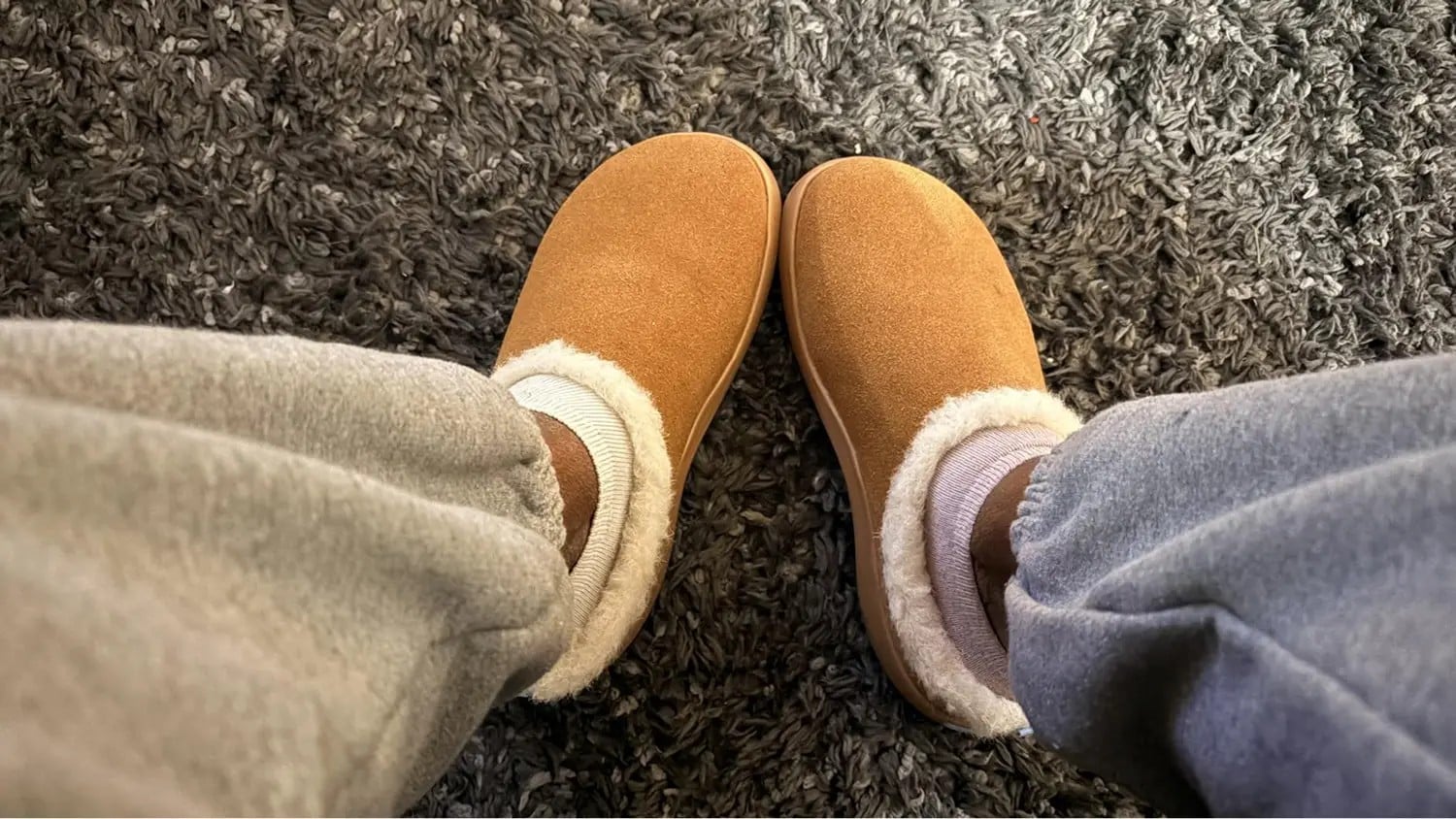
This is where a clog-style shoe makes sense for travel, especially once the weather turns. The VALSOLE Hearth Clog is built as an indoor-outdoor recovery clog: soft molded footbed, covered upper, and a silhouette you can wear from a bunk room to a late dinner without looking as if you forgot your real shoes.
We make the Hearth Clog for people who spend a lot of time on hard floors and want something kinder than a house slipper when they step outside. Backpackers live that life every day-just in hostels, trains, and rented apartments instead of a home kitchen.
A few details that travel well:
You can wear it with or without socks. In a heated hostel common room, barefoot works. On a cold train platform or wooden cabin floor in the mountains, a light sock plus the clog is an easy upgrade.
It does not need a break-in ritual. Travel shoes that require a week of blisters before they feel right are the opposite of helpful. A recovery clog should feel usable on day one.
It fills the gap between "shower shoe" and "going-out shoe." Many travelers pack flip-flops for bathrooms and end up wearing them to dinner because nothing else is clean. A covered clog handles both jobs more gracefully, especially in cooler months.
We are not arguing that the Hearth Clog should replace your trail runners. It should not. Think of it as the shoe you put on when your trail runners finally get to rest.
A Simple Packing Rule That Saves Sore Feet
If you already pack a dedicated pair of walking shoes, consider adding a softer pair for evenings.
The rule we use when people ask for a kit list is:
- One pair for miles (boots or trail runners).
- One pair for recovery and short evening walks.
- Optional: a thin sandal or slide only if you are heading somewhere hot and wet.
For warmer itineraries, that second pair can be a recovery slide. Our Recovery Slide is the open version of the same idea-quick to put on after a sweaty hike, useful around camp, and easy to rinse. For cooler trips or anyone who hates cold floors, the clog is usually the better second shoe.
Either way, the point is the same: do not ask your hiking footwear to do every job on the trip.
How This Shows up on Real Itineraries
Mountain towns and overnight treks. You finish a hike, peel off wet socks, and want something warm before dinner. A clog stays by the guesthouse door and gets used constantly.
For a glimpse of evenings in Himalayan guesthouses, see Dave's account of the Annapurna Sanctuary Trek.
Long train or overnight bus days. Your feet swell in transit. Changing into a soft shoe at the station or even mid-journey if there is room makes the last stretch more bearable than forcing swollen feet back into laced shoes.
City-heavy backpacking. Museums, metro stairs, and "just one more neighborhood" walks add up. An evening shoe turns the walk to a grocery store into recovery instead of another strain on the same hotspots.
Shoulder season and winter travel. Sandals that seemed clever in July feel foolish in November. Covered recovery footwear earns its place the first time you walk across a cold bathroom floor at 6 a.m.
What We Are Not Claiming
Comfort gear pitches get dishonest when they promise a shoe will transform your trip. It will not. Good planning, pacing, and socks still matter more. A soft shoe also will not rehabilitate an injury or replace medical advice.
What it can do is remove one avoidable annoyance: ending every day in footwear still trying to perform. Travel is already full of friction. Your feet do not need more of it after dark.
How To Choose If You Are Packing Light
If you can only bring one non-hiking shoe, ask where the trip spends its evenings:
- Mostly warm beaches, boats, and camp showers? A recovery slide usually wins.
- Hostels, mountain towns, winter cities, cabin floors? A clog is the more useful default.
- Mixed climate with a real chance of cold floors? Pack the clog and leave the fashion sandals at home.
Washability helps too. Anything that can handle a quick rinse in a sink and dry overnight earns more trust than delicate materials that smell like the bus after three days.
If your after-hike routine already works, keep it. If you have been ending every day in damp sneakers out of habit, try giving your feet a different shoe when the miles are done. It is one of the cheaper comfort upgrades a backpack can carry.
This story was published in partnership with VALSOLE.