People spend a month picking the right backpack. They read 40 reviews about hiking socks. Then they board a 14-hour flight wearing the band that came in the Apple Watch box because who thinks about a watch strap?
A watch band is easy to overlook until it feels tight on a long flight, stays damp after a muggy afternoon, or looks too sporty for dinner.
This guide covers four band options for different parts of a trip, with one practical packing suggestion: bring two that suit your itinerary.
Why Your Watch Band Matters More On The Road
At home, if a band annoys you, you swap it the next day. When traveling, you're stuck with whatever you packed, sometimes for weeks.
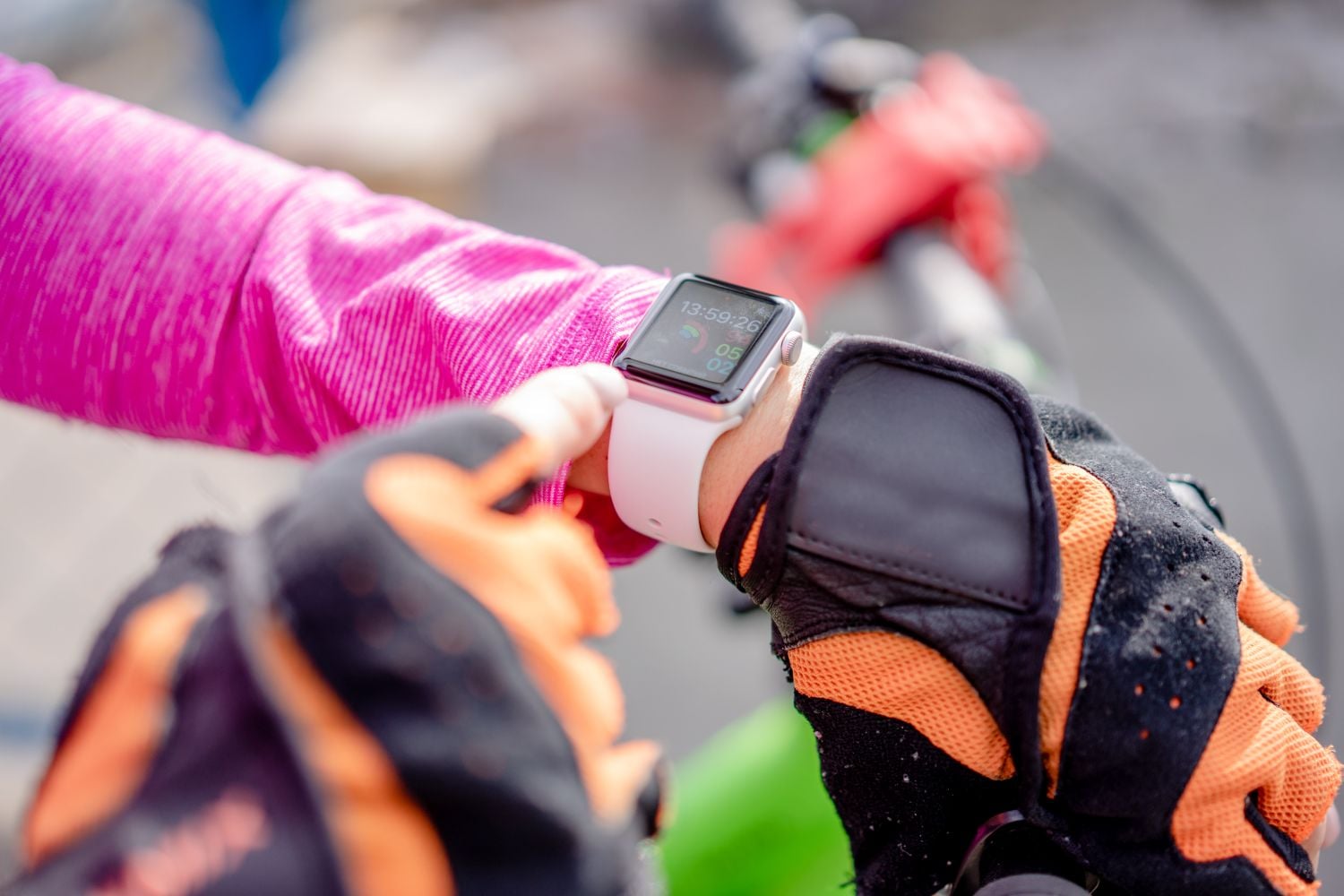
The watch does more work than usual: boarding passes, offline maps, heart rate on a steep climb, fall detection if hiking alone. Coruzant has a good piece on how wearables help manage health and safety while traveling. Most features depend on the watch staying put.
Fit affects the readings, too. Apple's guidance on wearing the watch says it should be snug but comfortable. It recommends tightening the band for a workout and loosening it afterward. Think how many times a day that happens on a trip.
Researchers at Florida Atlantic University swabbed wristbands and found bacteria on 95% of them (you can read the FAU summary here). Rubber and plastic bands had the highest counts. Gold and silver ones had almost none. Now picture your band after a week of sunscreen, DEET, and no washing machine.
The 4-S Test: How To Judge Any Band Before a Trip
Before packing a watch band, consider four questions about comfort, care, convenience, and style.
- First, swell. Wrists puff up on long flights and in hot weather. Can the band adjust in small steps or only in big jumps between holes?
- Second, sweat. How easily can you clean the band, and will it dry overnight? Follow the manufacturer's care instructions.
- Third, swap. Is the band easy to remove and attach without tools or a headlamp?
- Fourth, style. Does it work for a nice dinner as well as a day of sightseeing?
Different materials involve trade-offs. Packing two complementary bands gives you more flexibility.
1. Solace Bands Adjustable Straps: Best All-Rounder For Flights and Transit Days
Flights are where most bands fall apart figuratively. You strap in at the gate, and it feels fine. Three hours in, your wrist has swollen, and the case presses a little square into your skin. Then you land, and it's loose again.
You want fine adjustment. Hook-and-loop nylon does it. So do sliding clasps and stretchy designs. Loosen it over the ocean and tighten it when walking to passport control. Easy.
Solace Bands offers a wide range, from adjustable nylon to slimmer stretch styles meant for all-day use rather than a single sport. If you're stuck between materials, their explainer on how to choose the perfect Apple Watch band sorts options by lifestyle, material, and closure type. These elements also provide a useful starting point when choosing a band for travel.
A few slimmer adjustable styles from Solace Bands are for smaller case sizes only. If you wear an Ultra, check before ordering. Nylon holds sweat longer than rubber. An adjustable fabric band suits flights, while a band designed for swimming is better for snorkeling.
Apple's Sport Loop does a similar job. Lower-cost nylon loops are widely available on Amazon, though closure quality and durability vary.
2. A Hook-And-Loop Nylon Loop: Best for Hiking and Multi-Day Treks
For hiking, look for a lightweight band that stays comfortable and adjusts easily. Nylon options such as Apple's Trail Loop or Sport Loop are worth considering.
They weigh almost nothing. They breathe. You can tighten them a notch with cold, clumsy fingers at a windy pass, then loosen them an hour later when you're down to a T-shirt and sweating.
It's the same thinking as deciding what backpacking gear is worth packing. If something needs constant fiddling, it hasn't earned its spot.
The catch? Fabric absorbs sweat. Remember those bacteria numbers. Every two or three days, wash it with a drop of soap and hang it off your pack or a bunk rail overnight. In dry mountain air, it dries by morning. In the Amazon rainforest or Borneo, maybe not.
3. A Fluoroelastomer Sport Band: Best for Water, Heat, and Sweaty Days
Beach weeks, kayaking, that sticky stretch of Southeast Asia where you're sweating from the moment you leave the guesthouse. This is sport band territory.
Fluoroelastomer sport bands are practical options for swimming and sweaty days. After swimming, rinse with fresh water and dry thoroughly, following the manufacturer's instructions. Apple's Ocean Band is designed for water activities, but diving suitability depends on the watch model-not just the band.
Two problems, though. The FAU researchers found the most bacteria on rubber and plastic bands, so rinsing this one daily isn't optional. The pin-and-tuck closure moves in fairly big steps, which is bad on a long flight when your wrist has swollen.
4. A Metal or Leather Band: Best for City Days and Nice Dinners
Not every trip is trails and ferries. Some are museums, tapas, and a rooftop bar you had to dress for. That's when a stainless steel link band or a Milanese loop earns its place, because suddenly the watch looks like jewelry and not a step counter.
A magnetic Milanese loop adjusts almost continuously so it handles swelling better than you'd guess. It's heavier. It scratches. In January it's freezing against your skin, and in August it can get hot in the sun. You'll put it in the tray at security either way.
Leather is lovely in cities and unhappy elsewhere. Rain, sweat, and humidity can damage leather, making it not as suitable for tropical trips. Apple's Milanese Loop, Nomad's leather and titanium bands, and many third-party link bracelets fit this category.
How To Pack Your Two-Band System
For a city break in Europe, consider an adjustable strap for flights and a metal band for evenings. On a trek, use a nylon loop for walking days and a sport band for river crossings and lake swims.
Beach and island hopping flips that around: sport band during the day, adjustable strap for ferries and flights. If it's a work trip with a few free days tacked on, metal for meetings and adjustable for the rest.
Some small things that help:
- Store the spare in a zip bag with your travel tech kit, not loose at the bottom of your pack where it collects crumbs and sand.
- Know your case size before buying. A 41mm band won't fit a 46mm watch. It's an annoying mistake to discover in a hotel room.
- Rinse the day's band before bed. It takes about thirty seconds.
- Worried about weight? A spare band barely registers. To travel lighter without giving up what you value most, leave the third shirt behind.
Final Thoughts
A watch band may seem like a small detail. But a strap that pinches all through a red-eye or stays wet for two days on a trek can take the shine off a trip in a way that's hard to explain to anyone who wasn't there.
So run your bands through the 4-S Test and pack two that cover each other. Start with something adjustable from Solace Bands or whatever you already have that works. Then add the one your trip needs. Nylon for trails, rubber for water, metal for cities.
After that, stop thinking about your wrist. You didn't fly all that way to look at it.
This article was published in partnership with Solace Bands.