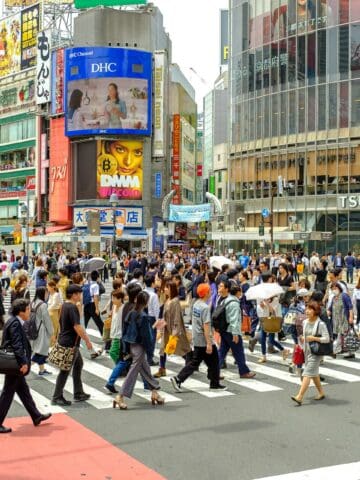
Japan welcomed more visitors in 2025 than ever before, and most walked the same ten streets. The crowding is real but concentrated: a few temples, villages, and viewpoints absorb most of it, while places offering the same experience sit half empty a valley away.
Budget travelers hear a tempting promise: quieter must mean cheaper. Sometimes it does. Sometimes the quiet option adds a shinkansen leg or a rural bus that erases every yen saved on admission.
The only way to know is to do the math, so this article does it for four popular swaps using prices checked in August 2026 from official sources. That timing matters: JR East raised fares on March 14, 2026, and Kyoto doubled its accommodation tax two weeks earlier, so numbers from older guides are quietly wrong.
The pairings come from the Crowd-Free Japan Index, which matches 40 of Japan's most-visited places with curated quieter alternatives.
Kanazawa Instead of Kyoto: The Savings Are on the Ground, Not the Rails
Kanazawa is often called "little Kyoto," which annoys both cities, but the comparison holds where it counts. The Higashi Chaya geisha district is a smaller, calmer Gion where the teahouses actually let you in: Ochaya Shima charges ¥500 to walk through a working 1820s interior.
In contrast, most Gion teahouses remain entirely closed to casual visitors.
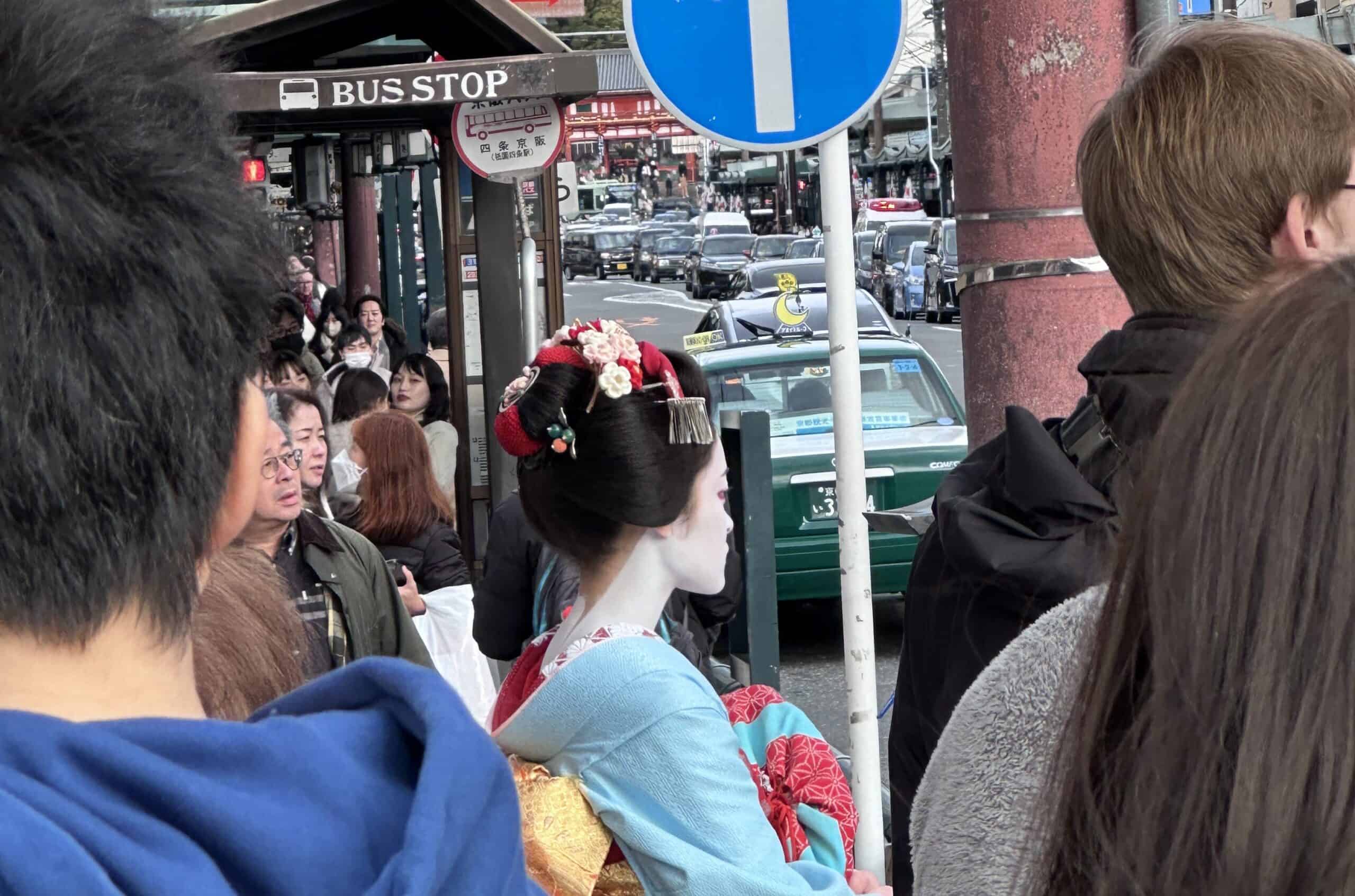
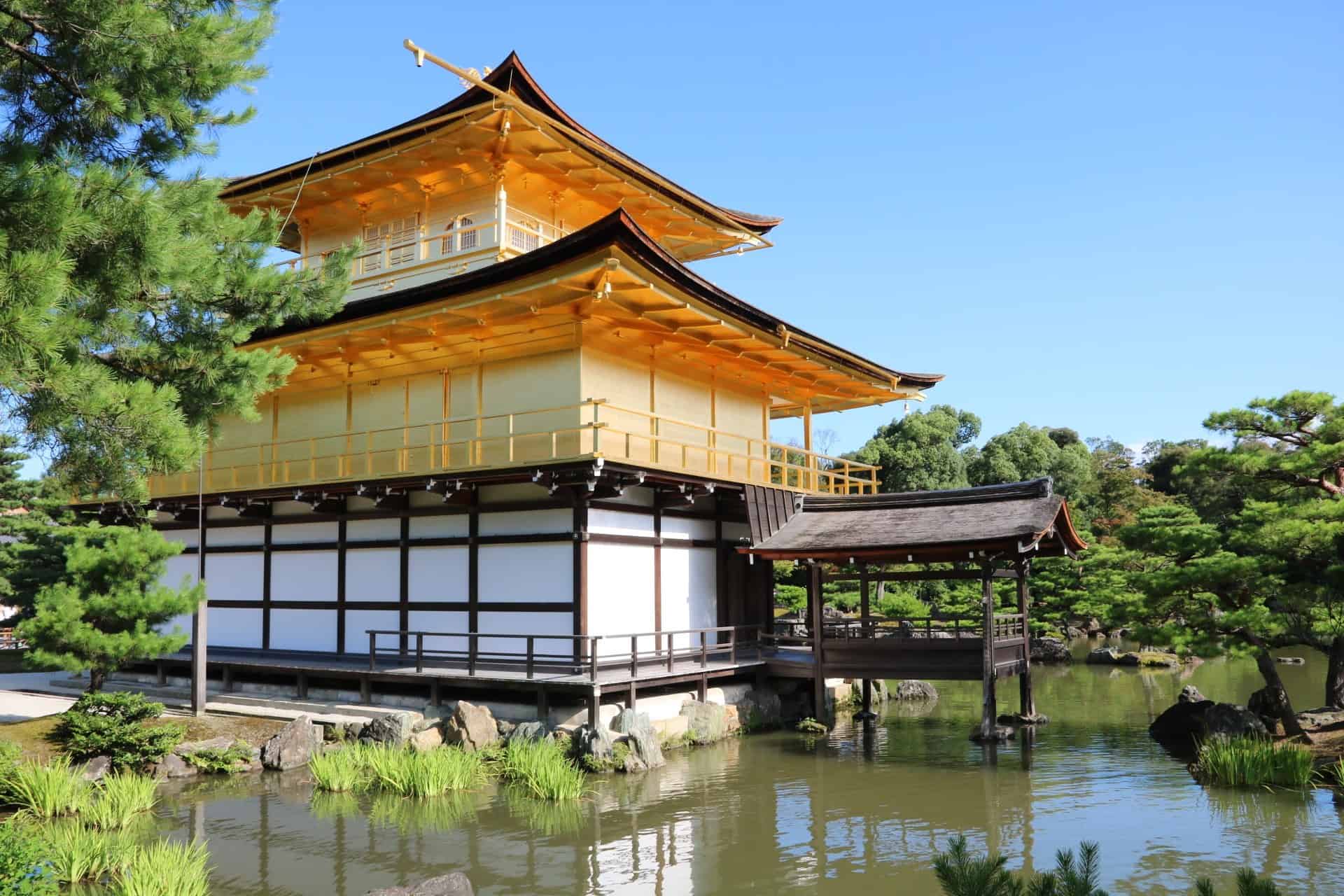
Omicho Market delivers the seafood-breakfast experience of Tokyo's Tsukiji Outer Market, with locals still doing their shopping there, and entry to Kenroku-en, one of Japan's three great gardens, costs ¥320, compared with ¥500 for Kinkaku-ji or ¥500 for Kiyomizu-dera, each ticketed separately.
The biggest savings come from where you sleep. Kyoto's average hotel rate hit a record ¥20,195 per night in 2024.
Since March 1, 2026, the city has charged a ¥1,000 per-person-per-night accommodation tax on rooms priced at ¥20,000-49,999, double the previous rate. Kanazawa's tax on the same room is ¥500.
| Cost item (August 2026) | Kyoto | Kanazawa |
| Shinkansen from Tokyo, one way | ¥14,170 | ¥14,600 |
| City bus, single ride | ¥230 | ¥220 |
| Transit day pass | ¥1,100 | ¥800 |
| Headline garden or temple | ¥500 | ¥320 |
| Accommodation tax, per person | ¥1,000 p.p. per night | ¥500 p.p. per night |
Note the first row: The train from Tokyo to Kanazawa costs slightly more than the train to Kyoto. The swap pays off in everything after you arrive and compounds with every night you stay.
Shima Onsen Instead of Ginzan Onsen: The Clearest Budget Win in Japan
Ginzan Onsen's gaslit street has become so popular that the town now meters its own visitors.
In winter, day visitors park two kilometers out and ride a shuttle; evening entry requires a paid reservation (¥1,150 in the first season, capped at 100 people per hour), and after 8 pm the street closes to everyone but overnight guests.
Those overnight stays start at roughly ¥25,000 per person with meals, and reaching the town from Tokyo costs about ¥13,000 by the Yamagata Shinkansen, plus a ¥1,000 bus that takes cash only.
Shima Onsen, tucked in a Gunma river gorge, offers the same Taisho-era wooden-ryokan romance with none of the metering. Sekizenkan's main building dates to 1691, making it Japan's oldest hot-spring inn building, and it is often said to have inspired the bathhouse in Spirited Away; its budget rooms start at ¥10,450 per person.
The riverside cave bath Kawara-no-yu is open to day visitors from 9:00 to 15:00 without charge. Best of all, a direct highway bus runs from Tokyo Station for ¥3,500 one way and ¥6,300 round trip, about three and a half hours.
Cost item (August 2026) | Ginzan Onsen | Shima Onsen |
| Transport from Tokyo, one way | ~¥14,000 (shinkansen + bus) | ¥3,500 (direct bus) |
| Night in a heritage ryokan | From ~¥25,000 p.p. with meals | From ¥10,450 p.p. at Sekizenkan |
| Soaking without staying | Winter evenings ticketed | Free cave bath, 9:00–15:00 |
One honest caveat: the bus runs once daily each way and must be reserved by 4 pm the day before. If you miss it, the rail route via Nakanojo costs more and takes longer. Book the seat, then relax.
Ainokura Instead of Shirakawa-go: Let Your Routing Decide
Shirakawa-go itself is not the budget problem; walking the village is free, the Wada House costs ¥400, and the viewpoint shuttle costs ¥300. The problem is that everyone arrives on the same reservation-only buses (¥2,800 one way from either Kanazawa or Takayama) and shares the lanes with them.
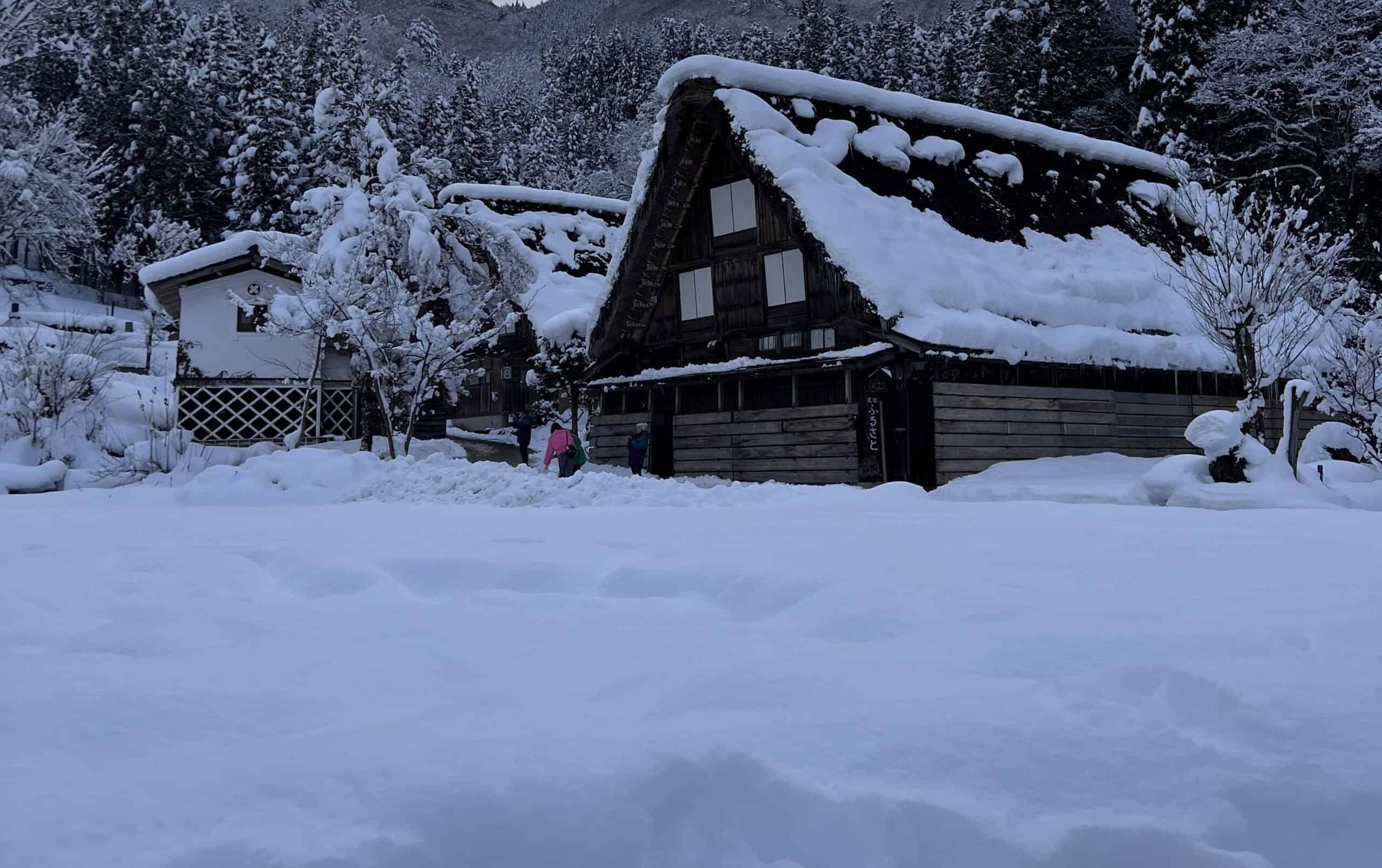
Ainokura, a village of twenty thatched gassho-zukuri farmhouses on a mountainside in neighboring Gokayama, is listed as a World Heritage site with a fraction of the foot traffic. It is also free to enter on foot, and the World Heritage Bus from Takaoka or Shin-Takaoka costs ¥1,100, less than half the Shirakawa-go fare.
Whether that saves you money depends entirely on your routing. Traveling the Hokuriku Shinkansen anyway? Step off at Shin-Takaoka and Ainokura is the cheaper, quieter choice.
Based in Kanazawa or Takayama with no plans northward? The extra rail leg to Takaoka eats the difference, so the direct ¥2,800 bus to Shirakawa-go wins.
The best-value option for seeing both: the ¥4,000 two-day unlimited pass covers Ainokura, Suganuma, and Shirakawa-go on one ticket, and costs less than buying a single round trip separately.
Related: Travelers looking beyond Tokyo and Kyoto can find more ideas in Go Backpacking's guide to Japan's Chubu region.
Naoshima and Teshima Instead of teamLab: When Quieter Costs More
Honesty requires one counterexample, because quiet does not automatically mean cheap. Tokyo's teamLab Planets charges from ¥3,600, with date-based pricing.
The contemplative alternatives are Naoshima and Teshima, neighboring art islands in the Seto Inland Sea: the Chichu Art Museum costs ¥2,500-3,000 with timed reservations that cap visitors. The Teshima Art Museum costs ¥1,800-2,000. The direct ferry from Uno Port to Naoshima costs ¥370, while the ferry to Teshima costs ¥780.
Per ticket, the islands undercut teamLab. Per trip, they usually don't: Uno Port is a Shinkansen ride and two local connections from Tokyo, and that transport dwarfs the admission savings.
The swap only makes financial sense when Setouchi is already on your route, say between Osaka and Hiroshima. If it is, take it without hesitation; if not, this is the case where the crowded option is genuinely the affordable one.
The Cheapest Alternative: Don't Leave the City You're In
The most expensive way to escape a crowd is to cross half of Honshu. A same-day dash from Tokyo to Kyoto for Fushimi Inari's torii gates costs over ¥28,000 in return shinkansen fares before you have eaten anything.
Meanwhile, Nezu Shrine, one of Tokyo's oldest, has its own tunnel of vermilion torii at the Otome Inari sub-shrine, costs nothing to enter, and sits a ¥180 metro ride from central Tokyo.
The same logic covers bamboo. Kamakura's Hokoku-ji temple has a grove where you can sit with matcha for ¥400 admission plus ¥600 for the tea. The Great Buddha at Kotoku-in across town charges ¥300, and the train from Tokyo costs ¥1,040.
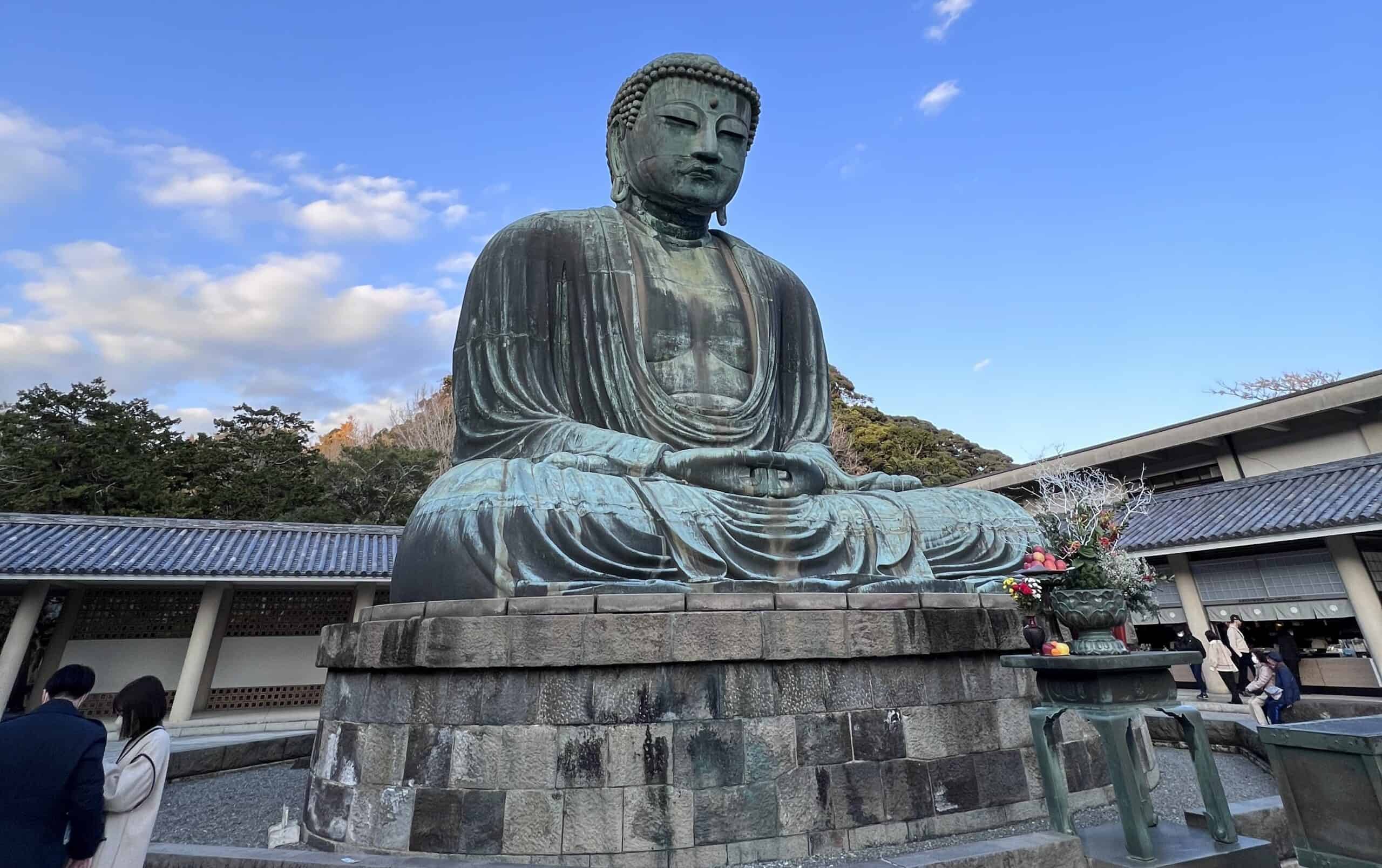
That makes a full bamboo-and-Buddha day out possible for under ¥5,000, compared with visiting Arashiyama's grove at the far end of a ¥28,000 round trip.
Even garden-hopping scales down: Kiyosumi Garden charges ¥150 for stone-hopping across carp ponds that Shinjuku Gyoen crowds pay ¥500 for.
Altitude works the same way. Shibuya Sky's rooftop charges ¥2,700 online for daytime entry and ¥3,400 for sunset slots, and shares the deck with everyone else who booked the same golden hour.
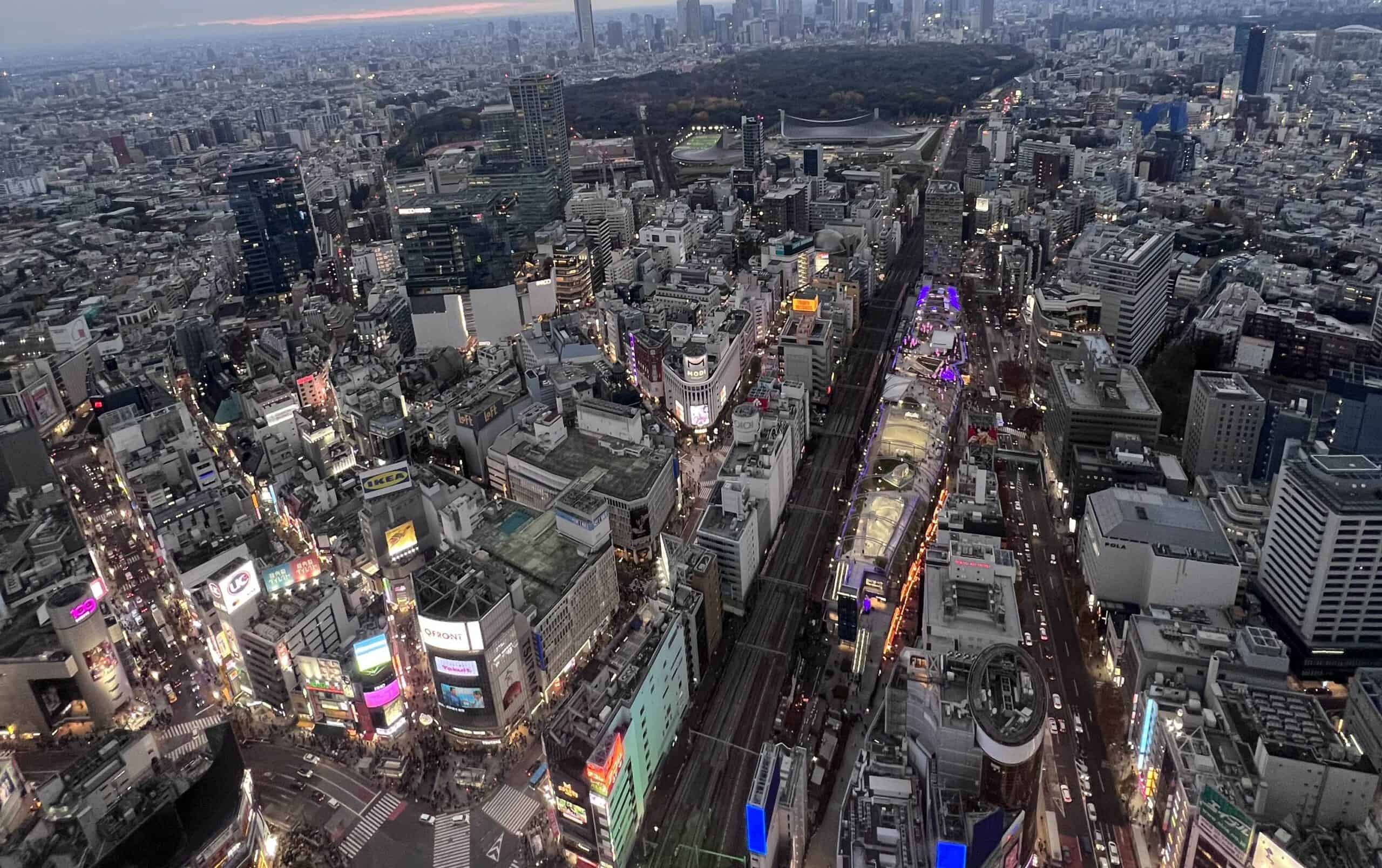
Sunshine 60's Tenbou-Park observatory in Ikebukuro shows a comparable skyline for ¥700 on weekdays, and the free 26th-floor observation lobby of Carrot Tower in Sangenjaya, a few minutes from Shibuya on the Den-en-toshi line, faces Mount Fuji at sunset and charges nothing at all.
Four Rules Before You Swap
- Price the final leg first. Rural alternatives live or die by the last bus or ferry: its fare and, above all, its schedule. One missed daily departure can force a taxi that costs more than the whole day.
- Admission is rarely the problem. Japanese entry fees are modest: ¥150-800 covers most of the attractions in this article. Accommodation and intercity trains decide your budget, so compare hotel rates and lodging taxes before temple tickets. For a broader breakdown of travel costs, read Go Backpacking's guide to backpacking Japan on a budget.
- Some crowded icons are free. Fushimi Inari charges nothing; Shirakawa-go's lanes charge nothing. Swapping away from them buys you a better experience, not a cheaper one. Know which reward you're paying for.
- Recheck prices from 2026 onward. The March 2026 JR East fare rise and Kyoto's doubled accommodation tax made many older budget guides inaccurate. The official links above reflect August 2026 prices.
Quiet and cheap usually travel together in Japan, but not always, and never automatically. Run the numbers for your own route, and you'll often find the lesser-known option costs less and gives more. When it doesn't, at least you'll know before the bus timetable tells you.