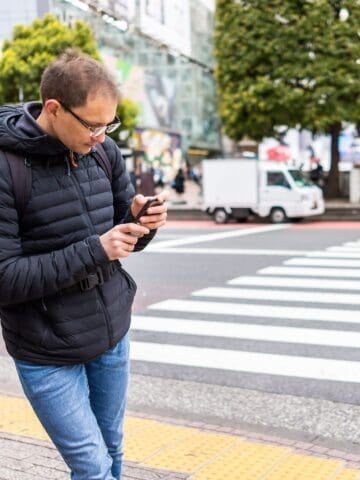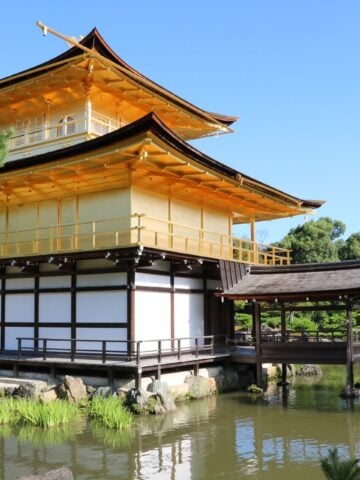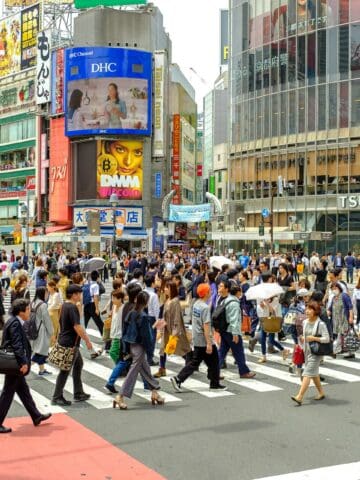
Japan continues to blend tradition with advanced technology, and in 2026, this is especially clear in its border entry process. As part of the ongoing "Society 5.0" initiative, the country has significantly digitized the process for international arrivals.
For the modern backpacker, the days of scrambling for a pen on a descending aircraft to fill out wrinkled paper forms are largely a thing of the past.
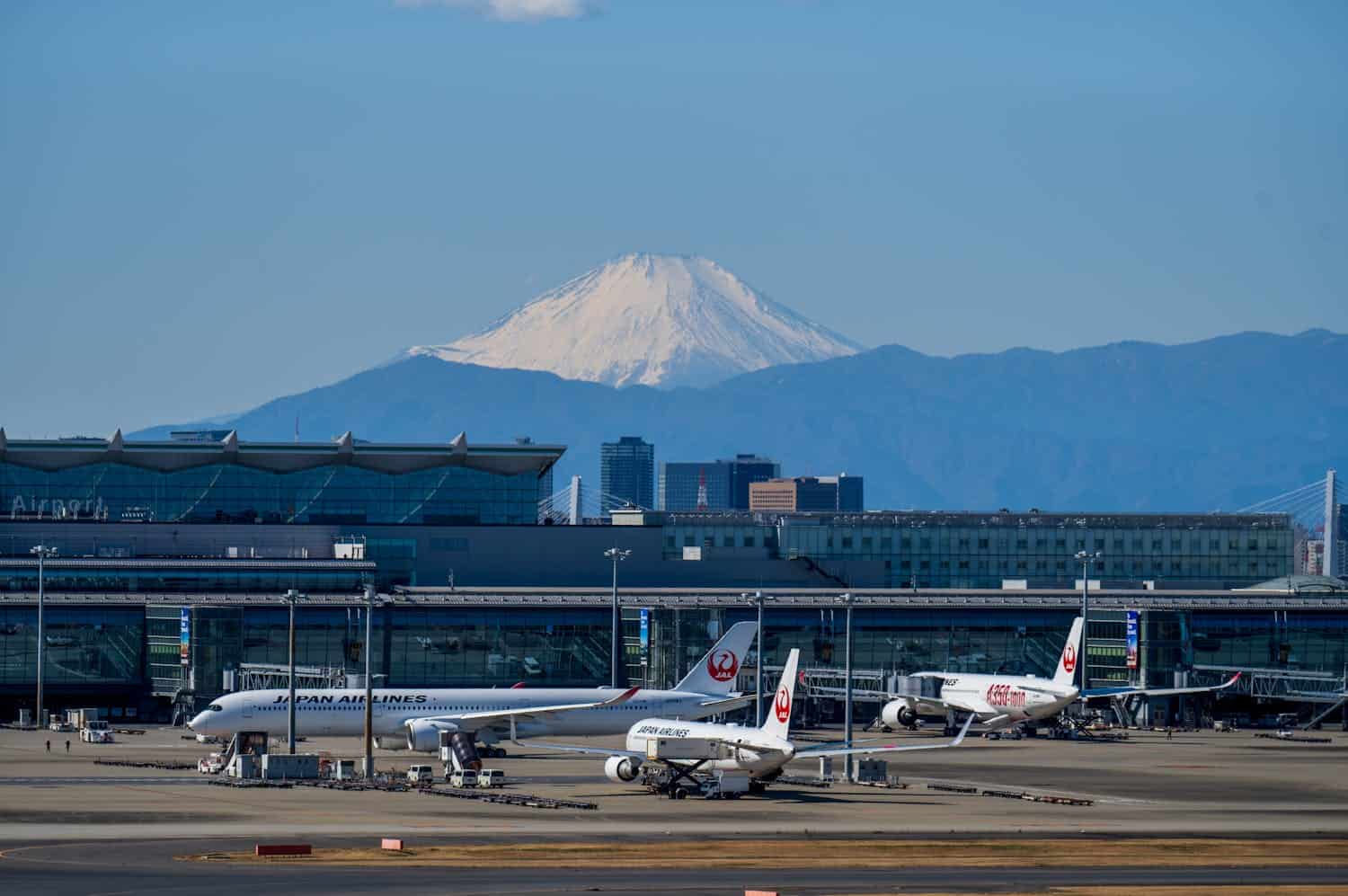
The evolution of Japanese border controls is driven by a commitment to seamless movement, especially as regional hubs outside Tokyo and Osaka gain popularity among independent explorers.
Regardless of your entry point, understanding Japan's digital entry requirements is essential. Proper preparation minimizes time in queues and maximizes your experience in Japan.
The Shift To Paperless Arrivals
As you begin mapping your itinerary, the first step is to ensure you have the correct Japan Travel Documents ready for the 2026 digital checkpoints. The current system now integrates quarantine, immigration, and customs declarations.
Scanning a unique QR code at automated kiosks significantly reduces physical contact and processing time. Travelers are encouraged to complete these registrations at least 48 hours before departure to allow validation by the Ministry of Justice and the Ministry of Finance.
Digital-first protocols benefit digital nomads, business travelers, and tourists alike. Independent travel is about exploring with confidence and curiosity.
The paperless entry system supports this approach, offering a more efficient arrival experience that values both your time and the environment.
Understanding JESTA and Visa Waivers
In addition to digital forms, check the Visa Waiver Program status for your nationality. As of early 2026, Japan requires JESTA (Japan Electronic System for Travel Authorization) for many previously visa-exempt countries.
JESTA, similar to the American ESTA, requires a small fee and a brief online background check. According to official data from the Ministry of Foreign Affairs of Japan, this measure was implemented to streamline security while maintaining the country's status as one of the safest destinations globally for solo travelers.
Financial Logistics for the Modern Backpacker
Financial readiness serves as another pillar of the 2026 entry protocol. While Japan remains a cash-heavy society in rural areas, the Bank of Japan has reported a 45% increase in contactless payment adoption since 2023. At the border, immigration officers may occasionally ask for proof of "sufficient funds" for your stay.
Backpackers should be prepared to show a digital bank statement or a valid credit card. The average daily budget for a mid-range backpacker is 12,000 to 15,000 Yen (about $78 to $98), covering accommodation, transport, and food.
Infrastructure for foreign credit cards has improved. Most 7-Eleven "Seven Bank" ATMs now support biometric authentication for enhanced security.
Carry at least two types of travel cards, such as Visa and Mastercard, to avoid running out of Yen in remote areas.
Health and Wellness Protocols
Health procedures are now a permanent, non-intrusive part of the entry process. Although earlier mandates have ended, Japan continues to maintain a sophisticated biosurveillance network.
Travelers arriving from specific regions may still encounter thermal scanners at major airports like Narita (NRT) and Kansai International (KIX).
Always check the latest updates from the World Health Organization regarding any seasonal health alerts that may affect international transit through East Asian transportation hubs.
Essential Safety and Insurance
Finally, do not overlook the value of comprehensive travel insurance. While not strictly required for all visitors, Japanese authorities strongly recommend that visitors have insurance policies that cover medical repatriation.
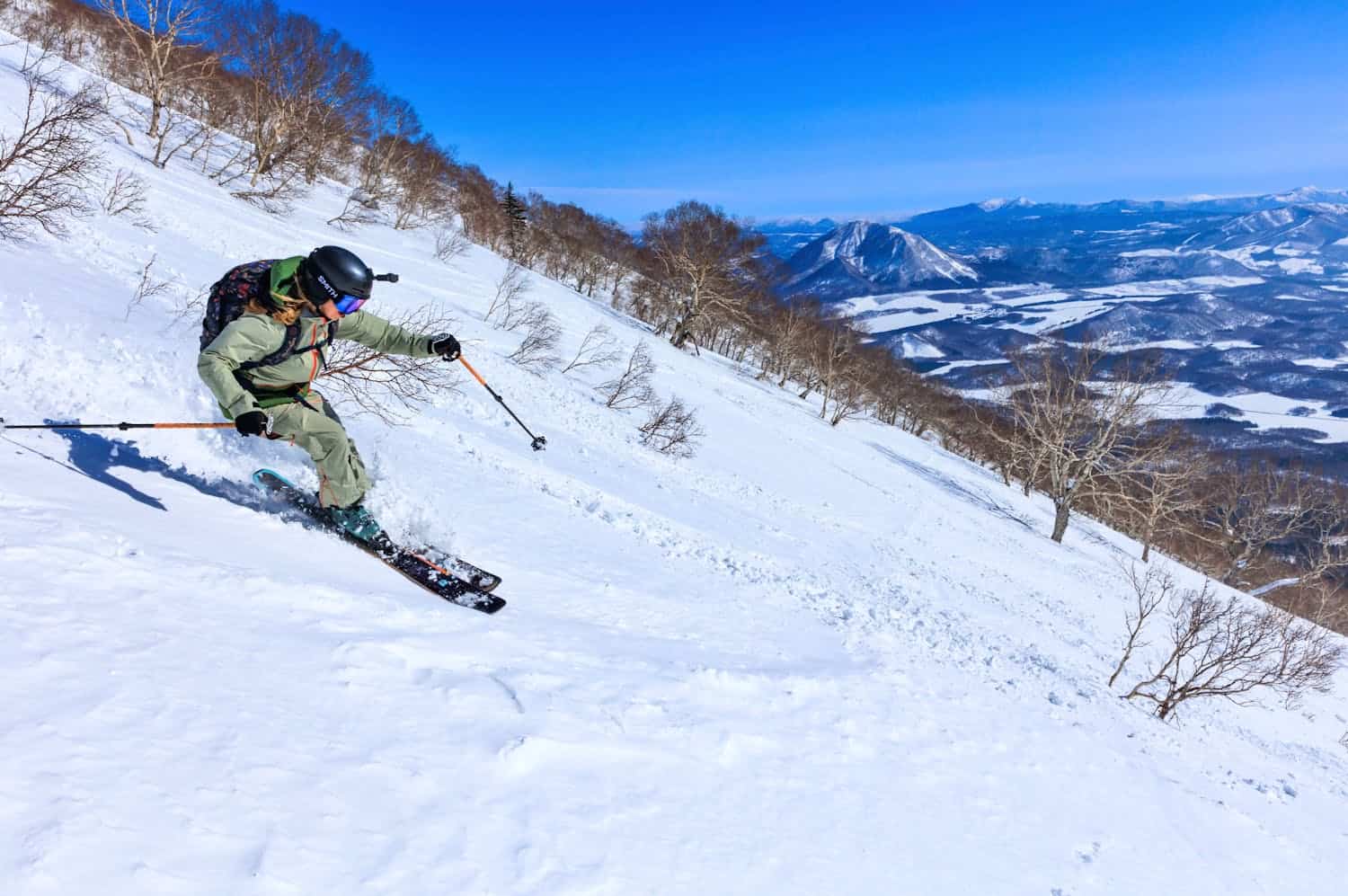
The cost of healthcare in Japan is exceptionally high for non-residents. Without insurance, a simple hiking accident in the Japanese Alps or a skiing mishap in Hokkaido could become a massive financial burden.
Moreover, the 2026 tourism sector places a high value on "Slow Travel." By securing your documentation and insurance early, you free up mental space to enjoy the archipelago's cultural features.
Whether attending a tea ceremony in Kyoto or exploring Osaka, legal and financial preparedness is key to a successful trip. The Japanese government aims to make travelers feel like "temporary residents," encouraging deeper connections with local communities.
Japan's 2026 entry process is highly efficient. By digitizing customs declarations, securing travel authorization in advance, and preparing documents, you can move through arrivals quickly.
Once the "Permit to Stay" sticker is affixed to your passport, the wonders of the nation, from the sub-tropical beaches of Okinawa to the snow-capped peaks of Hokkaido, are yours to discover with peace of mind.
_____
This story is published in partnership with Japan CD Travel.