Japan assumes you already have a phone number, not just data. You realize this three hours after landing when the ryokan booking site asks for a local contact, the ticket app wants SMS verification, and the luggage forwarding service sending your suitcase to Kyoto needs a confirmation address.
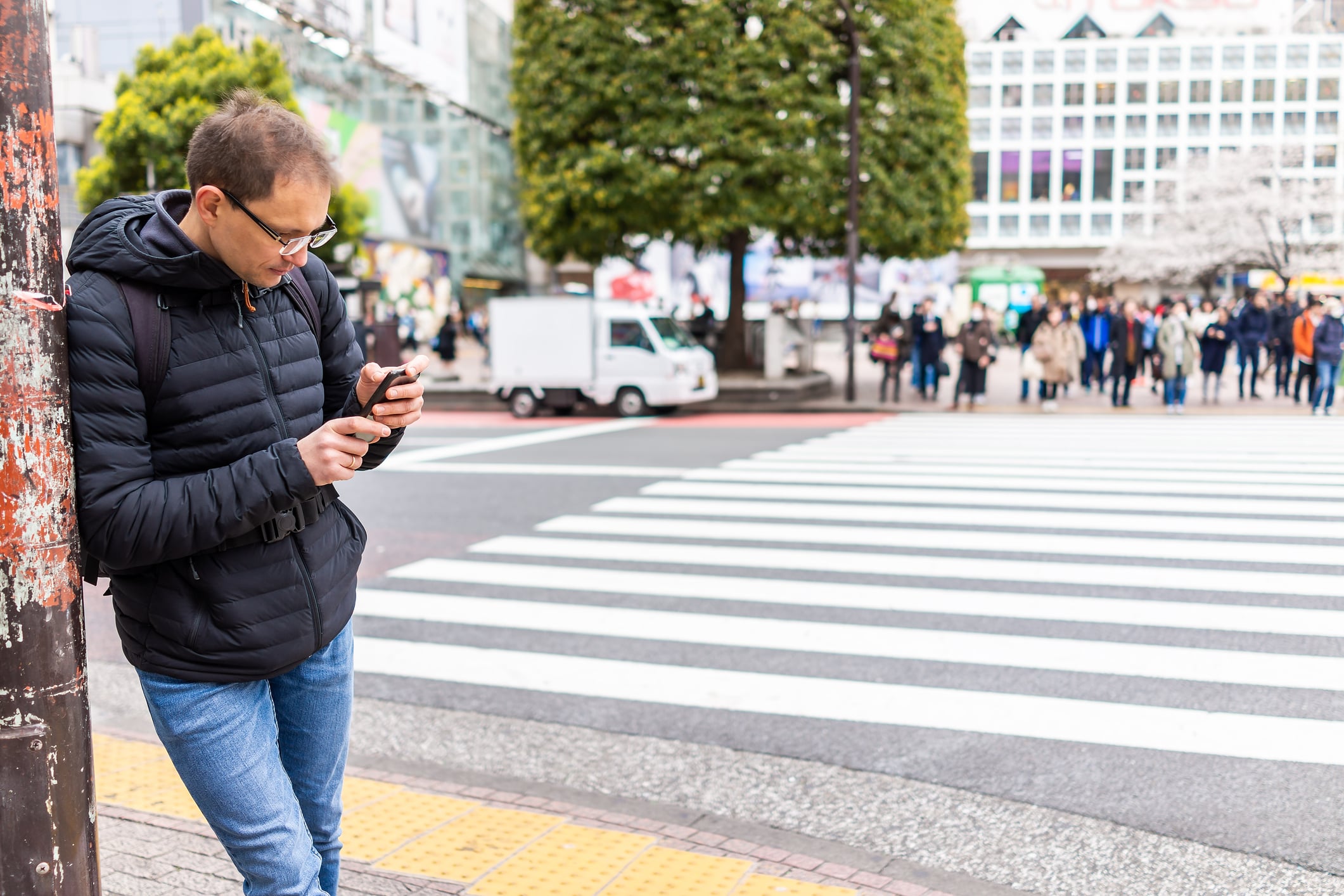
I've arrived in Japan with an airport data SIM, a pocket Wi-Fi, roaming from a Southeast Asian carrier, and once with nothing at all. The gaps in these setups only show when you stop being a five-day tourist.
Data Alone Covers Less Than You Think
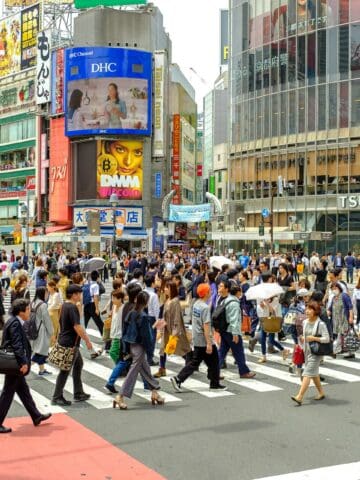
For a short vacation, a data-only SIM or eSIM does the job. Maps, translation, train times, LINE messages to whoever you're meeting in Shibuya. None of that needs a phone number.
Stay past a couple of weeks and the list changes. Small restaurants take reservations by phone, and many reject foreign numbers.
Konbini payment services, some IC top-up apps, and most Japanese e-commerce sites verify by SMS to a domestic number. Renting an apartment, hiring a car, or joining a gym for a month often requires a phone number field that doesn't accept +44.
A tourist data SIM gets you online. A Japan SIM card with a Japanese phone number can make reservations, registrations, and other everyday tasks easier.
Look Beyond Coverage When Comparing Plans
Most travel SIM providers use one of Japan's major mobile networks, such as NTT Docomo, SoftBank, or KDDI's au network. Coverage is generally reliable in cities and popular destinations, but it can vary in remote areas and depends on your phone's compatibility.
Compare plans on billing, contract length, whether you get a number, and whether anyone answers you in English when something breaks.
Buying at the Airport Is Convenient but Limiting
You can buy a SIM after you land. The counters at Narita, Haneda, and Kansai are easy to find, and the staff deal with confused arrivals all day.
That convenience may come with a higher price, limited selection, and time spent queueing after a twelve-hour flight when you least want to make a purchasing decision.
Order ahead to compare plans at home with a proper keyboard, then have a physical SIM posted to your first hotel or waiting at the airport post office. If your phone supports eSIM, install it before departure and complete activation steps in advance.
Check if your handset is carrier-locked before ordering. A locked phone from a US or UK operator accepts the SIM but refuses to connect, leaving you troubleshooting on an airport floor with 4% battery.
Pocket Wi-Fi Still Works for Two People
I had stopped recommending pocket Wi-Fi, then traveled with someone who had a work laptop and streamed on trains.
Depending on the plans you compare, one router may cost less than buying two SIMs, and the battery lasts a day if you use it lightly.
The catch is you carry a second device that needs charging, and you can't split up. If one goes to Nikko and the other stays in Tokyo, one spends the day offline.
Long Stays Need a Different Product
Many tourist SIM plans last only a few weeks or months. On a working holiday visa, during a semester abroad, or on an open-ended stay that turns into a year, you may need a longer-term plan.
Look for a plan aimed at residents that doesn't require a Japanese bank account. That second part is the trap. Domestic carriers sign you up, then ask for an account you can't open because the bank wants a residence card, an address, and sometimes a phone number. Every step depends on the next.
A few providers sell to foreigners to break that loop, billing an overseas credit card or letting you pay at a konbini. Find one before you fly.
Small Things That Save You a Bad Day
Download offline maps before you go. You might spend forty minutes without a working SIM while sorting out activation.
Screenshot your accommodation address in Japanese so that a taxi driver can read it while your translation app installs.
Put your IC card in your phone wallet if it supports one. Suica and Pasmo work on compatible iPhones and Japanese Android phones, and topping up from your phone lets you skip the queues at machines at Shinjuku and Tokyo Station.
For more advice on transportation, accommodation, and everyday expenses, see Go Backpacking's guide to backpacking Japan on a budget.
Carry cash. Cities are mostly cashless, but the soba place by the trailhead, the shrine selling goshuin, and the mountain bus still want coins.
Make this decision a week before you fly, at your kitchen table. You'll pay less and get more than in an arrivals hall at 4 pm on no sleep.
This article was published in partnership with Mobal.