Seven official routes lead up Kilimanjaro, and most people narrow their choice to two or three within an hour of reading about them. Machame is the popular one, Lemosho the scenic one, Marangu the one where you sleep in huts instead of tents. Those labels are accurate but don't affect whether you reach the summit.
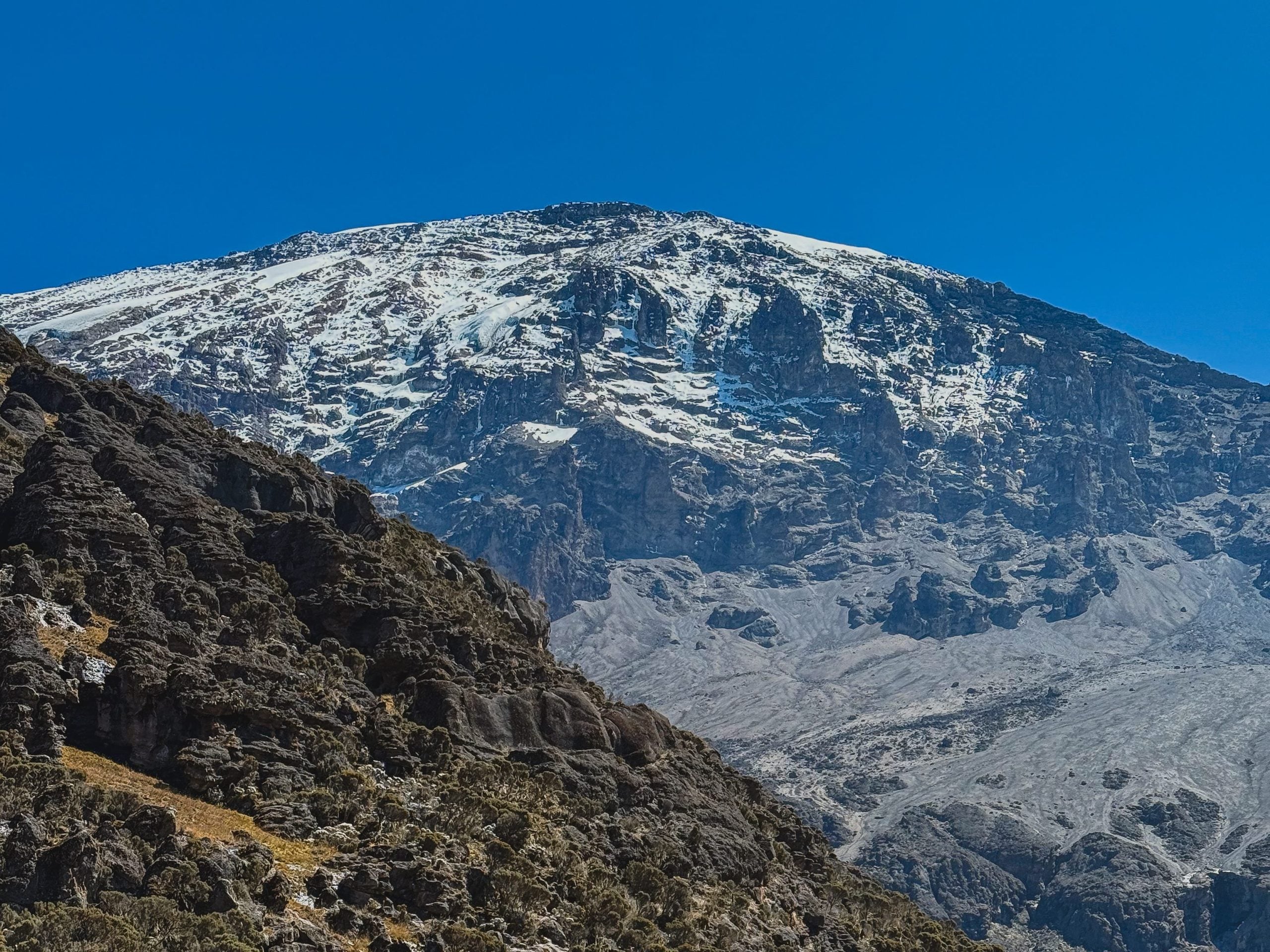
Kilimanjaro is 5,895 m (19,341 ft) high. Its standard trekking routes do not require technical climbing equipment (ropes, an ice axe), but the extreme altitude makes acclimatization essential.
The number of days on the mountain matters. Five-day itineraries leave less time for acclimatization, while some operators report summit success rates around 95% on eight-day climbs. These are operator-reported figures, not mountain-wide averages. The takeaway is simple: allow your body more time to adapt before summit night.
How the Routes Actually Work
Seven official ascent routes exist, but they don't stay separate all the way up. Every climb has three phases, and the route you choose changes each of them differently.
The approach (the first four to six days) is where the routes differ. Lemosho starts in quiet rainforest on the western flank. Rongai comes from the dry northern side near the Kenyan border. Machame and Marangu climb from the busy south.
For four to six days, you circle toward Kibo, the main volcanic cone, gaining altitude through rainforest, moorland, and alpine desert. This is where you acclimatize, so the number of days here matters most.
Summit night. The approaches converge toward Kibo, with most standard itineraries using one of two main summit routes. If you came via Machame, Lemosho, Shira, or Umbwe, you leave Barafu Camp around midnight, climb to Stella Point, then walk the crater rim to Uhuru Peak.
Marangu and Rongai climbers leave Kibo Hut, and their route to Gilman's Point takes longer because much of it runs over loose volcanic scree. Either way, you gain about 1,200 meters in the dark.
The Western Breach is another summit route, but rockfall and unstable ice make it risky. For that reason, careful operators avoid it.
The descent. The park separates uphill and downhill traffic. Routes that summit from Barafu come down the Mweka corridor, a trail used only for going down. Marangu and Rongai climbers walk back down the Marangu trail, sharing it with groups heading up.
The Routes, Side by Side
| Route | Days | Start from | Sleeping | Traffic | Pick it if |
| Machame ("Whiskey") | 7 (or 6) | South | Tents | High | You want the classic climb-high-sleep-low profile and the Barranco Wall, and crowds don't bother you. |
| Lemosho | 8 (or 7) | West | Tents | Low early, medium later | It's your first high-altitude climb, and you can spare the extra day. |
| Marangu ("Coca-Cola") | 6 (or 5) | Southeast | Wooden huts | High | Sleeping in a tent is not an option for you. |
| Rongai | 6 | North | Tents | Low | You want quiet, or you're climbing during the short rains. |
| Northern Circuit | 8–9 | West, then north | Tents | Very low | You prioritize extra acclimatization time and a quieter approach. |
| Umbwe | 6 | South | Tents | Very low | You're already acclimatized and want a steep, direct route. |
| Londorossi (Shira) | 6–8 | West, by vehicle to the plateau | Tents | Very low | You want open views from day one and understand the altitude trade-off. |
Route by Route
Machame: the "Whiskey Route" (7 days)
Machame is the most popular route on the mountain, and the nickname compares it to Marangu, the "Coca-Cola Route." The key differences are that Machame is tougher and steeper, and you sleep in tents.
In seven days, you pass through every climate zone Kilimanjaro has, from wet rainforest at 1,800 meters to the frozen crater rim.
The third day takes you up to Lava Tower at 4,600 meters and then down to Barranco Camp at 3,900 meters to sleep. That is the "climb high, sleep low" principle built into the route, which is why Machame acclimatizes people so well despite its pace.
The next morning you scramble the Barranco Wall, a near-vertical face that needs hands for balance but no rope.
The downside is traffic. Machame and Marangu take the lion's share of expeditions, and you will share camps with hundreds of other climbers. The Barranco Wall gives the climb real mountaineering character, and the scenery earns the route its reputation.
Still, anyone choosing Machame has to be willing to move in a stream of other groups and share the intermediate camps.
The other decision on Machame is between six and seven days. The difference is a single night at Karanga Camp after the Barranco Wall.
Drop it, and you go straight from the wall to Barafu and into summit night on the same push, when accumulated fatigue shows up. For example, ALPO runs the Machame Route on the seven-day schedule and keeps that Karanga night for this reason; the company reports 95-97% of its climbers reaching the summit on that version. Its guidance on the six-day option is that the success rate is lower.
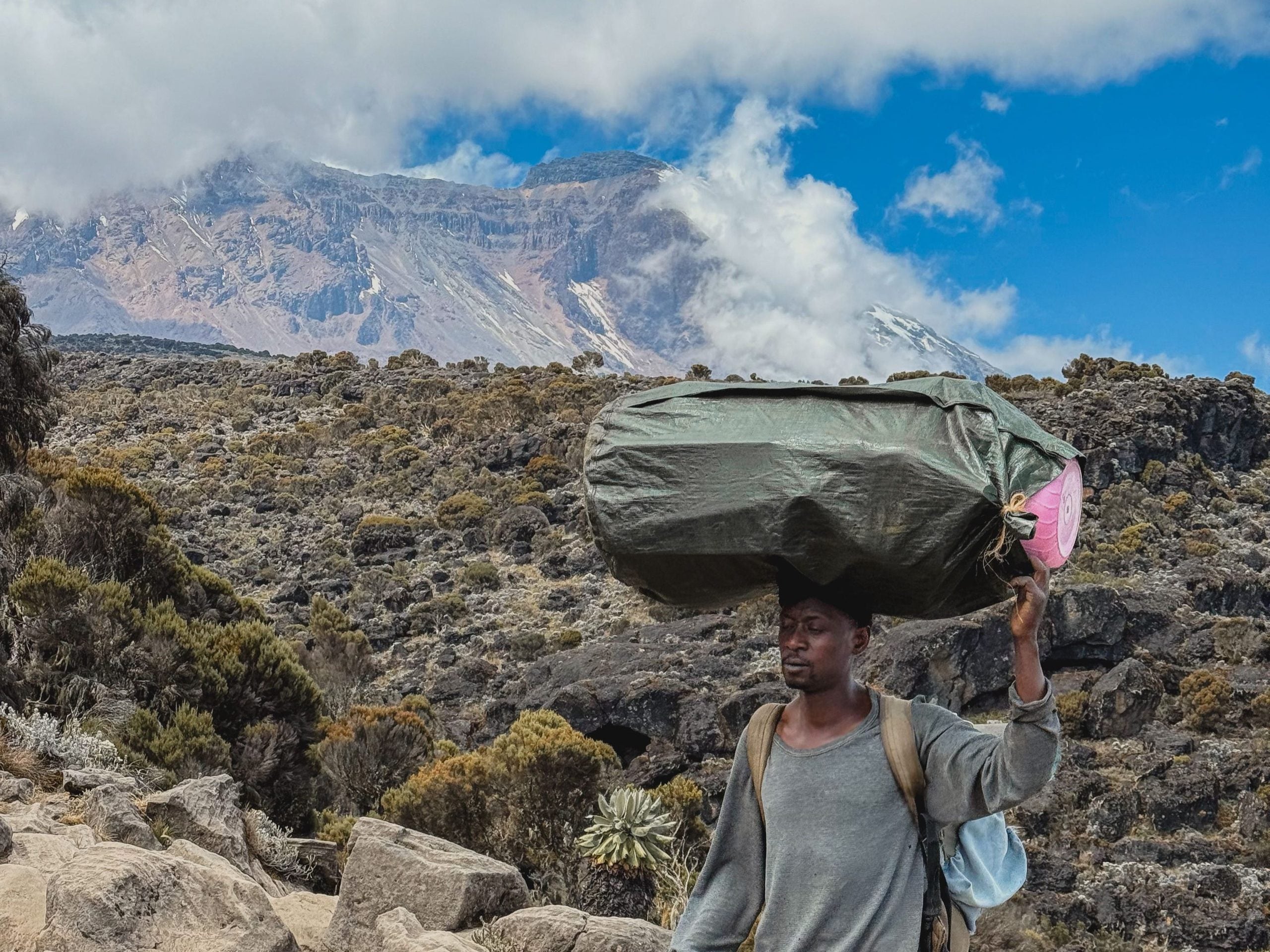
Lemosho (8 days)
Lemosho starts on the remote western flank at Londorossi Gate, about three hours' drive from Moshi.
The first two days run through rainforest that the southern routes never touch, and you may not see another group. This is where you are most likely to see colobus monkeys.
The route then crosses the Shira Plateau from west to east, one of the highest plateaus on Earth, and on the eight-day version you spend two nights up there, at Shira 1 (3,500 m) and Shira 2 (3,840 m). That slow gain is the whole point.
From the plateau, Lemosho joins the Machame trail, so the Lava Tower day, the Barranco Wall, and the summit night are the same.
The main decision on Lemosho is whether to do seven or eight days. Dropping to seven means crossing Shira in one long stage and losing a night of adaptation, which helps most.
Lemosho also costs more than Machame, partly because of the long drive to a remote trailhead and partly because the extra day adds food and crew wages.
For someone whose first real altitude climb is this one, the eight-day Lemosho remains the most balanced option; the gain comes slowly enough that your body has time to catch up.
Marangu: the "Coca-Cola Route" (6 days)
Marangu is the only route where you sleep in permanent wooden huts instead of tents. The huts are dorm-style, with anywhere from 4 to 20 people per room and shared bathrooms. It is also the historic original route and the one with the gentlest approach gradient, which is how it got its reputation as the easy one.
That reputation can be misleading: a gentler trail does not remove altitude challenges. If you prefer hut accommodation, compare daily sleeping altitudes and acclimatization opportunities carefully, and favor the six-day itinerary over the five-day version.
Summit night climbs from Kibo Hut toward Gilman's Point, and the route uses the same trail for ascent and descent, so you meet descending groups on your way up.
The sensible rule is to choose Marangu in exactly one case, when a tent is physically or psychologically not an option for you, and then to take six days, never five.
Rongai (6 days)
Rongai approaches from the north, close to the Kenyan border, after a long drive to the trailhead. The northern flank is drier, making Rongai the sensible pick if climbing during the short rains in November. It is also the quietest standard route, with a real chance of larger wildlife on the lower section.
The early terrain is less dramatic than on the western routes, and summit night from Kibo Hut is long and monotonous. It is probably the most undervalued route on the mountain: introverted, wild, and worth the trade for silence.
Editor's note: For a firsthand perspective, read this account of climbing Kilimanjaro via the Rongai Route, from life at camp to the midnight summit push.
Northern Circuit (8-9 days)
The Northern Circuit is one of the longest itinerary options, giving you more time to acclimatize. As a result, it has one of the higher summit rates.
It starts on the western side, like Lemosho, then swings around the northern face of Kibo on a nearly empty traverse before rejoining the main trails for the summit push. The extra days provide more time to adapt, although individual responses to altitude vary.
It is generally among the more expensive options because you are paying for a longer expedition, and it requires solid multi-day trekking endurance. If reliably reaching Uhuru Peak is the goal and time is not the constraint, this is the route.
Umbwe and Londorossi (Shira)
Umbwe is the steepest line on the mountain and the most direct, climbing a narrow forest ridge that almost no one else uses.
Its rapid ascent leaves little time to acclimatize, making it a better option for trekkers who are already acclimatized. Previous altitude experience alone is not a substitute.
Londorossi, sometimes called the Shira Route, approaches from the west but begins with a vehicle transfer straight onto the Shira Plateau at 3,400 meters. The views open from day one. You give up the gradual gain that every other route builds in, which is worth considering before you book.
What To Weigh Before You Book
Days on the mountain. When comparing itineraries, prioritize acclimatization time. Look beyond total trip length to daily sleeping altitudes and acclimatization opportunities. Extra time helps, but fitness and previous altitude experience do not guarantee protection from altitude illness. Follow your guide's safety advice and be prepared to turn around.
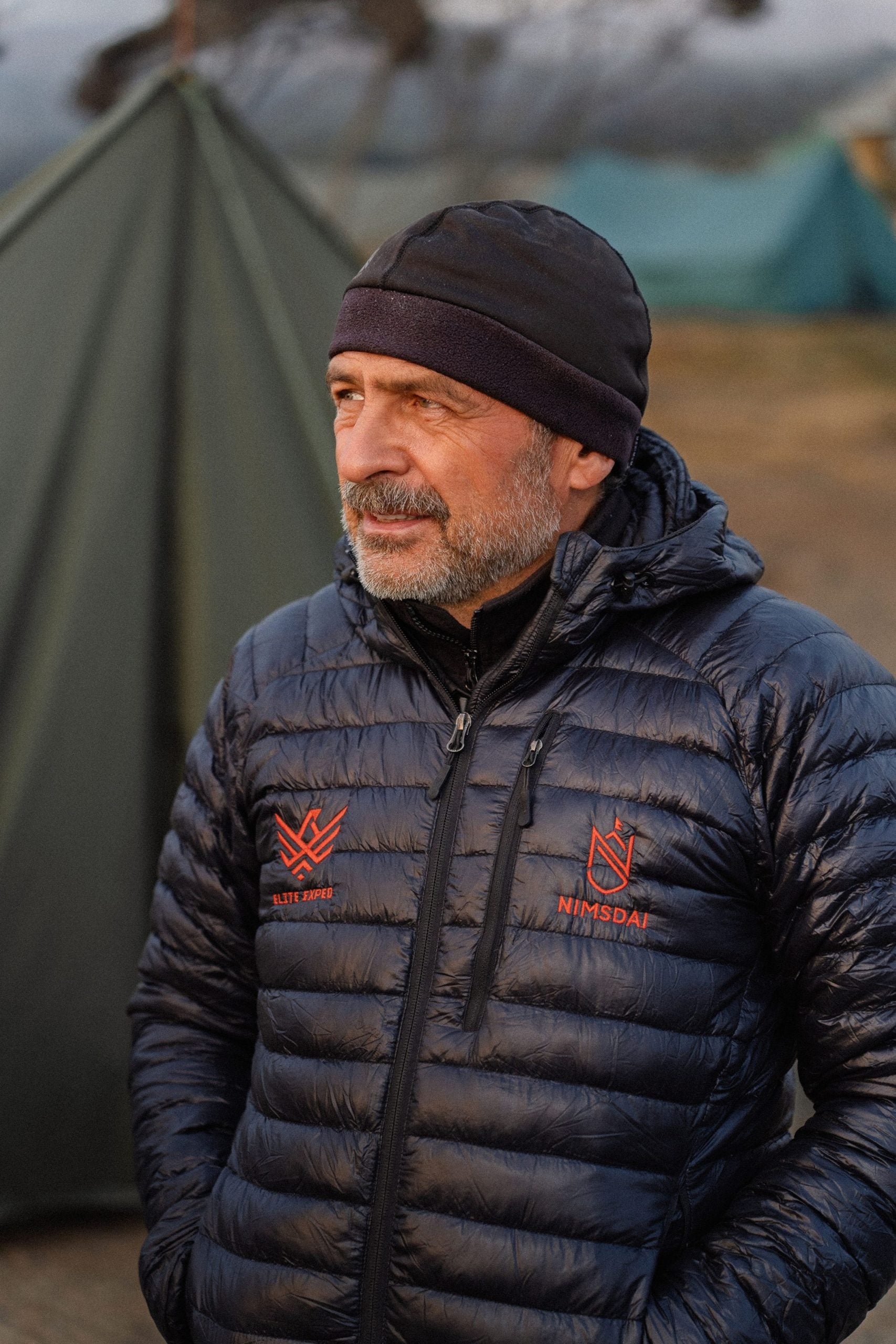
That is not a guidebook opinion. Yevgen Staroselskiy, co-founder of ALPO Guided Expeditions, is a Master of Sport in Mountaineering and holder of the "Snow Leopard" title (#376), with more than 130 major climbs behind him, including Everest (8,848 m, 29,029 ft) and K2 (8,611 m, 28,251 ft), and 25+ groups guided to the top of Kilimanjaro.
His view of the time question is blunt:
I've climbed Everest and K2, and I can tell you that no route on Kilimanjaro needs that kind of preparation. What it does need is that you take the altitude seriously. Give your body the days, walk slowly, and almost any physically active person will reach Uhuru Peak. Where I see people fail is when they try to save a day.
- Yevgen Staroselskiy, Master of Sport in Mountaineering, co-founder of ALPO Guided Expeditions
Everything else on this list is secondary to that number.
Tent or hut. A binary question, and it settles Marangu yes-or-no before anything else.
Crowds. Machame and Marangu are busy. Rongai and the Northern Circuit are not. Lemosho is quiet for two days and then joins the Machame stream.
Summit night profile. From Barafu, the climb to Stella Point is steeper, but you are mostly on firm ground. From Kibo Hut, you spend more hours on scree before you reach Gilman's Point.
Season. Compare expected rainfall and trail conditions for your travel dates with your operator. Wetter periods mean muddy trails and reduced visibility; the northern approach is generally drier. Conditions vary, so avoid treating any seasonal window as a guarantee of dry weather.
The dry windows are June to early October and mid-December to early April. During the short rains in November, the northern side stays drier, which is a point in Rongai's favor. In April and May, the trails wash out, and clouds hide the views, so no route is worth doing then.
A Quick Decision Guide
- First high-altitude climb and you can spare eight days: Lemosho.
- Seven days, and sharing camp with other groups does not bother you: Machame, on the seven-day schedule rather than six.
- You will not sleep in a tent: Marangu, six days, no shorter.
- Climbing in November, or you want the mountain mostly to yourself: Rongai.
- More time for acclimatization and a quieter approach: Northern Circuit.
Whichever route you choose, prioritize an itinerary that allows time to acclimatize rather than booking the shortest option.
This article was published in partnership with ALPO Guided Expeditions.