Raising kids in the mountains is less about chasing thrills and more about building a lifestyle rooted in curiosity, confidence, and connection to nature.
Mountain towns across the United States offer something increasingly rare: space for kids to roam, explore, and learn through real-world experiences rather than screens alone. The rhythm of life is defined by seasons, weather, and the outdoors, which naturally encourages toughness and adaptability in children.
In these environments, adventure becomes part of everyday life, whether it's walking forest trails after school, learning balance and coordination through winter sports, or discovering independence at an early age.
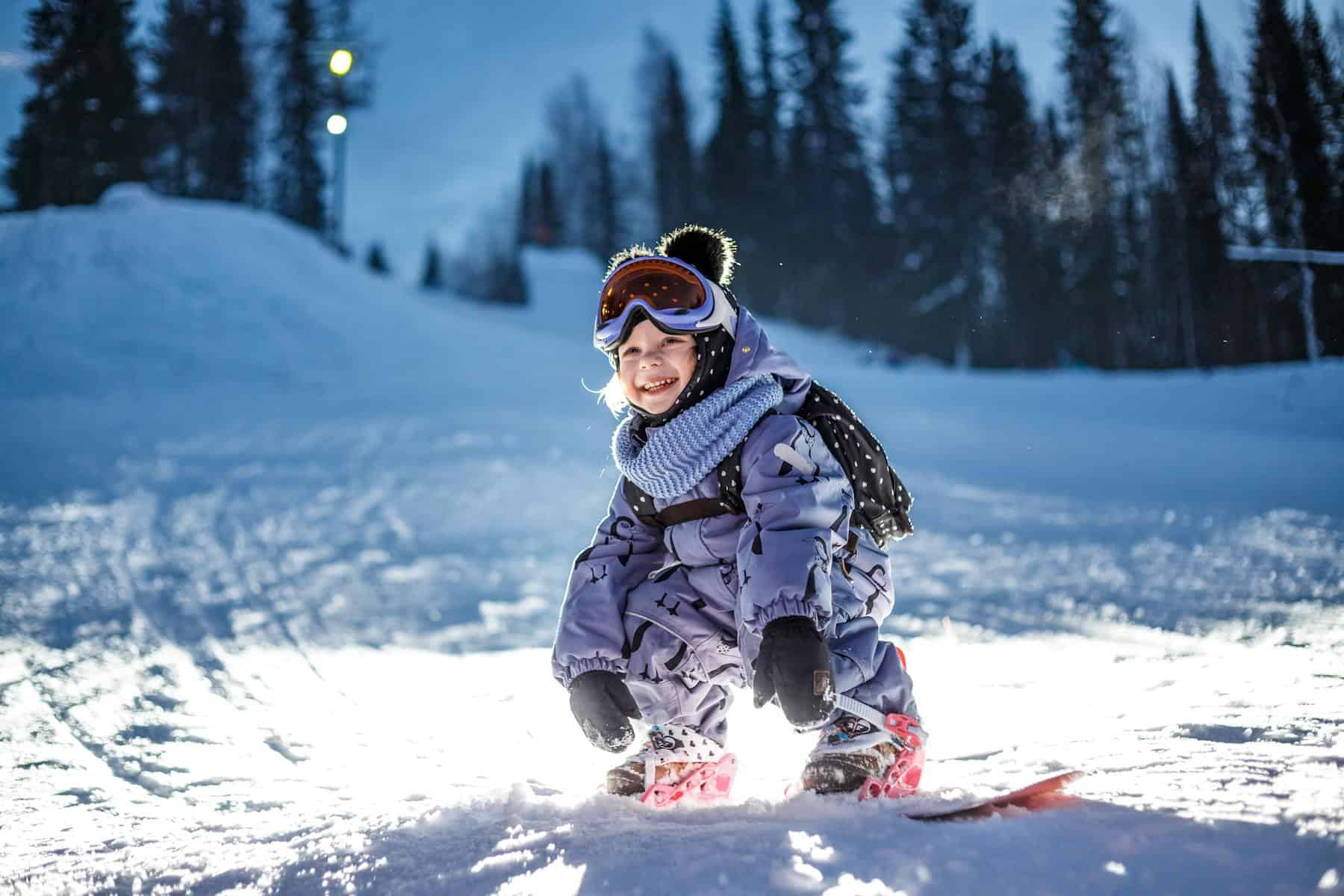
Simple experiences, like choosing the right snowboards for kids or planning a family hike, become opportunities to learn responsibility, patience, and teamwork without pressure or performance.
Why Mountain Living Is Perfect for Adventurous Families
Mountain living creates an environment where adventure feels natural rather than forced. Kids grow up seeing exploration as part of daily life, not something reserved for vacations or special occasions.
More Than Just a Pretty View
Mountain environments deliver constant visual and sensory stimulation, encouraging curiosity. Changing seasons, wildlife sightings, and natural wilderness offer kids countless chances to ask questions and learn through observation.
This kind of environment supports imagination and analytical skills in ways that structured indoor places commonly cannot.
Everyday Adventures That Build Confidence
Children in mountain towns often develop confidence by navigating trails, snow, and uneven terrain from a young age.
These everyday challenges teach them how to assess risk, trust their abilities, and keep trying when something feels difficult. Over time, small outdoor wins add up to strong self-belief.
What Makes a Mountain Town Kid-Friendly
Not all mountain towns are equally suited for families, and adventure alone is not enough. The best places combine outdoor access with strong community support and practical resources.
Safe Communities and Strong Schools
Kid-friendly mountain towns tend to have close-knit communities where neighbors know each other and look out for local children.
Schools are often smaller, which allows for more personal attention and greater family involvement. Many also integrate outdoor learning into the curriculum, helping kids connect classroom lessons with real life.
Year-Round Outdoor Activities
A truly family-friendly mountain area offers activities year-round, not just in winter. Summers may include hiking, biking, fishing, and camping, while fall and spring bring exploration, wildlife spotting, and trail walking. This variety keeps kids active all year and prevents boredom during the off-season.
Access to Healthcare and Family Resources
Even in remote areas, access to healthcare and basic services matters. The best mountain towns balance a sense of seclusion with reasonable access to hospitals, pediatric care, and community programs. This mix allows families to enjoy adventure without sacrificing peace of mind.
U.S. Mountains for Raising Adventurous Kids
Across the country, several mountain regions stand out for families who value outdoor learning and a grounded lifestyle. Each offers a slightly different balance of culture, climate, and community.
Rocky Mountains (Colorado)
The Rocky Mountains are known for family-friendly towns and outdoor opportunities. Many communities emphasize youth programs, outdoor education, and active lifestyles that include hiking, skiing, and biking.
Kids often grow up with easy access to nature while still benefiting from strong schools and health services.
Sierra Nevada Mountains (California)
The Sierra Nevada region fuses adventure with access to larger cities, making it appealing to families looking for balance.
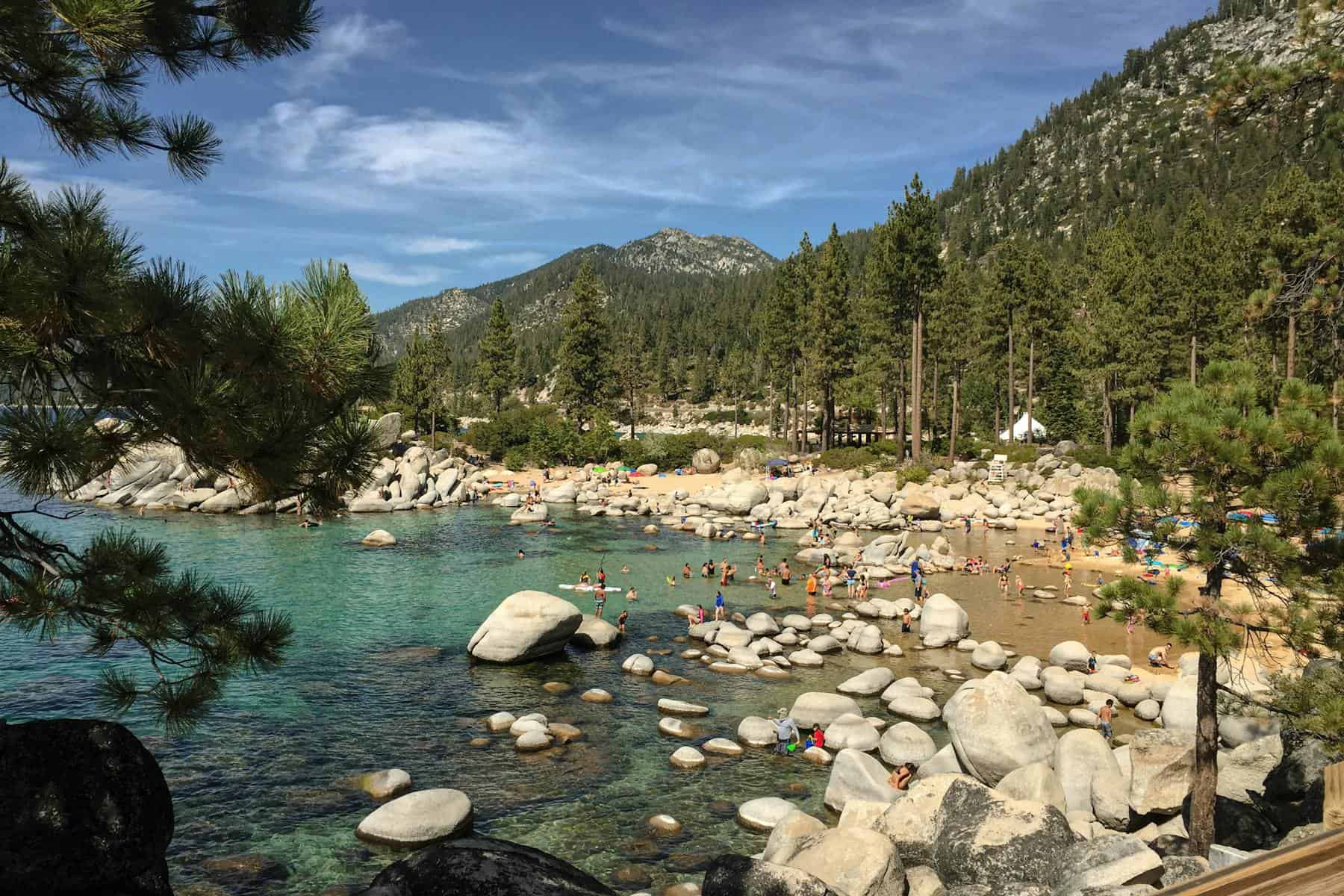
Areas near Lake Tahoe offer year-round activities, from summer water sports to winter snow-based activities. The culture here commonly values environmental awareness, which helps kids develop an early respect for nature.
Blue Ridge Mountains (North Carolina and Virginia)
The Blue Ridge Mountains are known for their gentler terrain, affordability, and strong sense of community.
Families here enjoy hiking, camping, and scenic exploration without the extreme weather found in higher elevations. The slower pace of life allows kids to grow up grounded and connected to their surroundings.
Wasatch Range (Utah)
The Wasatch Range offers easy access to outdoor adventure alongside family-oriented neighborhoods. Many towns prioritize parks, trail systems, and youth recreation, making it easy for kids to stay active.
The combination of scenic charm and structured community support appeals to families desiring consistency and adventure.
Appalachian Mountains (Vermont and New Hampshire)
The Appalachian region is ideal for families who value tradition, outdoor skills, and close neighborhood connections. Children often grow up learning to hike, navigate, and live seasonally as part of daily life.
The quieter environment encourages kids' independence while still making them feel safe and supported.
Raising Adventurous Kids Without the Pressure
Adventure does not have to mean competition or constant achievement. In mountain towns, kids often learn to explore simply because it feels good, not because they are being pushed.
Letting Kids Explore at Their Own Pace
Mountain living naturally supports unstructured play, where kids decide how far to go and when to stop. This freedom helps them listen to their bodies and build confidence without comparison.
Over time, children learn that progress comes from patience and curiosity rather than pressure.
Teaching Respect for Nature
Living close to nature teaches kids that the environment deserves care and attention. Simple habits, like staying on trails or respecting wildlife, become second nature. These lessons often grow into lifelong values centered on responsibility and awareness.
What Families Learn From Mountain Life
Aside from physical activity, mountain living shapes how children think and interact with the world. The lessons often go well beyond the outdoors.
Problem-Solving Through Real Experiences
Navigating trails, weather changes, and seasonal challenges teaches kids how to adapt. They learn to plan, adjust expectations, and think creatively when things do not go as planned. These skills transfer naturally into school and social settings.
Building Resilience and Patience
Mountain life often requires waiting-for the weather to clear, for trails to open, or for seasons to change. Kids learn that not everything happens instantly, which builds patience. Over time, this rhythm builds emotional stamina and a healthy approach to managing hardships.
Choosing the Right Mountain Life for Your Family
Every family is different, and mountain living doesn't suit everyone. Taking time to reflect helps ensure the move supports both parents and children.
Questions Worth Asking Before the Move
Families should consider the cost of living, job flexibility, and access to services before committing. Climate preferences and distance from extended family are also important. Thinking through these factors helps avoid stress later on.
Adventure Looks Different for Every Child
Some kids thrive on steep trails and snow-filled winters, while others prefer quiet exploration and gentle hikes. Mountain living allows space for both, without forcing a specific version of adventure. The goal is not to raise extreme athletes, but confident, curious humans.
Where Small Adventures Shape Big Futures
Raising kids in the mountains is ultimately about creating room for growth-physical, emotional, and mental. The landscape invites children to test limits, make mistakes, and discover what they are capable of in a natural, supportive way.
Over time, these small, everyday adventures shape a sense of independence and confidence that lasts long after childhood.
_____
This story is published in partnership with Tactics.