
You did it! You survived years of visa runs, figured out airport logistics in three languages, and mastered the art of living out of a 40-litre backpack. You became an expert in minimalism, flexibility, budgeting and resourcefulness.
But now, after countless boarding passes and temporary addresses, you've decided to slow down, maybe not forever, but long enough to hang your clothes in a real closet.
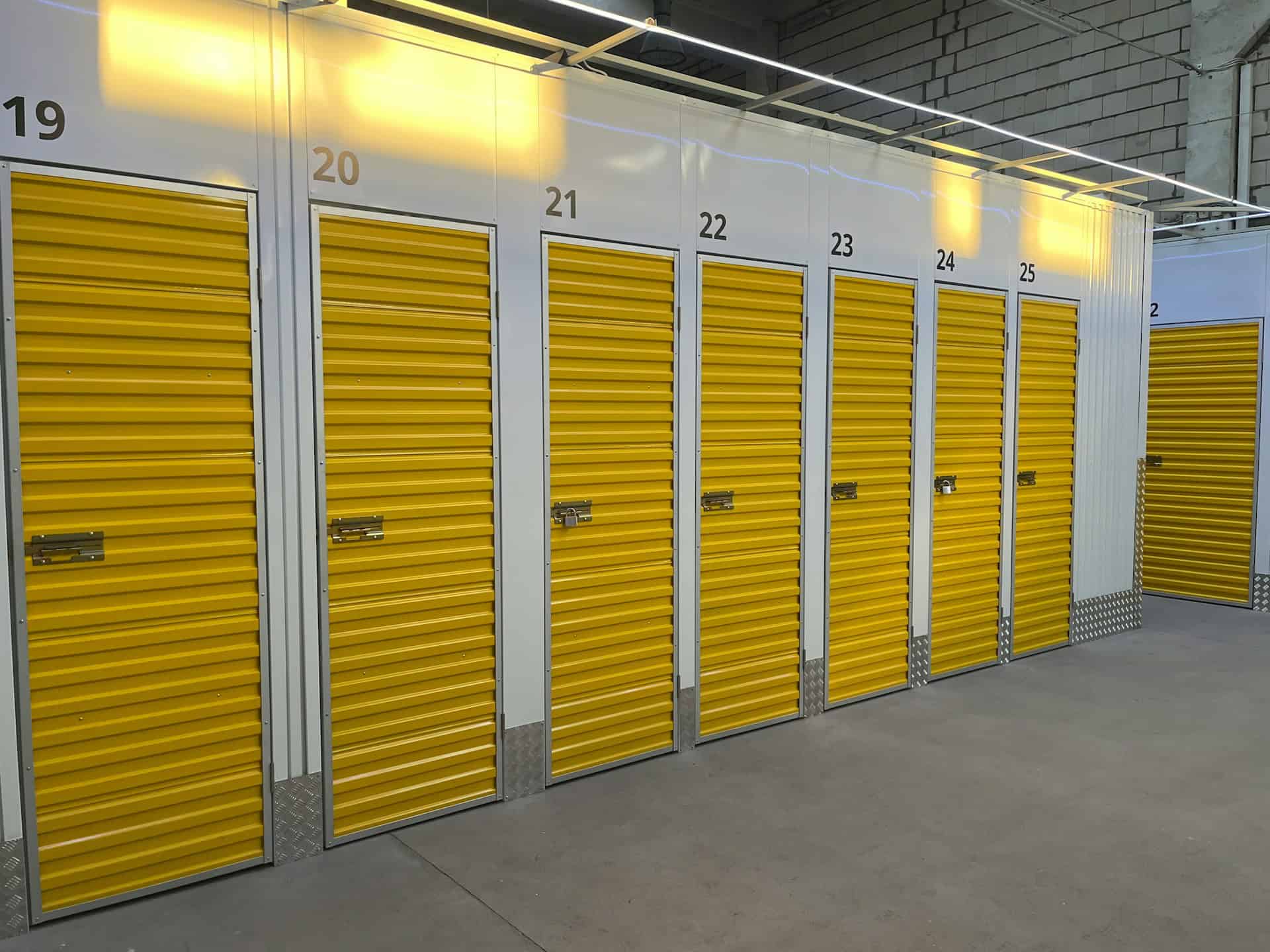
You know the moment well, you've signed a lease, you're comparing coffee makers, and suddenly, you remember The Anchor, that life you packed away years ago in a storage unit or shipping container somewhere.
When you first decided to store your belongings, it made sense. The cost of keeping furniture, art, or sentimental items felt justified compared to replacing everything later.
For many long-term travelers, that balance point hits around the four-year mark, when storage costs start to catch up to replacement value. But now, as you transition from constant motion to stability, you face one last logistical challenge: retrieving your stored life and rebuilding a home base.
What's Waiting in Storage
After years of travelling light, it's easy to underestimate what's been sitting in that storage unit.
The moment you open the door, you'll rediscover a time capsule of your past life, a mix of memories, practicality, and sentiment:
- Sentimental and Valuable Items - Family heirlooms, old journals, photo albums, or original artwork that you couldn't replace or leave behind.
- Furniture and Essentials - The couch you loved, the bookshelf you couldn't part with, or high-quality appliances that made sense to store. A small unit (5'x5') might have cost $45-$60 a month, while larger spaces for furniture often run closer to $200.
- Seasonal or Specialized Gear - Winter clothes, snowboards, or bikes that weren't worth lugging across continents but are still part of your lifestyle.
Now, the task isn't just about unpacking boxes, it's about shifting your mindset from the simplicity of carry-on travel to the complexity of a residential move.
Choosing the Right Moving Partner

When you're ready to reclaim your belongings and re-establish a home base, choose a moving company that fits your specific needs as a returning traveller:
- Experience with Storage Retrieval - Make sure they've handled long-term storage moves before, especially from secure facilities or containers.
- Complete Service Options - Look for movers offering all-in-one service: labour, equipment, and transport. These "storage-to-home" or "labour-only" packages mean you won't need to manage a thing.
- Insurance and Security - Confirm the company's coverage from the moment your items leave storage to when they're in your home.
- Flexibility and Transparency - Choose a reliable mover who communicates clearly, respects your timeline, and provides straightforward pricing.
This isn't just another move, it's the final step in a years-long transition. Treat it as such.
Settling Without Standing Still

Once your things arrive and you start unpacking, something shifts, your "travel self" meets your "home self." You may not be chasing flights anymore, but the mindset that carried you across the world doesn't just disappear.
Here's how to keep that explorer spirit alive, right where you are:
- Be a Tourist at Home - Visit new cafes, markets, and cultural spots in your city. See your surroundings with the same curiosity you brought to every foreign neighbourhood.
- Keep Micro-Adventures Alive - Plan weekend trips, hiking days, or local train rides to nearby towns. You don't need a passport stamp to feel the thrill of discovery.
- Bring the World Into Your Space - Decorate your new home with pieces from your travels. Cook recipes from your favourite countries. Invite friends over for a themed dinner night, it keeps your travel energy alive.
- Balance Routine and Wanderlust - Use the stability of having a home base to focus on work or creative projects, knowing you can still explore on your own terms.
Homecoming, Reimagined
Retrieving your stored life isn't just about moving furniture, it's about integrating your past adventures into your present foundation.
The nomadic chapter taught you adaptability, simplicity, and appreciation for experience over things. Now, you get to apply those lessons to a more grounded, intentional life.
This isn't the end of your journey. It's just a new phase, where the world doesn't shrink, it simply moves closer to home.
_____
This story is published in partnership with Let's Get Moving.