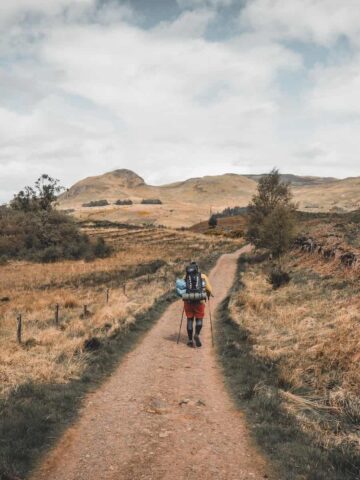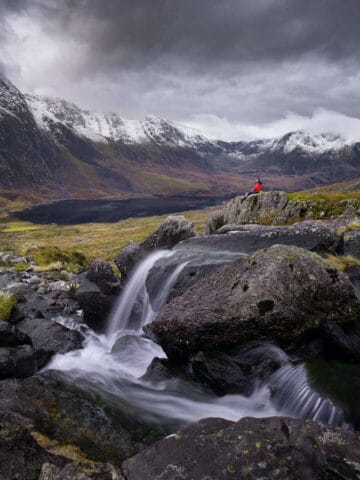
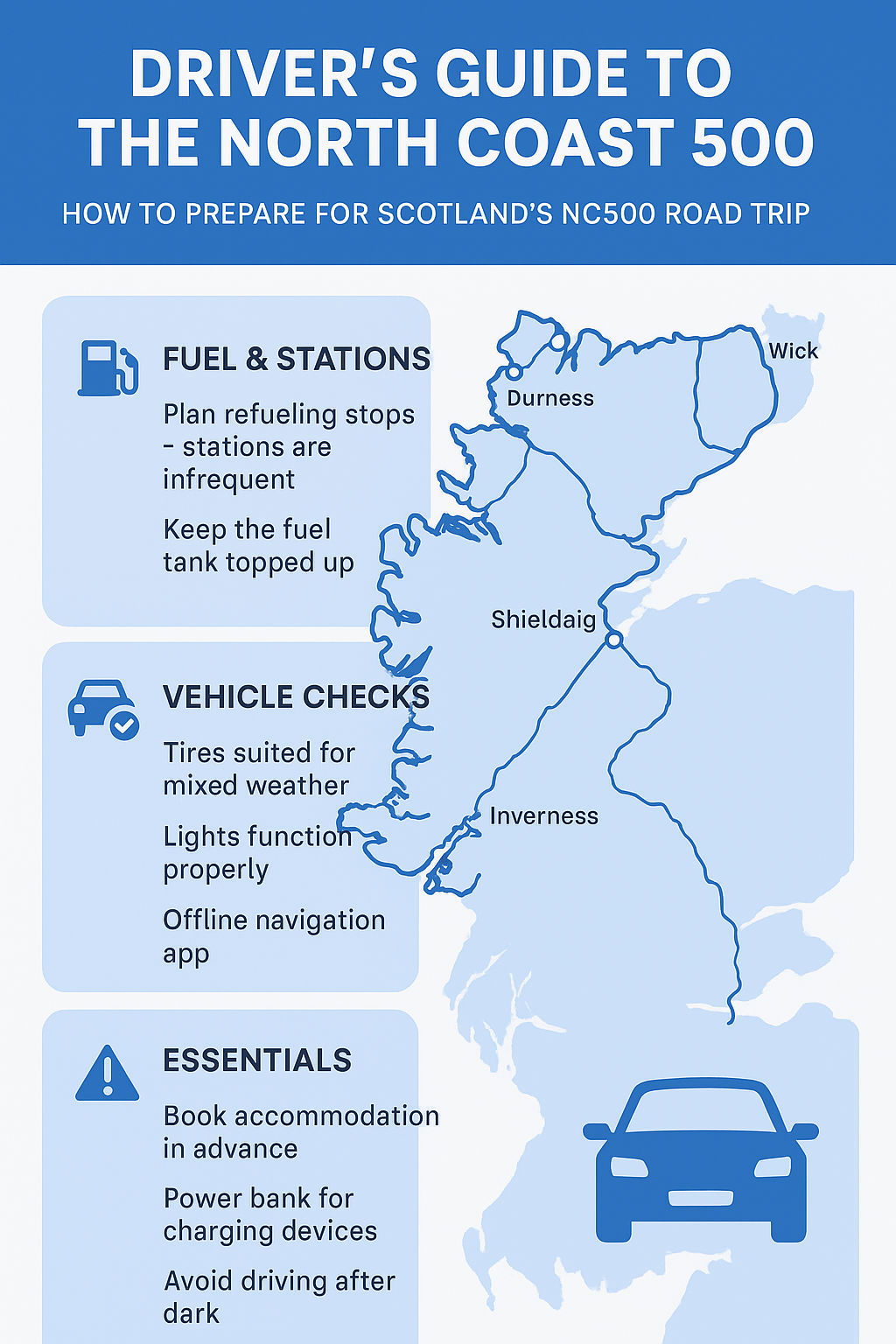
The North Coast 500 (NC500) is often described as Scotland's answer to Route 66, but it's far more rugged, remote, and varied. Stretching over 500 miles in a loop around the northern Highlands, the route begins and ends in Inverness, taking in dramatic coastal cliffs, white sand beaches, fishing villages, and mountain passes.
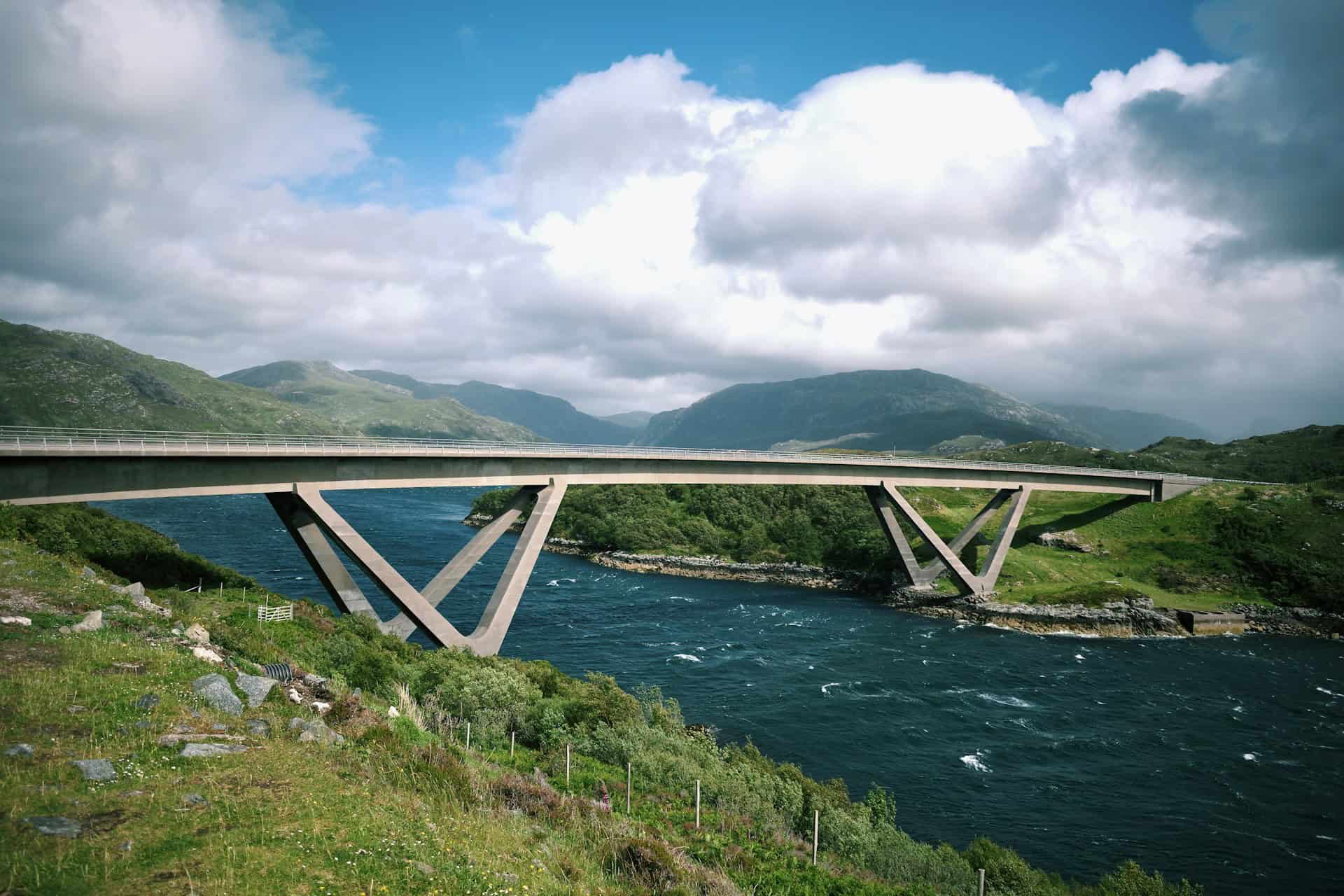
Driving here requires preparation. From single-track roads to unpredictable weather, it's a route where the condition of both your car and your travel plans matters.
Planning for the Journey
Start by plotting your route and setting a realistic pace. Many travelers aim to complete the NC500 in five to seven days, but it's worth allowing more time if you plan to hike, linger in small towns, or take detours.
Accommodation along the route can book up quickly, particularly in summer, so secure your stays well in advance. Wild camping is possible in Scotland, but make sure you follow local regulations and leave no trace.
Fuel planning is also essential. Gas stations can be few and far between, especially in the more remote stretches of the West and the North Coast.
Topping up whenever you pass a station is a good habit. Running low in the Highlands can be costly in both time and money.
Preparing Your Vehicle
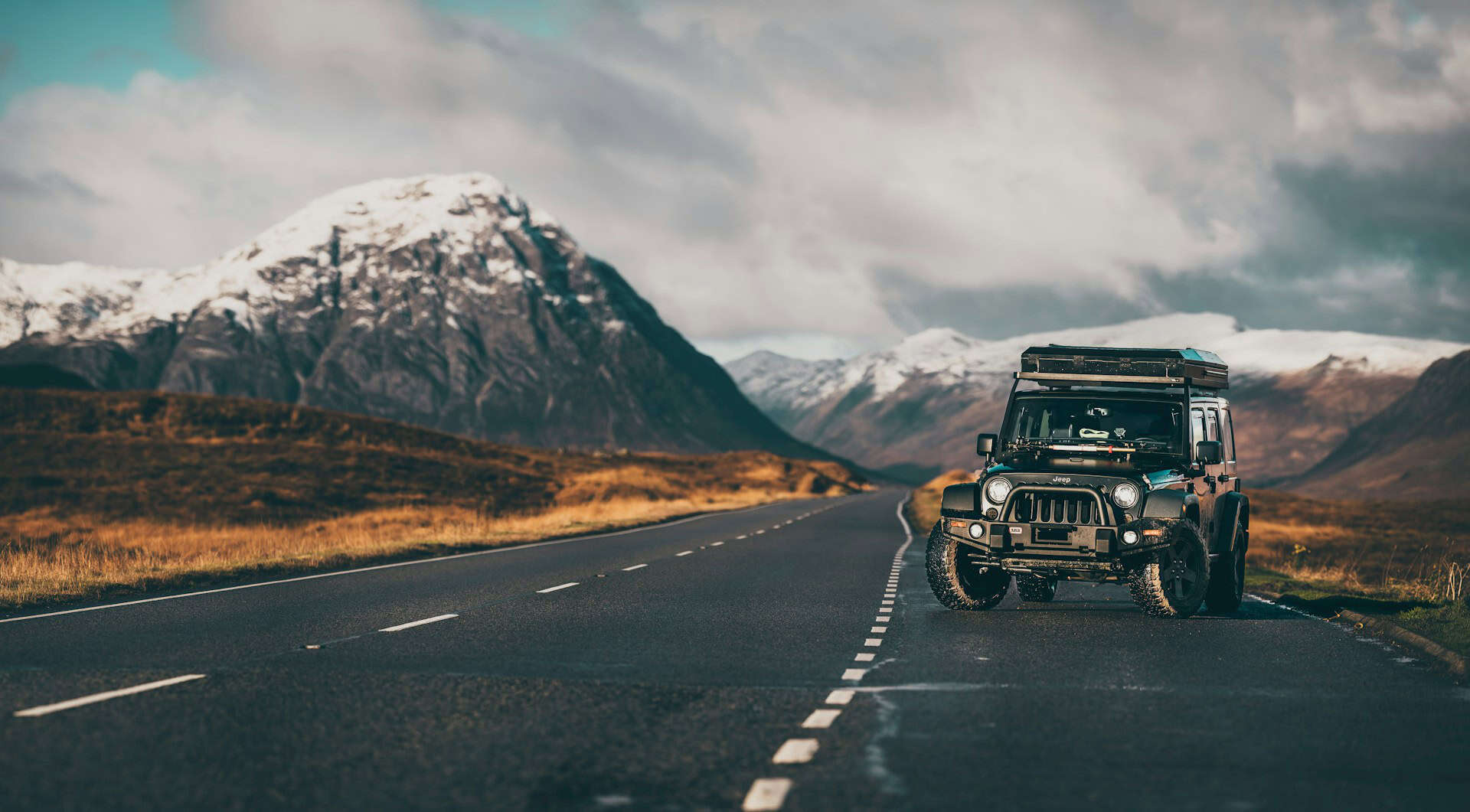
Before setting out, give your vehicle a thorough check. Tires should be suited for mixed weather, as the Highlands can shift from sunshine to heavy rain within minutes.
Ensure your lights are functioning correctly for night driving and visibility in fog or heavy rain. Carry a spare tire and the tools to change it, as roadside assistance can take time to reach remote areas.
An offline navigation app is highly recommended. Mobile reception can be patchy, and relying solely on GPS without a backup could leave you in the lurch. A physical map is worth having in the glovebox, too.
The Role of Quality Brakes on the NC500
The NC500 is famous for its twisting, single-track roads with sharp bends, steep gradients, and blind summits. Having reliable brakes is essential-not just for your safety, but for the protection of cyclists, pedestrians, and other motorists you may encounter with little warning.
Brake pads and discs can make the difference between a smooth, controlled stop and a dangerous skid, particularly on wet or gravel surfaces, as noted in AUTODOC.
As part of your trip prep, it's worth having your braking system checked by a professional. This is especially important if your car has recently shown signs of reduced braking performance, such as squealing, vibration, or a longer stopping distance.
Automotive experts from AUTODOC say: "You really shouldn't drive with worn brake discs, as this will seriously compromise your stopping power and increase your braking distance. You might get away with it for a short while if there's only minor wear and your pads and fluid are still in decent condition, but don't push your luck. Once you notice deep grooves or cracks, or see that they're getting thin, it's time to act - worn discs can't handle heat properly and may even fail when you need them most."
Essentials for the Road
Beyond vehicle checks, pack with the Highland environment in mind. A power bank ensures your devices stay charged for navigation, photography, and communication.
Weatherproof clothing is a must, even in summer, and sturdy footwear will serve you well if you plan to step off the road for a hike. Avoid driving after dark, as roads can be narrow and the local wildlife more active.
Carry snacks and water, especially if you're traveling in winter when some roadside cafes may be closed. Small villages along the NC500 often have limited dining options outside peak seasons.
Driving Etiquette and Safety
Single-track roads require patience and courtesy. Use passing places to let oncoming vehicles through, and don't forget to thank drivers with a friendly wave.
Keep your speed appropriate for the conditions. While it can be tempting to focus on the scenery, staying alert is key to avoiding hazards like sharp bends, livestock, or sudden drops in road surface quality.
In wet weather, braking distances increase, so leave extra space between you and the vehicle ahead. On downhill stretches, use engine braking to reduce wear on your brakes and maintain better control.
Highlights Along the Route
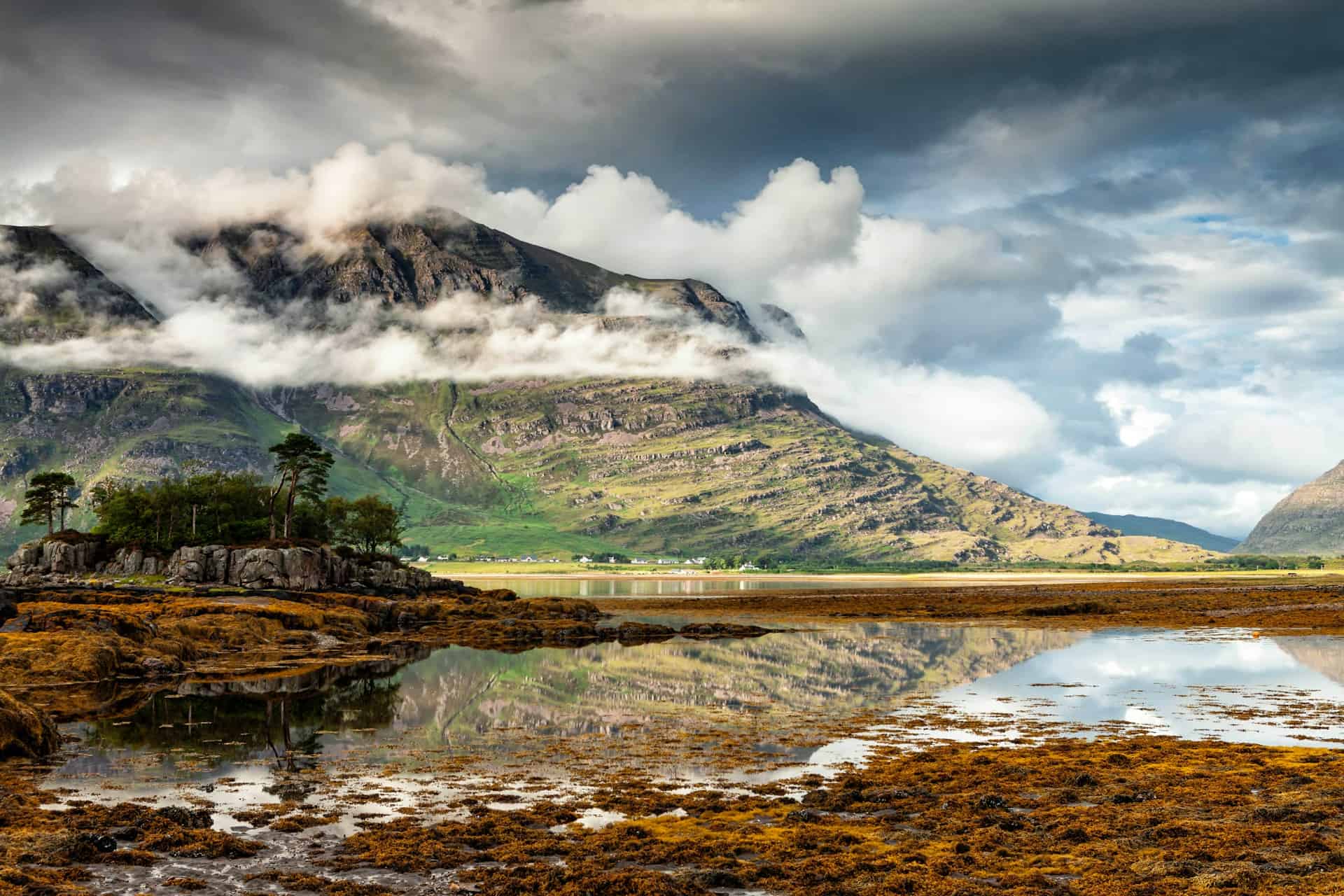
While preparation is vital, the NC500 rewards those who take time to explore. On the West Coast, Shieldaig offers views over Loch Torridon, and nearby Applecross can be reached via the Bealach na Bà pass-a steep, winding road with hairpin turns that showcases exactly why good brakes matter.
The northern stretch takes you to Durness, home to Smoo Cave and sweeping beaches, while the East Coast offers history in towns like Wick.
Between the landmarks, you'll find countless viewpoints, hidden bays, and hiking trails. Flexibility in your itinerary lets you take advantage of unexpected discoveries.
Returning to Inverness
Completing the NC500 brings a sense of achievement, but also the realization that the Highlands are a place to return to. Whether you've done it in a week or more, the challenging roads, landscapes, and communities can leave a lasting impression.
By planning well, keeping your vehicle in good condition, and driving with care, you'll not only enjoy the route but do so safely. The NC500 is about more than the miles covered. It's about the connection between the driver, car, and one of the most beautiful parts of the United Kingdom.
_____
This story is published in partnership with AUTODOC.