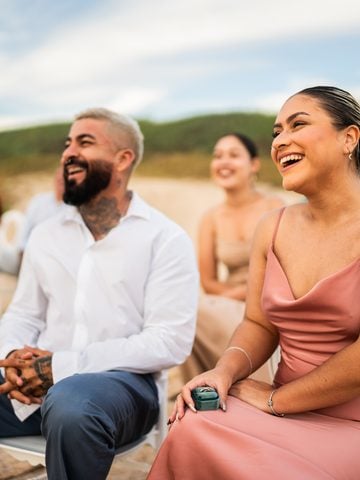
A vacation surrounded by nature sounds relaxing until you think about sleeping on uneven ground, sharing campground bathrooms, and preparing meals with limited equipment. Classic camping has its appeal, but not everyone wants to spend their vacation managing the challenges of outdoor living.
Glamping offers a different approach. It combines the atmosphere of camping with comfortable accommodation, enabling travelers to enjoy outdoor activities without giving up familiar conveniences.
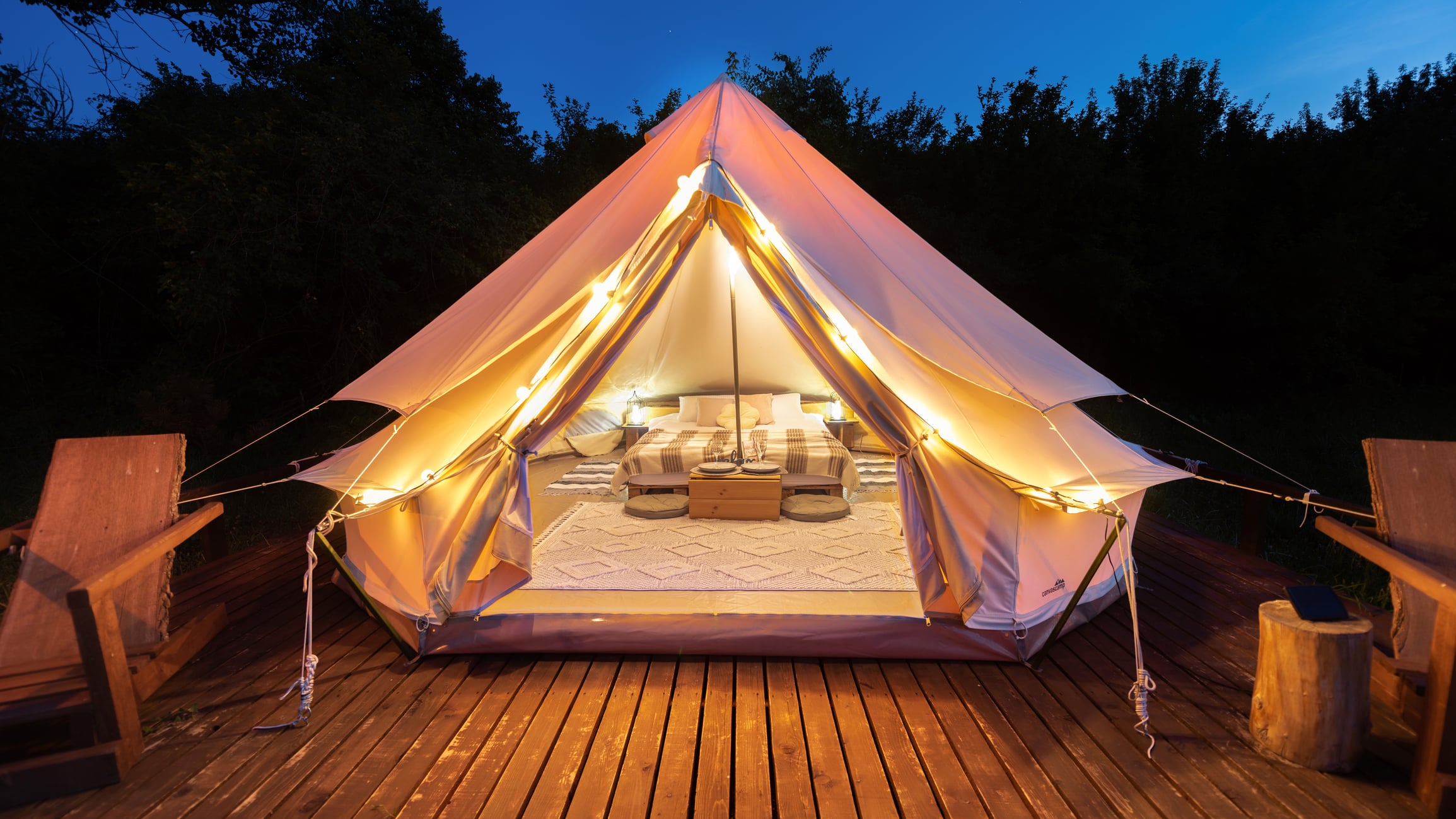
However, the best glamping vacations involve more than booking an attractive tent. Choosing the right setting, balancing activities with downtime, and knowing what your accommodation includes can make the experience more rewarding.
Choose a Setting That Offers More Than Comfortable Accommodation
The location of your glamping retreat influences the entire vacation. A beautifully furnished tent may provide an enjoyable night's sleep, but the surrounding landscape and available activities determine how you spend the rest of your time.
For travelers who want to combine outdoor accommodation with organized recreation, ranch-style destinations offer an appealing alternative to conventional campsites. These retreats can offer horseback riding, wildlife viewing, and outdoor entertainment while maintaining comfortable sleeping arrangements.
Florida's ranch country is particularly suitable for this kind of experience. Travelers who want to explore its open landscapes without organizing a conventional camping trip can glamp at Westgate River Ranch, where distinctive accommodation options complement a broader outdoor resort experience.
When comparing destinations, consider what you can realistically enjoy without spending hours driving. A retreat with accessible activities and attractive surroundings makes it easier to appreciate the location, rather than treating accommodation as only a place to return to after sightseeing.
Select Accommodation Based on How You Actually Travel
Glamping accommodation ranges from safari-style tents and furnished cabins to yurts, treehouses, and covered wagons. Each offers a different balance between outdoor atmosphere and modern convenience.
A couple planning a quiet retreat might appreciate a secluded tent with comfortable furnishings and scenic views. Families, meanwhile, may prioritize spacious sleeping arrangements, convenient bathrooms, and enough room for children to relax between activities.
Before booking, look into details that photographs rarely show. Find out if bathrooms are private or shared, if climate control is available, and how far the accommodation is from parking or dining facilities.
Accessibility deserves attention, especially when traveling with older relatives or anyone with mobility limitations. The most memorable accommodation is not always the most unusual. It is the one that lets everyone enjoy the experience comfortably.
Build Your Days Around Outdoor Experiences
One advantage of glamping is having more time to enjoy the destination instead of setting up tents, organizing sleeping equipment, or managing complicated campsite arrangements.
Use that convenience to explore activities connected to the surrounding environment. Depending on the location, possibilities might include guided horseback rides, nature walks, fishing, cycling, or wildlife observation.
Rather than filling every hour, choose one main activity each day and leave room for spontaneous exploration. A morning trail ride followed by an easygoing afternoon can feel more satisfying than rushing between several scheduled excursions.
Check activity requirements before arrival. Some experiences involve age restrictions, reservations, additional fees, or specific clothing.
A little preparation helps you participate confidently without turning a relaxing vacation into a demanding itinerary.
Let the Natural Environment Shape Your Schedule
Outdoor vacations become more enjoyable when you work with the environment instead of expecting every day to follow a rigid timetable.
Early mornings often provide comfortable conditions for walking, photography, and observing wildlife. Evenings offer cooler temperatures, outdoor dining, and a changing atmosphere as daylight fades.
Reserve midday for quieter activities, especially in warmer destinations where lengthy sun exposure is uncomfortable.
Weather flexibility is equally important. Rain, wind, and changing temperatures can affect outdoor plans, even when your accommodation offers protection from the elements.
Pack suitable clothing and plan alternative activities for surprise conditions. Glamping removes many camping inconveniences but does not eliminate the need to respect the weather.
Make Outdoor Dining Part of the Experience
Meals can be an enjoyable part of a glamping vacation, especially when they reflect the relaxed atmosphere. Eating outdoors, sharing breakfast with a view, or gathering around a fire pit can feel very different from ordinary restaurant dining.
However, not every glamping destination provides cooking facilities. Some offer restaurants, prepared meals, or designated barbecue areas, while others expect guests to arrange their own food.
Confirm these arrangements before arriving, especially if anyone has dietary restrictions.
If outdoor cooking is allowed, keep meals simple rather than planning elaborate preparations. Simple dishes and shared snacks leave more time for conversation and enjoying the setting.
Always follow local fire regulations and food storage guidelines. Responsible preparation helps protect both visitors and the surrounding environment.
Find Opportunities to Disconnect Without Feeling Isolated
One attraction of glamping is the chance to spend time away from everyday distractions. Natural surroundings encourage travelers to slow down, enjoy conversations, and participate in activities without constantly checking their phones.
However, disconnecting does not imply abandoning technology entirely. Navigation, weather updates, and emergency communication remain important, especially in rural locations.
Consider setting a few screen-free periods instead of enforcing an unrealistic digital detox. Breakfast outdoors, an afternoon walk, or an evening gathering can provide natural chances to focus on the experience.
For families, shared activities such as photography, storytelling, or identifying local wildlife can encourage interaction without making relaxation feel like another scheduled obligation.
Prepare for Outdoor Conditions Without Overpacking
Glamping eliminates much of the equipment needed for standard camping, but thoughtful packing still matters. Comfortable accommodation does not guarantee paved pathways, predictable weather, or protection from insects during outdoor activities.
Bring suitable walking shoes, breathable clothing, sunscreen, insect repellent, and a reusable water bottle. Depending on the season, a lightweight jacket or raincoat may also be useful.
Check the accommodation's amenities before packing towels, toiletries, bedding, or extra equipment. Bringing items already supplied creates unnecessary luggage.
Also check the distance between your accommodation and shared facilities. A small flashlight can be useful when walking on unfamiliar paths after dark.
Packing for the activities you actually plan to enjoy is more practical than preparing for every possible outdoor adventure.
Leave Enough Time to Appreciate the Retreat Itself
Glamping destinations often provide plenty of recreational opportunities, making it tempting to fill the itinerary with activities. Yet the accommodation and its surroundings are part of the vacation experience, not simply somewhere to sleep.
Reserve time for an unhurried morning, reading outdoors, watching the sunset, or experiencing a quiet conversation below the stars. These moments let you appreciate the atmosphere that makes glamping different from a conventional hotel stay.
For shorter trips, limiting excursions can be especially worthwhile. Spending most of a weekend traveling between attractions may leave little time to enjoy the retreat you chose.
A successful glamping vacation balances comfortable accommodation with meaningful outdoor experiences. When you choose a suitable destination, prepare for the environment, and allow time to relax, you can enjoy nature without turning your getaway into an endurance test.
This story was published in partnership with Westgate Resorts.