
An Antarctic cruise is for the more adventurous traveler. An Antarctica trip means you head to our southern-most continent, not because you want to "play tourist" or hit another cruise line port town that is almost the same as any other.
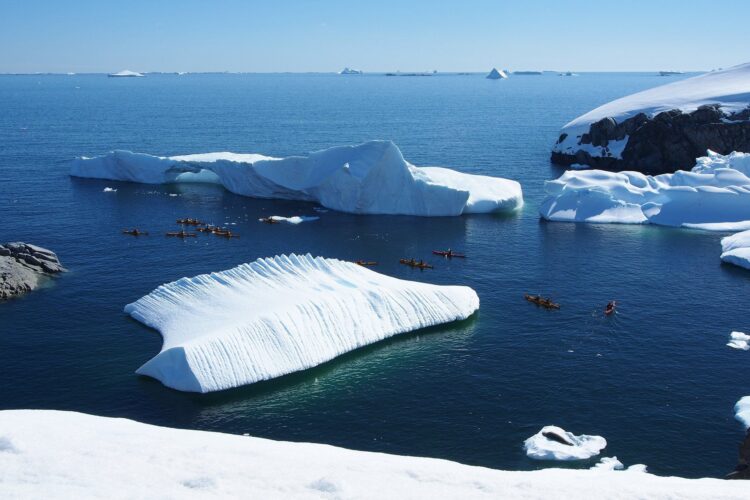
You go because you're looking for something unique and clean -a trip you can take pride in. However, what makes an Antarctic expedition so special is also what makes it a little more work than other cruises.
Antarctica does not offer tourist amenities, so it is essential to ensure you are prepared for what lies ahead. Here are 10 quick tips to enjoy your Antarctic cruise.
Antarctic Travel Tips
1. There are no stores.
Antarctica has no tourist amenities; you're limited to what you bring with you and what's available for sale on your ship. Before you set out, double-check your gear against the information provided by your cruise line about what you should or should not bring on your trip.
2. It's environmentally protected.
Antarctica is primarily regarded as one great big national reserve park. This is partly to protect the remarkably rich ecosystem and partly to maintain its cleanliness for the various scientific studies conducted in the region.
Multiple countries use Antarctica as a base to study the effects of global warming and the spread of pollution; therefore, outside interference (e.g., seeds from foreign weeds, insect larvae) mustn't be introduced ashore.
This means that before you set foot on Antarctica or some of the remote islands you might visit along the way (e.g., the Falklands, South Georgia, etc.), you may have to go through some decontamination steps before you head to shore.
3. You may run into rough waters.
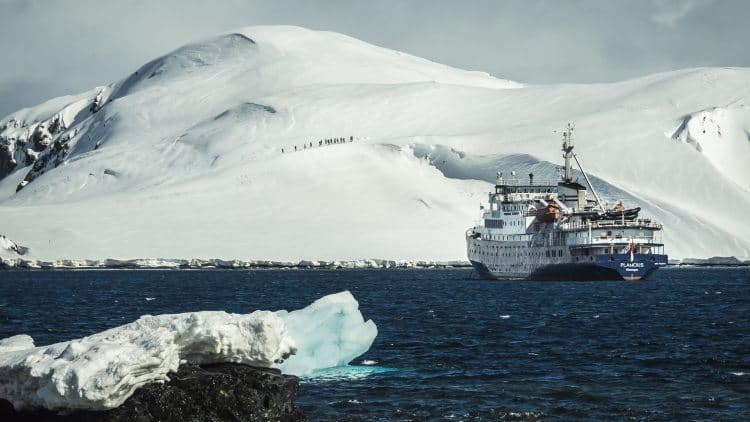
If you're in a ship that will cross the infamous Drake Passage to get to Antarctica, there's a decent chance that you will have to endure rough waters for about two days (each way).
If you have even the slightest inclination towards seasickness, you should visit your doctor and get your hands on some Dramamine or another anti-seasickness drug.
Do this for at least a week before you set sail; Dramamine is a preventative medication and has to be taken before you set sail.
4. The cruise itself is just the beginning of the costs.
Cruise costs alone should run you at least around $5,500; you can sometimes find discounts for last-minute berths. This will cover a room that you will likely share with other people.
Cruise costs will fluctuate depending on the level of luxury your ship offers, the size of your room, the destination, and the duration of your trip with the cruise line.
There are additional costs that you will need to consider, including:
- Travel permits
- Flight costs
- Stay in port towns
- Purchases on board the ship
- Activities (kayaking, photography courses, ski-mountaineering, etc.)
- Clothing and boots
5. There are no medical facilities.
Bigger cruise ships will have a doctor and limited medical supplies, but aside from that, you might be out of luck if you have a medical problem or if you've forgotten your medicine.
So if you're not sure if you're in good enough shape for a trip, schedule a checkup for yourself, and make sure you stock up on your prescription drugs.
6. It might be warmer than you think.
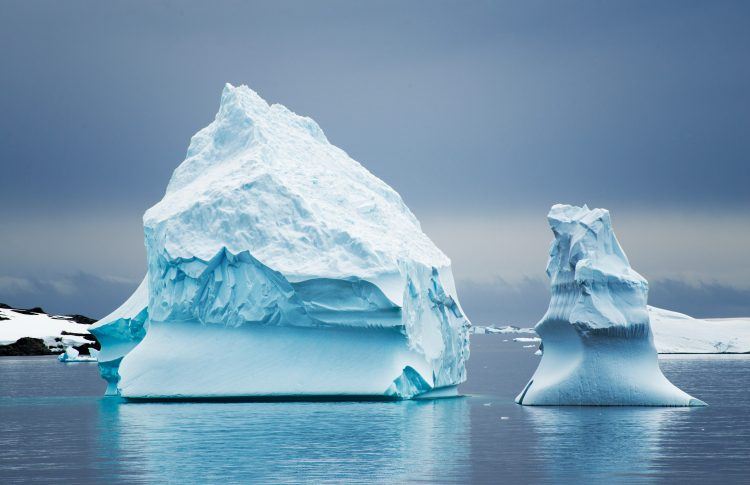
Temperatures for Antarctic summers (around the coastlines, at least) hover around 32 F (0 C). For many people, Antarctica may end up being warmer than home, as you'll leave the northern hemisphere's winter behind as you venture south.
Additionally, you're likely to generate some heat as you participate in various hikes and other activities. And on top of that, you may get wet as you journey on a Zodiac from ship to shore (they tend to splash a little).
Layers are your friend. They let you regulate your temperature much more easily than bulk clothing items, and they're more easily swapped out if something gets wet. Your cruise line will typically provide a guide outlining the types of clothing you should pack in your bag.
7. You might need visas.
Antarctica does not require permits or visas; however, you will likely need to fly from your home country to a port city in a foreign country, which may require some official documentation.
Check with your local tourism bureau to ensure that everything is in order well before your departure date.
8. Look for smaller ships.
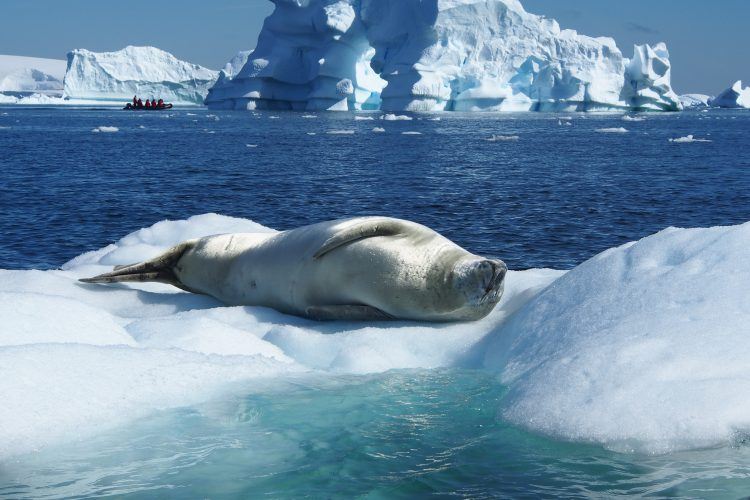
Antarctica has a law prohibiting more than 100 passengers from landing at any one spot at any one time. To maximize the time you spend ashore, look for cruise ships with fewer than 200 passengers. The lower the number of passengers, the more time you get to spend ashore.
9. Some cruise ships offer helicopter rides.
Some of the most interesting wildlife spots (especially for particular species of penguins) are too far inland to be reached on foot.
One or two cruise lines now offer you the chance to take a helicopter ride inland to meet some of the more remote of these dapper fellows. (Don't worry, they land far enough away not to disturb the birds' environment.) Plus, a helicopter ride.
10. Look for "base camp" cruises.
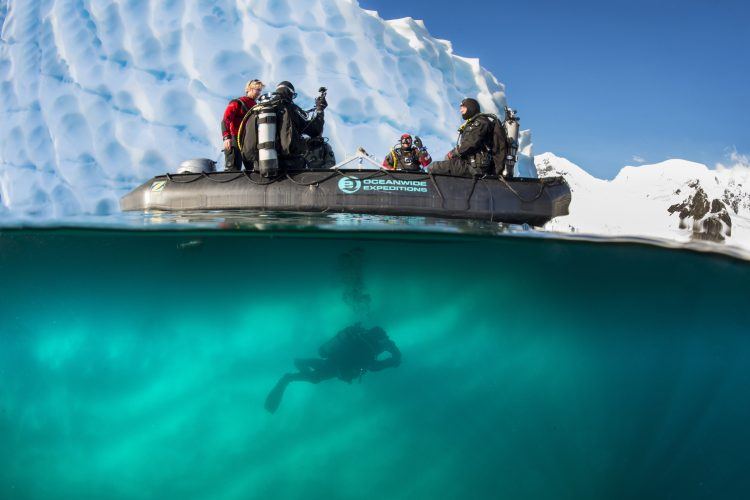
If this is your first Antarctic cruise, consider finding a cruise line that offers a "base camp" experience. These cruises offer a variety of activities, all included under one price.
The activities can include:
- Hikes with various levels of difficulty
- Snowshoeing
- Diving (usually only for the experienced)
- Photography courses
- History and wildlife lectures
- Shoreline cruises in Zodiacs (rubber boats with outboard engines)
- Ski-mountaineering
- Ski-treks
- Kayaking
And so on. If you're not sure yet how you'll most likely experience the Antarctic, a basecamp cruise lets you try a little bit of everything until you figure out what suits you best.
______
This story was brought to you in partnership with Oceanwide Expeditions.