Go Backpacking

  • About
  • Travel Tips
    • Accommodations
    • Budgeting & Money
    • Adventure Travel
    • Food & Drink
    • Gear & Gadgets
    • Packing Tips
    • Travel Blogging
    • Travel Insurance
    • Trip Planning
    • UNESCO Sites
  • Destinations
    • Africa
      • Botswana
      • Egypt
      • Ethiopia
      • Morocco
      • Rwanda
      • South Africa
      • Tanzania
    • Asia
      • Cambodia
      • China
      • Hong Kong
      • India
      • Indonesia
      • Japan
      • Laos
      • Malaysia
      • Nepal
      • Philippines
      • Thailand
      • United Arab Emirates
      • Vietnam
    • Europe
      • England
      • France
      • Germany
      • Greece
      • Iceland
      • Ireland
      • Italy
      • Portugal
      • Spain
      • Switzerland
      • Turkey
    • North America
      • Canada
      • Costa Rica
      • Cuba
      • Guatemala
      • Mexico
      • Nicaragua
      • Panama
      • United States
    • Oceania
      • Australia
      • French Polynesia
      • New Zealand
    • South America
      • Argentina
      • Bolivia
      • Brazil
      • Chile
      • Colombia
      • Ecuador
      • Peru
  • Advertise
menu icon
go to homepage
  • About
  • Travel Tips
    • Accommodations
    • Budgeting & Money
    • Adventure Travel
    • Food & Drink
    • Gear & Gadgets
    • Packing Tips
    • Travel Blogging
    • Travel Insurance
    • Trip Planning
    • UNESCO Sites
  • Destinations
    • Africa
      • Botswana
      • Egypt
      • Ethiopia
      • Morocco
      • Rwanda
      • South Africa
      • Tanzania
    • Asia
      • Cambodia
      • China
      • Hong Kong
      • India
      • Indonesia
      • Japan
      • Laos
      • Malaysia
      • Nepal
      • Philippines
      • Thailand
      • United Arab Emirates
      • Vietnam
    • Europe
      • England
      • France
      • Germany
      • Greece
      • Iceland
      • Ireland
      • Italy
      • Portugal
      • Spain
      • Switzerland
      • Turkey
    • North America
      • Canada
      • Costa Rica
      • Cuba
      • Guatemala
      • Mexico
      • Nicaragua
      • Panama
      • United States
    • Oceania
      • Australia
      • French Polynesia
      • New Zealand
    • South America
      • Argentina
      • Bolivia
      • Brazil
      • Chile
      • Colombia
      • Ecuador
      • Peru
  • Advertise
search icon
Homepage link
  • About
  • Travel Tips
    • Accommodations
    • Budgeting & Money
    • Adventure Travel
    • Food & Drink
    • Gear & Gadgets
    • Packing Tips
    • Travel Blogging
    • Travel Insurance
    • Trip Planning
    • UNESCO Sites
  • Destinations
    • Africa
      • Botswana
      • Egypt
      • Ethiopia
      • Morocco
      • Rwanda
      • South Africa
      • Tanzania
    • Asia
      • Cambodia
      • China
      • Hong Kong
      • India
      • Indonesia
      • Japan
      • Laos
      • Malaysia
      • Nepal
      • Philippines
      • Thailand
      • United Arab Emirates
      • Vietnam
    • Europe
      • England
      • France
      • Germany
      • Greece
      • Iceland
      • Ireland
      • Italy
      • Portugal
      • Spain
      • Switzerland
      • Turkey
    • North America
      • Canada
      • Costa Rica
      • Cuba
      • Guatemala
      • Mexico
      • Nicaragua
      • Panama
      • United States
    • Oceania
      • Australia
      • French Polynesia
      • New Zealand
    • South America
      • Argentina
      • Bolivia
      • Brazil
      • Chile
      • Colombia
      • Ecuador
      • Peru
  • Advertise
×
Home » Destinations » South America » Ecuador

Riding the Quito Teleferico & Climbing Pichincha Volcano

Modified: Dec 16, 2018 · Published: Sep 9, 2011 by Dave Lee |

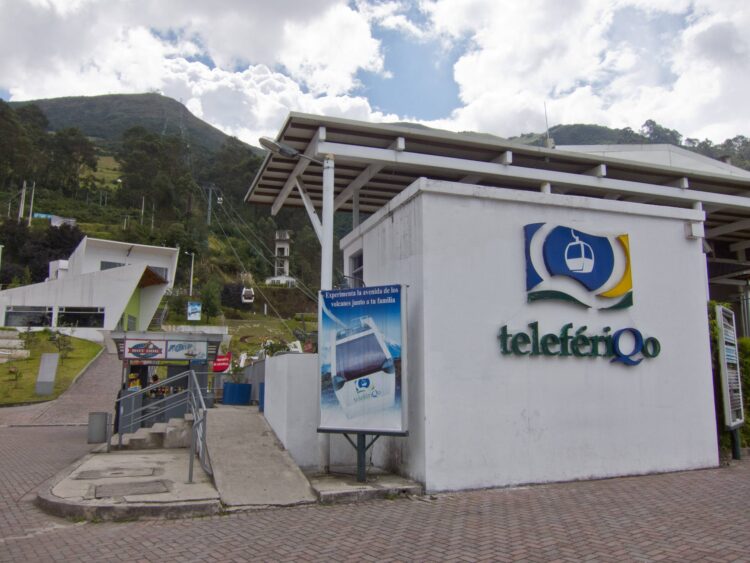
The base of the Quito Teleferico

Riding the Quito Teleferico, one of the highest aerial lifts in the world, offers visitors the best views of the capital city.

If you're up for it, climbing Pichincha Volcano (4,784 meters) once you're up there is a physical challenge you can be proud to complete.

Heading to Quito? Book your hostel here

Opened in 2005, this gondola rises quickly from its base of 2,900 meters to 4,100 meters in about 10 minutes.

The cost for the roundtrip ride is $8.50, and experiencing the effects of high altitudes on your body won't get any easier than this.

Even after a few days of acclimatizing at 2,800 meters in Quito, I developed a headache within 30 minutes of walking around (at a reasonable pace) atop the Teleferico.

However, this is an entirely normal reaction for your body, and no reason not to take the trip up if you're in otherwise healthy condition.
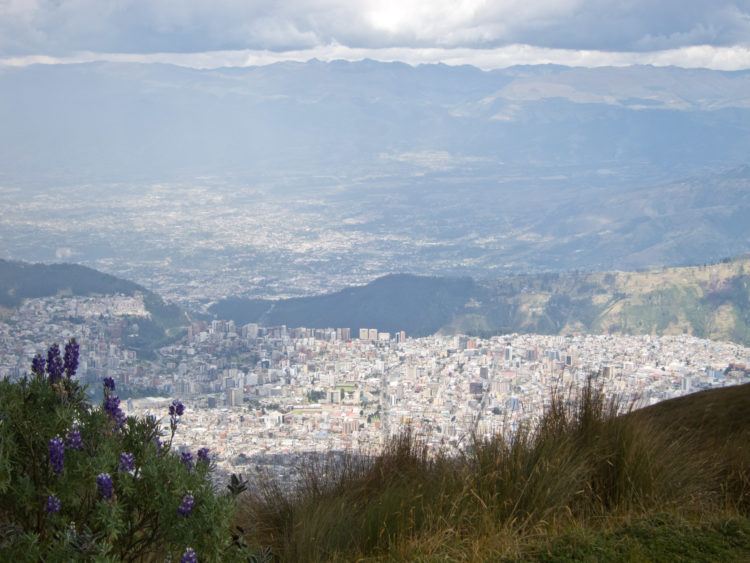
View of Quito atop the Teleferico - 4,100 meters above sea level

Riding the Quito Teleferico

If you have the time and flexibility, it's best to wait for a relatively clear morning to make the trip up.

Weather conditions can change quickly in the mountains, and that's especially true once you reach altitudes above 4,000 meters, so go as early as possible. The Quito Teleferico operates from 9 AM to 7 PM daily.

Bring a rain jacket, as well as your camera.

The easiest way to reach the base of the Teleferico is to take a taxi.

Once you arrive, you can buy your ticket, and queue for the gondola.

When I went on a weekday afternoon, it was practically empty.

The ride is quick and smooth, and you'll be atop the mountain before you know it.

When you disembark, remember to take it slowly. Very slowly.

If you've never experienced such a high altitude, you may be surprised at how quickly your heart starts beating as you begin to walk around.

Take deep breathes, and again, go slow.

Most visitors will go for a short walk to take photos of Quito to the West, and Pichincha Volcano to the East.

There are several cafes, restaurants, and public bathrooms around the top of the Teleferico where you can rest and enjoy the city views.

If you start to get a headache, drink lots of water and get something to eat.

Chances are this won't have an immediate effect. However, it's a good idea anyways, especially if you're climbing Pichincha Volcano.

Our bodies use/lose water more quickly at high altitudes, so it's important to stay well hydrated.

As a rule of thumb, drink before you're thirsty, and eat before you're hungry.

The easiest way to alleviate a high altitude induced headache is to just take the Teleferico back down to the lower elevation.

Taking aspirin or Tylenol can also help reduce the severity.
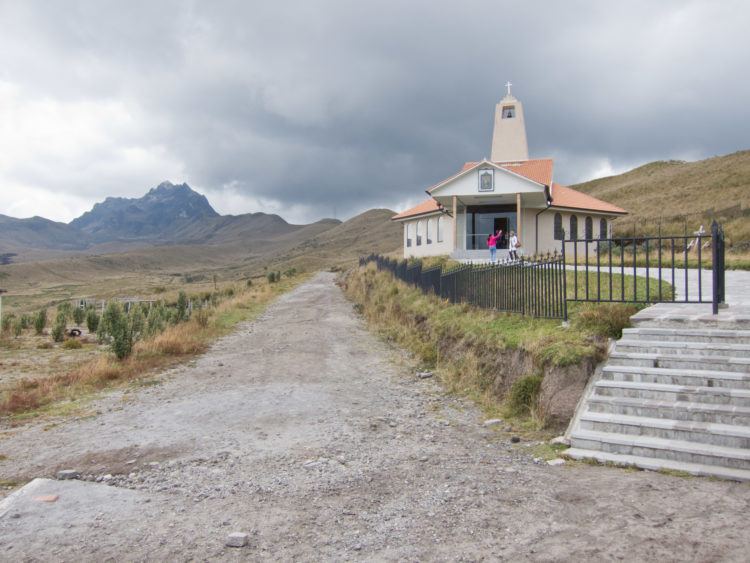
Pichincha Volcano as seen from top of the Teleferico

Climbing Pichincha Volcano

If taking the Teleferico isn't enough, you can also try climbing Pichincha Volcano once you're up there.

A few tips to keep in mind:

  • Start early to ensure better views, as it's often more likely to get cloudy, foggy and rainy in the afternoons.
  • Allow an hour or two more time than you think you need. Trekking at high altitudes is a slower process than at sea level, especially if you haven't already acclimatized to Quito's 2,800-meter elevation.
  • Dress in layers, as temperatures can fluctuate quickly at altitude.
  • Bring a water-resistant jacket.
  • Bring a daypack with a few liters of water, and some high-energy snacks (ex: Snickers, protein bars, chocolate).
  • Hike with at least one other person, if not a group, to ensure your safety and deter potential thieves.
  • Remember that getting to the top is often the easy part. Don't push yourself beyond your limits, as you'll need your energy to get back down safely too.
  • Tell someone where you're going, and when you can be expected back.

I decided not to try and climb Pichincha for a few reasons.

First, I was still experiencing light headaches every afternoon since arriving in Quito, so I knew my body hadn't acclimatized to Quito's 2,800-meter elevation.

Second, being the sometimes-loner that I can be, I didn't have anyone to go with and didn't want to take any unnecessary risks (robbery, acute mountain sickness).

Trail map for hiking Pichincha Volcano, found at base of the Teleferico
Trail map for hiking Pichincha Volcano found at the base of the Teleferico

What You Need to Know

Hours:  9 AM to 7 PM daily

How Much: $8.50 - Quito Teleferico / Free - Climbing Pichincha Volcano

Difficulty:  Easy - Quito Teleferico / Moderate to Difficult - Climbing Pichincha Volcano

How to Get There: Schedule a taxi through your hostel for a fixed price (one way or return trip), or hail one on the street and negotiate a rate.

What to Bring: Several layers of clothes, including a rain jacket, camera. To climb the volcano, also bring a daypack with 1-2 liters of water, and several snacks (candy or protein bars, fruit, etc.).

Need more itinerary ideas? Get this complete Ecuador guidebook
Related Stories

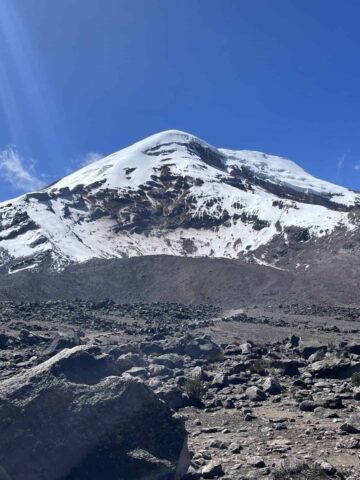
  • Chimborazo volcano in Ecuador (photo by Noam Levenson).
    The 5 Things I Learned Climbing Chimborazo, Ecuador's Highest Peak
  • ecuador peru border crossing
    Vilcabamba to Chachapoyas: An Ecuador-Peru Border Crossing
  • Downtown Guayaquil
    How to Spend 24 Hours in Guayaquil
  • locro de papa
    Decadent Dining at Tiesto's Restaurant
246 shares
  • Share
  • Email

About Dave Lee

Dave is the Founder and Editor in Chief of Go Backpacking and Feastio. He's been to 68 countries and lived in Colombia and Peru. Read the full story of how he became a travel blogger.

Dave at Ahu Ko Te Riku on Rapa Nui (Easter Island), Chile.

Hi, I'm Dave

Editor in Chief

I've been writing about adventure travel on Go Backpacking since 2007. I've visited 68 countries.

Read more about Dave.

Footer

back to top

About

  • About
  • Archive
  • Privacy Policy
  • Cookie Policy

Follow Us

Contact

  • Contact
  • Work With Us
  • Submissions

Copyright © 2025 Go Backpacking

246 shares
  • 215