Go Backpacking

  • About
  • Travel Tips
    • Accommodations
    • Budgeting & Money
    • Adventure Travel
    • Food & Drink
    • Gear & Gadgets
    • Packing Tips
    • Travel Blogging
    • Travel Insurance
    • Trip Planning
    • UNESCO Sites
  • Destinations
    • Africa
      • Botswana
      • Egypt
      • Ethiopia
      • Morocco
      • Rwanda
      • South Africa
      • Tanzania
    • Asia
      • Cambodia
      • China
      • Hong Kong
      • India
      • Indonesia
      • Japan
      • Laos
      • Malaysia
      • Nepal
      • Philippines
      • Thailand
      • United Arab Emirates
      • Vietnam
    • Europe
      • England
      • France
      • Germany
      • Greece
      • Iceland
      • Ireland
      • Italy
      • Portugal
      • Spain
      • Switzerland
      • Turkey
    • North America
      • Canada
      • Costa Rica
      • Cuba
      • Guatemala
      • Mexico
      • Nicaragua
      • Panama
      • United States
    • Oceania
      • Australia
      • French Polynesia
      • New Zealand
    • South America
      • Argentina
      • Bolivia
      • Brazil
      • Chile
      • Colombia
      • Ecuador
      • Peru
  • Advertise
menu icon
go to homepage
  • About
  • Travel Tips
    • Accommodations
    • Budgeting & Money
    • Adventure Travel
    • Food & Drink
    • Gear & Gadgets
    • Packing Tips
    • Travel Blogging
    • Travel Insurance
    • Trip Planning
    • UNESCO Sites
  • Destinations
    • Africa
      • Botswana
      • Egypt
      • Ethiopia
      • Morocco
      • Rwanda
      • South Africa
      • Tanzania
    • Asia
      • Cambodia
      • China
      • Hong Kong
      • India
      • Indonesia
      • Japan
      • Laos
      • Malaysia
      • Nepal
      • Philippines
      • Thailand
      • United Arab Emirates
      • Vietnam
    • Europe
      • England
      • France
      • Germany
      • Greece
      • Iceland
      • Ireland
      • Italy
      • Portugal
      • Spain
      • Switzerland
      • Turkey
    • North America
      • Canada
      • Costa Rica
      • Cuba
      • Guatemala
      • Mexico
      • Nicaragua
      • Panama
      • United States
    • Oceania
      • Australia
      • French Polynesia
      • New Zealand
    • South America
      • Argentina
      • Bolivia
      • Brazil
      • Chile
      • Colombia
      • Ecuador
      • Peru
  • Advertise
search icon
Homepage link
  • About
  • Travel Tips
    • Accommodations
    • Budgeting & Money
    • Adventure Travel
    • Food & Drink
    • Gear & Gadgets
    • Packing Tips
    • Travel Blogging
    • Travel Insurance
    • Trip Planning
    • UNESCO Sites
  • Destinations
    • Africa
      • Botswana
      • Egypt
      • Ethiopia
      • Morocco
      • Rwanda
      • South Africa
      • Tanzania
    • Asia
      • Cambodia
      • China
      • Hong Kong
      • India
      • Indonesia
      • Japan
      • Laos
      • Malaysia
      • Nepal
      • Philippines
      • Thailand
      • United Arab Emirates
      • Vietnam
    • Europe
      • England
      • France
      • Germany
      • Greece
      • Iceland
      • Ireland
      • Italy
      • Portugal
      • Spain
      • Switzerland
      • Turkey
    • North America
      • Canada
      • Costa Rica
      • Cuba
      • Guatemala
      • Mexico
      • Nicaragua
      • Panama
      • United States
    • Oceania
      • Australia
      • French Polynesia
      • New Zealand
    • South America
      • Argentina
      • Bolivia
      • Brazil
      • Chile
      • Colombia
      • Ecuador
      • Peru
  • Advertise
×
Home » Planning

Seasonal Gear Swaps for People Who Live on Trails

Published: Feb 10, 2026 by Guest Blogger |

If you spend a lot of time on trails, your gear changes with the seasons. Warm layers and traction are important for cold, snowy mornings, but you don't need them once summer comes. As it gets warmer, you trade heavy gear for lighter packs, water bottles, and sun protection.

The real challenge isn't figuring out what to bring. It's deciding what to do with the rest of your gear when the season changes.
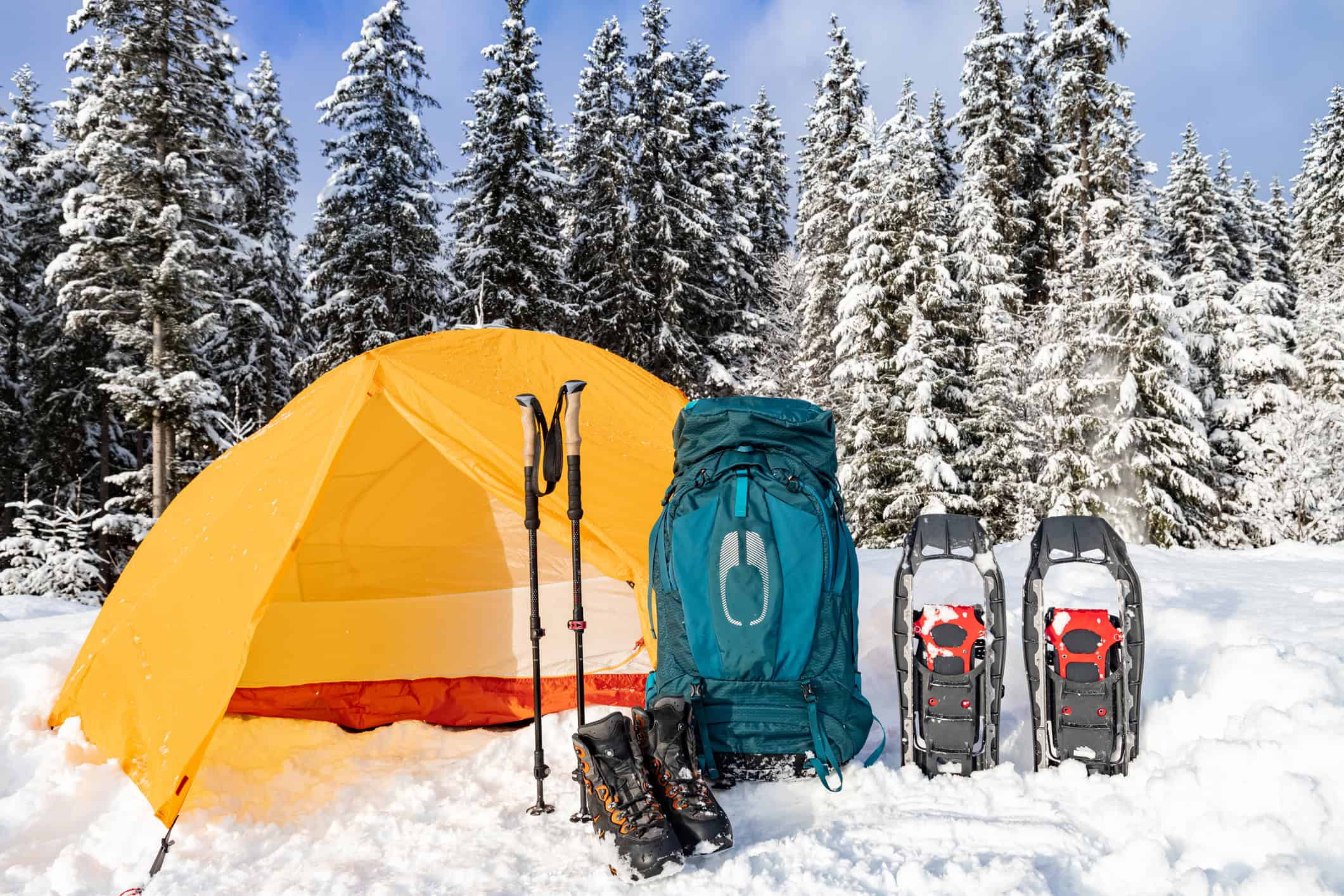
Winter camping gear and snowshoes (photo: iStock).
Winter camping gear and snowshoes (photo: iStock)

If you're a backpacker, long-term traveler, or van lifer moving between trips, seasons, and home bases, well-managed gear helps you feel prepared rather than buried in stuff. A good gear-swap system keeps your space tidy, your vehicle organized, and makes it easy to start your next trip.

For many long-term travelers and backpackers, places like Georgia serve as transition points rather than permanent homes.

Whether you stop there between Appalachian Trail sections, use it as a seasonal base in the Southeast, or return between longer trips, having a reliable place to reset your gear makes moving around easier.

Storing gear in these spots lets you drop extra weight without losing equipment you'll need again later.

Table of Contents

  • How Seasons Change What You Carry
  • What Equipment Needs To Stay Within Reach
    • Core Principles To Follow
    • Common pitfalls to avoid
  • Setting Up Swaps Without Losing Momentum
  • Protecting gear between trail seasons
  • When Storage Makes Sense for Trail-Focused Travelers
  • Keeping Systems Flexible Year-Round

How Seasons Change What You Carry

Every season means a different set of gear. In winter, you need insulation, sturdy boots, and extra safety gear. In summer, you switch to lighter clothes and focus on staying hydrated. Trouble starts when out-of-season gear piles up in your home, car, or garage after the weather changes.

Without a plan, gear swaps can get rushed and messy. Equipment piles up, gets lost, or ends up in the wrong spot. That's why many people who spend time on trails in the Southeast use storage near N Expy Griffin. It keeps gear you don't need right now out of the way, but still easy to reach when the season changes again.

When you make seasonal gear swaps part of your routine, you can switch faster and focus more on the trail than on your gear.

What Equipment Needs To Stay Within Reach
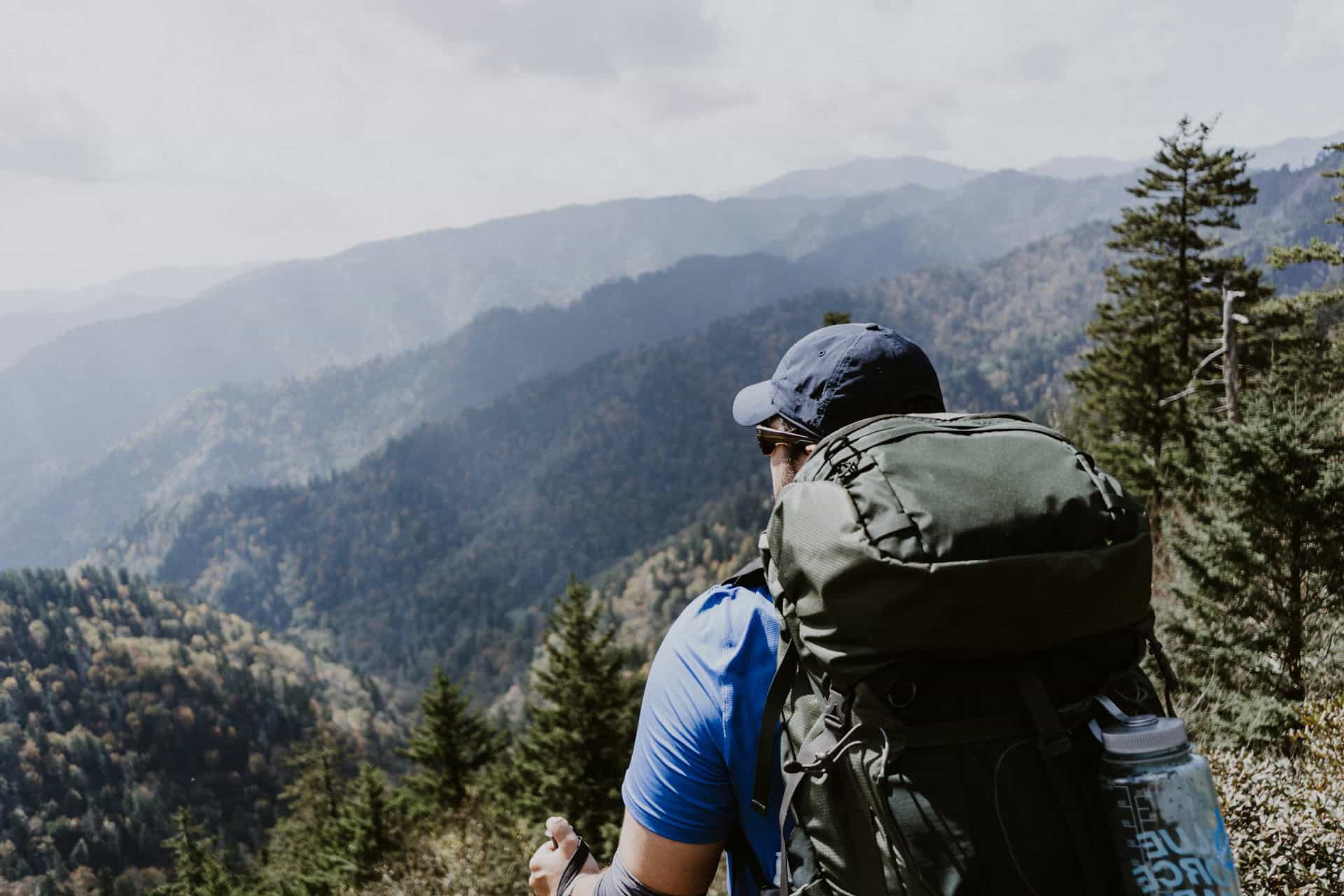
Backpacking the Great Smoky Mountains (photo: Kirk Thornton).
Backpacking the Great Smoky Mountains (photo: Kirk Thornton)

You don't need to keep every piece of gear equally easy to reach. Sorting your equipment by purpose helps you stay organized and move smoothly between seasons.

Core Principles To Follow

Match access to current conditions. Make sure anything you need for the current trail and weather is close at hand and simple to grab.

Keep safety gear non-negotiable. Always keep first-aid kits, navigation tools, repair supplies, and emergency layers readily accessible, no matter the season.

Stage performance upgrades separately. Keep optional or experimental gear out of your main kit. Store it separately so it doesn't get in the way of your essentials or make packing harder.

Common pitfalls to avoid

  • Keeping everything packed "just in case."
  • Mixing off-season gear into active kits.
  • Storing damp or dirty gear without prep.
  • Waiting until the weather shifts to reorganize.

Setting clear rules for your gear makes swaps easy and prevents surprises.

Setting Up Swaps Without Losing Momentum

You don't need a perfect system. You need a consistent one you can stick with.

Step 1: Define seasons by conditions, not dates

Plan your gear swaps around real trail conditions, not the calendar. Snow, heat, and terrain matter more than the date.

Step 2: Sort gear into three groups

Keep your active gear ready to use. Always make sure safety items are easy to reach. Move out-of-season gear out of your main space as soon as possible.

Step 3: Remove unused gear from living or vehicle space

Many travelers in Georgia use places like NSA Storage Griffin to store their seasonal gear, avoid clutter, and keep daily routines simple.

Step 4: Store gear as complete kits

Store your gear as complete kits for each season or activity, instead of as loose items. This makes it easier to find what you need quickly.

Step 5: Build swaps into your routine

See each gear swap as a fresh start, not just another chore. A routine makes the process faster and less stressful.

Protecting gear between trail seasons

How you store your gear matters just as much as where you store it.

Clean and dry everything first. Dirt, moisture, and salt can damage your gear. Always make sure everything is clean and dry before you put it away.

Use breathable containers. Avoid using airtight bins for shoes, tents, or sleeping bags. Good airflow helps prevent mildew and keeps materials from breaking down.

Label clearly by season or activity. Label your gear clearly so you don't forget about your kits or accidentally buy things you already own.

Check stored gear occasionally. Check your stored gear once or twice each season to make sure it's still in good shape, without needing to handle it all the time.

When Storage Makes Sense for Trail-Focused Travelers

Storage isn't about owning more things. It's about making it easier to keep moving.

It can be the right decision when:

  • You rotate between long trips and home bases.
  • You're slow traveling or working abroad.
  • You live in a small apartment or van.
  • You want fast seasonal transitions without clutter.

The main goal is to stay free to move, not to collect more stuff. When your storage system helps you do that, your gear becomes useful again instead of a hassle.

Keeping Systems Flexible Year-Round

As trail conditions change, your storage plan should change too. The best systems make gear swaps a normal part of your routine, not a hassle.

When you make these swaps a habit, your gear stays useful and protected, and you can focus on your next adventure instead of cleaning up.

Prepare for your next gear swap before the weather changes. Clear out space early so your setup supports the trail life you want.

_____

This story is published in partnership with NSA Storage.

Related Stories

  • A woman uses online travel agency tips to plan her vacation (photo: Vlada Karpovich, Pexels).
    Online Travel Agency Tips for Stress-Free Holiday Planning
  • The yellow WHO international vaccination card (photo: Markus Winkler, Pexels).
    The Bureaucracy of Freedom: A Practical Guide To Managing International Paperwork for Long-Term Trips
  • Antarctica cruise (photo: Christian Pfeifer, Pexels).
    The Case for Fly Cruises: Why They Might Just Be Perfect for Your Next Trip
  • Moving abroad as a couple marks the start of a new adventure (photo: Cameron Cox, Unsplash).
    Moving as a Couple: What To Know Before Moving to a New Country
  • Share
  • Email

About Guest Blogger

This post was written by a guest contributor. Please reference the author's byline in the post above for more information. If you would like to guest post on Go Backpacking, please read our submission guidelines. For information on advertising opportunities, go here.

Dave at Ahu Ko Te Riku on Rapa Nui (Easter Island), Chile.

Hi, I'm Dave

Editor in Chief

I've been writing about adventure travel on Go Backpacking since 2007. I've visited 68 countries.

Read more about Dave.

Footer

back to top

About

  • About
  • Archive
  • Privacy Policy
  • Cookie Policy

Follow Us

Contact

  • Contact
  • Work With Us
  • Submissions

Copyright © 2025 Go Backpacking