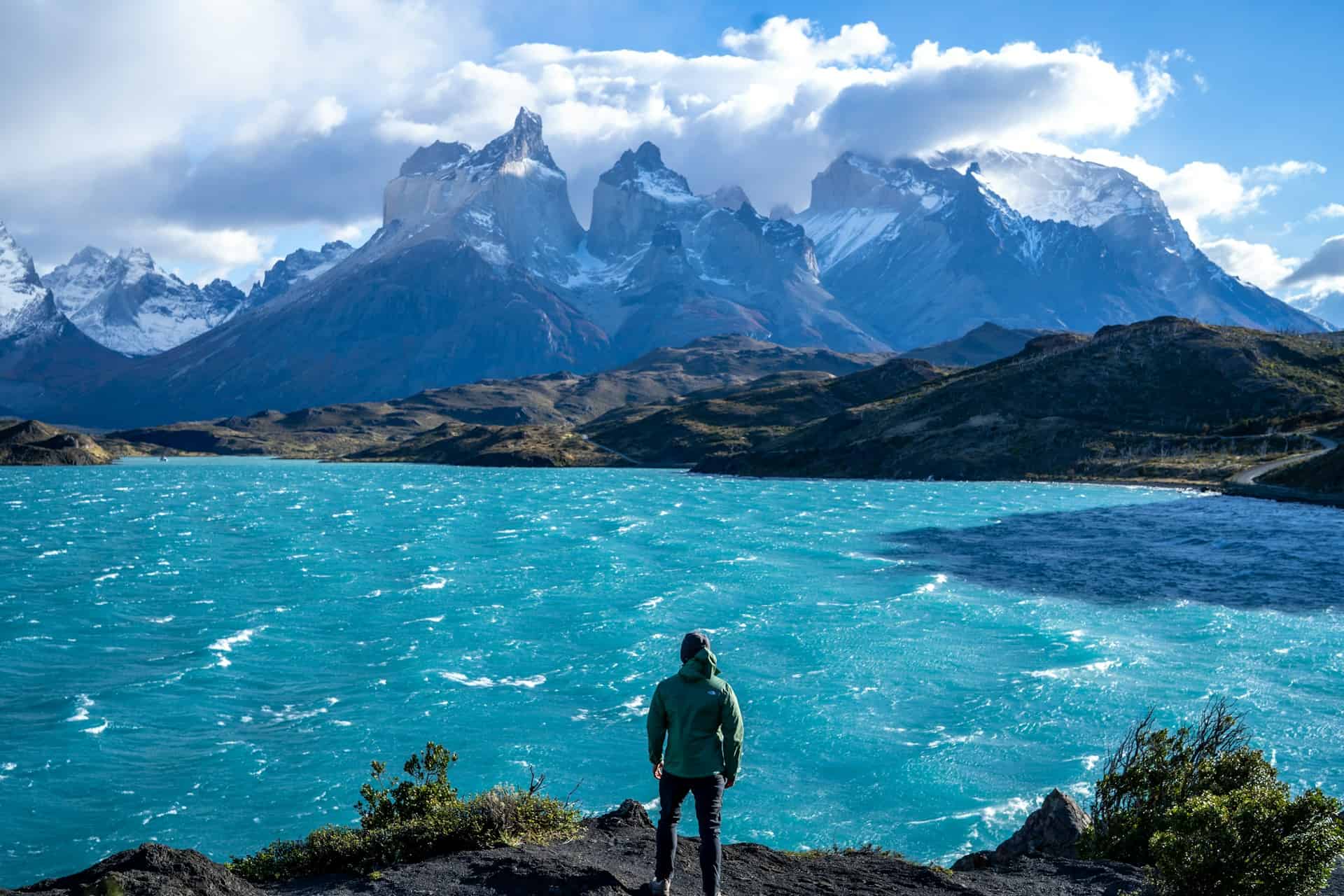
In today's fast-paced world, travel often feels like a race, with sights checked off and destinations rushed through. While it's exciting to see as much as possible, this whirlwind approach usually leaves you feeling disconnected from the places you visit. Slow travel challenges this pace, encouraging travelers to stay longer and enjoy destinations at a more relaxed rhythm.
Slow Travel Advice
"Stay Longer, Go Slower" - The Essence of Slow Travel
Slow travel is about embracing a slower, more immersive journey. Instead of hopping from city to city, you stay in one place for an extended period, often a week or more, and truly experience it.
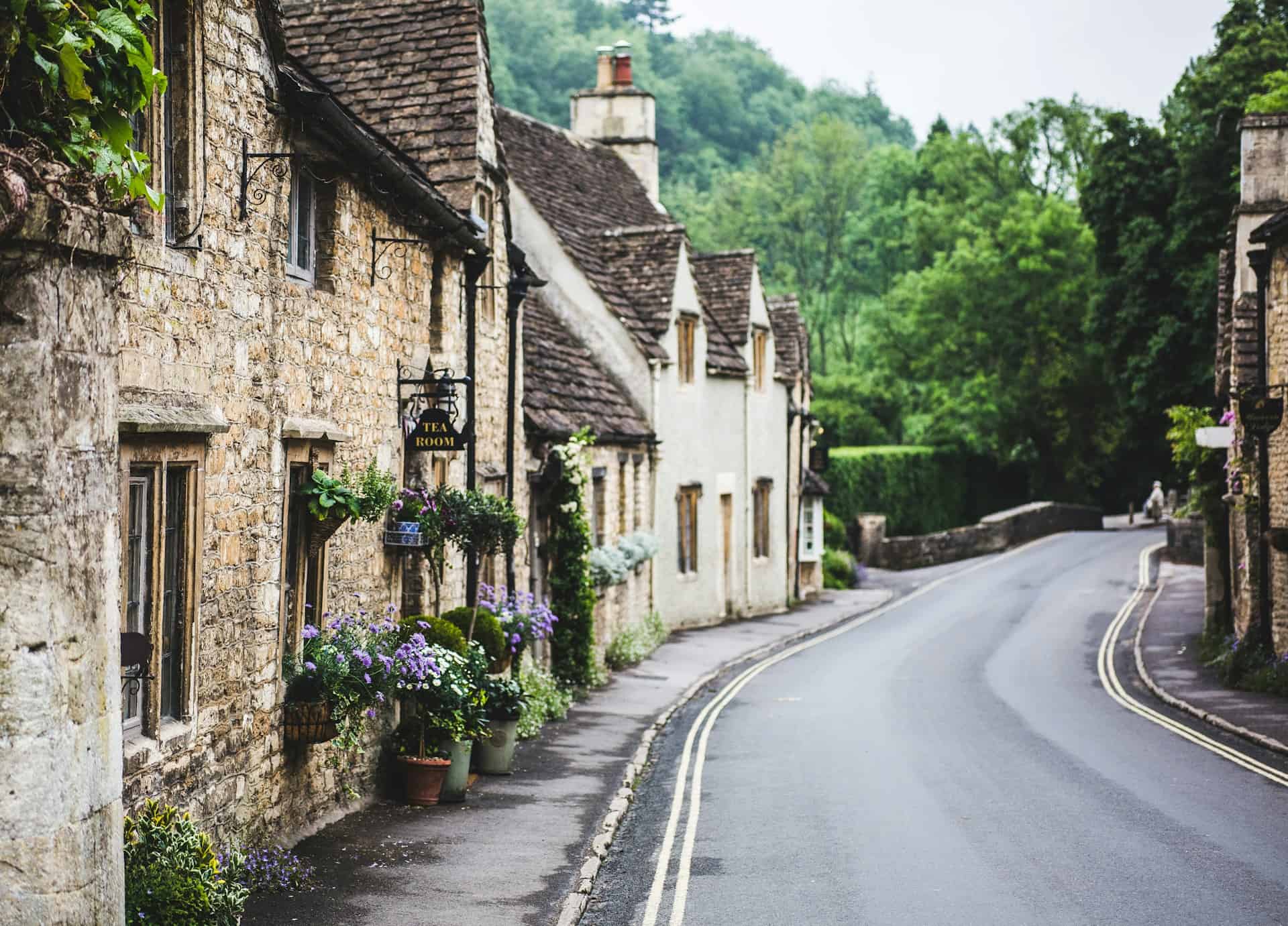
This might involve exploring a small UK village, renting a cottage in the countryside, or opting for regional train or ferry journeys instead of flights. By taking things more slowly, you begin to truly appreciate your surroundings, the landscapes, the culture, and the rhythm of daily life.
Benefits for Mind, Body, and Local Immersion
One of the best aspects of slow travel is the time it allows for unwinding and truly experiencing a place.
Without the pressure of a tight itinerary, you can relax into local routines-visiting the same bakery each morning, chatting with market vendors, or discovering hidden gems that don't appear in guidebooks. These little moments often become the highlights of your trip.
Whether you choose a base and then use walking holidays to explore the surroundings at your own pace, or settle in one place and stroll to meet locals, the slower pace helps ground your experience. You return home feeling refreshed rather than exhausted, with a stronger connection to the places you've visited.
Sustainable and Responsible Travel
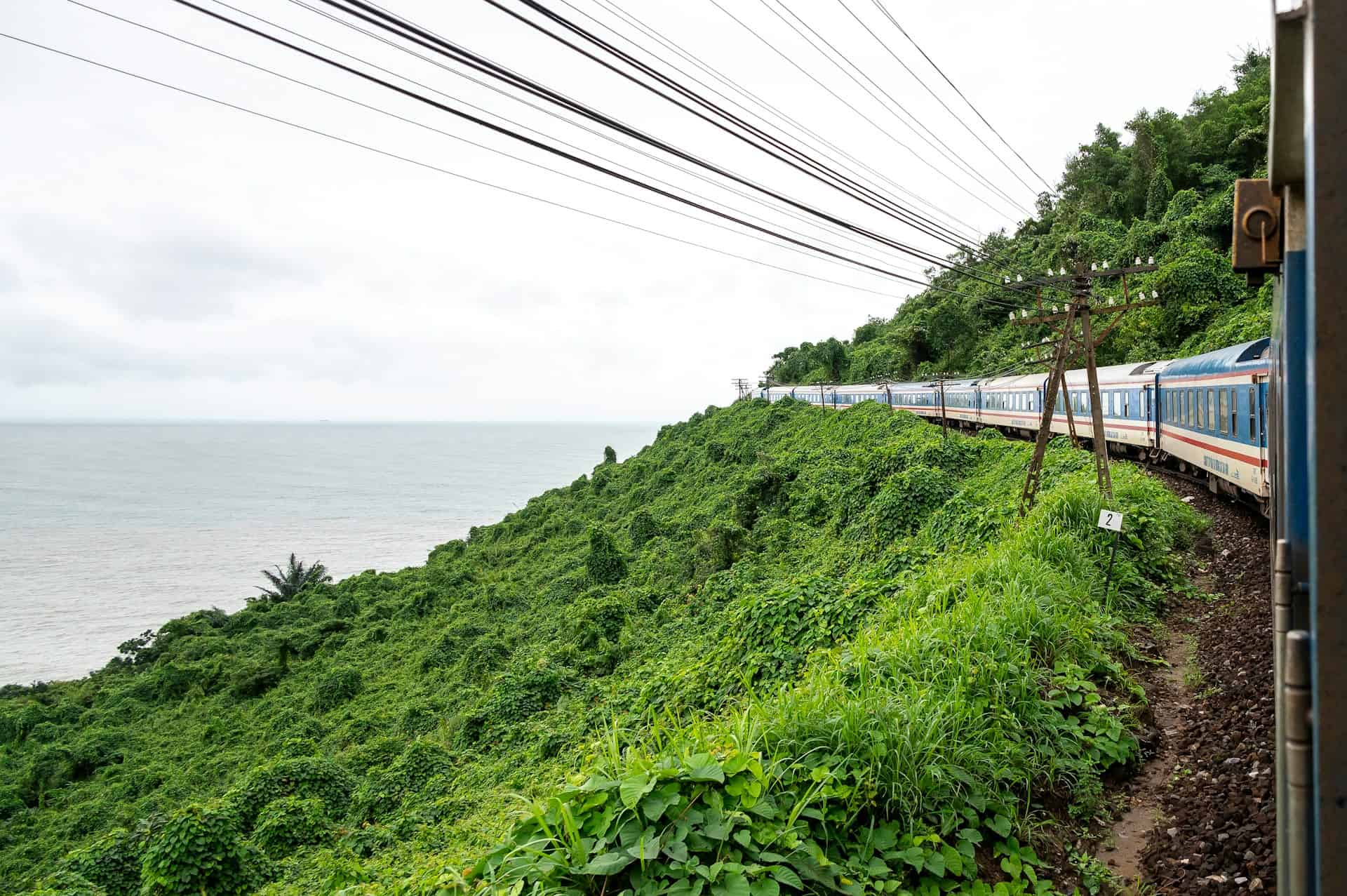
Slow travel encourages fewer flights, longer stays, and the use of local transportation, all of which reduce your environmental impact.
By staying longer and supporting small businesses-from family-run cafés to local guesthouses-you also contribute more meaningfully to the local economy.
As the travel industry shifts toward more responsible tourism, slow travel is increasingly viewed as a sustainable way to travel. It's a great time to embrace this approach, knowing that your choices are helping protect the places you love to visit.
Exploring Both Home and Away
You don't need to leave the UK to enjoy slow travel. Regional stays in places like coastal towns, quiet countryside villages, or national parks are perfect for slowing down and taking your time to explore.
Recently, UK islands have been praised as top destinations for slow travel, offering an idyllic setting to unwind and reconnect with nature.
Abroad, slow travel encourages you to pick one region, stay for an extended time, and truly get to know it-learning a few local phrases, trying seasonal dishes, and understanding local customs. Whether at home or abroad, slow travel can give you richer, more rewarding experiences.
How To Plan Your First Slow-Travel Experience
Planning a slow-travel experience doesn't have to be complicated. Begin by choosing a place you're curious about and look for accommodation options that cater to longer stays, such as holiday cottages, apartments, or small inns.
Build flexibility into your schedule rather than filling every day with activities. Allow for spontaneous discoveries, quiet afternoons, and unplanned conversations. Try travelling during the off-season, when places are more peaceful and authentic.
Slow travel offers a unique way to explore the world. By staying longer, going slower, and immersing yourself in local life, you create deeper memories, reduce your environmental impact, and gain a richer perspective on the places you visit.
So why not slow down on your next trip and see how much more you can experience when you take your time?
_____
This story was published in partnership with Inntravel.