Scuba diving gives travelers a different perspective on a destination. Beyond the beach and shoreline, a world of coral reefs, shipwrecks, and marine habitats awaits. A first dive requires preparation. Knowing what to expect, understanding the equipment, and choosing a suitable location can make the experience more enjoyable.
Choosing the Right Diving Destination
Some of the world's best-known diving destinations are spread across tropical coastlines and islands. The Florida Keys, Hawaii, and the Caribbean offer established dive centers and a variety of underwater environments.
The Pacific Islands are another option, with destinations like Fiji, Palau, and French Polynesia attracting visitors with their reefs, clear waters, and abundant marine life.
However, a famous dive site isn't necessarily the best choice for a beginner. Currents, visibility, water temperature, and depth affect how challenging a dive feels.
Before booking, consider:
- Water conditions: Calm, shallow sites are generally more comfortable for first-time divers
- Accessibility: Shore dives can be straightforward, while boat trips involve additional planning
- Dive operators: Check instructor qualifications, safety procedures, and customer reviews
- Season: Weather and sea conditions change throughout the year, especially affecting visibility
Contacting a local dive center before traveling is important. Staff can explain which sites suit beginners and if introductory sessions are available.
Getting to Know Your Diving Equipment
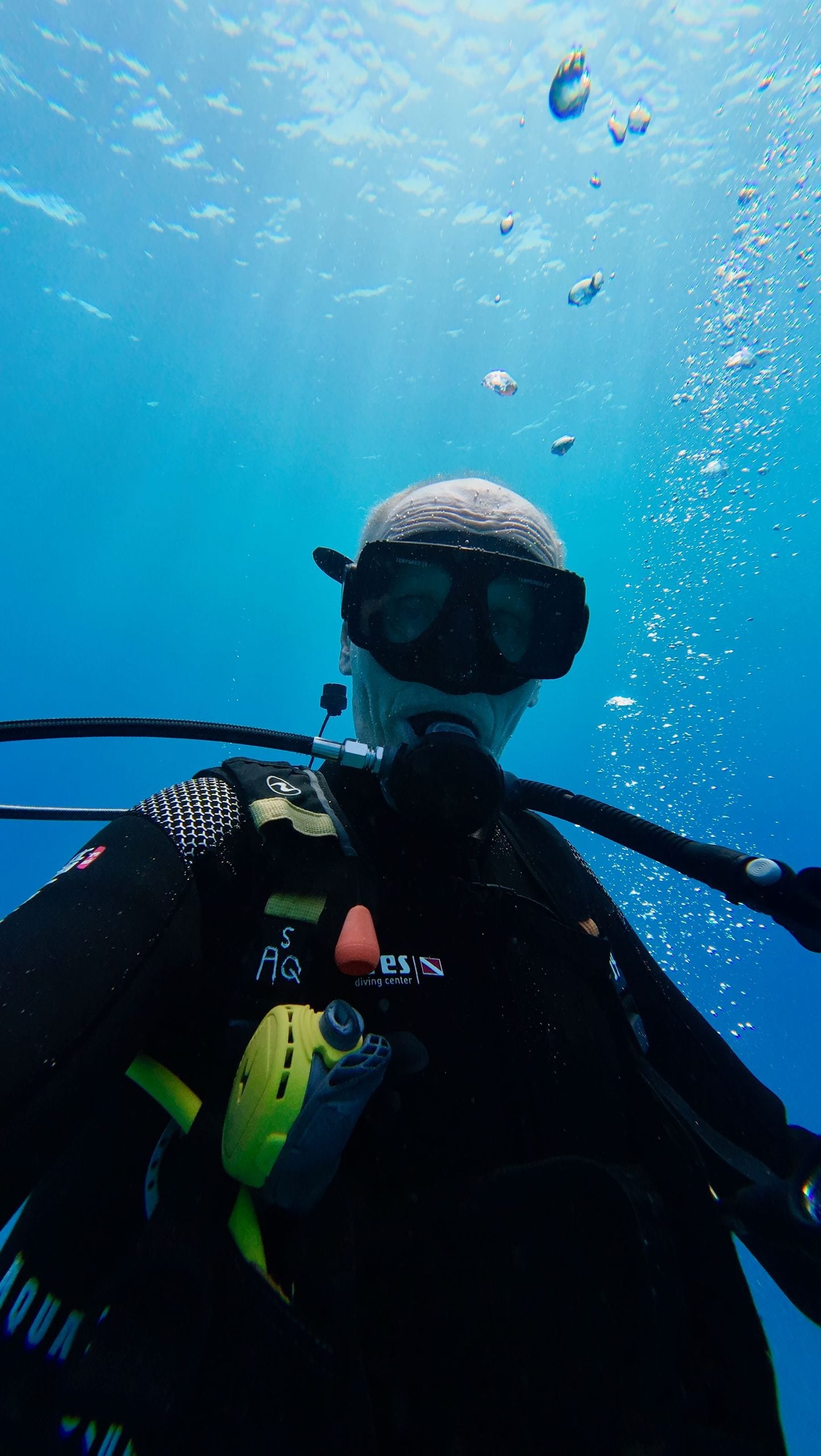
A scuba setup can look complicated at first. Tanks, regulators, buoyancy control devices, masks, and fins have different purposes, and beginners learn how everything works during training. Most dive centers provide scuba gear for introductory experiences and certification courses, so you don't need to buy everything before trying the sport.
If you decide to continue diving, invest in personal equipment that fits your budget and experience level. Comparing products before you buy can help narrow your choices.
Other important items include:
- Regulators: Deliver air from the tank so divers can breathe underwater
- Buoyancy control device (BCD): Helps manage position in the water
- Dive computer: Displays information such as depth and dive time
- Wetsuit: Provides thermal protection depending on water temperature
Renting expensive equipment while learning is reasonable. You get a better idea of what suits your diving style before buying anything.
Looking After Your Equipment
Scuba equipment needs attention before and after every dive, especially when traveling. Salt water, sunlight, and sand gradually wear away at materials and affect moving parts.
PADI recommends checking regulators, BCDs, masks, fins, lights, cameras, and clips because exposure to these elements can degrade equipment. Its basic equipment checks for scuba divers provide a useful checklist for anyone preparing for a dive.
Rinse equipment with fresh water after use, let it dry away from direct sunlight, and follow the manufacturer's storage instructions. If something appears damaged or doesn't work properly, have a qualified professional check it rather than attempting repairs yourself.
Learning the Basics Before Diving
Scuba diving involves more than swimming with an air tank. Divers must understand water pressure, breathing techniques, buoyancy, and underwater communication.
A recognized certification course combines classroom learning with confined-water practice and supervised open-water dives. The PADI Open Water Diver course is one widely recognized option.
Travelers who want to try diving can book an introductory experience. These sessions usually involve an instructor who explains the basics and supervises participants in the water. They don't provide the same qualifications as a certification course, so it's important to understand any restrictions.
Three skills deserve particular attention:
Equalizing: Pressure increases as you descend. Learn to equalize your ears gently and regularly. If you experience pain, stop descending and alert your instructor.
Breathing: Never hold your breath underwater. Pressure changes during ascent can cause serious injuries if expanding air gets trapped in the lungs.
Buoyancy: Holding a steady position conserves energy and prevents accidental contact with coral or marine life.
There's no need to rush. Gradually building confidence is more important than reaching a particular depth.
Respecting the marine environment
Seeing marine life in its natural habitat is a major attraction of scuba diving. Reefs can shelter colorful fish, turtles, rays, and smaller creatures that are easy to miss from the surface.
Responsible diving means observing wildlife without interfering. Keep your distance from animals, avoid touching coral, and watch your fins. Even accidental contact can damage fragile reef systems, while kicking up sand affects visibility and disturbs nearby habitats.
It's also a good idea to ask dive operators about their environmental practices. Some support conservation projects, organize underwater cleanups, or teach visitors how to protect local marine ecosystems.
Making your first dive count
A memorable scuba diving trip starts with realistic expectations. Choose a location suited to your experience, learn from qualified professionals, and care for your equipment. Whether booking an introductory session or working toward certification, preparation and patience help you enjoy everything below the surface.
This story was published in partnership with Divers Supply™.