
Planning 48 hours in Xi'an? China's ancient Silk Road capital is home to the Terracotta Warriors, one of the country's most famous archaeological discoveries, as well as massive city walls, busy Muslim markets, and centuries of history. This first-time Xi'an itinerary outlines how to spend two days in the city, with practical transportation tips, realistic expectations, and firsthand advice.
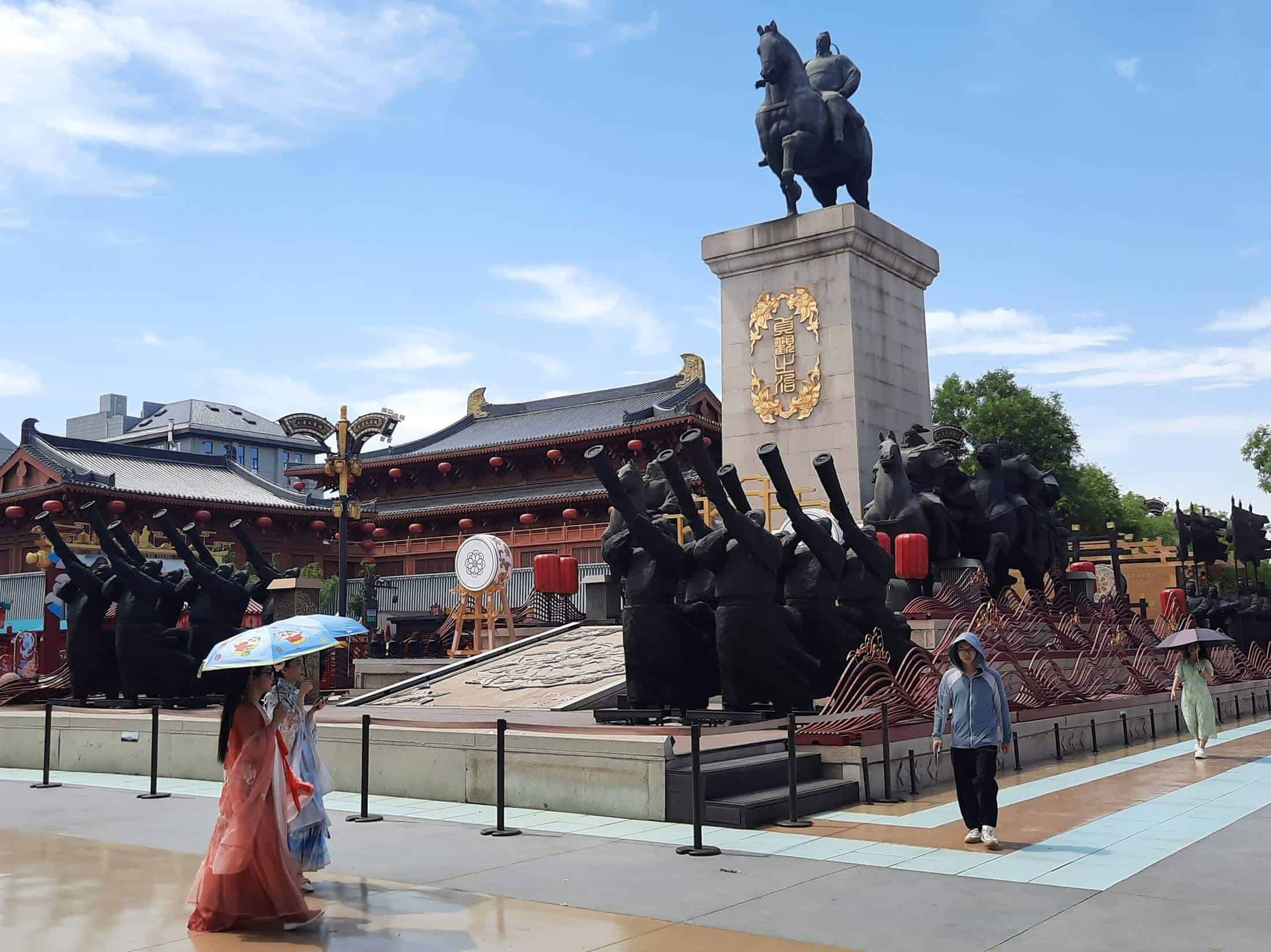
Xi'an is a popular stop for first-time visitors to China, and for good reason. The city is home to the Terracotta Warriors, often called the eighth wonder of the world.
Beyond its most famous attraction, Xi'an has a fascinating history. It was once one of China's most important cities and played a key role in the Silk Road, the ancient trade network that connected East and West through the exchange of goods, ideas, and culture.
Whether Xi fully lives up to the hype is something I'll touch on later, but there's no question that the city offers a memorable introduction to China's history and culture.
Things To Know Before Visiting Xi'an
Best Time To Visit XI'an
The best time to travel to Xi'an is during spring (April to June) and autumn (September to October), when the weather is more pleasant and allows you to explore areas like the city wall or the Terracotta Warriors with a bit more peace and quiet and in a milder climate.
Summer can be hot and very crowded, especially to see the Terracotta Warriors, while winter is colder but less crowded. It's also best to avoid major holidays in China, such as the Chinese New Year, as everything gets much more crowded than usual.
Getting Around Xi'an
To get around Xi'an, the subway is the best option for longer distances. Some stations you'll likely use are Bell Tower Station (right in the city center), Xiaozhai Station (near the museum and pagoda), and Xi'an North Railway Station (for high-speed trains).
For shorter trips, you can use a taxi or a ride-sharing service like DiDi. Within the historic center, many areas are easily explored on foot, especially if you are staying within the city walls.
First Day in Xi'an
To better organize the itinerary, I've divided the day into morning, afternoon, and evening.
Morning
We'll start the day with Xi'an's biggest attraction: the Terracotta Warriors. The complex opens at 8:30 a.m. and is about 40 km from the city center, so allow half a day for the visit, including travel and time to explore the site.
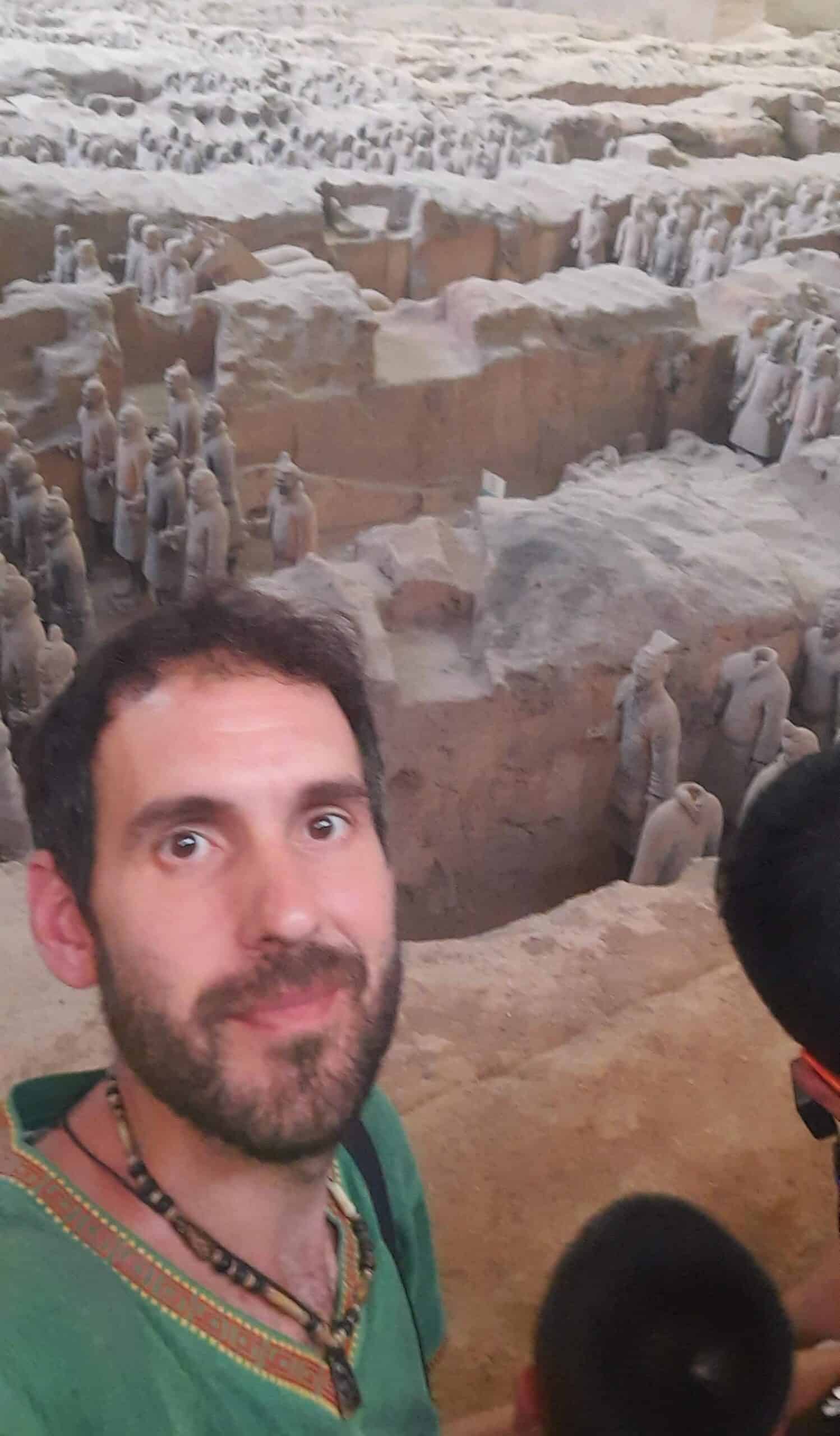
Ideally, you should arrive as early as possible to avoid crowds, although this is often difficult in China.
As I mentioned at the beginning, the Terracotta Warriors are often referred to by the Chinese themselves as the "eighth wonder of the world." We're talking about thousands of life-size figures, each with distinct features, created more than two thousand years ago to accompany China's first emperor in the afterlife.
The level of detail, the sheer scale of the discovery, and the fact that they remained buried for centuries make it a truly impressive work.
But the reality can be quite different from what you might expect. I made the mistake of going on a weekend, and it was completely packed. At times, it even felt like you couldn't breathe.
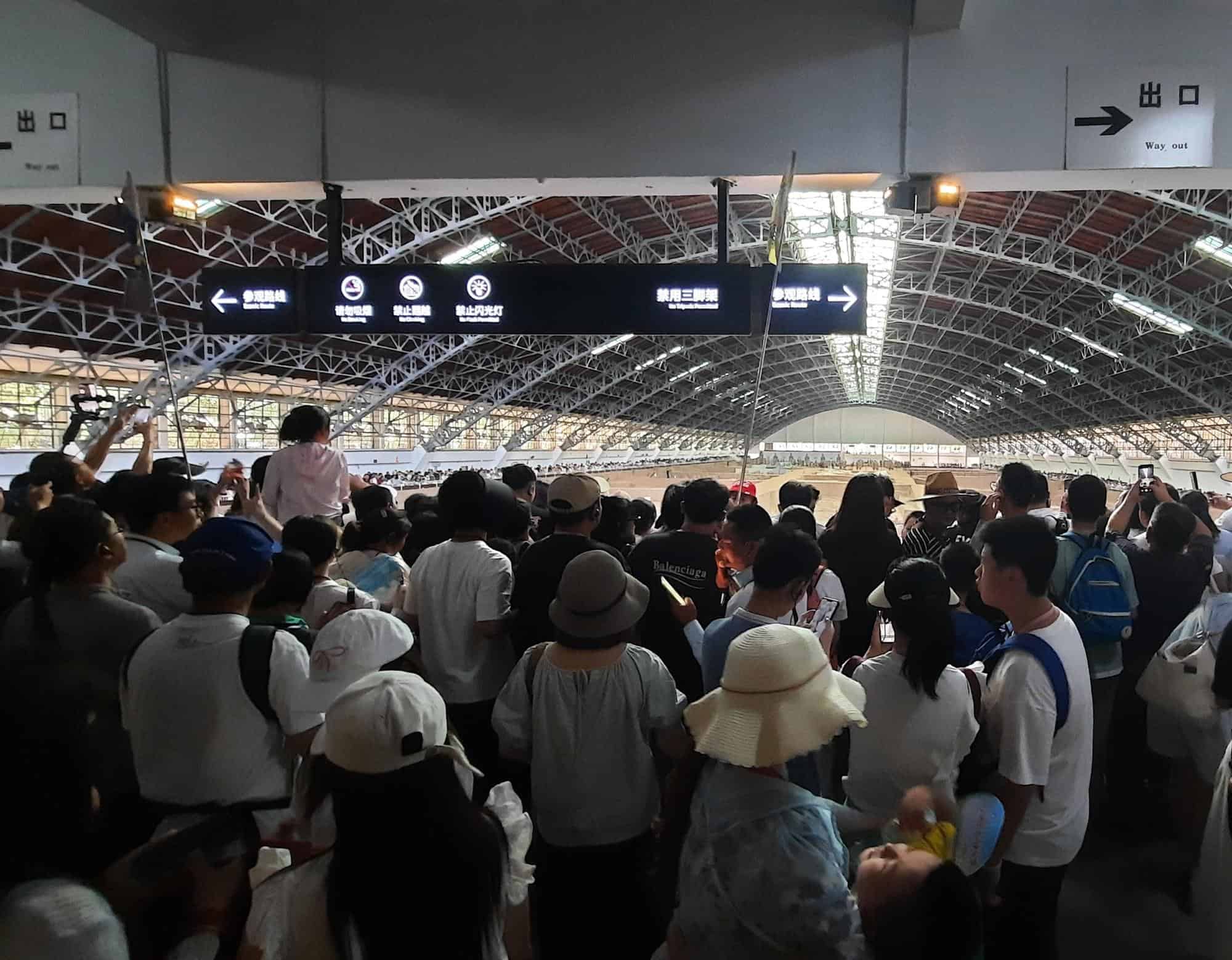
There were so many people, shouts from local tourists, some pushing and shoving, people with megaphones. That level of chaos meant that, at times, the warriors were relegated to the background because they were difficult to appreciate in a calm light.
Therefore, despite how incredible the place is, I think it's important to have more moderate expectations and, if possible, avoid the busiest times.
How To Get to the Terracotta Warriors
The Terracotta Warriors are about 25 miles (40 km) from the center of Xi'an, so it's best to plan your transportation carefully.
- Bus: From the Xi'an Bell Tower area or the Xi'an Railway Station, take tourist bus 306 (also called line 5). The trip takes between 1 and 1.5 hours and drops you off practically at the complex's entrance.
- Organized tour: This includes transportation, entrance fee, and a guide. It's more expensive, but you avoid waiting for public transport.
- Taxi or DiDi: You can use a taxi or the DiDi app. The trip takes about an hour. It's more comfortable, and if you're traveling in a group, it can be a good option.
- Subway + bus: You can combine public transport, but it's not as direct or convenient as the tourist bus. It's only worthwhile if you want to save as much money as possible.
Afternoon
Back in the city, it's time to explore the Xi'an City Wall, one of the best-preserved in China. You can walk it or rent a bike to cycle around it.
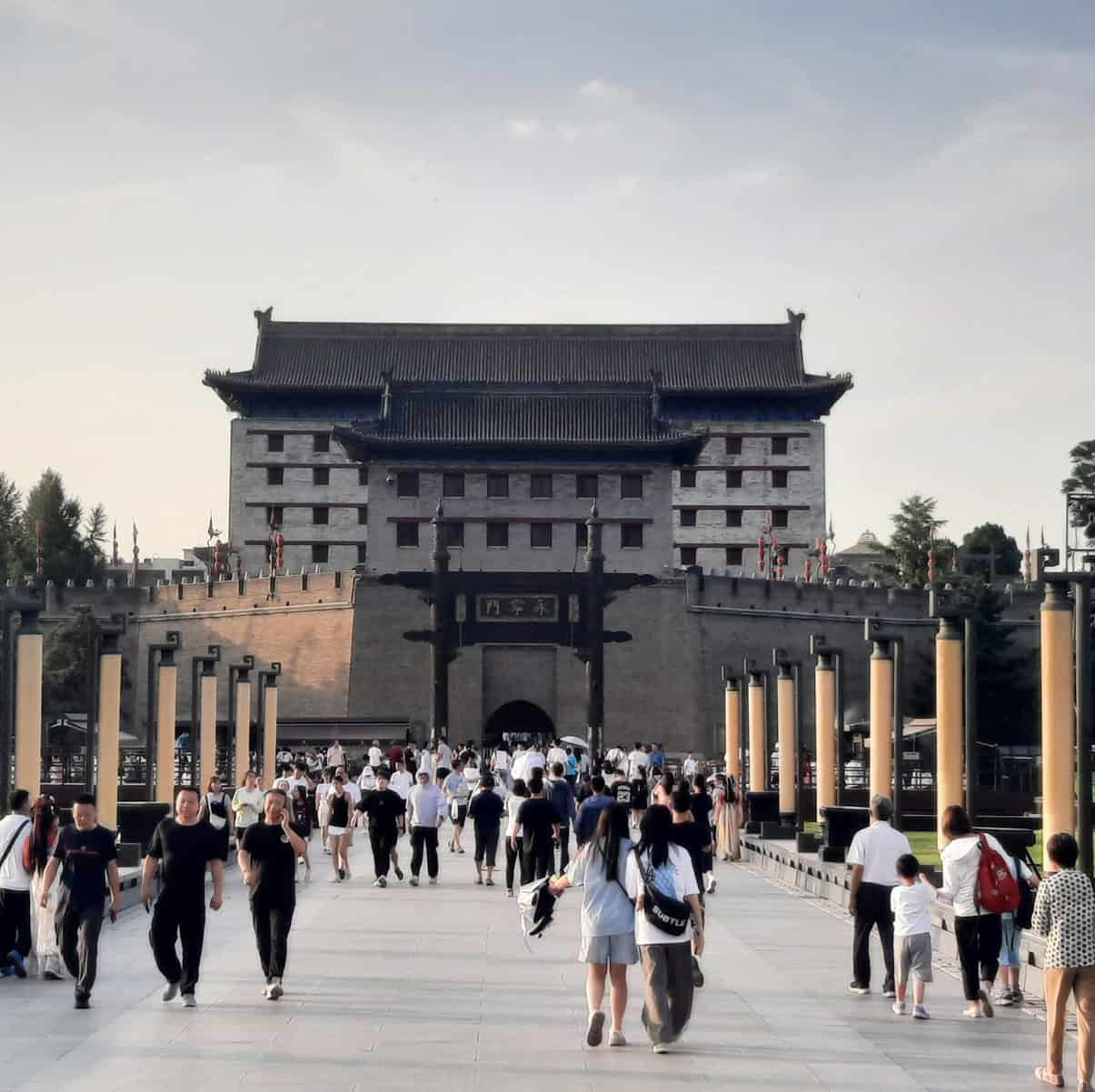
A complete circuit of the wall by bike usually takes between 1.5 and 2 hours, depending on your pace. The total distance is about 8-9 miles (13-14 kilometers) and is completely flat, so it's not strenuous.
The most common entrance is the South Gate, which is the best maintained. There are other entrances, such as the North Gate, which is less crowded but a bit further from the city center.
Once you're on the wall, you can rent a bike directly there and do the entire circuit or just a section if you don't want to do the whole loop.
Evening
To end this first day, we head to the Muslim Quarter, one of the most interesting areas of the city. It consists of several streets lined with food stalls, shops, signs, and architecture that is distinct from the rest of Xi'an. You can spend a pleasant time strolling through its streets and browsing the variety of goods on offer.
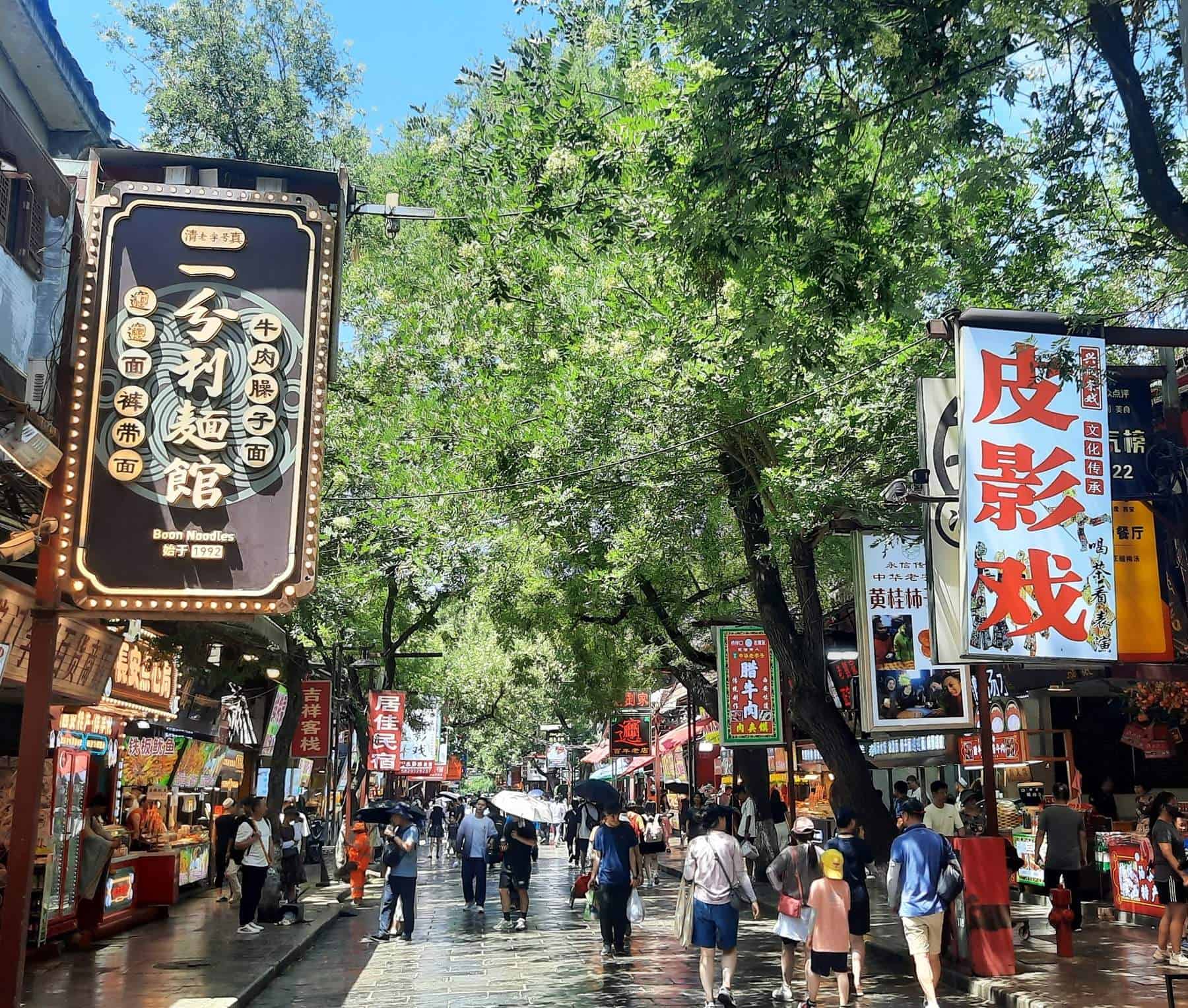
The most important landmark in the neighborhood is the Great Mosque of Xi'an, one of the oldest in China. It doesn't feature typical Middle Eastern architecture; instead, it's built in the style of traditional Chinese temples, with courtyards, gardens, and pavilions, in true Zen style.
You can also visit the Bell Tower and Drum Tower of Xi'an, which are right next to the Muslim Quarter. While there isn't much to do besides admire them (you can go inside if you're interested), it's a good place to end your day.
Second Day in Xi'an
Morning
On this second day, we begin by visiting the Shaanxi History Museum, one of the most comprehensive in China. Its collection spans various dynasties, with a special focus on the Silk Road and Xi'an's role as a hub of cultural and commercial exchange.
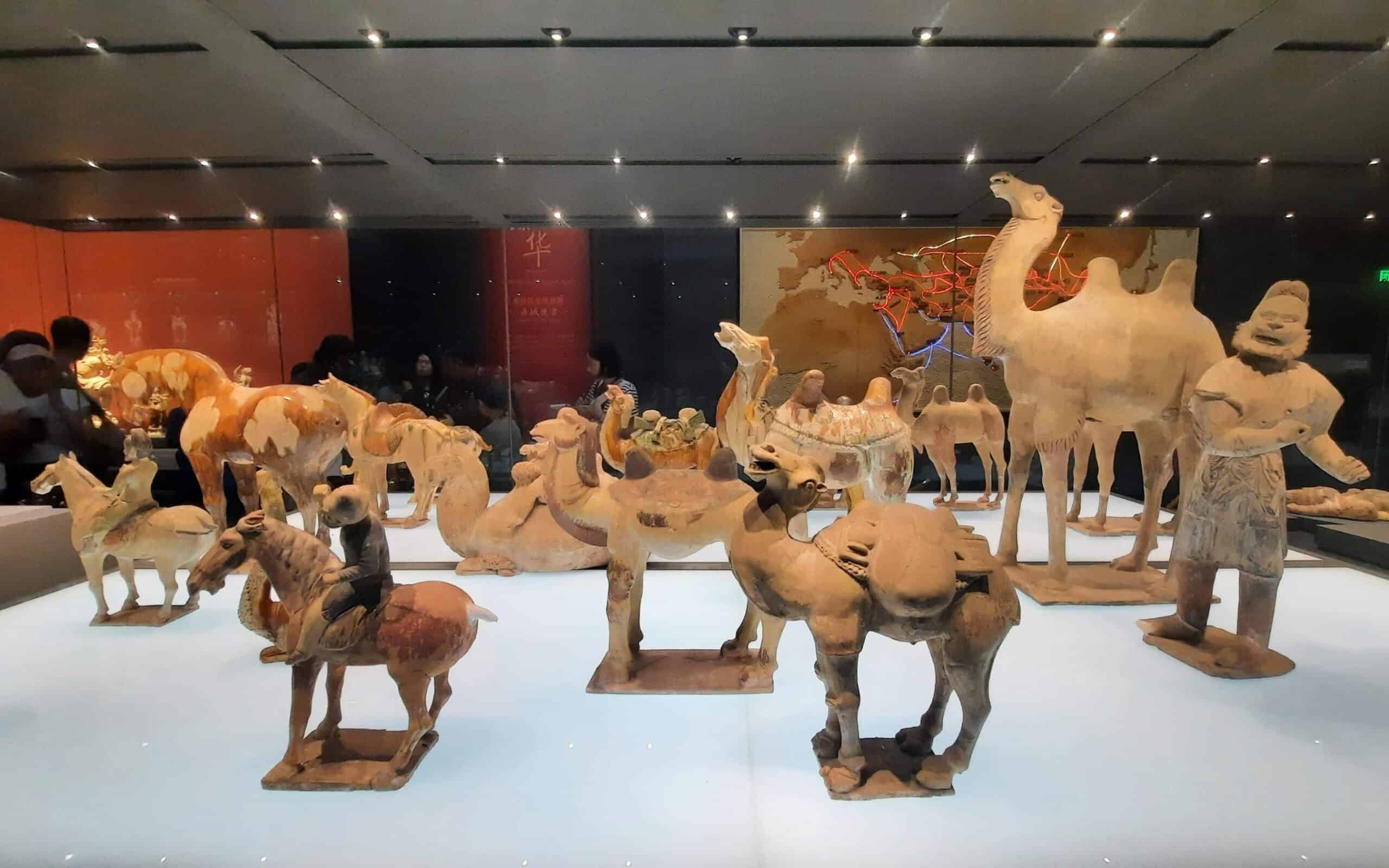
In addition, the museum also displays artifacts related to the Terracotta Warriors, complementing the previous day's visit. It's a large museum, and seeing it in detail can take several hours.
The most convenient way to get there from the city center is by subway. You can take Line 2 to Xiaozhai, then walk a few minutes to the museum.
Afternoon
The Great Wild Goose Pagoda is about a 10-15-minute walk from the museum. It's one of Xi'an's historical symbols, built in the 7th century during the Tang Dynasty to house Buddhist texts brought from India by the monk Xuanzang.
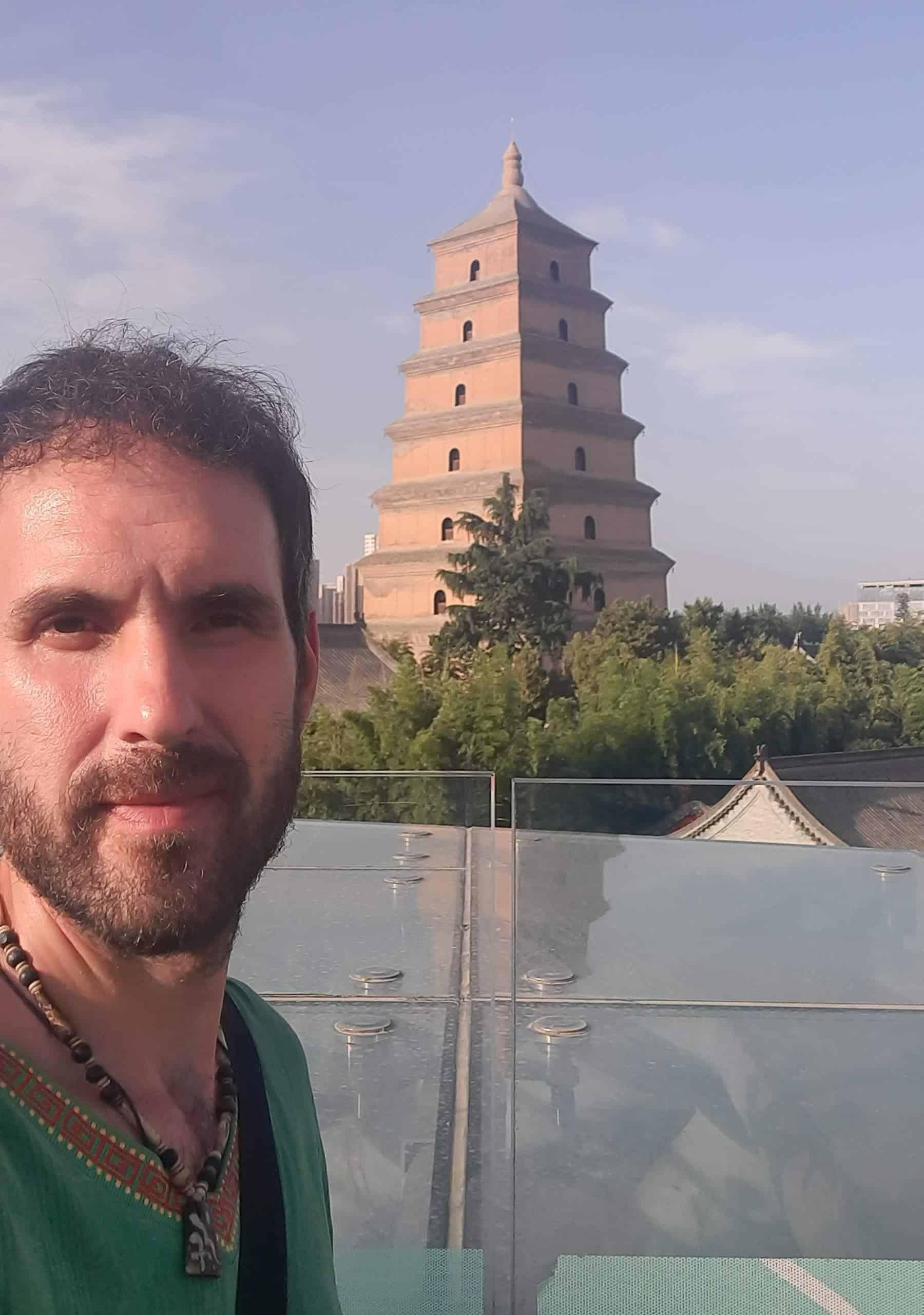
In addition, the area surrounding the Pagoda features several open spaces with squares and gardens, perfect for a leisurely stroll.
Not far from the pagoda, also within walking distance, you can visit Tang Paradise, a theme park inspired by the Tang Dynasty. It's a large space with lakes, pavilions, and buildings that recreate the style of that era.
Although it's quite artificial and geared towards tourism, and you have to pay to access most of the attractions, it has lovely green spaces where you can walk and relax.
Evening
After exploring Tang Paradise, as night falls, you can continue walking to Xin Tang Ren Street. This pedestrian street connects the Great Wild Goose Pagoda with Kaiyuan Square.
It's one of my favorite areas in Xi'an. It's full of brightly lit shops, street decorations, small shows, galleries, and many places to eat. It gets quite crowded, especially at night, but in this case, I felt that it added to the atmosphere.
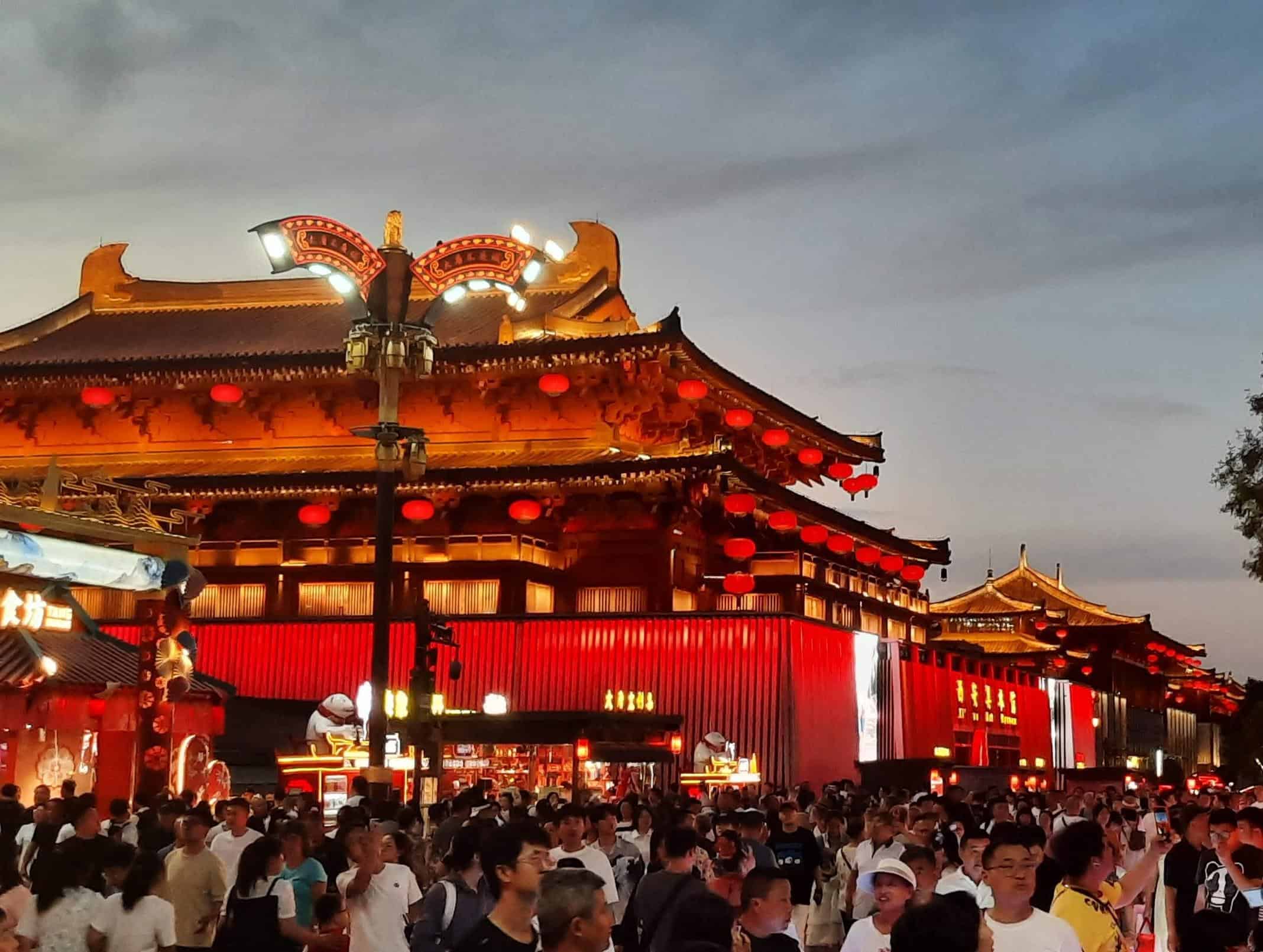
I find it best enjoyed at night. Between the lights, the activity, and the free shows, I think it's a great way to end the day.
Final Thoughts
Xi'an is a destination often included in a first China itinerary, and visitors typically arrive with high expectations, especially because of the Terracotta Warriors. While it is a unique place, the experience can be somewhat limited by the crowds that often gather at the complex.
Many travelers also combine Xi'an with other destinations in central and western China, including Chengdu, known for its giant pandas, Sichuan cuisine, and laid-back atmosphere.
Beyond that, Xi'an's true value lies in its history and cultural heritage. It may not be the most visually striking or modern city; some might even find it a bit monotonous. However, if you explore it with the intention of understanding its past, it becomes much more interesting and enjoyable.