In 2011, Lima's Astrid & Gastón was ranked #42 on The World's 50 Best Restaurants list. It was one of only three restaurants in Latin America to make the illustrious list, with the majority being located in Europe and the United States.
Even if I had been planning to travel to these regions, I knew such restaurants would likely be cost-prohibitive.
But since I was already on the verge of visiting Peru in South America, where the U.S. dollar is worth more, the chance to dine at Astrid & Gastón immediately made my shortlist.
[Note: Since I wrote this, Astrid y Gastón restaurant moved to a new location at La Casa Moreyra, a restored colonial mansion in Lima's San Isidro district.]
Traditional Peruvian cuisine is currently enjoying its time in the limelight, the benefactor of positive press in publications from Food & Wine to The New York Times.
Chef Gastón Acurio is one of the leaders of this movement to bring Peruvian food to the forefront, so what better place to explore Peruvian gastronomy than his flagship restaurant.
Acurio runs the eponymous restaurant with his wife, Astrid Gutsche, an accomplished pastry chef.
By the time I reached Lima, I'd already been in Peru for a month, having zig-zagged my way down the country, trying to enjoy the mountains and the coast.
Along the way, I'd slowly begun to discover typical dishes such as cebiche and causa.
I then spent several weeks in Lima, both before and after my trip to Cusco and Machu Picchu. I dined at Gaston Acurio's other restaurants, including Panchita and Tanta.
I continued to eat all around Astrid & Gastón, even though it was just a few blocks from the apartment I was renting.
I knew I wanted to have the 11-course tasting menu (170 Soles or $63), which, according to the website, would require three hours of my time.
I was excited by the food I'd get to try and petrified of being bored out of my gourd eating alone for so long.
The Restaurant
The day before I was due to fly back to Florida for Christmas, I made a determined walk over to Astrid & Gastón at 12:30 p.m., just as the restaurant was opening for lunch.
Located on a nondescript side street a few blocks from Avenida Larco and Parque Kennedy, a doorman outside welcomed me in, and the adventure began.
I was greeted by a cheerful woman standing behind a large reception desk. It felt more like I was walking into a home than a restaurant.
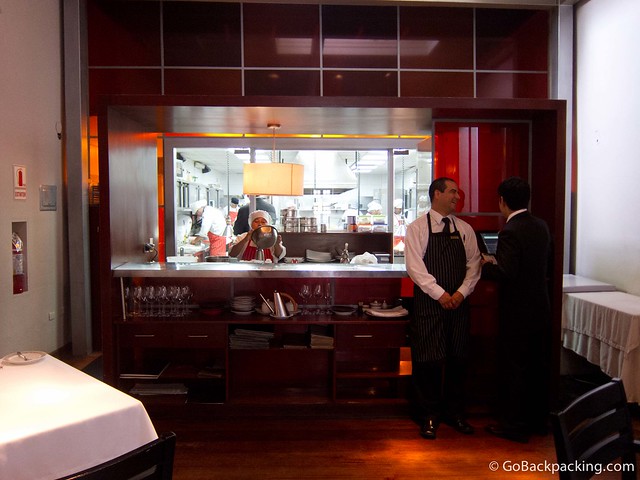
I asked if the tasting menu was available, and she said yes. Then I was ushered to a table directly in front of the kitchen. It appeared as though I was one of the first diners to be seated that afternoon.
In addition to the main room, which featured a view into the busy kitchen, there was a smaller, more private wine room and a bar area that would be perfect for sampling cocktails and finger food.
Related: Latin America's Best Restaurants
The Peruvian Food
I cracked open the oversized menu and flipped through the options, even though I already knew what I would order. Foie gras, duck, tuna, sea urchin, cuy. And those were just the appetizers.
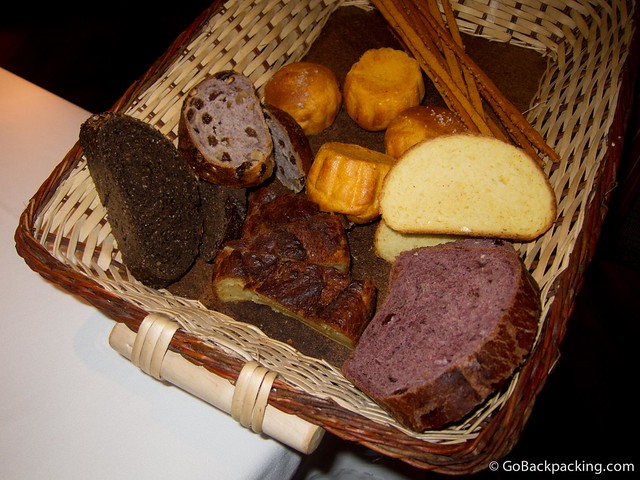
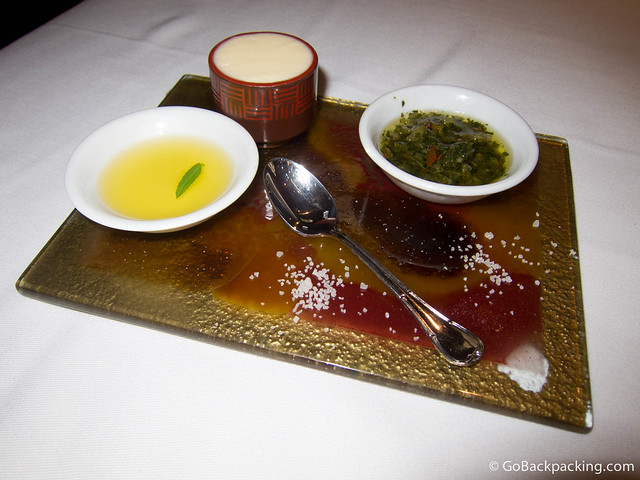
An interesting note featured prominently above the first page, indicating that as part of the dining experience, for 14 Soles ($5), you'd receive fresh bread and three sauces, a tray with three appetizers, and a box of 10 sweets at the end.
[Though I didn't say anything, I was soon presented with the bread, so these extras are provided unless you state otherwise.]
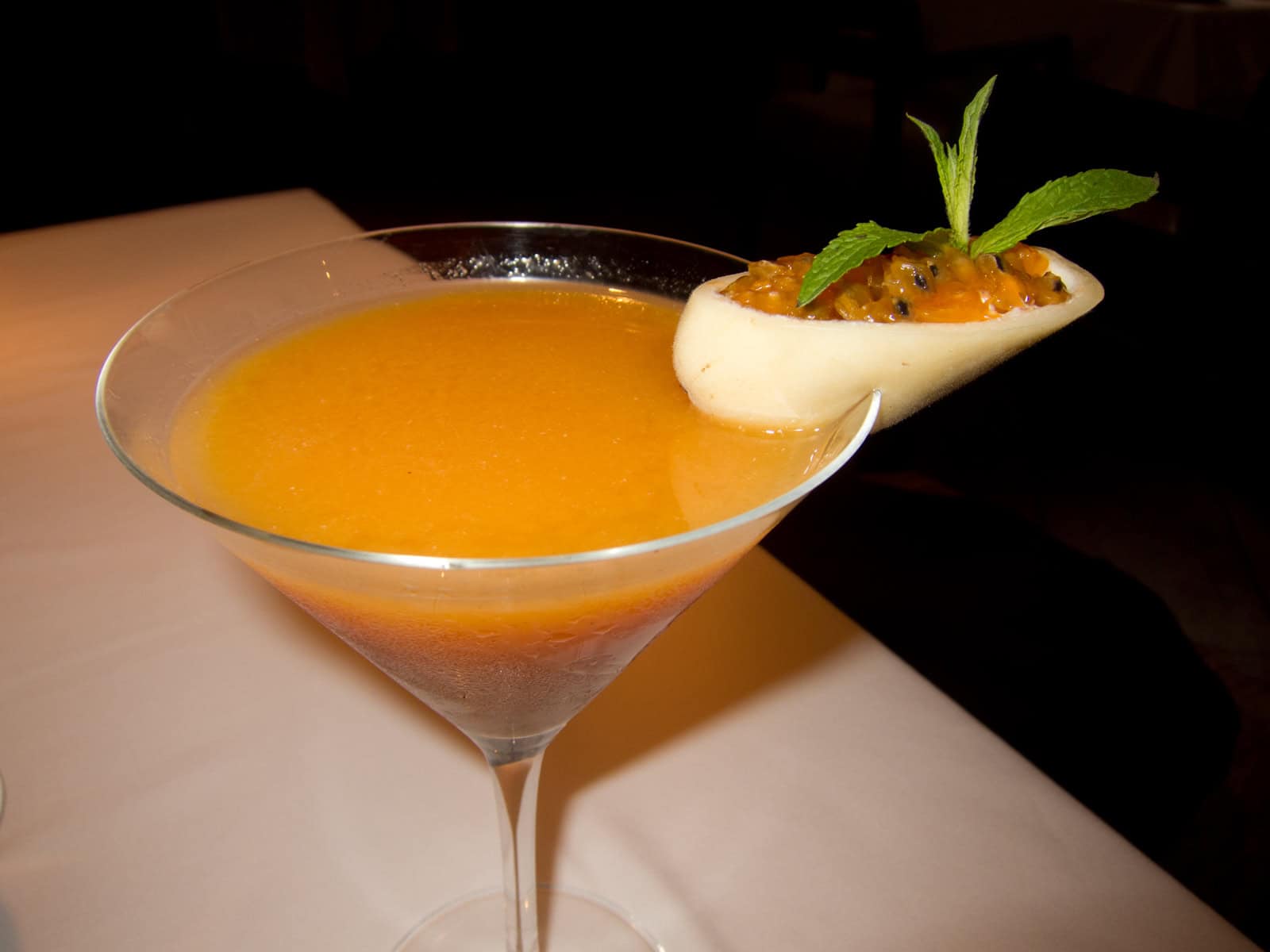
To celebrate the dining experience, I ordered a maracuya sour, which I enjoyed much more than standard pisco sour.
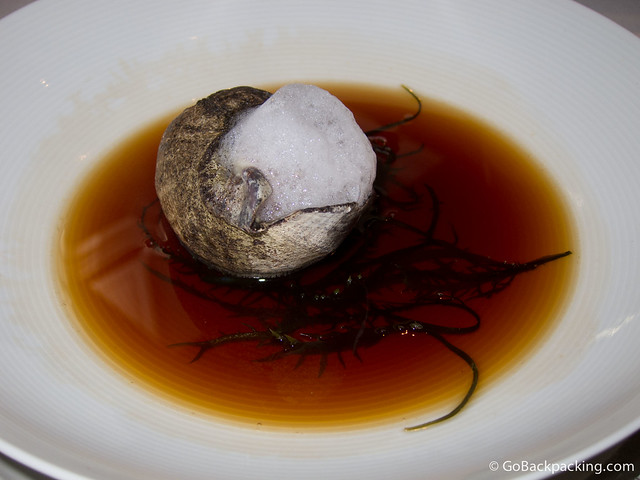
The first plate immediately challenged me with a sea snail. I liked the presentation, but I was unsure how to get the meat out of the shell. Thankfully, when I poked my fork inside, the snail slipped out with great ease.
The snail meat lacked flavor, and I found it rather tough to chew. However, the rich brown broth saved the overall dish.
See also: How Anthony Bourdain Inspired Me
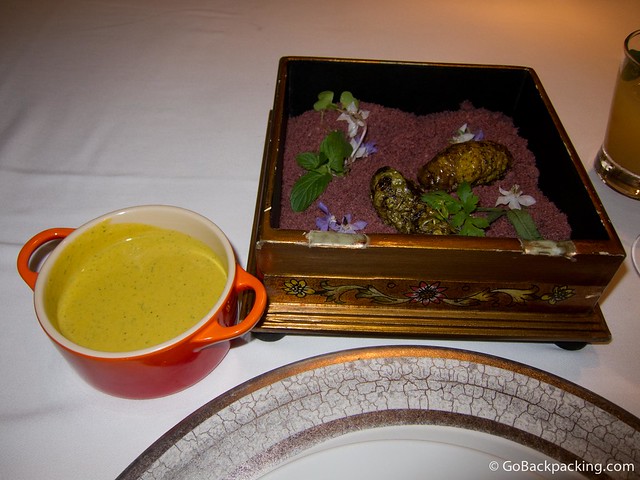
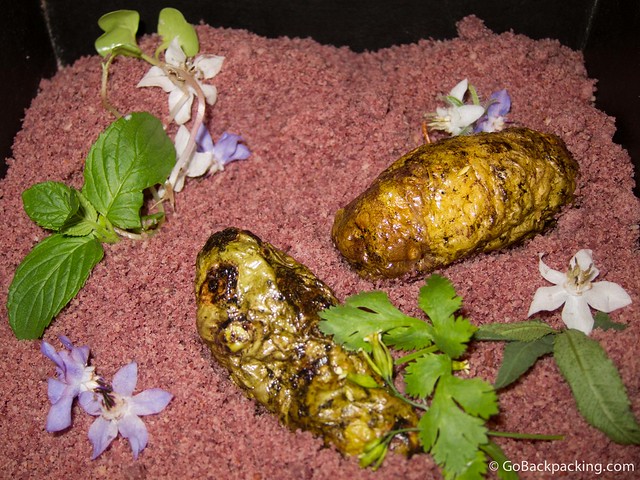
Next, I was presented with a wooden lacquer box. Inside, Andean tubers, herbs, and fresh flowers were delivered on a bed of shredded almonds.
I LOVED the presentation-colorful, playful, and fun. But there's no getting around the fact that the tubers look like turds.
Not only that, but they were also tough to cut with the regular knife I was using.
A serrated steak knife should've been offered unless the tubers were that tough because they were either under or overcooked.
Again, I appreciated this dish more for its novelty factor and presentation than the actual flavors. The mustard sauce was appreciated.
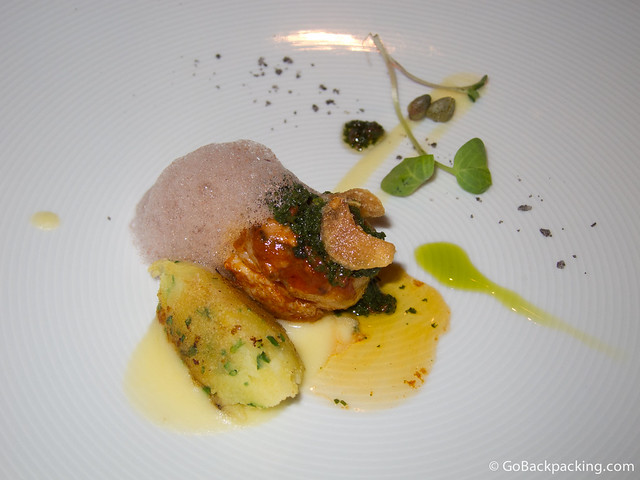
The lobster dish was a welcome change-lots of flavor with a sophisticated presentation. This was one of my favorites.
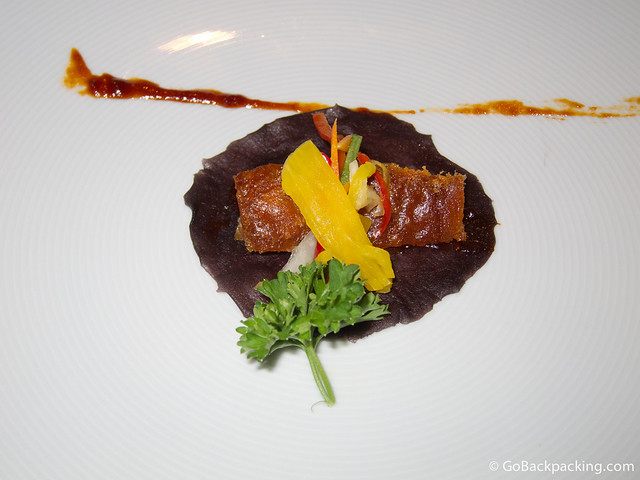
The cuy taco was a fun way to pay homage to the all-important guinea pig, which is typical of Andean cuisine. I'd eaten it twice in Ecuador before arriving in Peru.
I rolled up the little taco, and it was gone in a few bites. Spicy, crunchy, delicious.
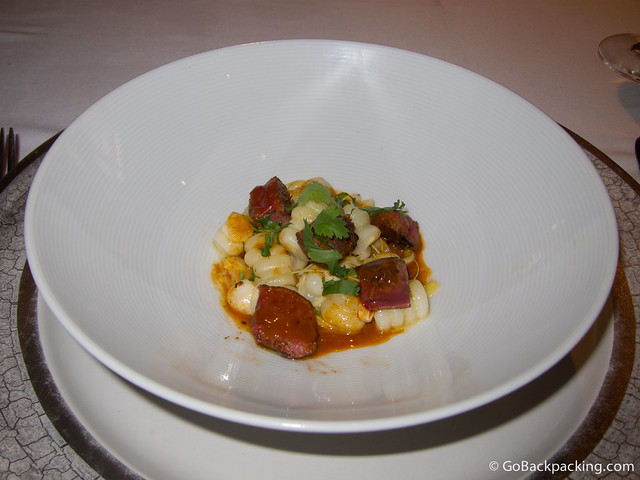
Course #5 was a little bit of chicken liver mixed with corn. Peruvians love their big white corn kernels, but I prefer the yellow corn I grew up on in the USA. Still, it works fine for me in small doses, as presented here.
I'm a fan of the occasional foie gras (duck liver); however, this was the first time I'd eaten chicken liver, and it was cooked perfectly, melting in my mouth.
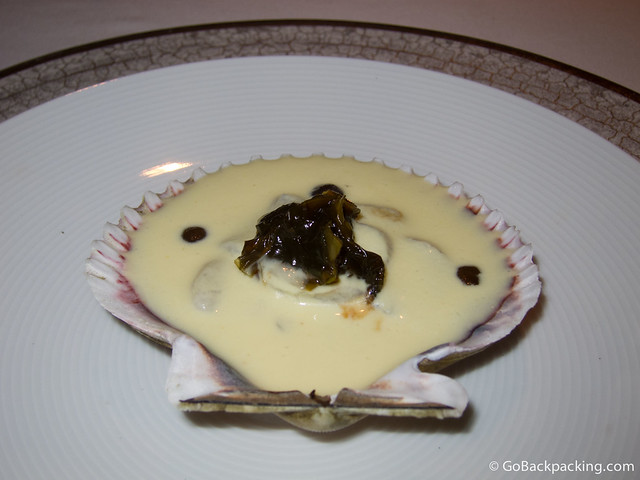
In dish #6, presentation once again plays a key role. Ojo de Tigre is the term for the seafood juices of cebiche, and in this case, the cebiche was presented with a rich and creamy Ojo de Tigre.
Like the liver before it, the white fish melted in my mouth.
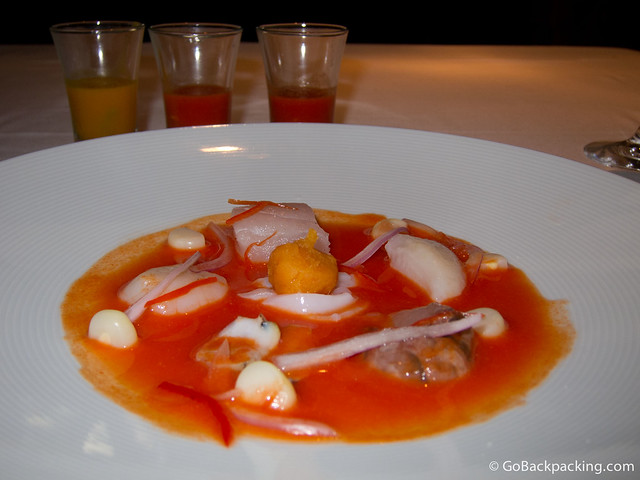
Dish #7 was the main event for cebiche lovers, featuring fish, scallops, octopus, and another sea snail. It was the most colorful dish, as well.
Three shot glasses of pepper sauce were also presented, and if I understood the instructions correctly, I was to take the shooters after finishing the cebiche.
Cebiche in Peru is typically spicy, and I was already feeling the heat. I then started taking the very flavorful shots of pepper sauce until my mouth was on fire. I couldn't finish them.
By this point, two hours into lunch, I felt full from the excellent food and sleepy. Part of me wanted to tap out and go home so I could lie down.
But I was in this for the long run, and besides, I couldn't leave before the desserts arrived.
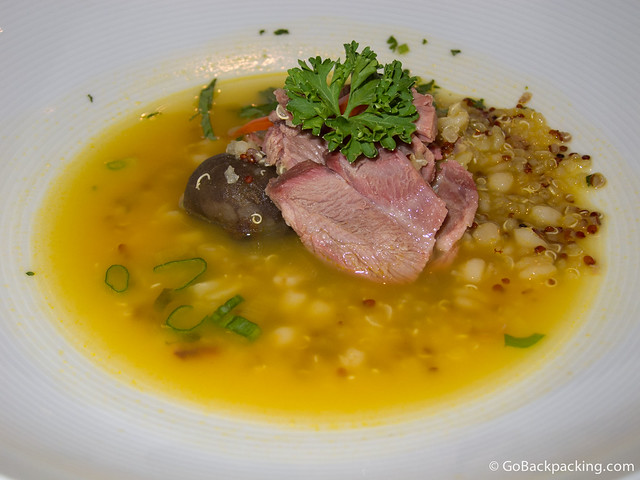
Time for the protein dishes, like a perfectly cooked lamb in light and yummy broth. I would've enjoyed this dish alone as the main course.
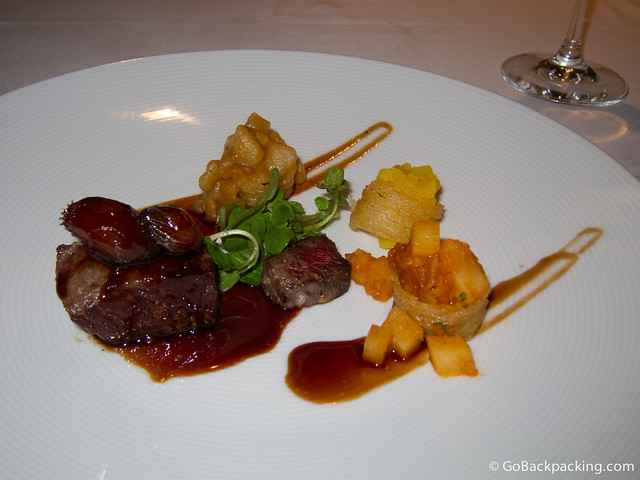
Dish #9 was another one of my favorites from the lunch because of the sweet raspberry sauce and how three different varieties of potatoes were incorporated.
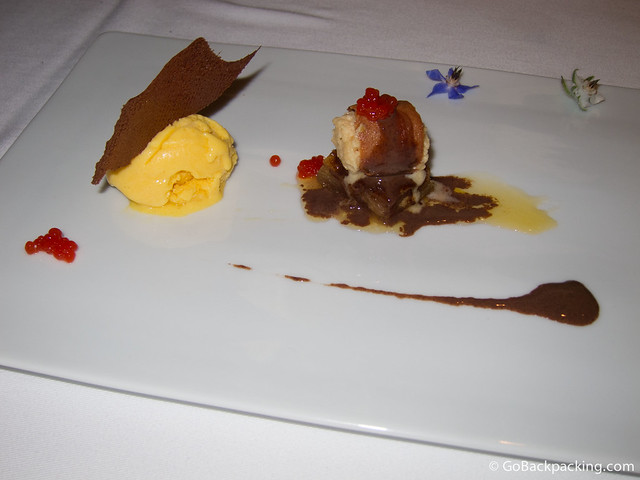
When it comes to desserts, I'm a simple guy. A slice of decadent chocolate cake or rich chocolate mousse, and I'm happy. The keyword is chocolate.
The highlight of the first dessert, course #10, was the spicy aji ice cream. To the right of it was a small square of apple crumble.
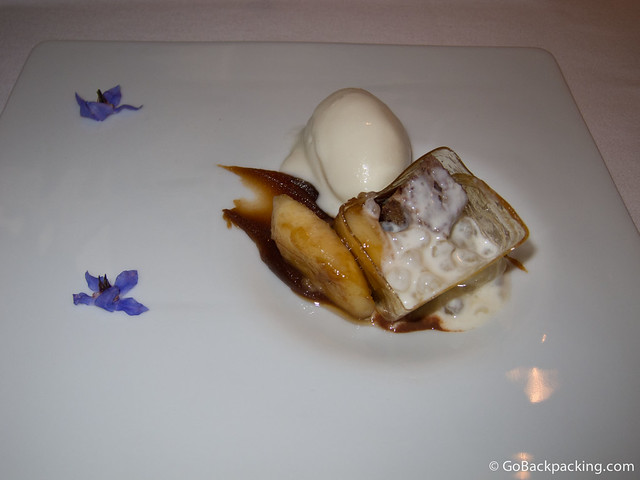
The 11th and final dish was a dessert incorporating bananas and vanilla ice cream.
There's more to it than that, as you can tell from the sugar-based shell that contains something else, but I couldn't keep up with the waiter's explanations.
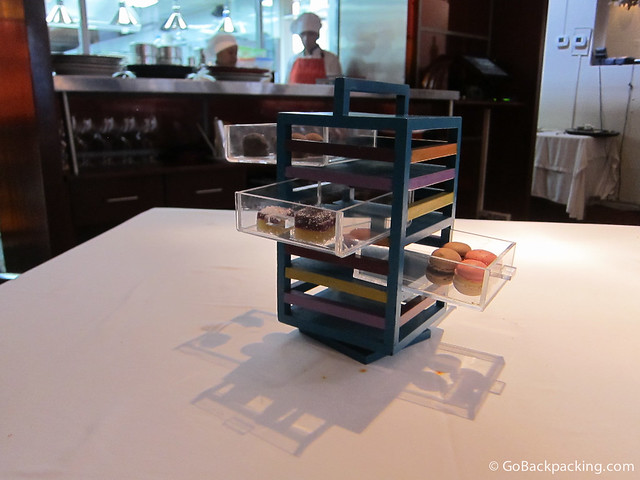
And just when I thought I'd crossed the finish line, I was presented with a box of 10 sweets, just as the note on the menu had promised.
Chocolate truffles. Bite-sized macaroons and another sweet I didn't try-the nails of sugar in my coffin.
Service
Overall, the service was fantastic, as you'd expect at one of Peru's and the world's best restaurants.
I appreciated that they sat me at a prominent table right by the front of the kitchen. Being exposed to an open kitchen is one way to keep yourself occupied when eating alone.
While things got off to a little of a slow start, dishes were soon coming out at a consistent pace, and the whole lunch lasted three hours as expected.
At one point, a Peruvian couple with a baby sat down at the table next to me.
The mother held the sleeping baby in her chair when their waiter brought over another and created a little bed out of two empty chairs.
He put a napkin down on the chairs and placed another on top of the baby like a blanket, and it was so cute.
Atmosphere
As more and more diners arrived, the room filled with chatter. The background music was loud enough for me to identify a favorite song, Kothbiro by Ayub Ogada, featured in The Constant Gardener.
Cost
The final bill for the 11-course tasting menu, including cocktail, tax, and tip, was $95-a real deal by U.S. standards.
Final Thoughts
The menu challenged me. I wouldn't say I liked every course, but I don't think that's the point. If it were, I'd have ordered a single entrée instead.
The lobster, cuy, and lamb were highlights, and I won't be bothered if I never see another Andean tuber again.
Spending an afternoon exploring Peruvian ingredients at Astrid & Gastón, from the common to the exotic, was an absolute pleasure.
Astrid y Gastón: Av. Paz Soldan 290, San Isidro 15073, Peru, astridygaston.com