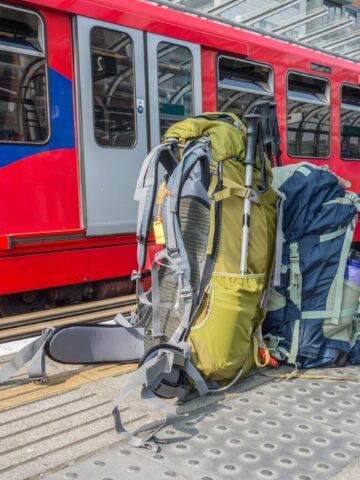
Four months into a trip through South America, a long-term traveler can suddenly find their bank has flagged them as fraud. There may be no warning. The card is declined at the counter, the app refuses to open, and the only option is a phone number that does not accept calls from outside the account's country.
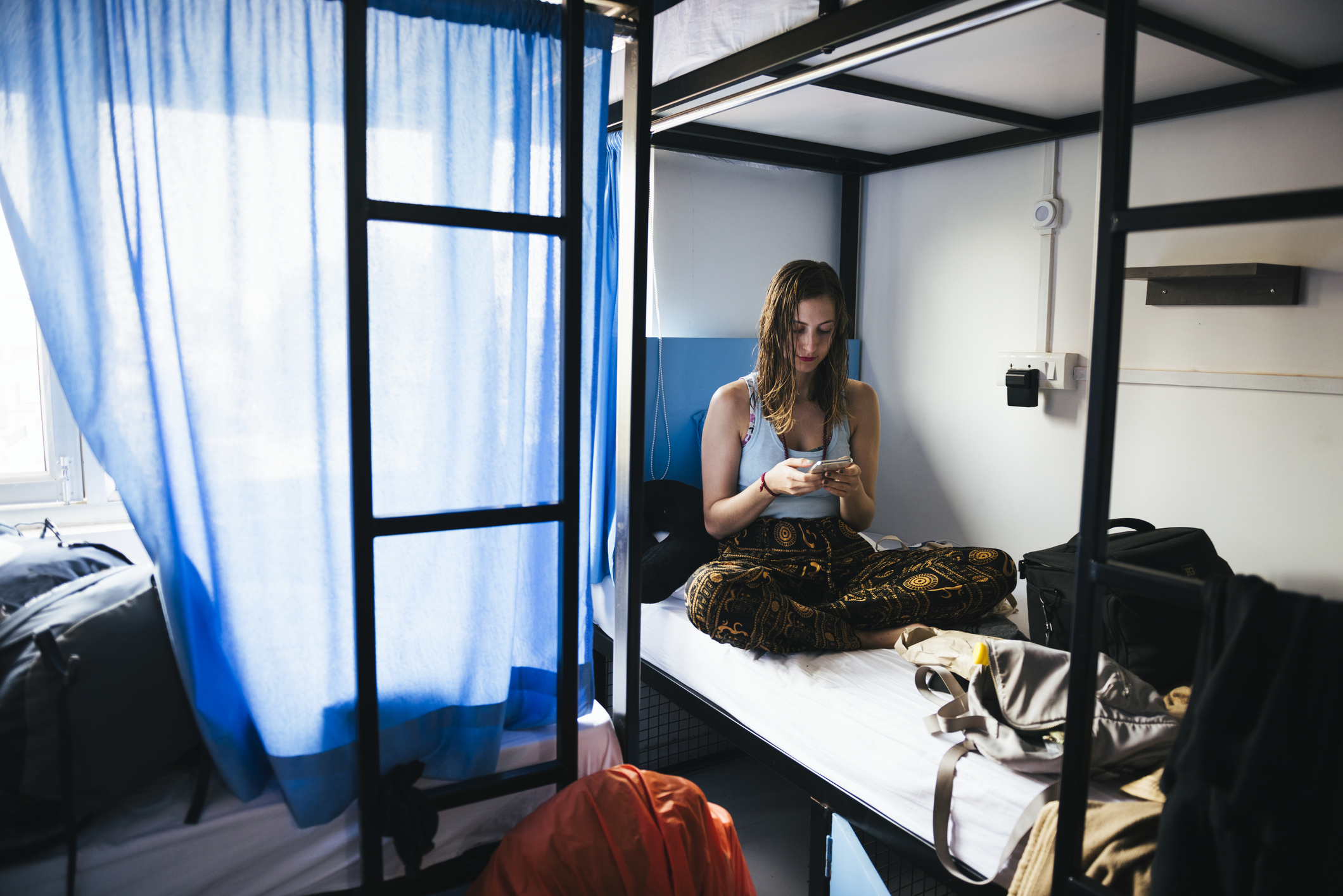
Long-term travelers often encounter this problem, which is rarely triggered by the transaction alone. The connection also has a part. Banks and payment processors review factors like location, network reputation, and connection type when assessing a login. A ProxyWing ISP proxy provider uses IP addresses registered to internet service providers rather than data-center IPs, which helps explain why different connections may be classified differently.
Why Unfamiliar Connections Can Trigger Account Lockouts
What Actually Trips the Alarm
It is seldom the amount you spent. It is the shape of the session.
- Speed of movement matters. A login from Peru eleven hours after one from Colombia is fine, but eleven minutes is not.
- The reputation of the network matters. Hundreds of people share hostel and cafe Wi-Fi, and if any have done something suspicious, the address carries that history.
- Connection type. Traffic that looks like it comes from a data center rather than a home or a phone gets scored much more harshly, which is why certain VPNs make things worse rather than better.
- Doing something unusual at the same time. Changing an address or adding a payee from an unfamiliar country is what turns a flag into a lock.
The Two-Factor Problem Nobody Plans For
Losing a phone at home is inconvenient. Losing it in month five of a trip can lock you out of everything at once because the phone is usually the second factor for the bank, the email that lets you reset the bank, and the authenticator app that protects the email.
The chain matters. If your recovery codes are stored in the email account that needs the authenticator on the lost phone, you have a loop with no way in. This is the most common way travelers get genuinely stuck rather than merely inconvenienced, and it takes about fifteen minutes to prevent.
- Print the recovery codes for your email plus primary bank on paper, carried separately from the phone.
- Add a second authenticator device if any of your accounts allow it. An old phone without a SIM works fine and can be kept at the bottom of the bag.
- Check whether your bank's two-factor works over SMS only. If it does, a local SIM will break it, so you need to know before you swap the card rather than after.
What To Do Before You Leave
The single most useful thing is boring. Set up a second account at a different bank, fund it, and carry the card separately. Everything else on this list is optional, but that one is not.
- Register a travel notice if your bank still offers one. Many have quietly dropped them.
- Make sure your phone number on the account is one you can actually receive calls on abroad, not just texts.
- Download the offline recovery codes for anything that uses an authenticator app.
- Take a photograph of the back of your cards, cropped so the number is not fully visible, and store it somewhere you can reach without your phone.
- Tell one person at home which banks you use. If you end up needing someone to receive a letter or make a domestic call on your behalf, this saves a day.
How Different Connections Get Treated
| Connection you are using | How a bank tends to score it | Practical result |
| Local SIM with mobile data | Low risk, looks like an ordinary phone | Usually fine |
| HotelWi-Fii | Medium, shared but stable | Occasional extra verification |
| Hostel or cafeWi-Fii | Higher, heavily shared | Verification, sometimes a lock |
| Commercial VPN | High, recognized as a data center range | Frequently blocked outright |
| Residential connection at home | Lowest | The baseline everything else is measured against |
| AirportWi-Fii | High, transient and shared | Avoid logging into banking entirely |
| Tethering from your own phone | Same as the phone itself | The best option on the road |
The general pattern is similar across many banks: the closer a connection looks to an ordinary home line, the less friction a traveler is likely to encounter.
The closer your connection looks to an ordinary home line, the less friction you get. This is also why the free VPN people install for privacy tends to be the thing that locks them out.
Which Accounts Survive Travel Better
Not all banks handle this equally; the difference is structural rather than customer service. Banks built around mobile apps cope better because their fraud models assume people move.
Older institutions with branch-based verification cope worst because their recovery path assumes you can walk into a building.
The pragmatic setup most long-term travelers use is one app-based account for daily spending, one traditional account holding most of the money and rarely touched, and a card from a third provider kept separate from the wallet. It sounds excessive until the first lockout.
If You Are Already Locked Out
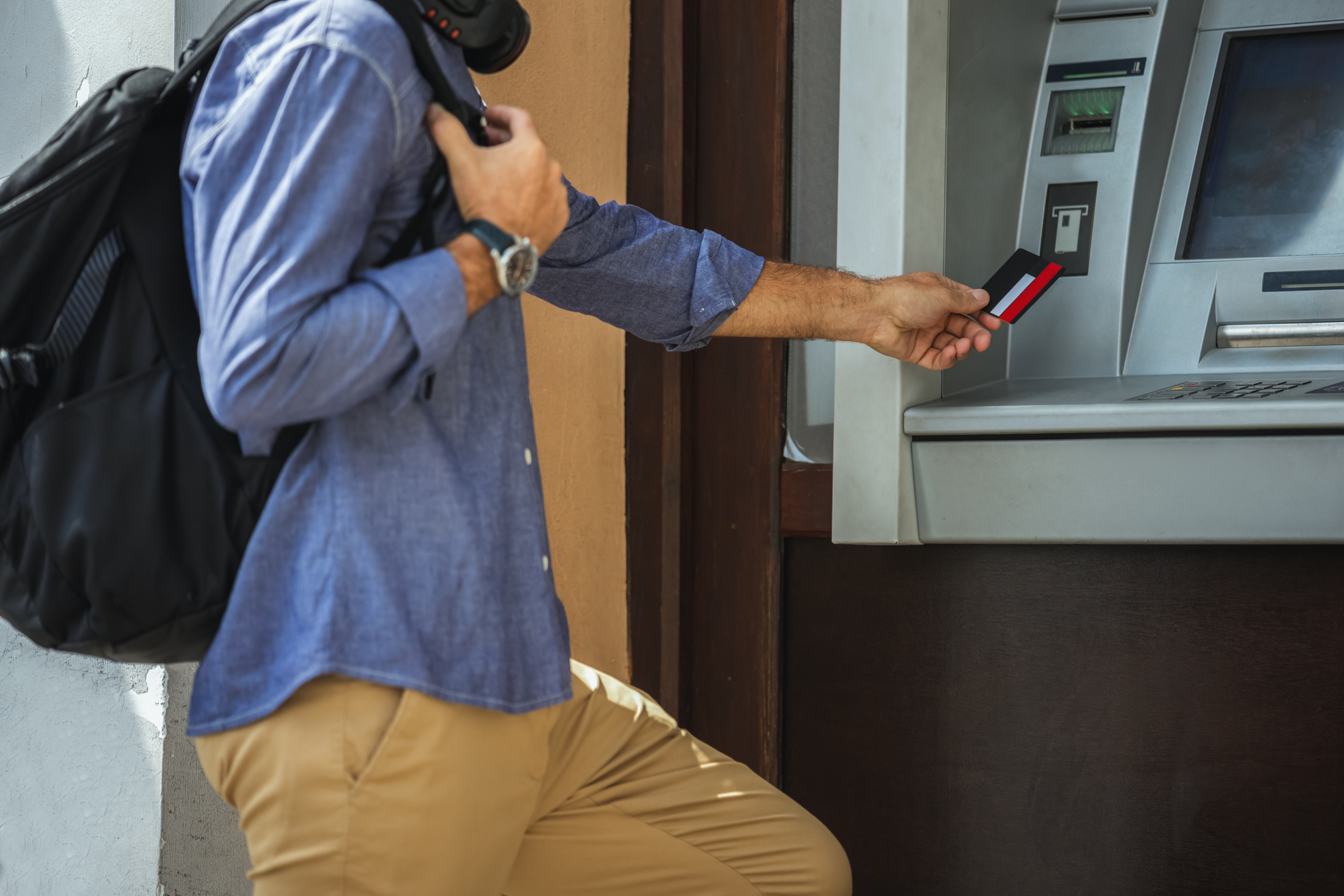
Do not keep retrying. Repeated failed attempts push the account further into lockdown and make the eventual phone call longer.
Find a dependable connection, ideally mobile data on a local SIM, and use the in-app message system if available. It is slower but works from anywhere.
If you do have to call, use a voice-over-internet service that presents a number in your home country. Many bank fraud lines will not accept an international caller ID at all, and this is the difference between resolving it today and resolving it next week.
FAQ
Will telling my bank I am traveling prevent this?
It helps for the first few weeks and then stops mattering. Most travel notices expire after thirty days, and many banks have removed them entirely in favor of automatic detection.
Is a VPN a good idea for online banking abroad?
Generally no. It protects the connection, but it makes you look less like yourself, and banks weigh that heavily. Use mobile data instead.
Why does my card work in shops but the app will not open?
Different systems score card payments and app logins. The card transaction has a physical terminal behind it, which is strong evidence you are there. The app login has only the connection.
How long does a lock usually take to lift?
If you can complete identity verification, minutes. If it needs a phone call to a domestic number, expect days. This is the main argument for the second card.
Does using the same connection every day help?
Yes, more than most people expect. Staying somewhere for a fortnight and using the same Wi-Fi builds a pattern the bank recognizes, which is why lockouts cluster in the weeks when you are moving fastest.
This article was published in partnership with ProxyWing.