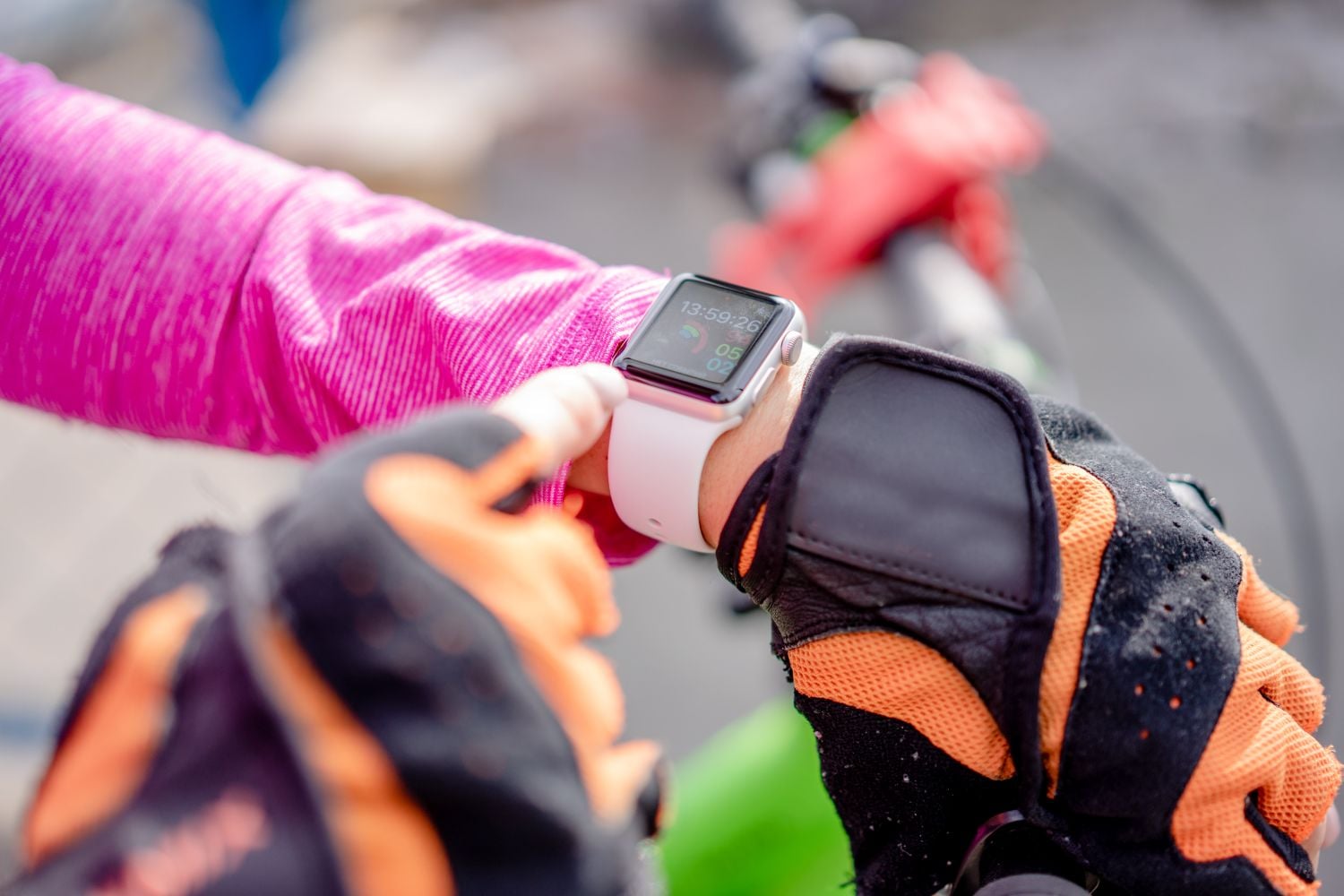
Backpackers and long-distance trekkers push their bodies beyond the typical limits of outdoor activity. As hikers move through mountain trails, explore remote forests, or spend days on rough terrain, food plays a large role in energy, endurance, and the overall experience.
Unlike regular travel, which is more carefree, carrying every item in your pack is a burden. The best snacks and meals are light, take up little space, are high in calories, and are easy to prepare.
Trail food goes beyond quelling hunger. What hikers pack affects their energy, muscle recovery, and mental sharpness during long, tough trips. The choice of snacks may be the difference between a great adventure and a hard-won experience.
What Makes a Great Backpacking Snack?
Backpackers' snacks must fit certain criteria. They should be high in calories but low in volume. Packers burn many calories per day, quickly depleting energy reserves, so high-calorie foods are a must.
Second, trail snacks should be lightweight and easy to carry. Backpackers out for several days with all their gear do not do well with large or heavy foods. Snacks that survive varying weather and rough handling are best.
Another issue is convenience. After hiking for many hours, most travelers lack the energy to prepare large meals. Ready-to-eat options are highly valued at that stage. It is also important that foods have a long shelf life because backpackers lack refrigeration.
Good backpacking snacks should be balanced. Carbs, protein, and healthy fats provide a quick pick-me-up and sustained energy throughout the day.
Classic Trail Snacks That Still Work
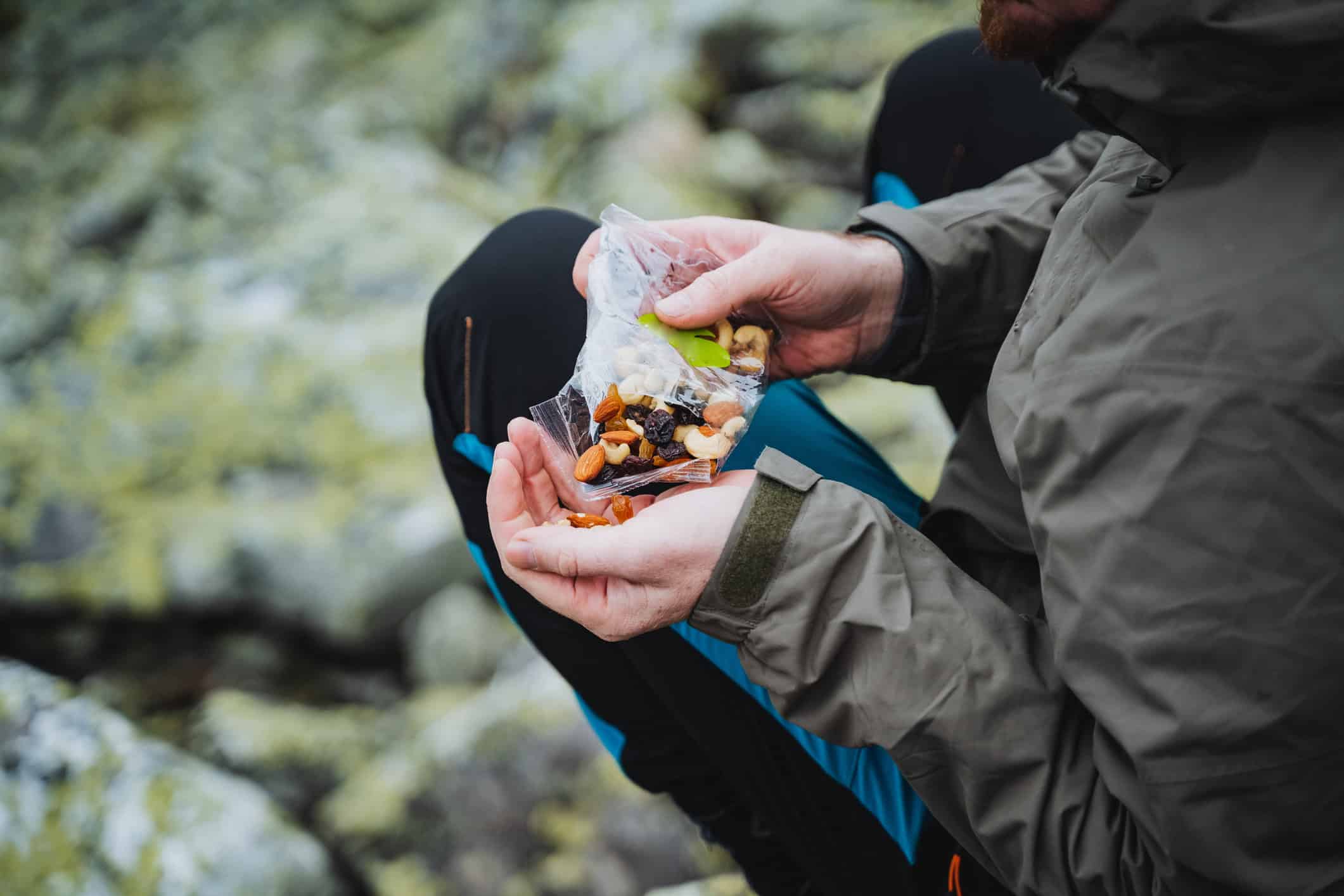
Some classic backpacking foods stand the test of time for good reason. Trail mix is a fantastic option. It is a mix of nuts, seeds, dried fruit, and chocolate, providing healthy fats, natural sugars, and protein. It is convenient, easy to pack, and requires no prep.
Granola bars and energy bars are also a very popular choice. They are handy for breaks during hikes, and there is a great deal of variety in flavor and nutrition. Many backpackers pack several bars per day for emergency energy.
Peanut butter is a hit with long-distance hikers. It is calorie-dense, rich in healthy fats, and adds very little weight. Paired with crackers or tortillas, it is a filling snack or meal replacement.
Dried fruits have natural sugars, are a great source of nutrition, and pack very little weight in a backpack. Choices are raisins, apricots, mango slices, and banana chips. Also, they are great for supplying quick energy, which hikers require during tough climbs or long hiking days.
Modern Backpacking Snacks for Better Performance
Today, a great variety of backpacking foods are available to modern outdoors people. The use of freeze-dried meals has grown, proving popular for their light weight and ease of preparation with just hot water. Many new options are more nutritionally balanced and taste better than those in the past.
Protein-rich snacks are also popular with hikers. Roasted chickpeas, protein cookies, and high-protein bars aid muscle repair during multi-day trips. These are ideal for hikers covering long distances each day.
Electrolyte-filled snacks and hydration tablets are a modern addition to backpackers' packs. Hikers lose minerals through sweat, which in some climates and at high elevations is a major issue. Replacing electrolytes helps reduce fatigue and improve performance.
Many of today's backpackers focus on healthier, more natural snack options. They prefer organic trail mixes, low-sugar protein bars, and minimally processed foods that provide clean energy for outdoor adventures.
Why Jerky Is Perfect for Backpacking
High-protein foods are a must on active hikes, and jerky remains the best choice for backpackers. It is lightweight, has a long shelf life, and is high in protein, making it perfect for multi-day trekking where refrigeration or cooking may be limited.
Jerky is a compact option that provides sustained energy and helps with muscle fatigue after long hiking days. It is a great choice for a quick snack at breaks or as part of a full trail meal.
For hikers looking to explore different flavors and styles, jerkybrands.com is a useful resource for discovering a wide variety of jerky options suitable for outdoor adventures.

Snacks That Help Sustain Energy
During long-distance backpacking, hikers try to keep steady energy levels all day long. Sweet snacks give a quick boost but often cause crashes, leaving travelers tired.
Hikers should aim for a combination of complex carbs, protein, and healthy fats. Instead of a single food source, nuts pair well with dried fruit, whole-grain crackers, or meat-based jerky. This helps sustain energy over long periods.
Frequent small food breaks are better than large meals while hiking. It is often best to eat every couple of hours to sustain energy and avoid fatigue.
Hydration is at the core of energy management. Hikers often do not compensate for dehydration with food choices. Along with drinking enough water, trekkers must replace lost electrolytes to stay strong on the trail.
Planning Food for Multi-Day Treks
Food planning is a top priority for multi-day hikes. Hikers must live on what they pack, so rations need to be well thought out. Most long-distance hikers choose foods that pack many calories into little weight.
Packing a wide variety of snacks improves morale on tough trips. Eating the same food daily can become boring; including sweet, salty, crunchy, and savory options helps hikers enjoy meals more.
Organization is key. Many backpackers break up daily servings or place them in accessible pockets to provide quick energy at rest stops. Proper food storage also protects supplies from spoilage and exposure to wildlife and the elements.
Final Thoughts
Backpacking and long-distance trekking benefit from smart food choices. The best trail foods are lightweight, high in calories, convenient to carry, and easy to eat on the go. Classic choices like trail mix and dried fruit do the job, but modern protein snacks and freeze-dried meals also perform well, offering more variety and convenience.
Among backpacking foods, jerky stands out for its convenience and nutritional value for hikers needing lightweight, high-protein fuel for tough trips. Smart packing and a mix of complementary snacks help backpackers preserve energy, focus, and spirit throughout the trip.
This story was published in collaboration with JerkyBrands.