
A campervan road trip offers travelers more freedom than a typical city break because they can set their own pace, stop in small towns, sleep closer to nature, and bring daily essentials. However, this kind of trip works best with proper planning.
Many travelers focus only on the route and overlook practical details. Parking, campsites, toll roads, battery power, and local driving rules can affect the trip as much as the destinations.
A successful campervan trip depends on a realistic route, the right vehicle, safe overnight stops, and a setup that supports daily travel needs.
Choose a Route That Fits the Travel Time
The first common mistake is trying to cover too much ground.
Europe may look compact on a map, but driving times often take longer than expected. Mountain roads, border traffic, toll routes, ferry crossings, and city congestion can all slow the trip.
Travelers should choose one region instead of crossing too many countries in a short time. A focused route gives more time outside the vehicle and less time checking maps.
Good beginner-friendly route ideas include:
- Northern Italy, Austria, and Slovenia
- France, Belgium, and the Netherlands
- Spain and Portugal
- Germany, Switzerland, and Austria
- Croatia and Slovenia
- Scotland and northern England
Decide Between Renting and Using a Personal Campervan
The next choice is renting a campervan in Europe or using a personal vehicle.
Renting is often easier for travelers flying into Europe or taking a shorter trip. Rental companies may provide insurance options, roadside support, kitchen gear, bedding, and basic camping equipment.
Using a personal campervan works well for longer trips. The owner knows the layout, storage, driving feel, and power setup. The downside is arranging ferry transport, international insurance, breakdown cover, and vehicle documents for each country on the route.
Before booking a rental, travelers should check what is included. They should not assume every campervan is fully equipped.
Important items to ask about include:
- Mileage limits
- Insurance excess
- Bedding and towels
- Kitchen equipment
- Camping chairs and table
- Heating or air conditioning
- Fridge size
- Toilet and shower setup
- Power outlets
- Battery and charging system
- Rules for cross-border travel
Understand Driving Rules Before Crossing Borders
Driving rules vary between European countries. Travelers do not need to memorize every rule but should check the basics before each border crossing.
Important details include:
- Speed limits for campervans
- Toll roads and motorway vignettes
- Low-emission areas
- Parking rules
- Headlight requirements
- Winter tire rules
- Required safety equipment
- Wild camping restrictions
Plan Campsites, Aires, and Overnight Stops
A campervan gives travelers freedom, but travelers should not assume they can park anywhere overnight.
Europe has many campsite options, but rules vary by country and region. Some places welcome campervans with dedicated overnight areas; others restrict parking outside official campsites.
Common overnight options include:
- Full-service campsites
- Motorhome aires
- Farm stays
- Private campervan parking areas
- National park campsites
- Ferry port parking areas
- Approved off-grid parking spots
Prepare the Campervan Power Setup
Power is one of the most overlooked parts of campervan travel.
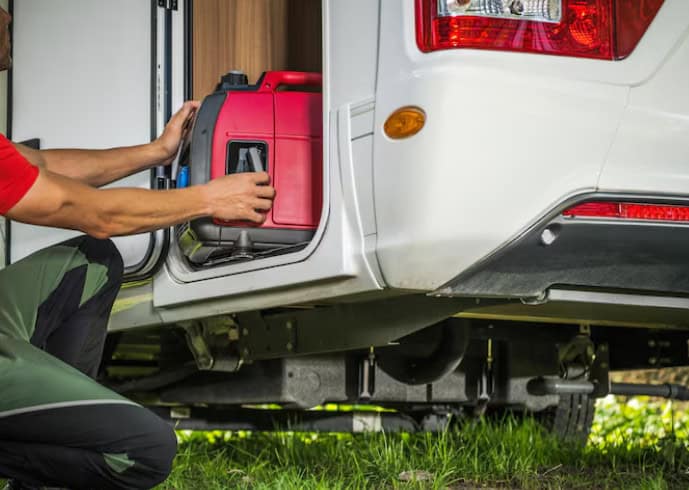
A campervan needs stored power for lights, phone charging, a fridge, fans, water pumps, cameras, laptops, and small cooking devices. If travelers plan to avoid serviced campsites, the battery setup is important.
Before the trip, they should check how the campervan stores and charges power. Some vehicles charge their batteries from the engine while driving; others use solar panels or campsite hook-ups.
Travelers should review four key areas:
- Battery capacity
- Charging method
- Daily power use
- Backup options
A fridge running all day can drain power faster than expected. Cold weather also affects battery performance. Long stops without driving may limit recharging if the vehicle lacks solar charging or shore power.
Travelers preparing a vehicle for longer trips can compare RV batteries that fit the campervan's voltage, battery space, charging system, and daily power needs.
The best RV battery should meet all your travel needs. It should not be chosen by price alone. It must match the vehicle and travel style. A weekend camper has different needs than someone spending weeks moving between campsites, rural stops, and remote parking areas.
Pack for Comfort Without Overloading the Vehicle
Campervan space fills quickly. Too much gear could make every stop harder.
Travelers should pack for daily use, not rare situations. They need clothes, toiletries, cooking essentials, travel documents, chargers, first-aid supplies, and weather gear. They should avoid bringing extra equipment.
Useful items for a European campervan trip include:
- Compact clothes for mixed weather
- Lightweight rain jacket
- Comfortable walking shoes
- Travel towel
- Reusable water bottle
- Basic first aid kit
- Phone mount
- Charging cables
- Power bank
- Headlamp or small torch
- Laundry bag
- Quick-dry clothesline
- Basic cooking supplies
- Reusable food containers
Budget for Fuel, Tolls, Parking, and Campsites
A campervan trip can be cost-effective, but it is not always cheap.
Fuel costs can be high, especially with larger vehicles. Toll roads, ferry crossings, campsites, parking, and rental insurance also add to the total cost.
Common costs include:
- Campervan rental
- Fuel
- Road tolls
- Motorway vignettes
- Campsite fees
- Parking fees
- Ferry crossings
- Insurance upgrades
- Gas for cooking or heating
- Food and groceries
- Paid attractions
Keep Food and Water Planning Simple
A campervan kitchen does not need to be complicated.
Simple meals work best in a small space. Pasta, rice bowls, sandwiches, soups, salads, eggs, and grilled vegetables are easy to prepare with limited equipment.
Travelers can shop every few days instead of carrying too much food. European towns often have bakeries, supermarkets, outdoor markets, and small grocery stores.
They should learn how the vehicle's fresh water and grey water systems work before leaving the rental location. It helps to ask where to refill water and properly empty waste.
Grey water and toilet waste should never be dumped in random places. Travelers must use official service points at campsites, aires, or motorhome facilities.
Keep the Trip Flexible
One of the best parts of campervan travel is the ability to change plans.
A traveler may want to stay longer in a peaceful village, move inland because of bad weather, or take a scenic road not part of the original plan. Flexibility makes the trip feel less rushed.
Extra time should be built into the route. Travelers should leave space between major stops and avoid booking every night unless traveling during peak season or visiting busy areas.
A flexible plan helps travelers enjoy the trip instead of rushing through it.
Final Thoughts
A campervan road trip across Europe can be one of the most rewarding ways to travel. It gives travelers the freedom of the road, the comfort of carrying their own space, and the chance to visit places that are harder to reach by train or plane.
The key is practical planning. Travelers should choose a realistic route, understand local driving rules, book suitable overnight stops, manage their power setup, and pack with care.
This kind of trip should not be planned around distance alone. It should be planned around comfort, time, and the type of travel experience each day should provide. With that approach, the road becomes part of the trip, not just the space between destinations.
This article was published in partnership with LiTime.