Nepal is home to some of the world's most legendary trekking routes, attracting hundreds of thousands of adventure lovers each year. Three names consistently stand out: the Everest Base Camp Trek, the Annapurna Circuit Trek, and the Manaslu Circuit Trek.
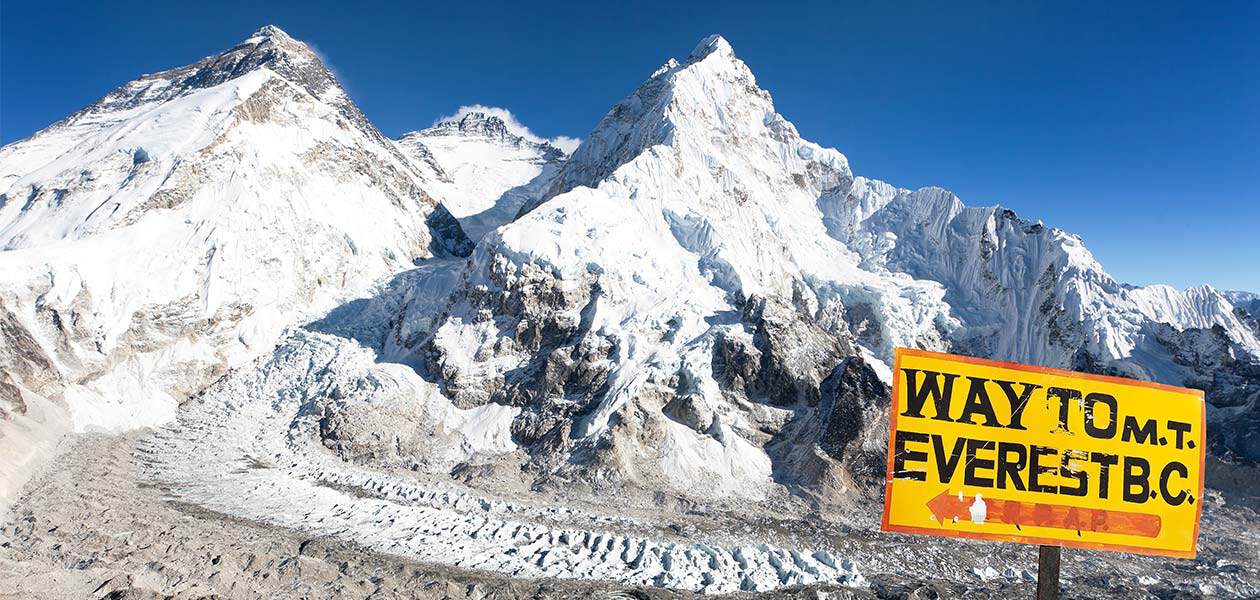
Each offers breathtaking Himalayan scenery, memorable cultural encounters, and the adventure of a lifetime. Yet they provide remarkably different experiences.
This leads to one of the most common questions travelers ask before planning their Himalayan journey:
Which trek should I choose-Everest, Annapurna, or Manaslu?
The answer depends on the experience you're looking for, your travel goals, physical fitness, budget, available time, comfort level, and the kind of adventure you seek.
Some travelers dream of standing at the base of the world's highest mountain. Others long for peaceful trails, authentic mountain villages, or remote wilderness far from the crowds. While all three treks showcase Nepal's spectacular landscapes, they appeal to different types of adventurers.
This thorough guide compares the three routes from every important perspective, including scenery, difficulty, altitude, fitness, accommodation, culture, permits, costs, photography opportunities, seasons, safety, tea houses, and overall value. This helps you confidently decide which trek matches your expectations.
Why Do Travelers Compare These Three Treks?
Planning a Himalayan trek is a major investment. International travelers often spend months researching before booking. Besides cost, trekking in Nepal requires careful preparation, physical training, time off work, and choosing the right itinerary.
During this research process, travelers often compare these three iconic routes because each offers a distinct experience.
Some prioritize seeing Mount Everest, the highest peak on Earth. Others are drawn to the varied landscapes and accessibility of the Annapurna region. More experienced trekkers may seek the remote scenery and cultural authenticity of the Manaslu Circuit.
Today's travelers also evaluate practical questions such as:
- Which trek has the best mountain views?
- Which route is less crowded?
- Which trek offers the best tea house experience?
- Which requires the highest fitness level?
- Where is altitude sickness more likely?
- Which trek provides better value for money?
- Which is most suitable for first-time trekkers?
- Which route offers the strongest cultural experience?
This guide answers all of these questions to help you make an informed decision.
Quick Comparison Overview
| Duration | 12–14 Days | 12–18 Days | 14–18 Days |
| Maximum Elevation | 5,364 m | 5,416 m | 5,106 m |
| Highest Viewpoint | Kala Patthar | Thorong La Pass | Larke Pass |
| Difficulty | Moderate to Challenging | Moderate | Challenging |
| Crowds | High | Moderate | Low |
| Tea Houses | Excellent | Excellent | Good |
| Cultural Experience | Sherpa | Gurung & Thakali | Tibetan Buddhist |
| Remote Feeling | Medium | Medium | Very High |
| Photography | Excellent | Excellent | Outstanding |
| Guide Required | Recommended | Optional | Mandatory |
| Ideal for Beginners | Yes | Yes | Better for experienced trekkers |
Everest Base Camp Trek
Why It Is the World's Most Famous Trek
Few trekking adventures are as recognizable worldwide as the Everest Base Camp Trek. For many travelers, reaching the base of Mount Everest is a lifelong dream, combining legendary mountaineering history with spectacular Himalayan scenery.
The trail passes through lively Sherpa villages such as Namche Bazaar, Tengboche, Dingboche, and Lobuche before reaching Everest Base Camp.
Along the way, trekkers experience suspension bridges draped with prayer flags, ancient monasteries, and panoramic views of some of the highest peaks on Earth.
The highlight for many is the sunrise hike to Kala Patthar, where Mount Everest appears in all its glory.
Best For
- First-time trekkers in Nepal
- Bucket-list travelers
- Photography fans
- Sherpa culture admirers
- People seeking iconic Himalayan landscapes
Advantages
- World-famous destination
- Exceptional trekking infrastructure
- Comfortable tea houses
- Reliable rescue services
- Strong internet connectivity in many villages
- Sherpa culture
- Stunning mountain panoramas
Challenges
- Busy trails in peak seasons
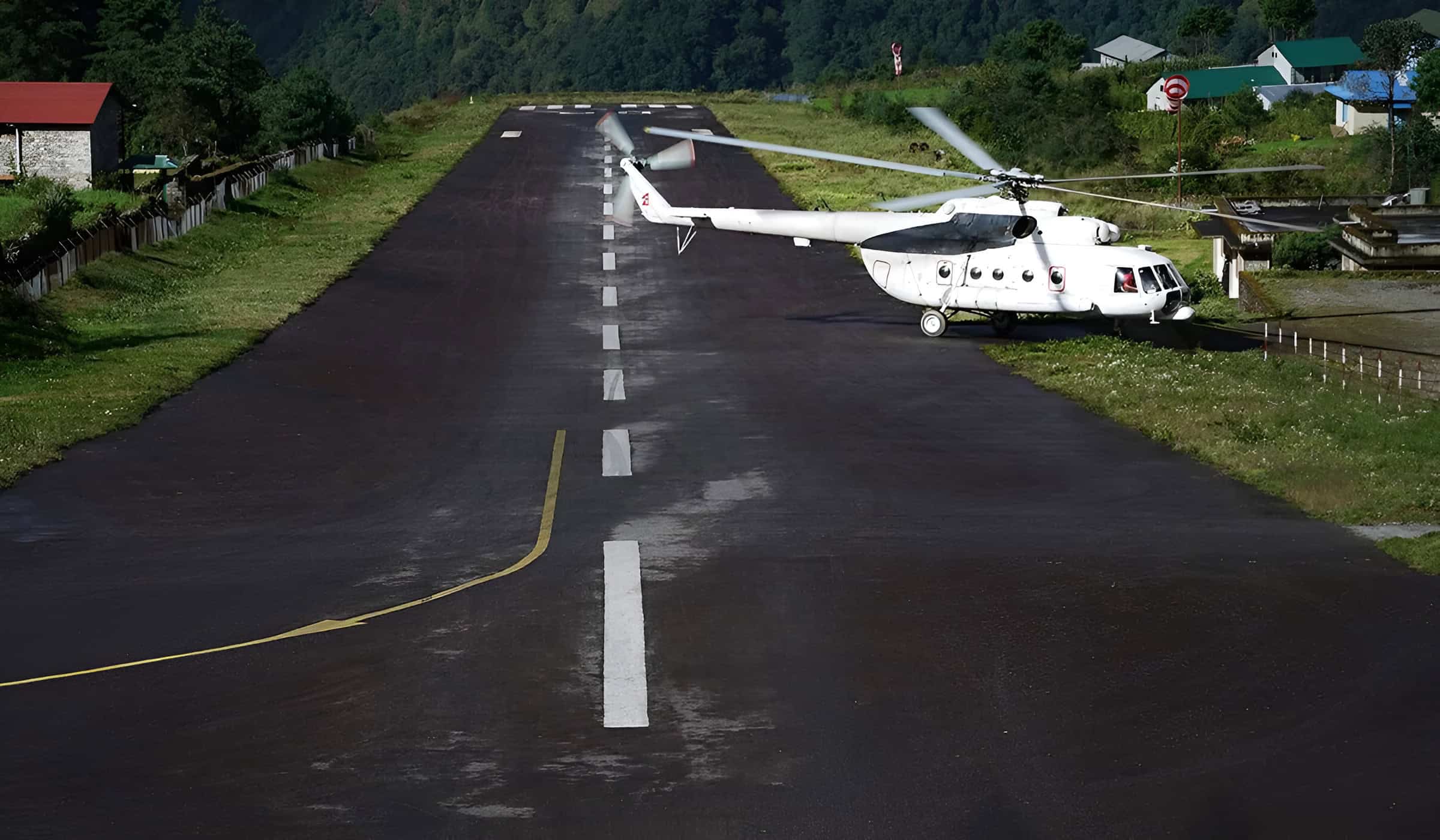
- Higher flight dependency via Lukla
- Increasing accommodation demand
- Greater commercialization compared to remote regions
Annapurna Circuit Trek
Nepal's Most Diverse Trek
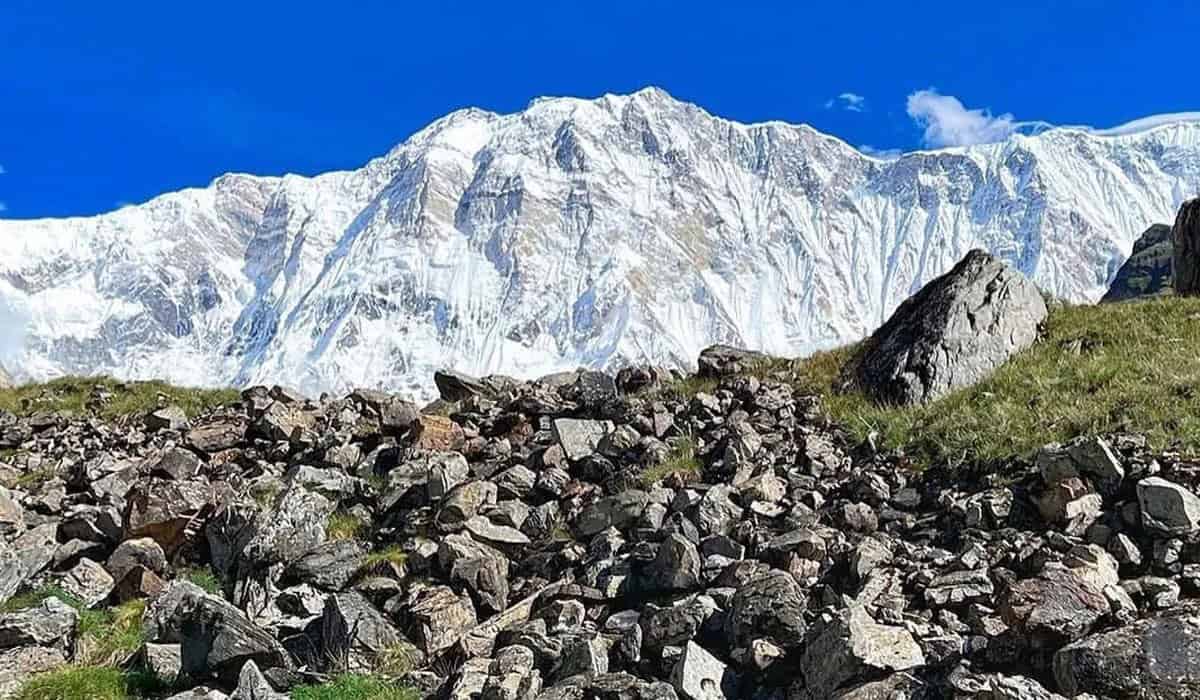
The Annapurna Circuit is often considered Nepal's most varied trekking route. Instead of focusing on a single destination, the circuit changes continually as trekkers pass through subtropical forests, waterfalls, alpine meadows, high-mountain deserts, and traditional villages.
The crossing of Thorong La Pass at 5,416 meters is one of the trek's defining achievements, while visits to Muktinath, Manang, and Tatopani introduce cultural diversity unlike anywhere else in Nepal.
Unlike Everest, the Annapurna Circuit offers remarkable contrasts-from green valleys to arid Himalayan landscapes-all within one journey.
Best For
- Nature lovers
- First-time trekkers
- Families
- Multi-landscape photography
- Cultural exploration
Advantages
- Incredible landscape diversity
- Excellent tea house network
- Flexible itineraries
- Easier transportation access
- Wide accommodation choices
- Rich local culture
- Lower logistical complexity
Challenges
- Some road sections reduce wilderness
- Weather varies considerably by region
- Peak-season popularity
Manaslu Circuit Trek
Nepal's Best Remote Adventure
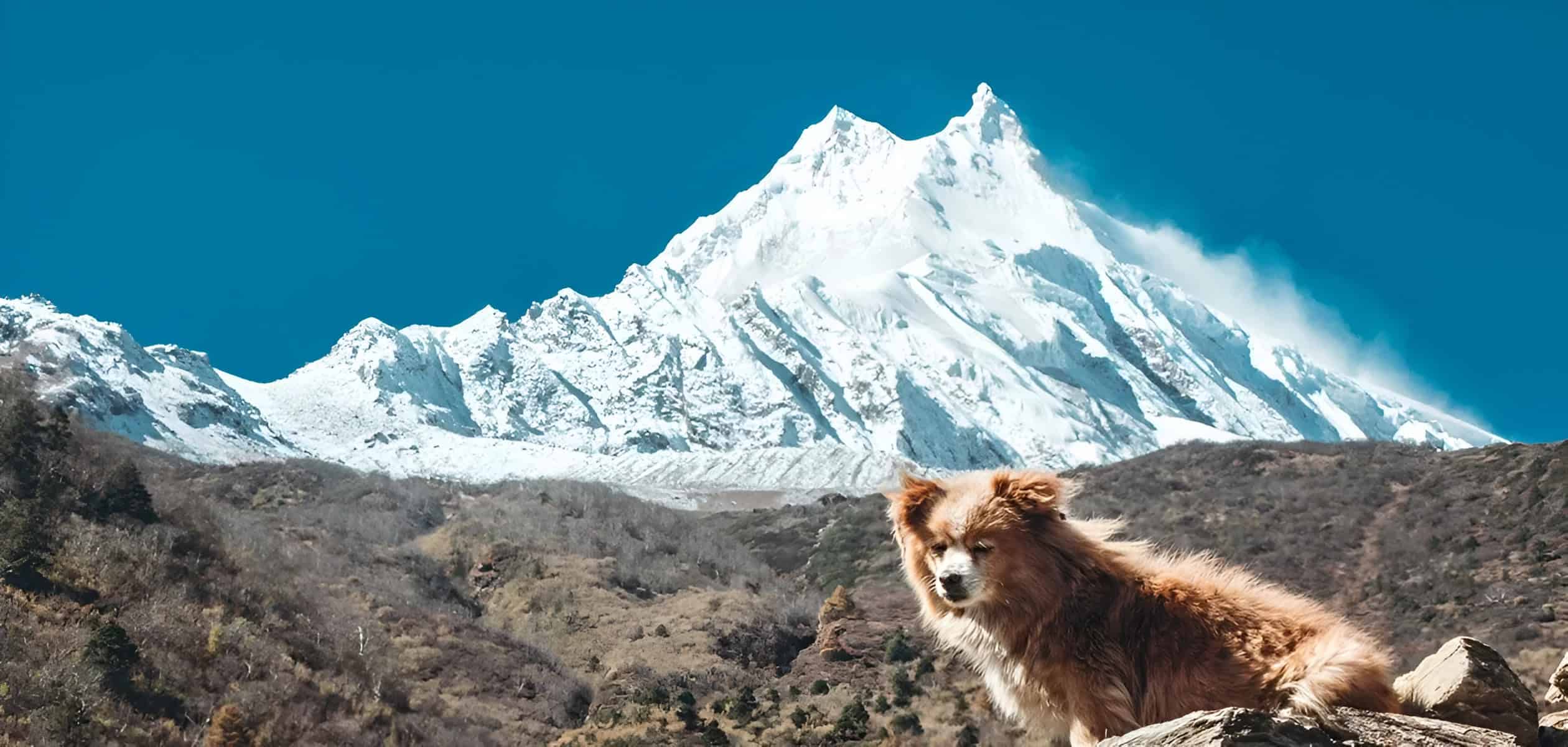
For travelers looking for authentic Himalayan wilderness, few routes compare to the Manaslu Circuit Trek.
Unlike Everest and Annapurna, Manaslu is a restricted trekking region. Visitor numbers are intentionally limited to preserve its traditional villages, Tibetan Buddhist heritage, and pristine mountain environment.
Crossing Larke Pass becomes more than simply reaching a high point-it represents the culmination of days spent immersed in untouched Himalayan landscapes.
Trekkers pass through forests, deep river valleys, suspension bridges, glacier-fed rivers, yak pastures, and centuries-old monasteries before ascending to dramatic alpine scenery.
Many experienced trekkers describe Manaslu as Nepal's most complete trekking experience because it combines spectacular scenery with genuine cultural authenticity.
Best For
- Experienced trekkers
- Adventurers
- Photographers
- Travelers wanting fewer crowds
- Cultural explorers
Advantages
- Peaceful trails
- Authentic villages
- Rich Tibetan Buddhist culture
- Less commercialization
- Incredible mountain scenery
- Outstanding photography opportunities
Challenges
- A guide is mandatory
- Restricted area permits
- Longer logistics
- Fewer luxury facilities
- More physically demanding than Everest or Annapurna
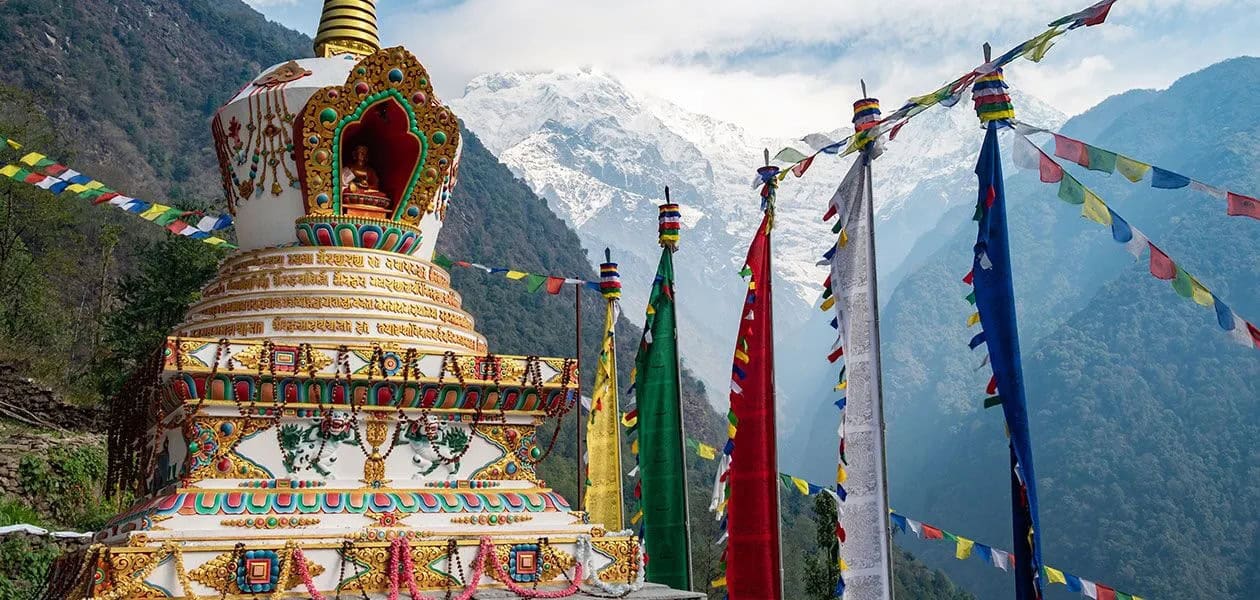
Comparing Mountain Views
Every trek offers extraordinary scenery, but the landscapes differ.
Everest Base Camp
Massive snow-covered giants, including Everest, Lhotse, Nuptse, Ama Dablam, Pumori, and Thamserku, dominate the Everest region. The scenery is dramatic, rugged, and unmistakably Himalayan.
Annapurna Circuit
Annapurna showcases remarkable diversity. Dense forests transition into high deserts, while views include Annapurna I, Annapurna II, Gangapurna, Dhaulagiri, Nilgiri, and Machhapuchhre.
Manaslu Circuit
Manaslu offers pristine wilderness. Peaks such as Manaslu, Himalchuli, Ngadi Chuli, Cheo Himal, and Ganesh Himal rise above untouched valleys, generating a sense of exploration rarely found on more popular routes.
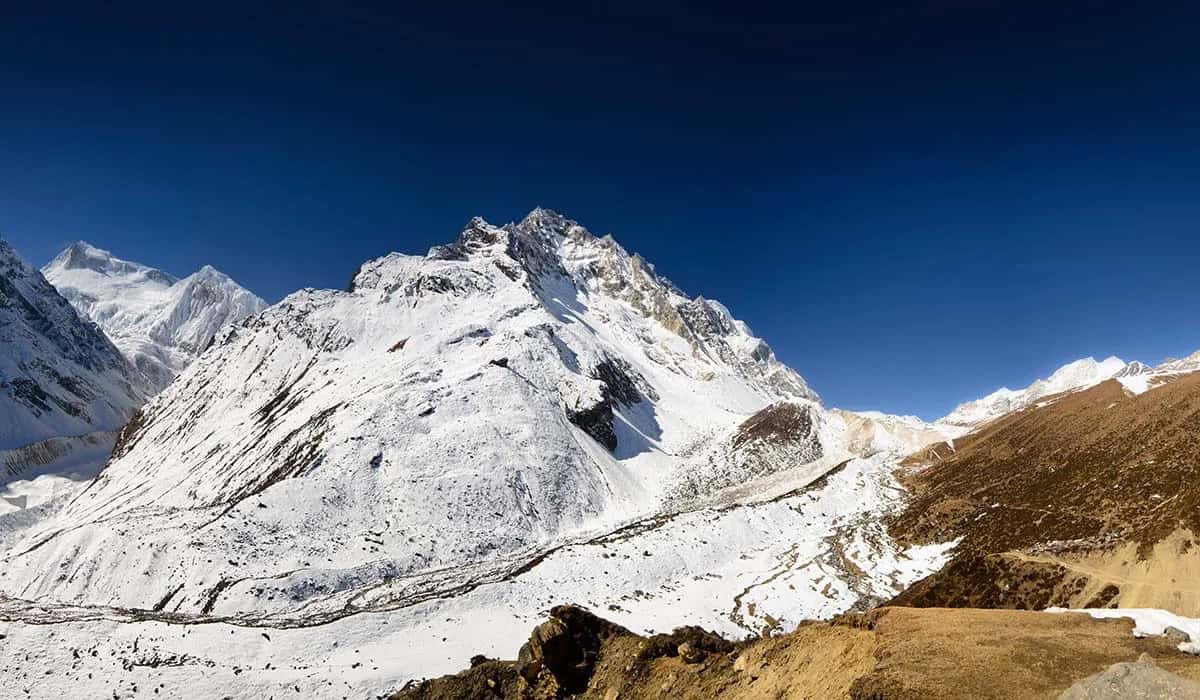
Difficulty Comparison
Many travelers assume the Everest trek is the hardest because of its fame. In reality, all three routes are physically demanding in different ways.
Everest Base Camp requires steady acclimatization and involves long days at high altitude.
Annapurna Circuit features the highest pass but generally follows gradual ascents with comfortable tea house support.
Manaslu combines long walking days, rough terrain, and remote conditions, making it the most demanding overall for many trekkers.
The best trek is not necessarily the easiest or hardest-it is the one that suits your fitness, experience, and expectations.
Fitness Level Comparison: Everest vs Annapurna vs Manaslu Trek
Fitness is important in deciding between the Everest Base Camp Trek, Annapurna Circuit Trek, and Manaslu Circuit Trek, yet many first-time trekkers often misunderstand it.
The Everest Base Camp Trek demands endurance rather than extreme strength. The real challenge is long walking days at high altitude, where oxygen levels decrease, making moderate climbs physically demanding over time.
With proper preparation, pacing, and mental determination, most reasonably fit trekkers can complete it successfully, especially if they are ready for repeated uphill and downhill sections over several days.
The Annapurna Circuit Trek falls into the middle category, requiring moderate fitness. It allows greater flexibility thanks to its varied terrain and well-developed trail network, with opportunities to recover in comfortable villages.
However, crossing Thorong La Pass at 5,416 meters still requires strong stamina, endurance, and the ability to handle long, tiring days in rapidly changing conditions.
The Manaslu Circuit Trek is the most physically demanding of the three due to its altitude, remote ruggedness, longer isolated walking hours, fewer rest points, and tougher trail conditions. It requires continuous physical effort and psychological toughness, making it better suited for experienced trekkers comfortable with multi-day Himalayan hikes.
Overall, Everest tests altitude endurance, Annapurna tests balanced stamina and adaptability, while Manaslu tests raw physical strength and mental toughness in a truly remote Himalayan environment.
Altitude Sickness Risk Comparison: Everest vs Annapurna vs Manaslu Trek
Altitude sickness is one of the most critical factors every trekker must understand before entering the Himalayas, because it can affect anyone regardless of fitness level, age, or experience.
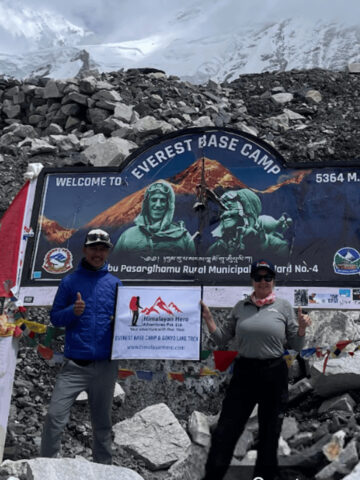
On the Everest Base Camp Trek, the maximum altitude is 5,364 meters. The risk is managed through a gradual acclimatization system with key stops such as Namche Bazaar and Dingboche, along with well-established rescue routes and frequent trekking traffic, which enable faster aid if needed.
Trekkers must respect altitude gain, take rest days seriously, stay hydrated, and avoid rushing the ascent. Ignoring early symptoms like headache, dizziness, or loss of appetite can lead to problems.
On the Annapurna Circuit Trek, the maximum point is slightly higher at 5,416 meters at Thorong La Pass. While the route is generally well-supported, faster elevation gain in some sections and abrupt weather changes can increase risk. Slow pacing, proper acclimatization days in Manang, and careful monitoring of body signals are extremely important for safety.
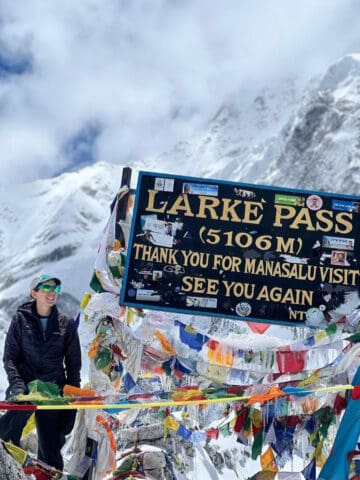
In contrast, the Manaslu Circuit Trek reaches 5,106 meters at Larke Pass. The risk here is amplified not only by altitude but by isolation, as evacuation options are limited, villages are far apart, and medical support is not easily accessible.
Trekkers must be extra cautious, follow a conservative itinerary, never skip acclimatization days, and always trek with an experienced guide who can identify symptoms early and make safe decisions.
In all three treks, the most effective prevention strategy is the same: ascend slowly, drink plenty of fluids, avoid alcohol, eat properly, sleep well, and listen to your body. Reaching high elevations is not a competition; patience is rewarded on Everest, Annapurna, and Manaslu, while speed can be punishing.
Accommodation can considerably shape your trekking experience, especially after long days walking through the Himalayas.
If comfort is a priority, the Everest Base Camp Trek offers Nepal's most developed tea house network. Many lodges in popular villages like Namche Bazaar and Dingboche offer twin rooms, hot showers, Wi-Fi, charging facilities, bakeries, and a wide range of services.
The Annapurna Circuit Trek also has an excellent tea house system, offering comfortable family-run lodges along most of the route. Facilities vary by altitude and location. Trekkers can generally expect warm hospitality, clean rooms, and reliable accommodation options.
In contrast, the Manaslu Circuit Trek provides a more authentic Himalayan experience. Tea houses are smaller, simpler, and often operated by local families.
Facilities are more basic, with limited electricity, fewer modern amenities, and modest rooms. Many trekkers consider this simplicity part of Manaslu's charm and cultural authenticity.
If you prefer convenience and comfort, Everest ranks first. Annapurna offers a good balance, while Manaslu suits adventurers seeking a genuine off-the-beaten-path experience.
Food Experience: What Can You Expect to Eat?
Food is more than fuel during a trek-it plays a key role in maintaining energy, supporting acclimatization, and enhancing the journey.
The Everest Base Camp Trek offers a wide variety of meals, including traditional Nepali Dal Bhat, pasta, pizza, fried rice, noodles, soups, pancakes, eggs, sandwiches, and even freshly baked items in larger villages.
The Annapurna Circuit Trek arguably offers the greatest variety of food because of its accessibility, combining local Nepalese dishes with Western and Asian cuisines across many tea houses.
Meanwhile, the Manaslu Circuit Trek focuses on simple, home-cooked meals created with locally available ingredients. Dal Bhat remains the most common and consistent choice, alongside noodles, potatoes, Tibetan bread, soups, and seasonal vegetables.
Although the menu is more limited than Everest or Annapurna, freshly prepared meals and warm hospitality often create a memorable cultural dining experience.
Cost Comparison: Which Trek Offers the Best Value?
Budget is an important factor when choosing among Nepal's three iconic trekking routes. The Everest Base Camp Trek is generally the most expensive due to flights to and from Lukla, higher accommodation prices, and increased food costs at higher altitudes.
The Annapurna Circuit Trek is usually the most budget-friendly option, thanks to easier road access, flexible itineraries, and a wide range of accommodation catering to different budgets.
The Manaslu Circuit Trek costs between the two, but restricted-area permits, mandatory licensed guides, and minimum group-size requirements increase the overall expense.
While Manaslu may cost more than Annapurna, many trekkers believe the quieter trails, untouched landscapes, and authentic cultural experiences provide exceptional value for people seeking a less commercialized Himalayan adventure.
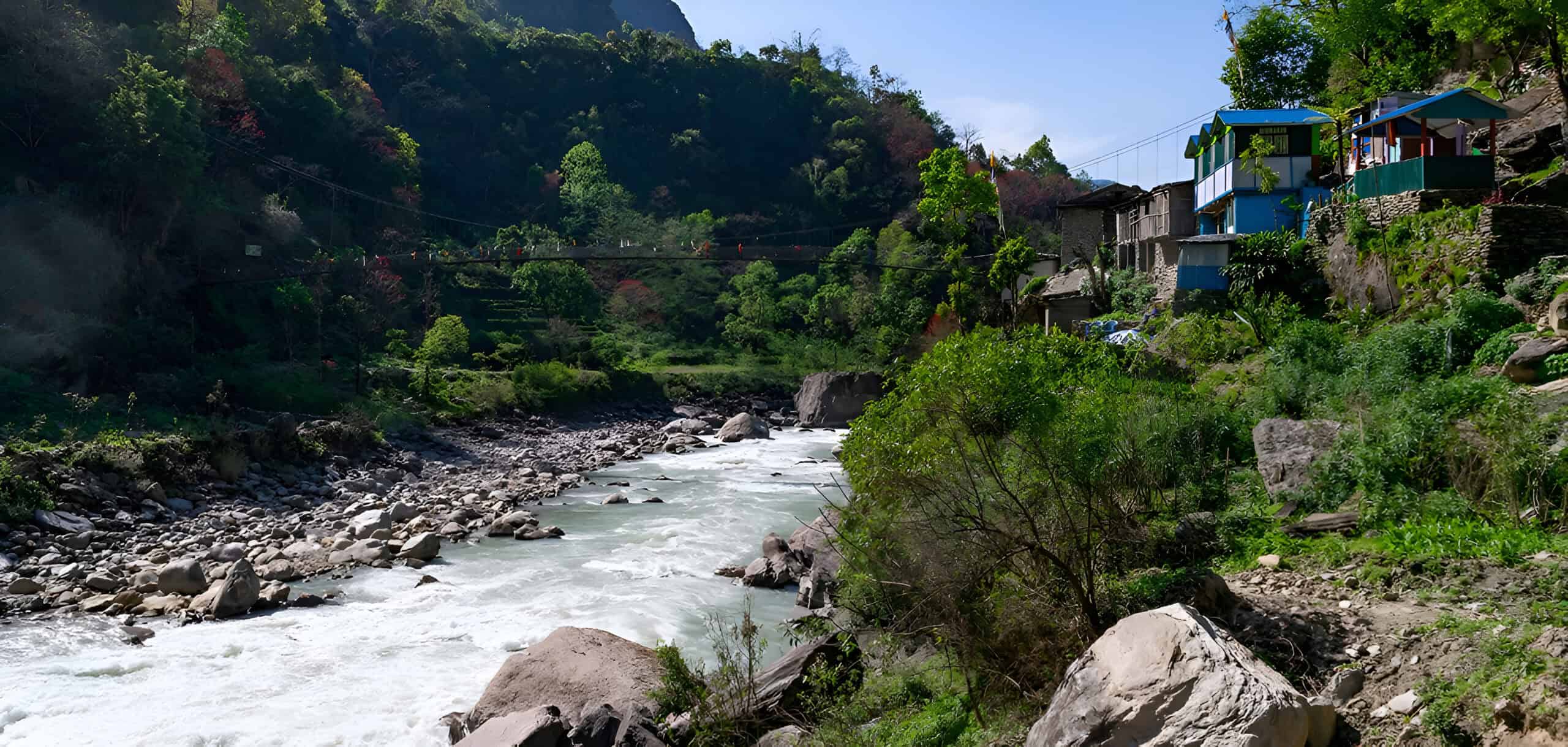
Why Choose Exciting Nepal Treks as Your Trusted Trekking Partner?
Choosing the right trekking company is just as important as choosing the right trail. At Exciting Nepal Treks, we believe that every trip in the Himalayas should be safe, authentic, and unforgettable.
As a locally operated trekking company based in Nepal, we're committed to honest communication, transparent pricing, small-group experiences, and responsible tourism that benefits local communities and preserves Nepal's mountain culture.
When you travel with Exciting Nepal Treks, you're partnering with a passionate local team dedicated to helping you explore the Himalayas safely, responsibly, and with confidence.
This article was published in partnership with Exciting Nepal Treks.