When you visit a Buddhist monastery in Nepal's high Himalayas, you'll often see hundreds of small flames flickering before statues and prayer wheels. These are butter lamps, usually fueled by yak butter, offered as symbols of wisdom, devotion, and spiritual guidance.
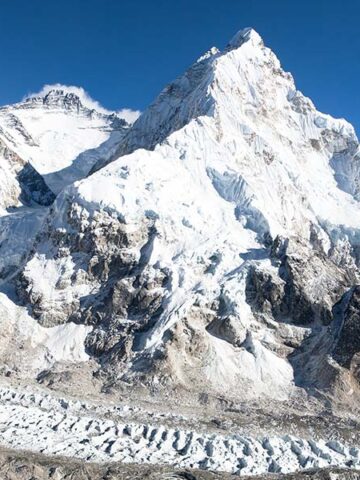
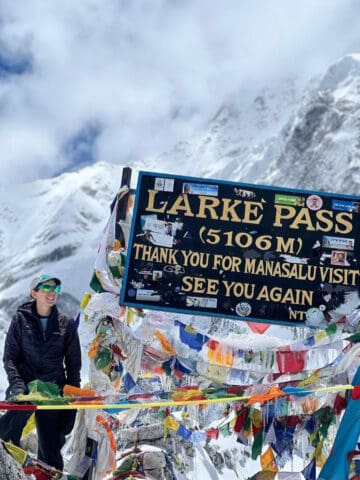
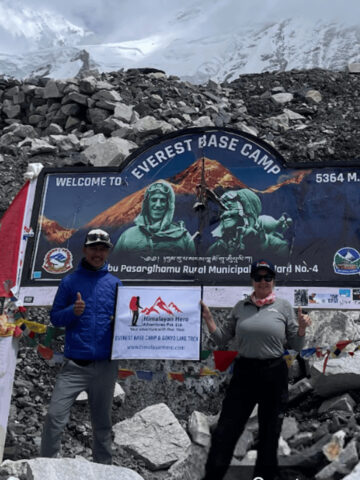
For many hikers on the Manaslu Circuit Trek, the Everest Base Camp route, and the Annapurna Circuit, seeing these glowing lamps is often their first glimpse of the rich cultural traditions of the mountains.
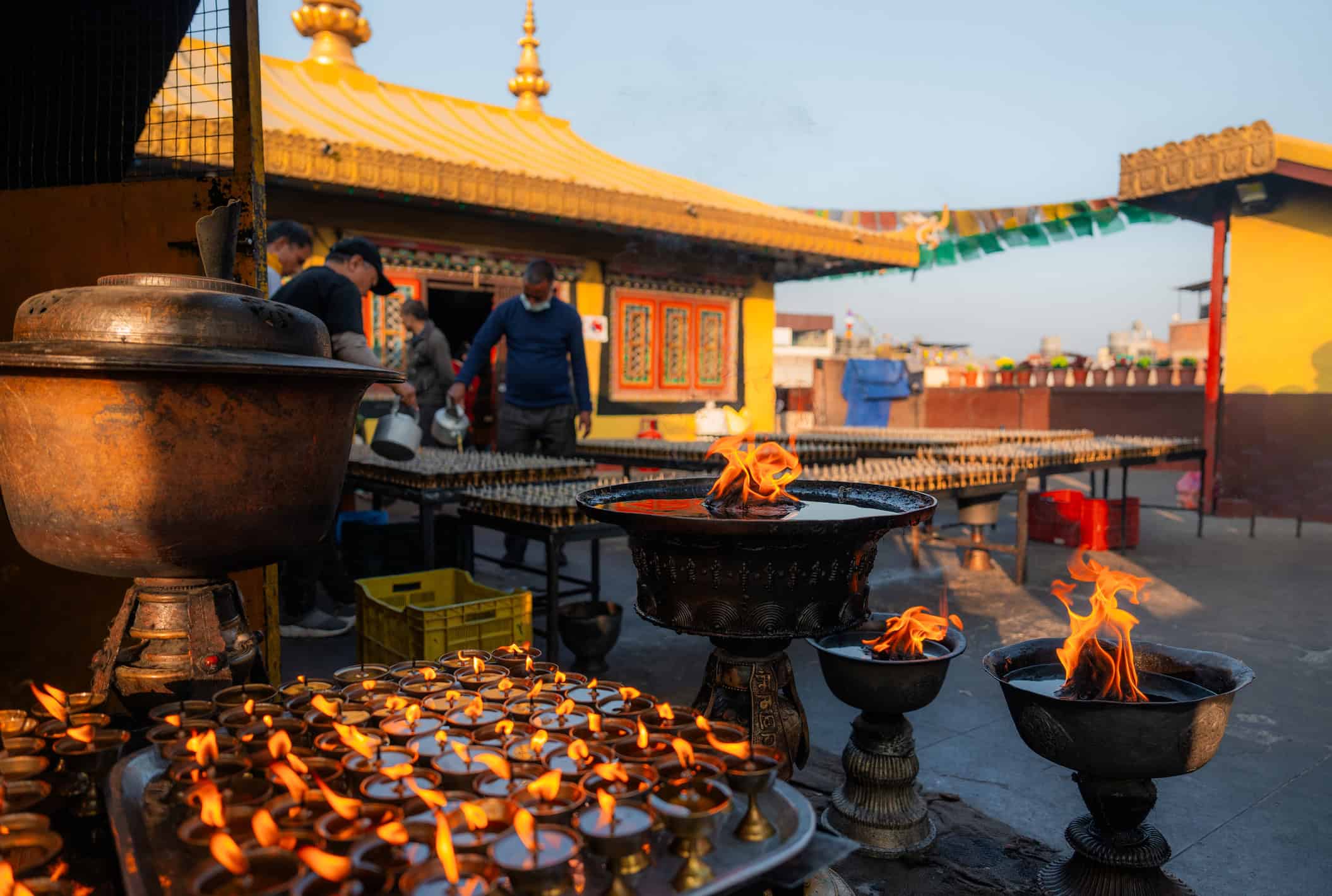
Yak butter is not only an important food in high-altitude communities but also holds a special place in religion, festivals, and daily life across the Himalayas.
What Is Yak Butter?
Yak butter is a thick, creamy fat made from yak milk and is common in the Himalayan regions of Nepal, Tibet, and Bhutan. It has a rich taste and a strong smell that might surprise people trying it for the first time.
People in the region use yak butter in tea, local dishes, and religious rituals. It is high in calories and contains vitamins A and D, so it is an important food in cold, high-altitude places where people need extra energy to stay warm and active.
For trekkers, tasting yak butter tea is often a memorable part of the journey and gives a quick boost of energy during long days on the trail.
Why Is Yak Butter Used in Butter Lamps?
Yak butter is commonly used in lamps during religious rituals in Himalayan Buddhist communities. These butter lamps are lit in monasteries, temples, and home prayer rooms all over the region.
The butter serves as fuel, creating a consistent flame that can burn for hours. The light stands for wisdom, the removal of darkness, and spiritual guidance. Offering a butter lamp is seen as a meaningful act of devotion and respect, and many believe it brings positive energy and spiritual merit.
Butter lamps remain an important part of Tibetan Buddhist practice and are closely connected to the spiritual traditions found throughout the Himalayan region.
Yak butter became the main fuel because it is easy to find locally, burns well in cold weather, and has been used by mountain communities for generations. This tradition is still closely tied to culture, faith, and daily spiritual life in the Himalayas.
What Trekkers Can Expect to See
When trekking in Nepal, you will probably see butter lamps inside monasteries, village temples, and family prayer rooms. The gentle light from many lamps creates a peaceful feeling, and the unique smell of burning yak butter often stays in the air.
Guides often explain what these offerings mean, helping trekkers better understand the Buddhist traditions that shape life in the mountains. Moments like these are usually among the most memorable cultural experiences on a trek in Nepal.
Cultural Role of Yak Butter
Yak butter is very important in Himalayan culture. People use it in religious ceremonies, offer it in monasteries, and burn it in butter lamps as a symbol of light and purity.
In some places, yak butter also stands for wealth and prosperity because making a lot of it means having healthy animals. More than just a useful food, yak butter shows the close bond between mountain people, their animals, and the tough places they live.
Because yak butter is used in both daily life and religious ceremonies, it is clear that it means much more than just food.
Yak Butter in Festivals and Rituals
During Himalayan festivals and rituals, yak butter is more than just food. People shape it into religious symbols, offer it to deities, and use it in butter lamps that stand for wisdom and spiritual light.
Families also share dishes made with the butter during community celebrations, which shows unity and prosperity. Monasteries use it often in prayers and ceremonies, linking spiritual practice with daily life.
These traditions help keep local culture alive, protect artistic heritage, and strengthen community ties across the Himalayan region.
How Yak Butter Is Made
Yak butter is made from the milk of yaks that live in high mountain areas like Manaslu, Everest, and Annapurna.
First, people collect and cool the milk. Then they churn it, often with a wooden or leather churn, until the fat separates from the liquid. The solid fat becomes butter, and the leftover liquid is buttermilk.
Many families do this every day, though the exact method can change from one region to another. Fresh yak butter is soft, a bit yellow, and full of flavor. The traditional way of making it keeps the nutrients and creates a high-calorie food that is very useful in cold mountain areas.
Yak Butter Tea: A Trekker's Favorite
Yak butter tea, called po cha by locals, is a traditional Himalayan drink made by mixing yak butter, tea leaves, and salt. It is creamy, warm, and calorie-dense, which makes it ideal for cold mountain weather.
Trekkers and locals often drink it to stay warm, hydrated, and nourished during long days at high altitude. The fat in the tea helps release energy slowly, so people feel energized for hours.
Its salty, rich taste might seem strange at first, but many people grow to enjoy it as a soothing and useful drink in the mountains.
Nutritional Benefits of Yak Butter
Yak butter is full of calories, healthy fats, and important vitamins, so it is a key source of energy for people living at high altitude.
It contains vitamin A, which supports vision and immunity, and vitamin D, which helps keep bones strong. The fats help provide insulation in cold climates and deliver long-lasting energy for physically demanding work.
Since this type of butter is particularly high in calories and easy to digest, it helps fight tiredness and supports endurance. This is why it is still an important part of the traditional Himalayan diet.
Yak Butter in Everyday Himalayan Cooking
In many Himalayan communities, people eat yak butter every day. They spread it on bread, mix it into porridge, or cook it with vegetables and grains. It is also added to soups and stews for extra flavor and energy.
During the long winter months, it's one of the most important sources of fat and nourishment for families. Its rich flavor and high calorie content make simple meals more filling and practical for mountain life.
Final Thoughts
To many visitors, yak butter might look like just a simple ingredient. In the Himalayas, however, it is deeply woven into daily life, religion, and survival.
From butter lamps glowing in old monasteries to cups of salty butter tea enjoyed after a long day of trekking, yak butter gives visitors a special look into the culture that makes trekking in Nepal so memorable.
This story was published in partnership with Himalayan Masters Adventure and Travel Company.