Visiting new destinations often goes hand in hand with finding new flavors. From street food markets to local restaurants, cuisine is a gateway into culture and tradition. While food can enrich your vacation experience, staying mindful of food safety is essential. A little preparation and awareness can help you avoid unnecessary illness and keep your trip enjoyable from start to finish.
Food Safety
Knowing the Risks
Food safety standards may differ greatly from one country to another. What's routine handling in one place may fall short of expectations elsewhere. For comparison, many large-scale producers, such as Taylor Farms, operate under strict hygiene and quality controls. These standards may not always be consistent worldwide.
This variation means travelers can be exposed to contaminated food or water without realizing it. Common symptoms of foodborne illness include nausea, stomach cramps, diarrhea, and fever, which can quickly derail travel plans. In serious cases, medical attention may be required, stressing the importance of prevention.
Do Research Before You Go
Before traveling, take time to understand the food safety landscape of your destination. Look into common foodborne illnesses in the region and identify specific risks tied to local dishes or preparation methods.
Reliable sources, such as the World Health Organization (WHO) and the Centers for Disease Control and Prevention (CDC), provide up-to-date guidance for travelers. You can also read recent reviews of restaurants and eateries to get a sense of hygiene standards and customer experiences.
Practice Safe Eating Habits
When it comes to food abroad, simple choices make a big difference. Opt for meals that are freshly cooked and served hot, especially meat, seafood, or eggs. High temperatures help eliminate harmful bacteria.
Be cautious with raw foods, including salads or pre-cut fruit, as they may have been washed in unsafe water or handled improperly. Instead, choose fruits you can peel yourself, such as bananas or oranges.
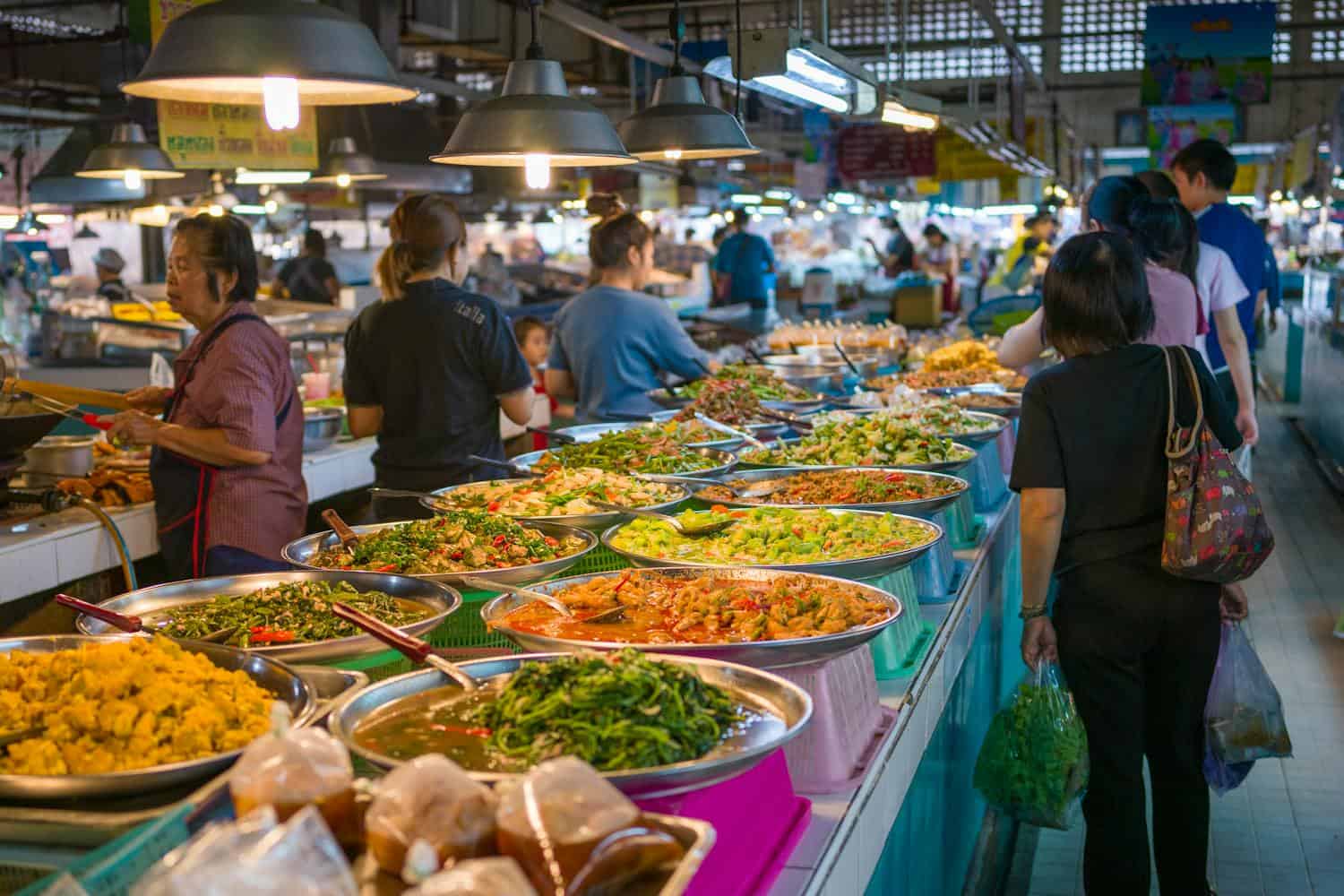
Busy restaurants with a steady flow of customers are often safer, as high turnover means fresher ingredients. Street food can also be safe if cooked to order and served piping hot. Just take a moment to examine cleanliness before ordering.
Stay Smart About Water
Water safety is a major concern for travelers. In many destinations, tap water may not be safe to drink. Stick to sealed bottled water whenever possible and check that the seal hasn't been tampered with.
Avoid ice unless you're confident it's made from purified water. Use bottled or treated water for brushing your teeth. If bottled water isn't available, consider purification tablets, filters, or portable UV devices as a backup.
Prepare with Vaccinations and Insurance
Before your trip, check if any vaccinations are recommended for your destination. Illnesses such as hepatitis A and typhoid are linked to contaminated food and water and can often be prevented with immunization.
Travel insurance is an essential safeguard. A policy covering medical services abroad ensures you can access care quickly if needed, free of unexpected costs.
Managing Food Allergies Abroad
If you have food allergies, extra preparation is key. Carry necessary medication, such as antihistamines or an EpiPen, and keep it easily accessible at all times.
Have your allergy information translated into the local language, either on your phone or as a printed card. This makes communication with restaurant staff clearer and reduces the risk of misunderstandings.
Final Thoughts
Trying new foods is one of the highlights of traveling, but it shouldn't come at the expense of your health. By keeping informed, making careful choices, and preparing in advance, you can enjoy local cuisine with confidence.
A mindful approach to food safety doesn't limit your experience-it improves it. With the right precautions, you can focus on what really matters: enjoying your journey, discovering new cultures, and making lasting memories.
This story was published in collaboration with Taylor Farms and lightly edited by the Go Backpacking team for clarity.