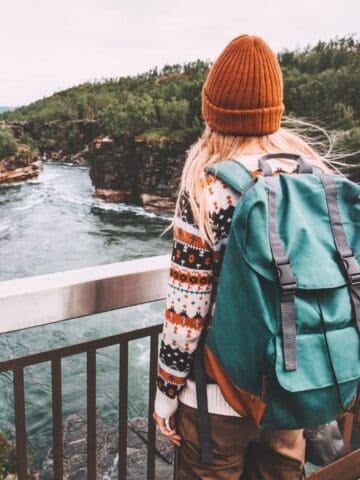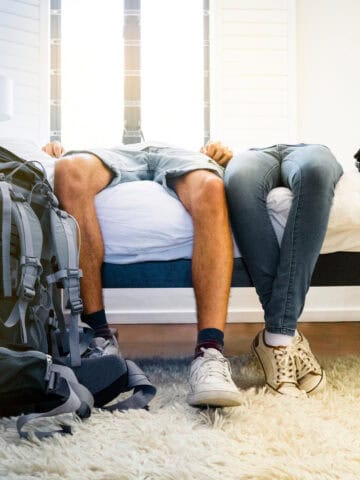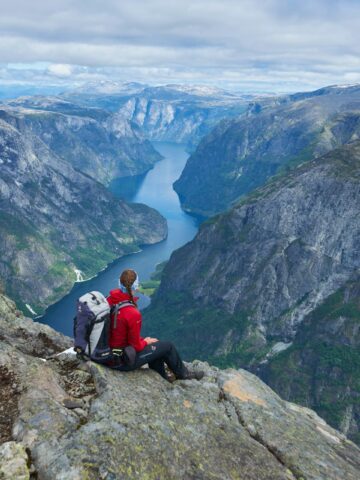
Long hiking days, back-to-back dive trips, multi-day treks, sunrise surfing, and long-haul flights that leave your legs stiff and swollen push your body in ways that feel incredible in the moment and exhausting the next morning.
Recovery isn't just for pro athletes. For backpackers and outdoor travelers, it can mean enjoying the next day's adventure instead of dragging yourself through it.
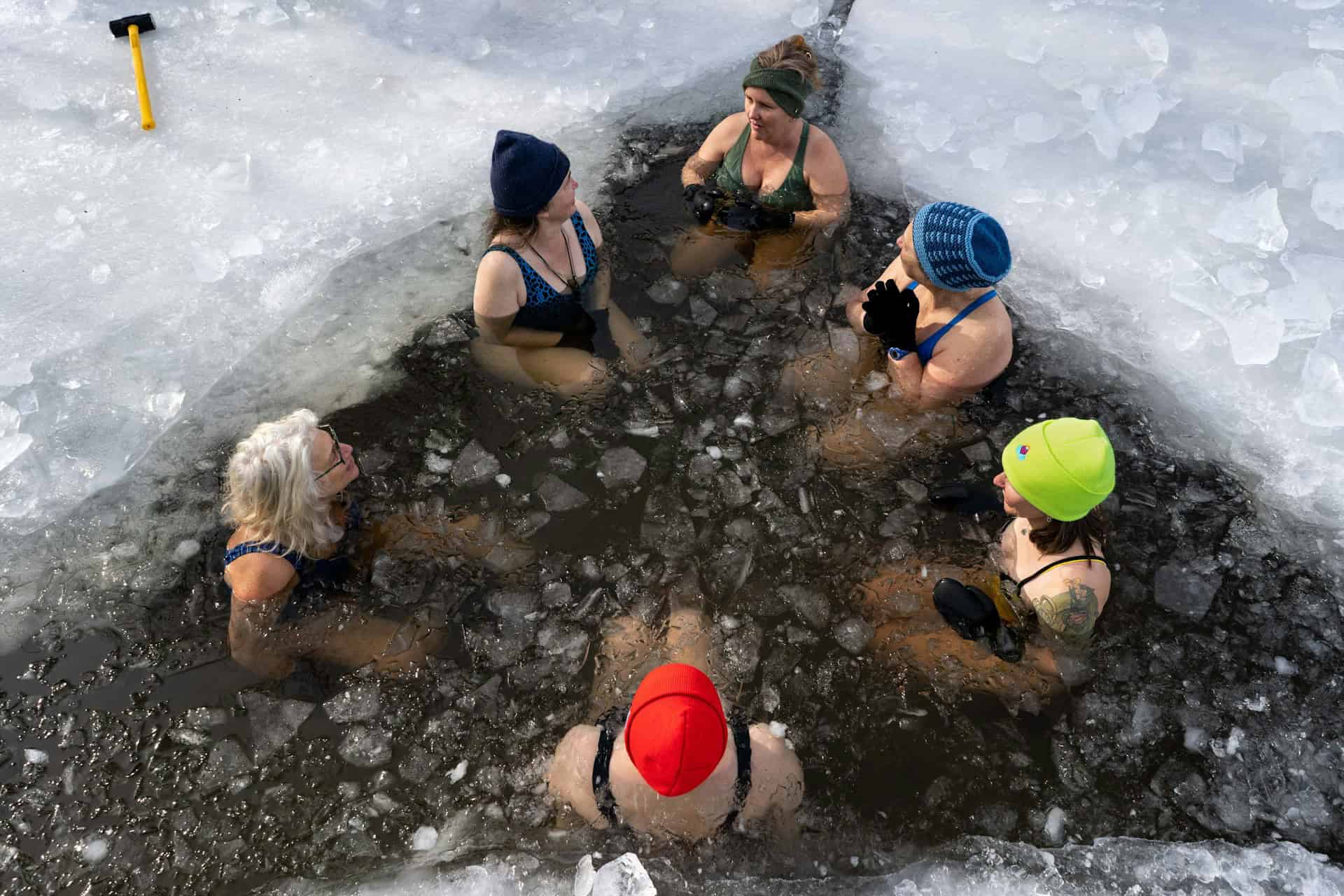
Contrast therapy, alternating between hot and cold exposure, is gaining traction beyond locker rooms. From mountain towns to coastal surf hubs, spas and gyms with cold plunge pools are making this recovery method more accessible to travelers who want to stay active throughout their trip.
Instead of seeing recovery as something to do at home, more travelers are building it into their itineraries.
Key Takeaways
- Boost circulation after long hikes, climbs, or flights.
- Reduce soreness so you can stay active day after day.
- Limit inflammation from repetitive strain and heavy packs.
- Support consistent performance on multi-day adventures.
- Use simple hot-and-cold timing cycles safely and effectively.
Why Recovery Matters More on the Road
When you're at home, soreness is manageable. When you're traveling, it can derail your plans.
Backpackers often carry 20 to 40 pounds for hours at a time. Trekking at altitude taxes the cardiovascular system. Long flights slow circulation and contribute to stiff joints. Surf trips, ski weeks, and cycling tours stack activity on consecutive days with little rest.
That's where contrast therapy fits naturally into adventure travel. It's not about chasing elite athletic gains. It's about staying functional, mobile, and energized so you can fully experience your surroundings.
How Hot and Cold Improve Circulation
Contrast therapy works by alternating heat and cold exposure. Heat dilates blood vessels, increasing circulation and relaxing tight muscles. Cold constricts vessels, helping reduce swelling and temporarily numbing soreness.
Switching between the two creates a pumping effect that encourages blood flow in and out of tired tissues. This circulation helps deliver oxygen and nutrients while clearing metabolic waste that builds up after intense activity.
For travelers who've just completed a long summit day or arrived after an international flight, that circulation boost can make a noticeable difference in how quickly legs and hips feel normal again.
Faster Recovery After Long Hiking Days
After extended trekking or climbing, muscles often feel heavy and inflamed. Contrast therapy may help reduce muscle tension and support faster recovery.
Research published in the Journal of Sports Science and Medicine has shown improvements in muscle perfusion and reduced tension following contrast treatments. While much of the research centers on athletes, the same physiological principles apply to physically active travelers.
The practical benefit? You wake up less stiff, move more easily, and feel more prepared for another active day - whether that's exploring ruins, kayaking a coastline, or taking on another stretch of trail.
Reducing Inflammation and Soreness
Cold exposure limits swelling by constricting blood vessels. Heat relaxes surrounding tissues and promotes circulation. Alternating between the two may help control inflammation caused by repetitive strain, a common issue on backpacking trips.
Travelers often underestimate how cumulative activity affects the body. Three or four consecutive active days can increase soreness.
Integrating contrast sessions, even once or twice during a trip, may help interrupt that buildup before it becomes limiting. It's especially helpful during longer trips where rest days are limited.
Supporting Performance Throughout a Trip
Adventure travel often requires consistency. If you're on a hut-to-hut trek, multi-day cycling route, or ski trip, you don't get to skip days easily.
When muscles recover more efficiently, endurance improves. Joints stay looser. Small aches are less likely to turn into injuries.
Many endurance athletes rely on contrast therapy to stay ready for competition. For travelers, the goal is simpler: preserve energy, reduce pain, and participate fully in the experiences you've planned.
What Is Contrast Therapy?
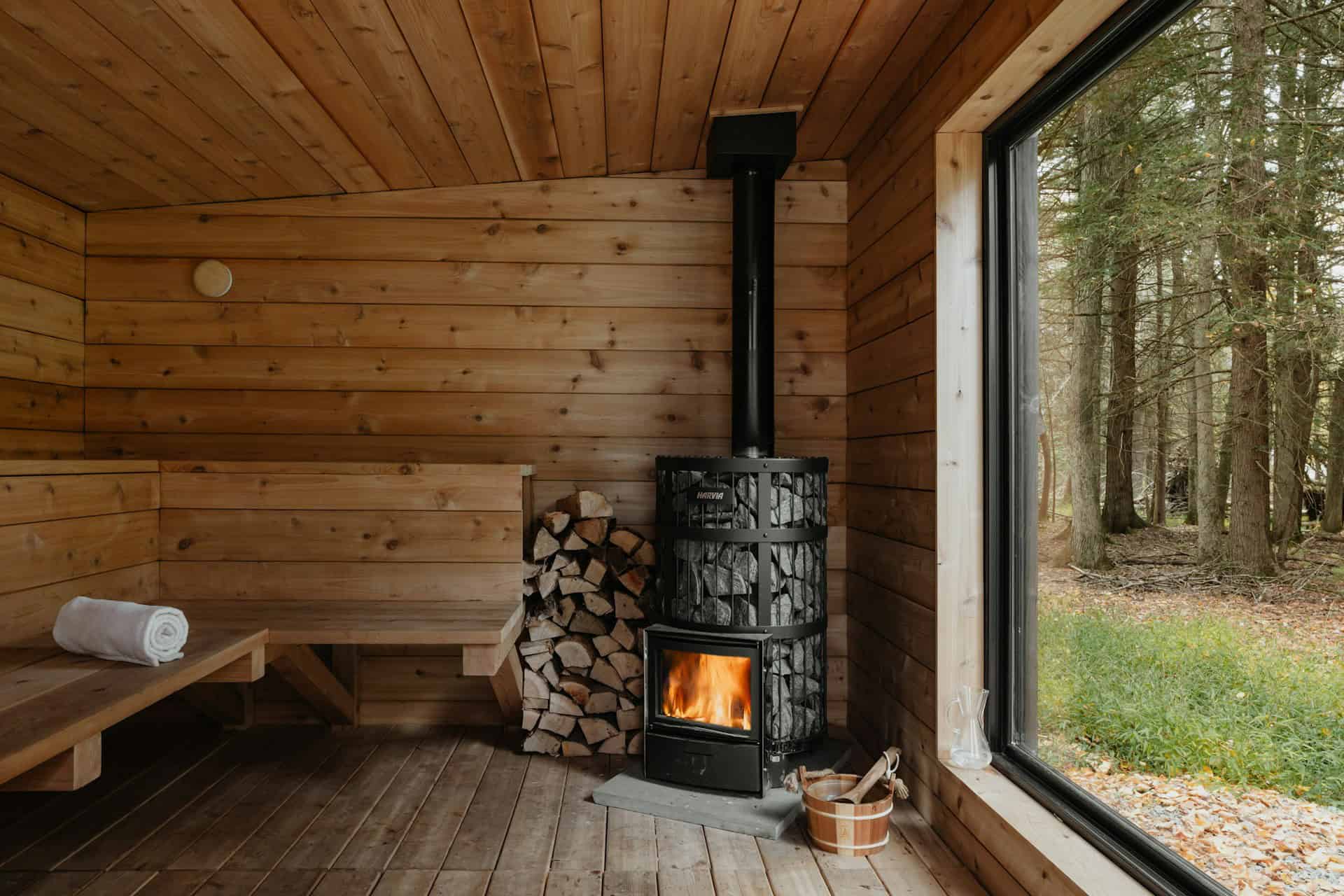
Contrast therapy usually involves alternating between hot and cold water immersion.
A common approach looks like this:
- Three to four minutes in heat (sauna, hot tub, or hot bath)
- One to three minutes in cold (cold plunge, ice bath, or cold shower)
- Repeat the cycle three to five times
- End with cold
The temperature contrast stimulates vascular changes that drive the recovery benefits.
Travel-Friendly Ways to Use Contrast Therapy
You don't need a professional training facility to use this method. Many mountain towns, surf destinations, and wellness-focused cities now offer sauna-and-plunge facilities. Boutique hotels and recovery studios are increasingly adding cold plunge pools.
If you don't have access to a formal setup, you can still adapt the method:
- Alternate between hot and cold showers.
- Use a hot tub, then a cold pool at a hotel.
- End your sauna session with a cold rinse.
Even simple versions can help improve circulation and reduce stiffness.
Safety Considerations
Contrast therapy is generally safe for healthy individuals, but it's important to listen to your body.
Avoid extreme temperatures. Stay hydrated, especially at altitude. If you have cardiovascular conditions or high blood pressure, consult a medical professional before using cold immersion.
Start conservatively. You don't need long ice exposure to see benefits.
The Bigger Picture: Recovery as Part of Adventure
Adventure travel isn't simply about pushing limits. It's about sustaining the experience.
When you build recovery into your itinerary - whether that's a rest day, a mobility session, or a hot-and-cold circuit - you're investing in the quality of your trip.
Contrast therapy isn't a luxury reserved for elite athletes. For backpackers and adventure travelers, it can be a practical tool for reducing soreness, staying consistent, and making the most of every hike, paddle, and summit push. Recover smarter, and you'll travel stronger.
_____
Disclosure: This story was published in collaboration with Heavenly Heat Saunas. The information provided is for informational and entertainment purposes only and does not constitute medical advice. Readers interested in contrast therapy should consult a qualified medical professional before beginning any new recovery practice.